Your Next F-350 Dump Truck for Sale: Key Buying Guide
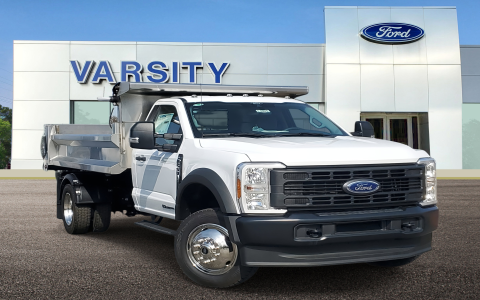
Finding the right heavy-duty workhorse for your construction, landscaping, or hauling business is a major decision. If you’re in the market for a powerful and versatile rig, a Ford F-350 configured as a dump truck is likely at the top of your list. This comprehensive guide is designed to cut through the noise and provide you with the critical insights needed to make a smart purchase. We’ll walk you through everything from engine specs and chassis evaluations to real-world cost analysis, ensuring your next F-350 dump truck for sale is a profitable investment, not a costly mistake. Whether you’re looking at new models or a pre-owned work truck, understanding these key factors is essential.
What Makes the F-350 an Ideal Dump Truck Platform?
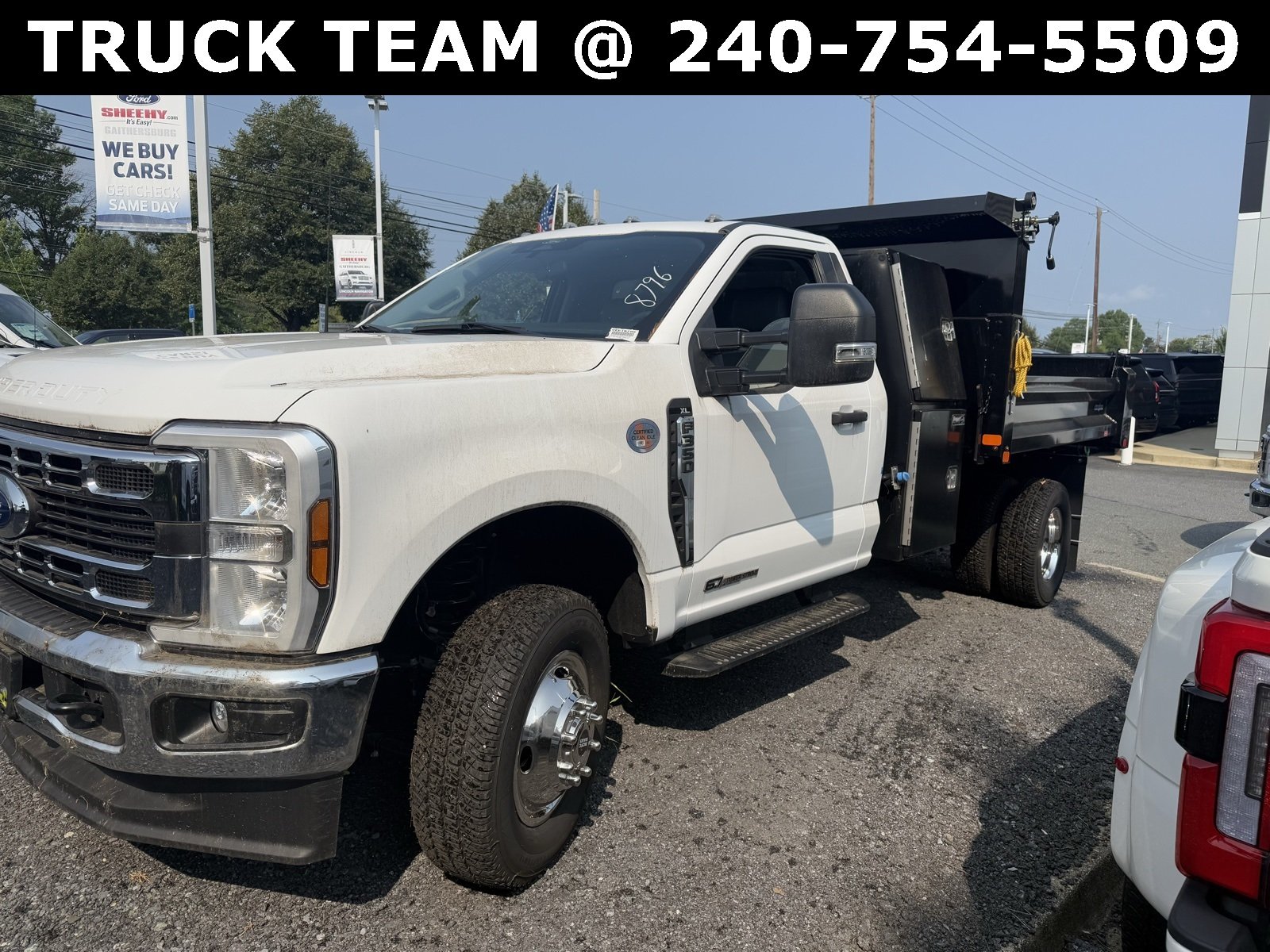
The Ford Super Duty lineup, particularly the F-350, has earned its reputation on job sites across the country. Its popularity as a base for dump bodies isn’t accidental. Let’s break down the core strengths that make it a prime candidate.
Built for the Heavy Lifting: Chassis and Powertrain
At the heart of any reliable dump truck is a frame that can handle constant stress. The F-350’s high-strength steel frame provides a solid foundation for mounting a dump body and hoist. When evaluating an F-350 dump truck, pay close attention to the powertrain. The available engines, like the 6.7L Power Stroke turbo diesel V8, offer the massive torque necessary for moving loaded dump bodies, especially on grades or unpaved terrain. The gasoline 7.3L Godzilla V8 is another robust option for those who prefer a gas engine. Paired with a heavy-duty transmission like the TorqShift-G 10-speed automatic, these powertrains are built for durability.
Configurations: Single Rear Wheel vs. Dual Rear Wheel
Your choice between a Single Rear Wheel (SRW) and Dual Rear Wheel (DRW) configuration will significantly impact capability and daily drivability.
- SRW F-350 Dump Trucks: Better for lighter, more frequent loads and navigating tighter spaces like residential neighborhoods or crowded job sites. They offer a smoother ride when unloaded.
- DRW F-350 Dump Trucks: Essential for maximizing payload capacity and stability with heavier, denser materials like gravel or dirt. The dual wheels provide a larger footprint, enhancing safety under heavy loads.
Always cross-reference the Gross Vehicle Weight Rating (GVWR) of the specific truck and the weight of the installed dump body to ensure your chosen configuration meets your typical load requirements.
Critical Inspection Checklist Before You Buy
Never buy a dump truck, new or used, based on looks alone. A thorough inspection can save you thousands in unexpected repairs. Here’s what to scrutinize.
Mechanical and Structural Deep Dive
Start with the fundamentals. Check for fluid leaks (oil, coolant, hydraulic), inspect the condition of the tires for even wear, and listen for unusual noises during a test drive. For the dump mechanism itself, you must operate it multiple times. Watch for smooth, steady lifting without jerking. Listen for straining pumps or whining hydraulics. Inspect the hydraulic cylinders for pitting, rust, or fluid seepage. Look underneath the truck and at the dump body mounts for any cracks, stress marks, or signs of improper welding—these are major red flags.
Understanding Service History and Modifications
A well-documented service history is worth its weight in gold. For diesel engines, verify regular oil changes and fuel filter replacements. Ask for receipts. Be wary of any aftermarket performance “tunes” or deletions of emissions equipment, as these can void factory warranties and lead to regulatory compliance issues. As noted by veteran fleet manager and equipment specifier, Michael Torr (holding a TESOL certificate and over 20 years in vocational training), “The most expensive truck is often a cheap truck with hidden problems. Documentation and proof of professional installation of the dump system are non-negotiable for a sound investment.”
New vs. Used: Evaluating Your Best Value
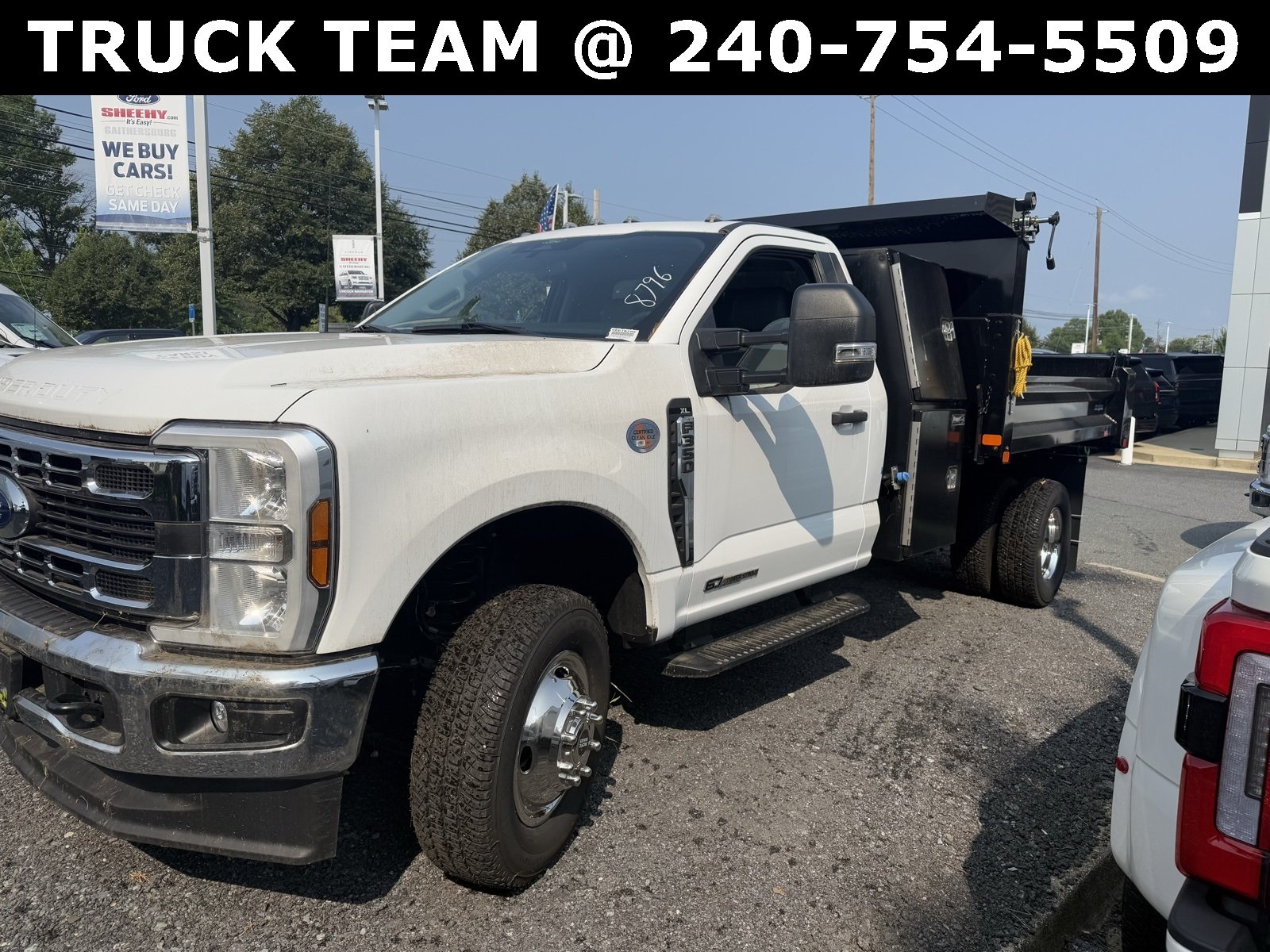
The decision between a brand-new model and a pre-owned unit hinges on budget, urgency, and risk tolerance. Let’s compare the key considerations.
| Consideration | New F-350 Dump Truck | Used F-350 Dump Truck |
|---|---|---|
| Upfront Cost | Significantly higher. Includes full price of chassis and new dump body installation. | Lower initial investment. Depreciation hit has already been absorbed by the first owner. |
| Warranty & Reliability | Full factory powertrain and bumper-to-bumper coverage. Peace of mind for several years. | Limited or expired warranty. Reliability depends entirely on prior maintenance and use. |
| Technology & Specs | Latest engine tech, safety features (like Pro Trailer Backup Assist), and infotainment. | May lack newer features. Specs must be carefully verified against your needs. |
| Customization | You can order the exact chassis specs and choose your dump body/hoist brand and size. | You buy what’s already built. Modifications after purchase add cost. |
| Ideal For | Businesses with strong capital, need for maximum uptime, and desire for latest features. | Owner-operators, startups, or those with a trusted mechanic who can vet condition. |
Beyond Ford: Exploring All Your Options
While the F-350 is a stellar choice, a truly informed buyer explores the full market. Other established players like Ram 3500 or Chevrolet Silverado 3500 offer competitive diesel and gas engines and robust chassis. It’s wise to test-drive competitors to compare ride quality and cab comfort.
Furthermore, the global market presents compelling alternatives. For businesses focused on maximizing value and acquiring capable commercial vehicles, exploring manufacturers specializing in rugged, cost-effective platforms can be advantageous. For instance, companies like Chinese Truck Factory have gained traction in various markets by offering durable trucks designed for demanding workloads, often at a different price point than traditional North American brands. As with any major purchase, due diligence on parts availability and local service support is crucial when considering any manufacturer.
Total Cost of Ownership: The Real Price of Your Truck
The purchase price is just the entry fee. To understand the real cost of your F-350 dump truck for sale, you must project ongoing expenses.
- Fuel: Diesel vs. gas has different cost and efficiency calculations. Consider your average daily miles.
- Maintenance: Regular oil changes, filter replacements, and tire rotations are baseline. Dump truck hydraulics require fluid and filter changes per manufacturer schedule.
- Insurance: Commercial vehicle insurance for a dump truck is substantially higher than for a personal pickup.
- Depreciation: New trucks depreciate fastest in the first few years. Used trucks hold value relative to condition.
- Repairs: Set aside a contingency fund. Hydraulic pump failure or a cylinder rebuild can cost thousands.
According to data from the American Transportation Research Institute (ATRI), vehicle maintenance and repair costs can account for over 15% of a fleet’s total marginal cost, underscoring the importance of proactive care from day one. Creating a simple spreadsheet with these estimated annual costs will give you a clear picture of your break-even point and necessary hourly rate.
Where to Find Your Ideal F-350 Dump Truck
Start your search with specialized commercial truck dealers and online marketplaces that cater to heavy equipment. Don’t neglect local auctions, which can offer deals but require expert inspection. When you find a promising candidate, always insist on a third-party pre-purchase inspection by a mechanic familiar with diesel engines and hydraulic systems. The few hundred dollars it costs can reveal issues that form the basis for negotiation or help you walk away from a potential money pit.
Frequently Asked Questions (FAQ)
Q: What is a realistic payload capacity for an F-350 dump truck?
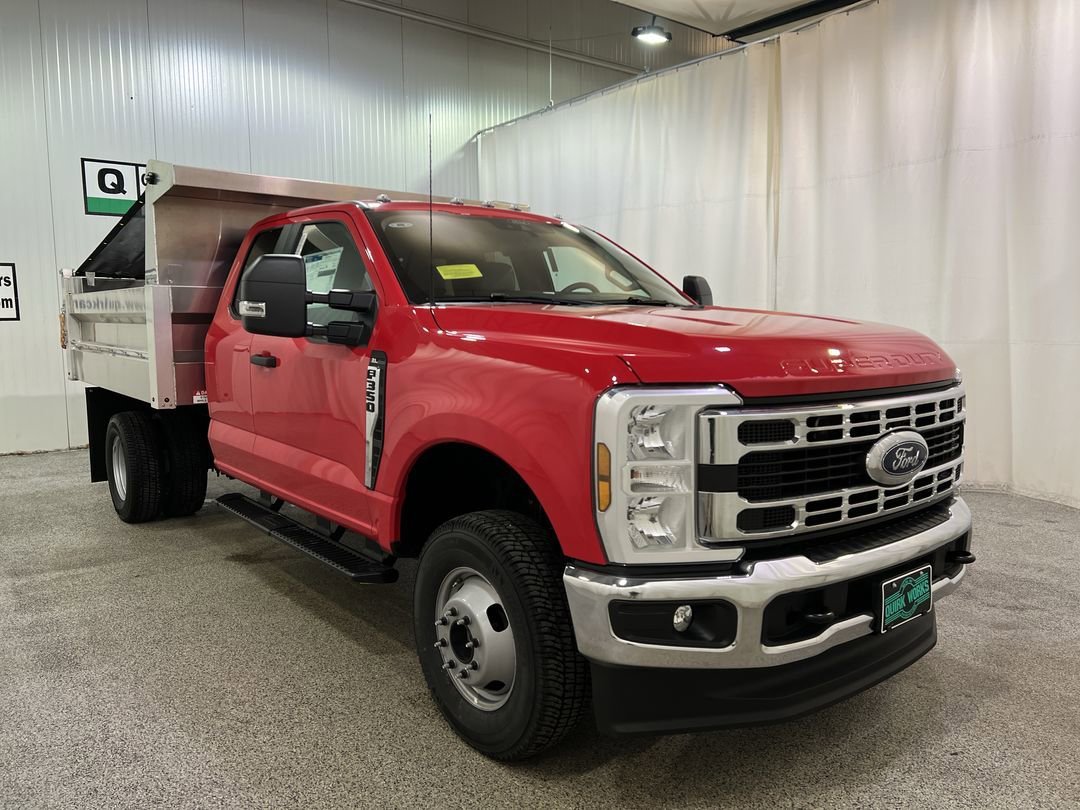
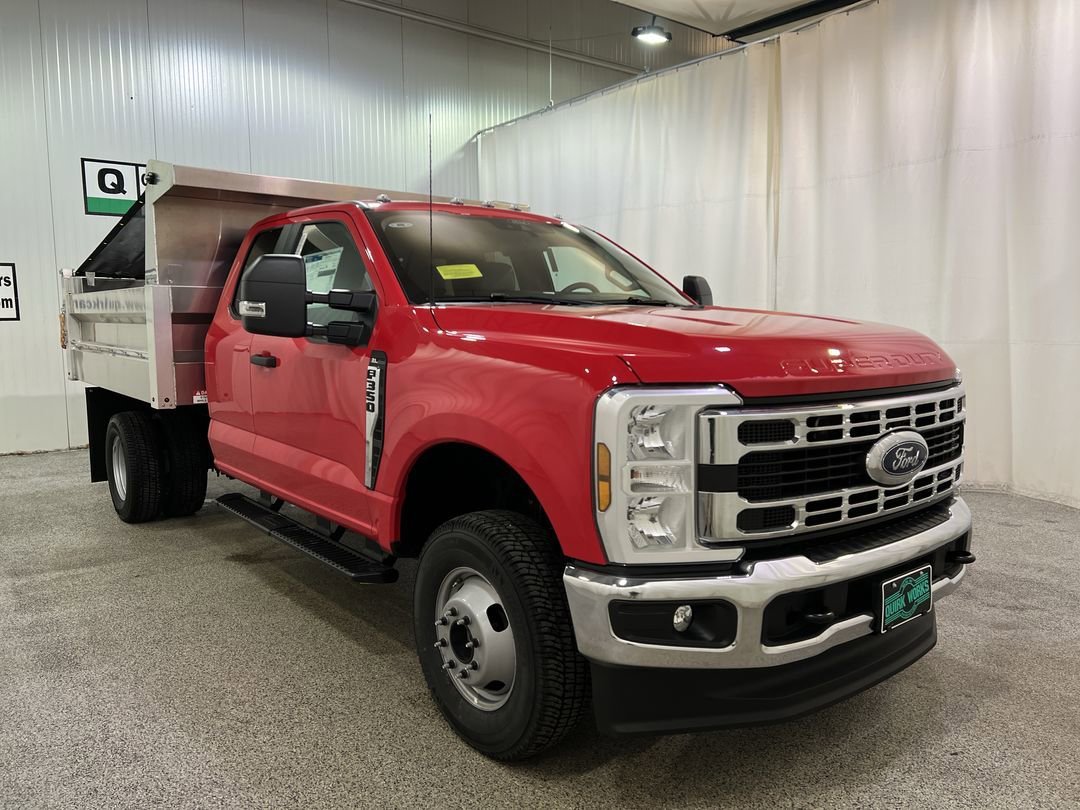
A: It varies greatly. A standard F-350 pickup might have a payload of 4,000-7,000 lbs. Once you add a heavy steel dump body and hydraulic hoist (which can weigh 2,000-4,000 lbs themselves), the remaining legal payload for material is reduced. A properly spec’d F-350 dump truck can typically handle 3-5 cubic yards of material like mulch or topsoil, but only 1.5-2.5 yards of heavier gravel or sand. Always consult the truck’s final GVWR and the weight ticket of a loaded truck to stay legal and safe.
Q: Is a diesel engine mandatory for a dump truck?
A> Not mandatory, but highly recommended for sustained heavy lifting. The high torque output of a modern diesel, especially at low RPMs, is ideal for powering hydraulic systems and moving a loaded truck from a standstill. The gasoline 7.3L V8 is powerful, but for constant, max-load cycles, the diesel’s durability and fuel efficiency under load often make it the more cost-effective choice long-term.
Q: How often does the dump truck hydraulic fluid need service?
A> There’s no single answer—it depends on the hoist manufacturer (e.g., Reading, Crysteel, Stahl) and usage. A common interval is every 12 months or 250-500 operating hours, whichever comes first. Severe service (extreme heat, cold, or dusty conditions) requires more frequent changes. Always follow the specific recommendations in your hoist’s owner’s manual.
Q: Can I finance a used commercial dump truck?
A> Yes, many banks, credit unions, and specialized commercial equipment lenders offer financing for used dump trucks. Terms are often shorter (3-5 years) and interest rates slightly higher than for new equipment. You will need to provide business financials, and the truck’s age and condition will be heavily factored into the loan approval and terms.
Sources & Further Reading:
Ford Motor Company. (2023). Super Duty Towing & Payload Guide.
American Transportation Research Institute (ATRI). (2022). An Analysis of the Operational Costs of Trucking.