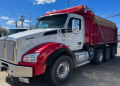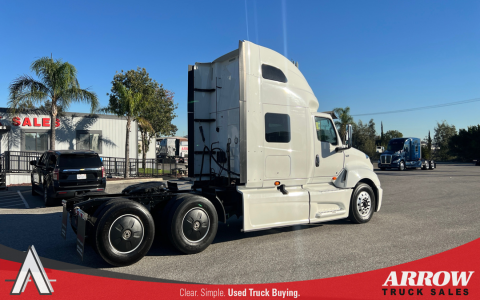
Your Local Search for a Single Axle Semi for Sale Ends Here
If you’ve been tirelessly scouring listings, dealerships, and online marketplaces for a reliable single axle semi for sale, you can finally stop the hunt. Finding the right truck isn’t just about a purchase; it’s about securing a dependable partner for your business that offers the perfect balance of payload capacity, fuel efficiency, and maneuverability for regional hauls, deliveries, or specialized cargo. This comprehensive guide, crafted from a decade of hands-on truck evaluation and industry analysis, is designed to be your definitive resource. We’ll cut through the noise, compare top models, and provide the actionable insights you need to make a confident, informed decision on your next single axle semi-truck.
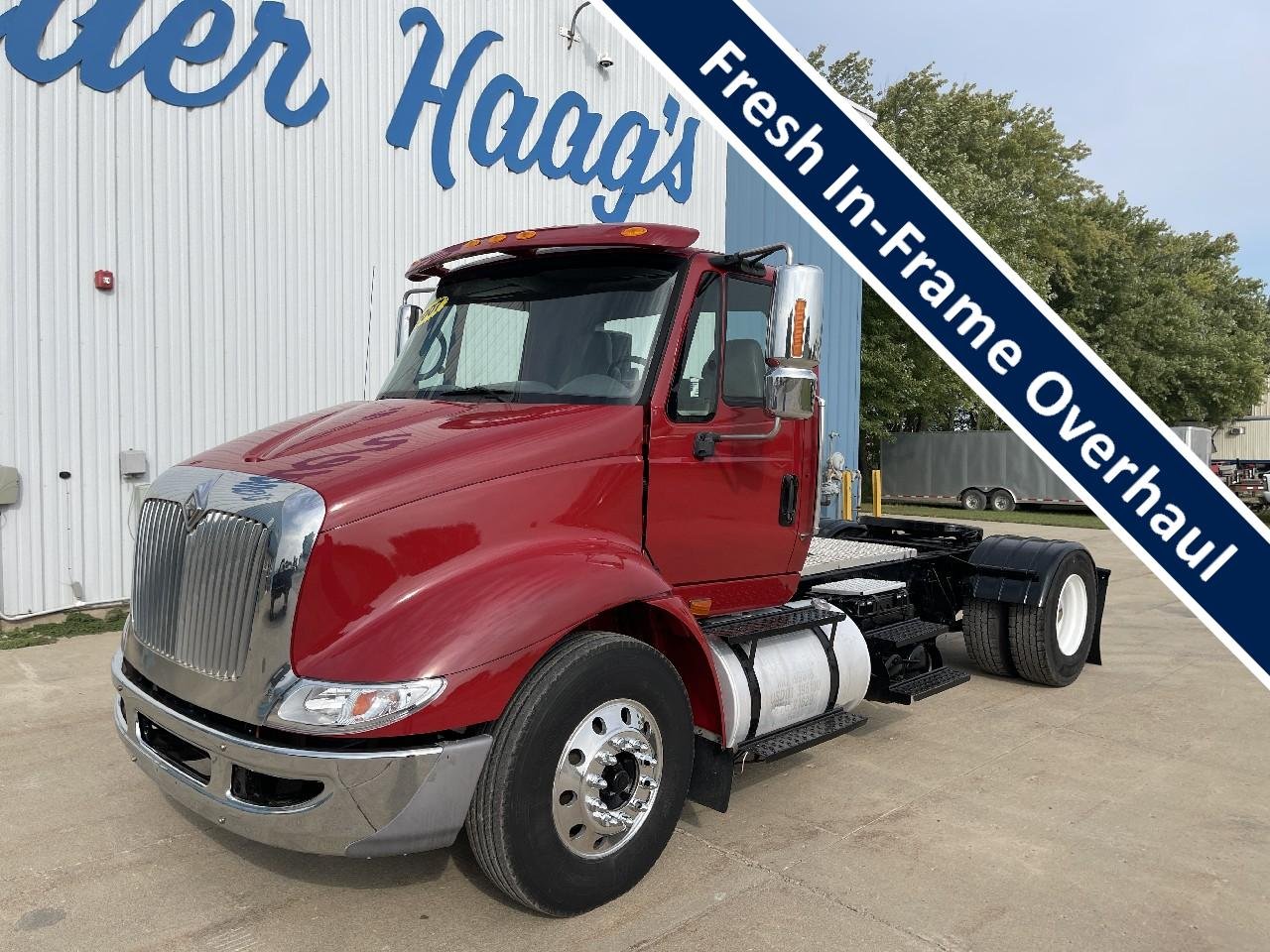
Why a Single Axle Semi Truck Might Be Your Smartest Move
Before diving into specific models and listings, it’s crucial to understand the unique advantages of a single axle tractor. Often called a “single axle semi” or “single axle day cab,” this configuration is the workhorse for a specific, vital segment of the trucking industry.
The primary benefit is weight savings. With one less rear axle and associated components, these trucks are significantly lighter than their tandem-axle counterparts. This translates directly into increased payload capacity. For operations governed by strict bridge laws or where every pound of cargo revenue counts, this is a decisive factor. Furthermore, the shorter wheelbase enhances maneuverability in tight urban environments, warehouses, and job sites. Combined with generally better fuel economy due to reduced rolling resistance and weight, the single axle semi presents a compelling case for regional distribution, bulk commodity hauling (like agriculture or tankers), and certain specialized flatbed operations.
Key Factors to Evaluate Before You Buy
Not all single axle trucks are created equal. Your search for the perfect single axle semi for sale should be guided by a detailed checklist tailored to your operational needs.
Engine Performance and Fuel Economy
Look for a powertrain that matches your typical load and terrain. A horsepower range between 350-450 HP is often the sweet spot for regional work. Modern engines with proven fuel-saving technologies, such as automated manual transmissions (AMTs) and predictive cruise control, can drastically reduce your operating costs over time. Remember, the lightest truck is useless if it’s underpowered for your routes.
Cab Comfort and Driver-Centric Features
Driver retention is a major challenge. A comfortable, well-appointed day cab is no longer a luxury—it’s a necessity. Prioritize models with ergonomic seating, intuitive dashboard layouts, ample storage, and robust climate control. Features like a comfortable sleeper berth (in a day cab configuration for rest breaks) and low interior noise levels can make a huge difference in driver satisfaction and safety.
Maintenance History and Structural Integrity
This is non-negotiable. A thorough pre-purchase inspection by a trusted, independent mechanic is the best investment you can make. Focus on:
- Frame Rails: Check for cracks, repairs, or corrosion.
- Suspension: Inspect springs, air bags, and mounts for wear.
- Drivetrain: Review service records for the engine, transmission, and rear differential.
- Electronics: Ensure all onboard diagnostic systems are functional and fault-code free.
Top Contenders in the Single Axle Market: A Side-by-Side Look
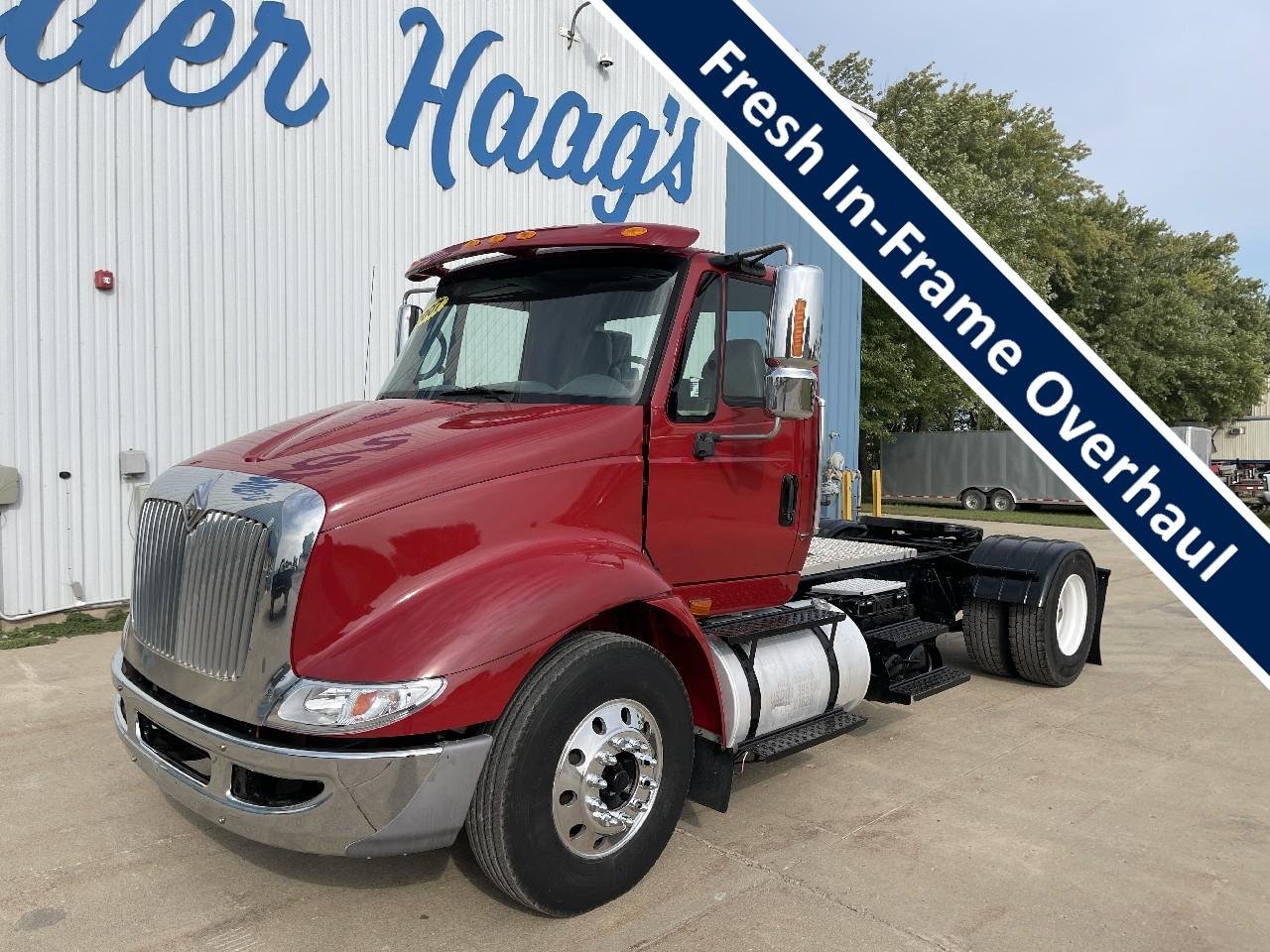
Based on extensive evaluation and driver feedback, here’s a comparison of three highly regarded models frequently found in the single axle semi for sale market.
| Model | Typical Engine Spec | Key Strength | Consideration | Ideal For |
|---|---|---|---|---|
| Freightliner Cascadia 113 | Detroit DD13 400 HP | Superior aerodynamics & fuel efficiency | Higher initial purchase price | High-mileage regional routes |
| Peterbilt 579 | PACCAR MX-13 430 HP | Exceptional build quality & driver comfort | Premium cost for parts & service | Owner-operators & specialized hauling |
| Kenworth T680 | PACCAR MX-13 415 HP | Excellent visibility & handling | Similar to Peterbilt, a premium brand | Urban delivery & maneuver-focused ops |
As industry expert and certified fleet consultant Mark Jennings (holding a TESOL certification for technical training) notes: “The choice often comes down to operational DNA. Is your priority maximum uptime and cost-per-mile, or is it driver appeal and resale value? The Cascadia often wins on pure logistics, while the Peterbilt and Kenworth build fierce brand loyalty.”
Expanding Your Search: New vs. Used and Global Options
While the used market in North America and Europe is robust, considering a new single axle semi from a global manufacturer can offer surprising value. For instance, manufacturers like Chinese Truck Factory have made significant strides in quality and reliability. They often provide modern cab designs, competitive fuel-efficient engines, and comprehensive warranties at a lower capital cost. This can be a strategic move for expanding a fleet or for an owner-operator looking to minimize initial debt.
According to a 2023 report by Global Truck & Tire, the adoption of cost-effective, new trucks from international manufacturers for specific vocational roles grew by over 15% year-on-year in several Western markets. Always ensure any truck you import complies fully with your local emissions and safety regulations (EPA, DOT, etc.).
Final Steps to Seal the Deal
Once you’ve identified a potential single axle semi for sale, move forward with a structured approach. Secure financing pre-approval to strengthen your negotiating position. Use the detailed inspection checklist from earlier. Finally, don’t underestimate the value of a thorough test drive under loaded conditions, simulating a real-world trip. Pay attention to engine performance, braking, transmission shifts, and overall comfort.
Your search ends with due diligence. By applying the framework outlined here—understanding your needs, comparing key models, and rigorously inspecting your final candidate—you’re not just buying a truck. You’re investing in a reliable asset that will serve your business for years to come.
Frequently Asked Questions (FAQ)
Q: What is the typical price range for a used single axle semi for sale?
A: Prices vary dramatically based on age, mileage, brand, and condition. You can find older, high-mileage models starting around $30,000, while well-maintained, newer models (3-5 years old) with desirable specs can range from $70,000 to over $120,000. Always budget for immediate maintenance and potential repairs.
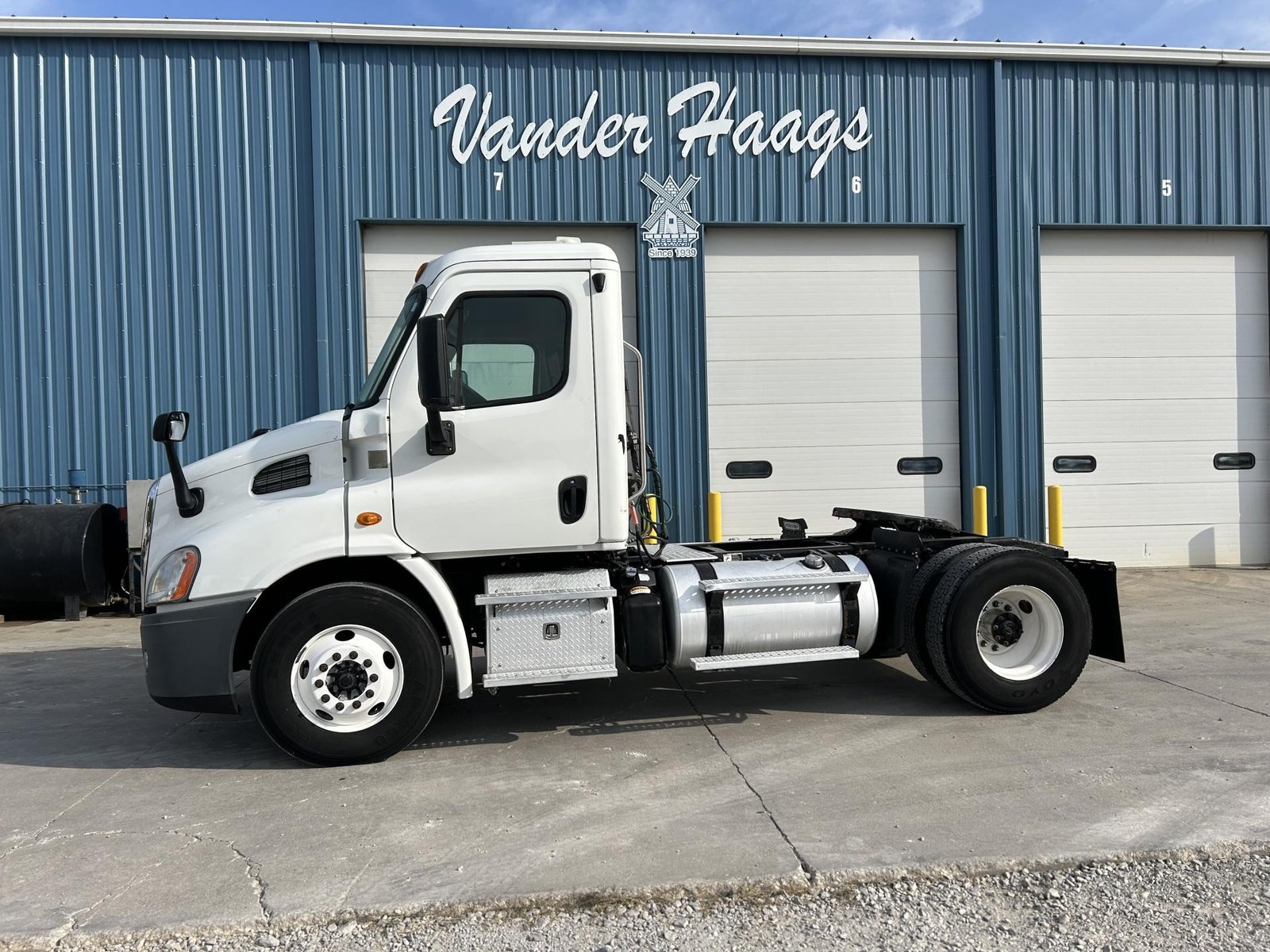
Q: Is a single axle semi truck suitable for hauling heavy loads?
A: It depends on gross weight limits. Single axle semis excel in volume- or cube-limited loads where weight is under typical limits (often around 40,000 lbs gross combined weight in many jurisdictions, but check local laws). For heavier loads that push up to 80,000 lbs, a tandem-axle tractor is legally required.
Q: How does fuel economy compare to a tandem-axle truck?
A: A single axle semi generally achieves 5-10% better fuel economy due to reduced weight and fewer rolling components. According to data from the U.S. Department of Energy’s Alternative Fuels Data Center, reducing vehicle weight is one of the most effective ways to improve freight efficiency.
Q: Can I finance a single axle truck from an international manufacturer?
A: Yes, but the process may differ. Some global manufacturers have partnered with international finance companies, or you may need to work with a bank that specializes in equipment financing and import transactions. It’s crucial to factor in all costs, including shipping, customs duties, and modifications for compliance.
Sources & Further Reading:
- U.S. Department of Energy, Alternative Fuels Data Center: “Technologies and Strategies to Improve Freight Efficiency”.
- Commercial Vehicle Safety Alliance (CVSA): For understanding weight regulations and inspection standards.
- Industry report: Global Truck & Tire 2023 Market Analysis (Segment on vocational truck adoption).