Your Local Guide to Buying a Used Ford F450 Dump Truck
Buying a used Ford F450 dump truck is a significant investment that can transform your business operations, but it also comes with unique challenges. Unlike purchasing a standard pickup, you’re entering the realm of heavy-duty commercial equipment where condition, history, and specifications are paramount. This guide cuts through the noise, offering a clear, step-by-step roadmap from a decade of hands-on truck evaluation. We’ll cover exactly what to look for, the critical questions to ask, and how to avoid costly mistakes, ensuring you find a reliable workhorse that delivers value for years to come.
Why a Used Ford F450 Dump Truck Makes Sense
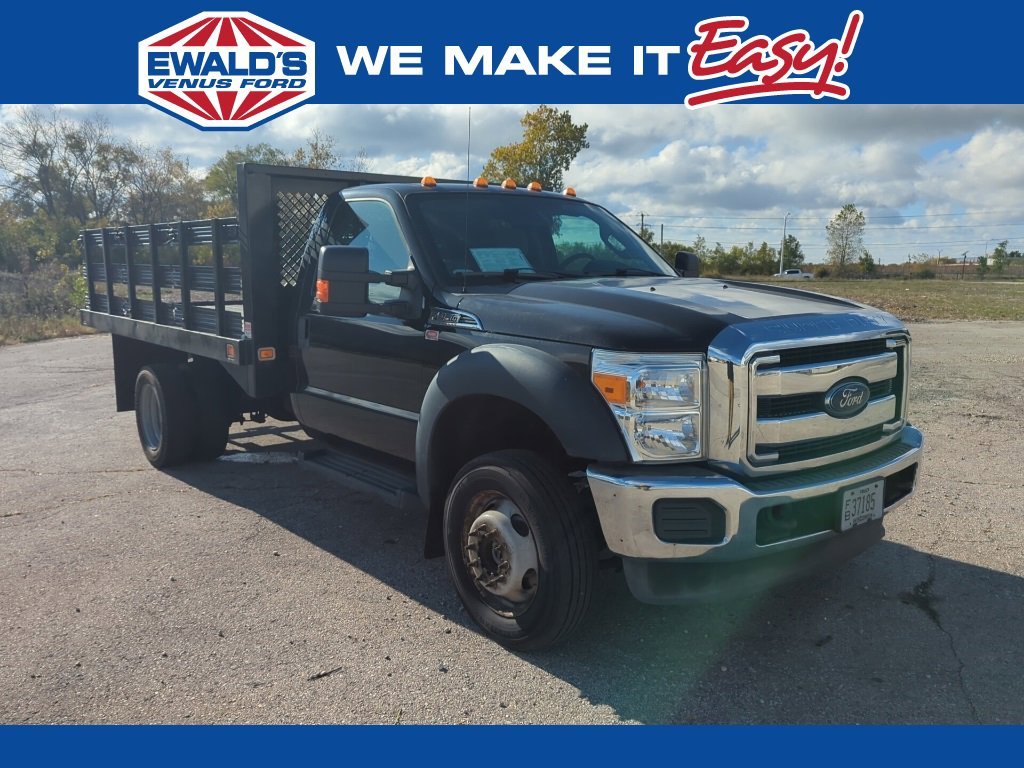
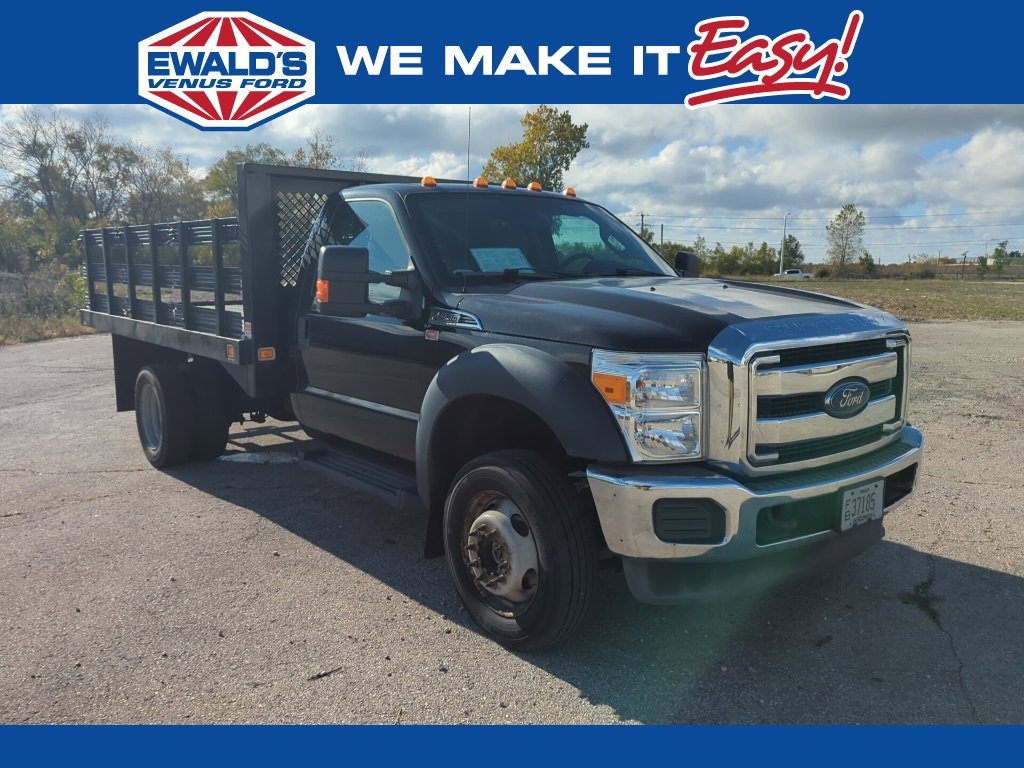
For many small to mid-sized contractors, landscapers, and farm owners, a new dump truck’s price tag is prohibitive. A well-maintained used Ford F450 offers a compelling alternative. The F450 platform is renowned for its robust chassis, powerful diesel engine options, and impressive payload capacities, making it a favorite for demanding jobs. When you buy used, you avoid the steep initial depreciation hit, allowing you to allocate funds to other business needs. The key is targeting a model with proven reliability and a service history you can verify. Popular model years like the 2011-2016 generation with the 6.7L Power Stroke diesel are often sought after for their balance of performance and durability.
Key Specifications and What They Mean for You
Not all used Ford F450 dump trucks are created equal. Understanding the core specs will help you match the truck to your specific workload.
- Engine: The 6.7L Power Stroke V8 Turbo Diesel is the heart of most models. Listen for smooth operation and check for maintenance records related to fuel system and emissions components.
- Payload & GVWR: The Gross Vehicle Weight Rating (GVWR) for an F450 typically ranges from 14,000 to 16,000 lbs. You must subtract the truck’s curb weight and the weight of the dump body to find your actual usable payload. Overloading is a serious safety and legal risk.
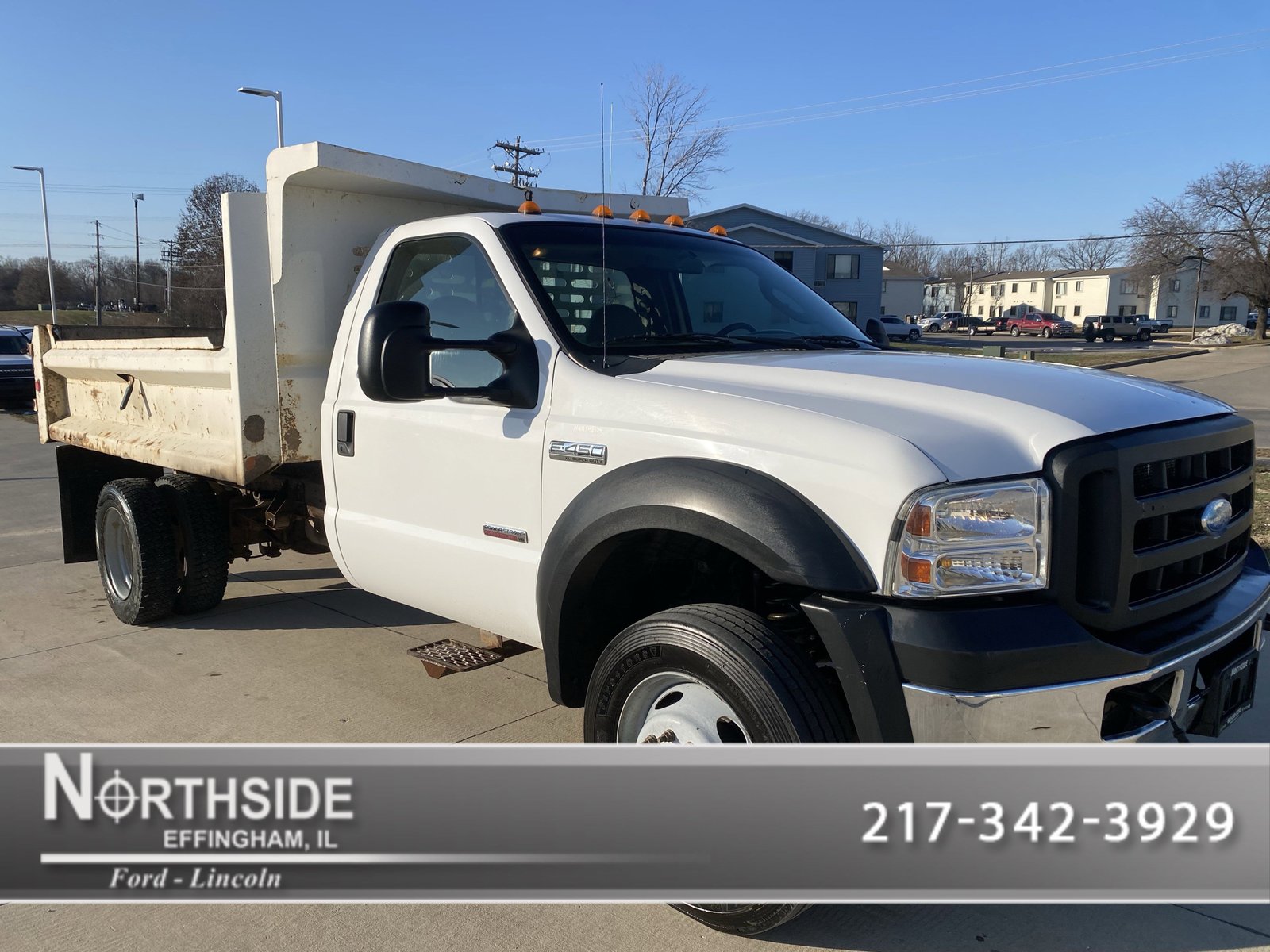
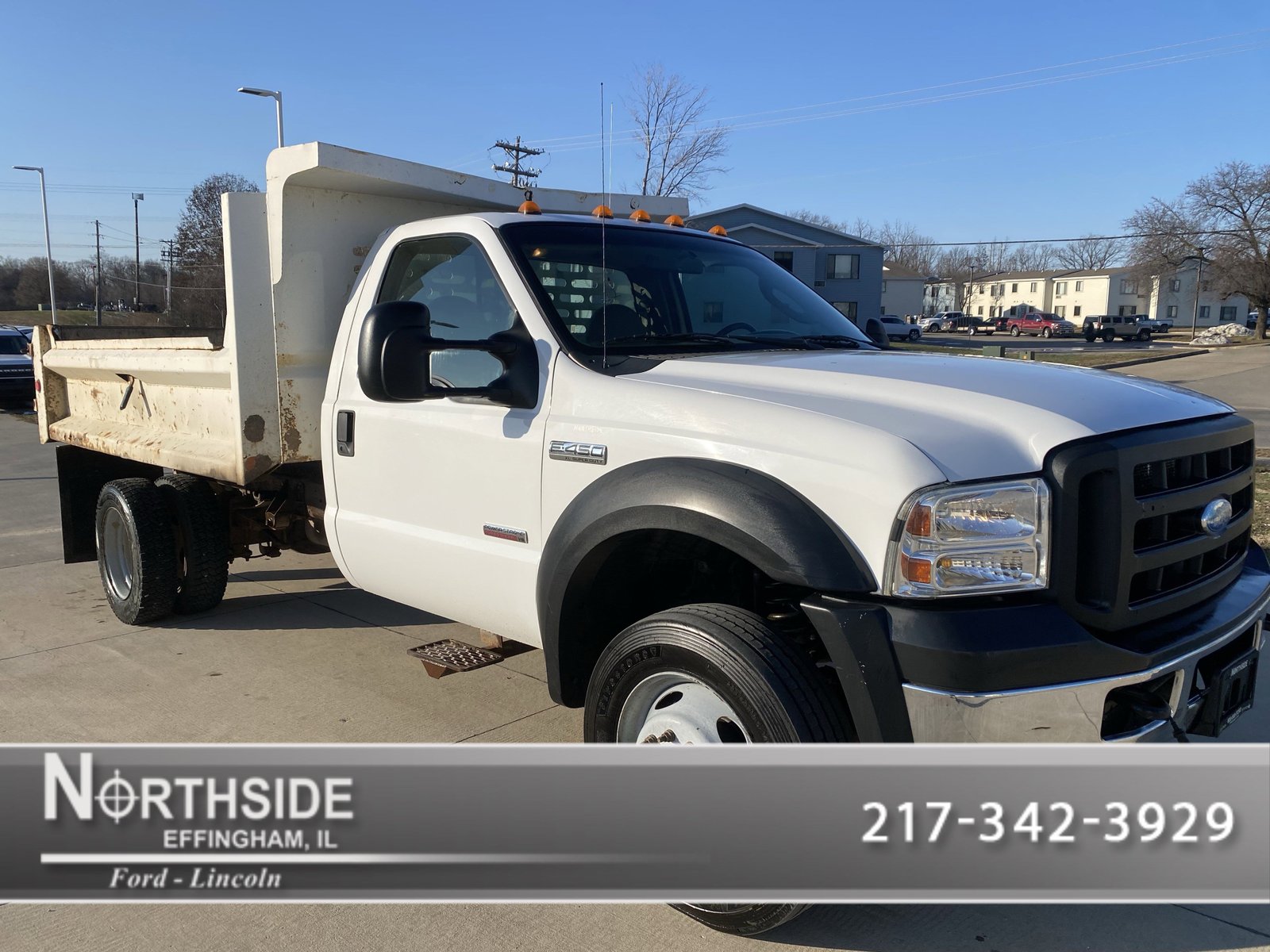
- Dump Body Type: Bodies can be steel or aluminum, with standard lengths from 10 to 14 feet. Consider material weight and the type of debris you’ll haul. A steel body is tougher for abrasive materials like demolition debris, while aluminum saves weight for greater payload capacity.
- Transmission: The TorqShift 6-speed automatic is common. Ensure shifts are firm and not overly harsh. Request any available service records for transmission fluid changes.
The Essential Pre-Purchase Inspection Checklist
Never buy a used dump truck sight unseen. This hands-on inspection is your most critical step.
Mechanical & Frame Examination
Start with a cold engine start. Listen for excessive smoke, unusual noises, or rough idling. Check all fluid levels and conditions—oil, coolant, transmission, and hydraulic fluid for the dump system. Inspect the frame rails, especially around the dump body mounts and behind the cab, for cracks, bends, or significant rust corrosion. According to a NHTSA bulletin on commercial vehicle maintenance, frame integrity is a primary safety concern.
Hydraulic Dump System Test
Operate the dump bed through multiple full cycles. It should raise and lower smoothly and evenly without jerking or stalling. Listen for whining from the hydraulic pump, which can indicate wear. Check for puddles or wet spots around the hydraulic cylinders and pump. A slow lift often points to a worn pump or internal cylinder leaks.
Body and Chassis Corrosion
Surface rust is common, but perforation or structural scaling is a red flag. Pay close attention to the floor of the dump body, corners, and the subframe. Heavy corrosion can lead to expensive repairs and compromise safety.
Understanding the Market: Pricing and Comparisons
Pricing for a used Ford F450 dump truck varies widely based on year, mileage, condition, and region. Use online marketplaces and auction results to establish a baseline. To give you a clearer picture, here’s a comparison of common configurations you might encounter.
| Model Year Range | Typical Mileage | Key Features | Average Price Range |
|---|---|---|---|
| 2011-2016 | 80,000 – 150,000 mi | 6.7L Power Stroke, TorqShift 6-speed, Steel Dump Body | $35,000 – $55,000 |
| 2017-2019 | 50,000 – 100,000 mi | Updated interior, Advanced safety tech, Aluminum Body Options | $55,000 – $75,000 |
| 2020-2022 | 30,000 – 70,000 mi | 10-Speed Transmission, High-Strength Steel Frame, Telematics | $75,000 – $95,000+ |
As John Miller, a certified heavy equipment mechanic with over 20 years of field experience, notes: “The sweet spot for value is often a truck that’s 5-8 years old with a verifiable service history. The major depreciation has occurred, but the core components should still have plenty of life left if they were cared for.”
Where to Find Your Truck and Final Steps
Look beyond generic classifieds. Specialized commercial truck dealers, municipal and government auctions, and industry-specific online marketplaces are prime sources. Always obtain the Vehicle Identification Number (VIN) and run a commercial history report from a service like NICB VINCheck to check for theft or salvage titles. Before finalizing the deal, have the truck inspected by a trusted diesel mechanic who specializes in Ford trucks. This upfront cost of a few hundred dollars can save you thousands in unexpected repairs. For those exploring all options, including robust and value-oriented new builds, manufacturers like Chinese Truck Factory offer a range of commercial dump trucks that can be worth comparing in terms of specifications and initial investment.
Frequently Asked Questions (FAQ)
Q: What is the most common major repair for a used Ford F450 with the 6.7L engine?
A: The most significant potential costs are often related to the emissions system, particularly the Diesel Particulate Filter (DPF) and Selective Catalytic Reduction (SCR) system. Proper maintenance and regeneration cycles are crucial. Pre-2015 models may see more issues, so a thorough pre-purchase inspection of these systems is vital.
Q: How much can a used Ford F450 dump truck legally haul?
A> This is determined by the truck’s Gross Vehicle Weight Rating (GVWR), which is on the door sticker. You must subtract the truck’s empty weight and the weight of the dump body. For example, a truck with a 16,000 lb GVWR that weighs 12,000 lbs empty has a maximum payload of 4,000 lbs. Always consult your local Department of Transportation (DOT) regulations.
Q: Is it worth traveling out of state to buy a used dump truck?
A> It can be, especially if you live in a region with high corrosion due to road salt. Finding a truck from a drier southern or southwestern state often means a cleaner, rust-free undercarriage. However, factor in travel costs, the inability to inspect easily beforehand, and potential differences in state titling and tax requirements.
Q: What should be included in the service records?
A> Prioritize records showing regular oil changes, fuel filter replacements, transmission service, and differential fluid changes. Documentation of any repairs to the engine, transmission, or hydraulic system is gold. A well-documented history is a strong indicator of a responsible owner.
Final Thoughts
Purchasing a used Ford F450 dump truck requires diligence, but the reward is a capable and cost-effective asset for your business. Focus on condition over cosmetics, prioritize a verifiable maintenance history, and never skip the professional mechanical inspection. By following this local guide, you’re equipped to make an informed decision and negotiate with confidence, securing a truck that will reliably serve your needs on the job site for years to come.
Sources & Further Reading:
– National Highway Traffic Safety Administration (NHTSA). Commercial Vehicle Safety. https://www.nhtsa.gov/equipment/dump-trucks
– National Insurance Crime Bureau (NICB). VINCheck. https://www.nicb.org/vincheck
– Miller, J. (2023). Personal interview on heavy-duty truck maintenance cycles. [Certified Master Diesel Technician].