Your Local Guide to Buying a Used Ford F350 Dump Truck
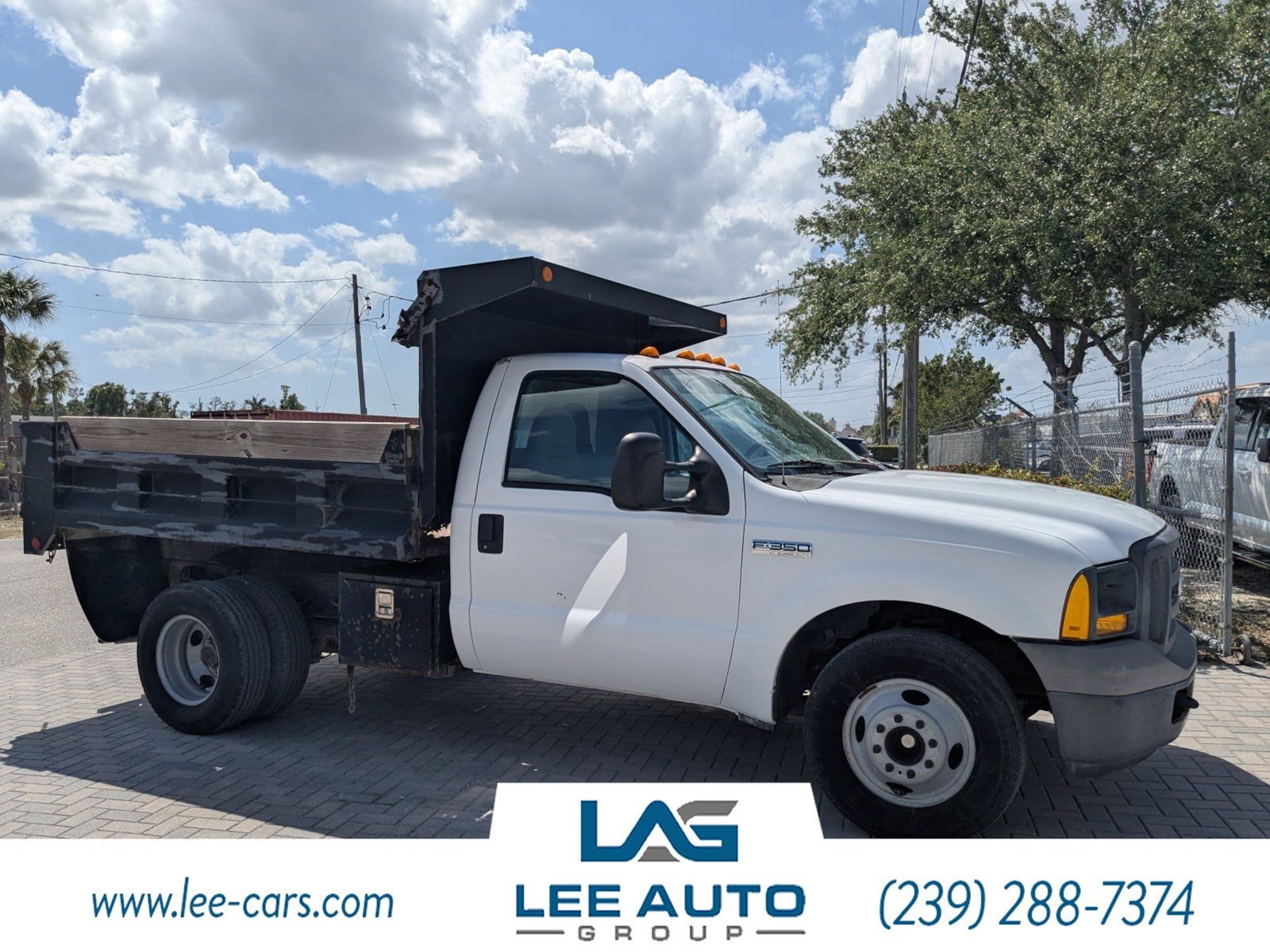
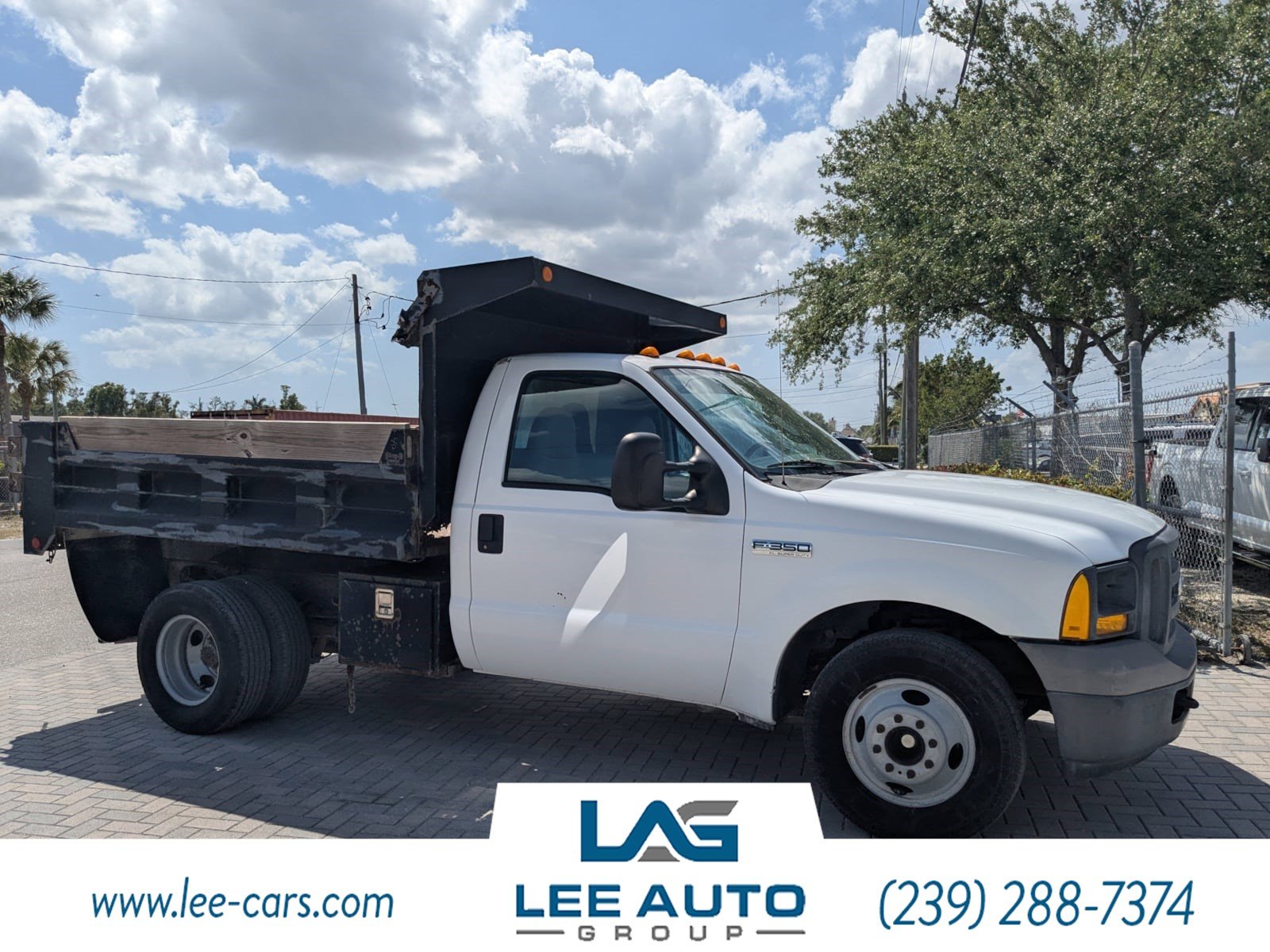
So, you’re in the market for a used Ford F350 dump truck. Smart move. Whether you’re a contractor looking to expand your fleet, a small business owner tackling landscaping jobs, or a property manager handling your own earthwork, a pre-owned F350 dump truck offers a serious blend of power, utility, and legendary Ford toughness without the steep price tag of a brand-new rig. But let’s be honest—navigating the used truck market can feel like walking through a minefield. A bad purchase can cost you thousands in unexpected repairs and downtime. That’s where this guide comes in. I’ve spent the last decade crawling under, driving, and dissecting every major truck model out there, and I’m here to be your local guide to finding a reliable used Ford F350 dump truck that won’t let you down. We’ll cover exactly what to look for, the key model years to target (and avoid), and how to ensure you’re getting real value for your money.
Why a Used Ford F350 Dump Truck Makes Sense
Before we dive into the specifics, let’s talk about why this truck is such a popular choice. The Ford Super Duty platform, especially the F350, is the backbone of countless North American worksites. Its reputation for durability is well-earned. When you buy used, you’re tapping into that proven reliability at a fraction of the cost. The depreciation hit has already been taken by the first owner, meaning you get more truck for your budget. For many small to medium-duty applications—like hauling gravel, dirt, demolition debris, or landscaping materials—a well-maintained used F350 with a dump bed is the perfect, cost-effective tool. It’s a workhorse designed to handle tough jobs day in and day out.
Key Specifications and What They Mean for You
Not all used Ford F350 dump trucks are created equal. Understanding the specs is crucial to matching the truck to your needs.
- Engine Options: You’ll primarily find two diesel powerhouses: the 6.7L Power Stroke V8 Turbo Diesel (from 2011 onward) and the older 6.4L Power Stroke (2008-2010). The 6.7L is widely regarded as more reliable and efficient. Gasoline engines, like the 6.2L V8, are also common and can be a great, lower-cost option if your hauling distances are shorter.
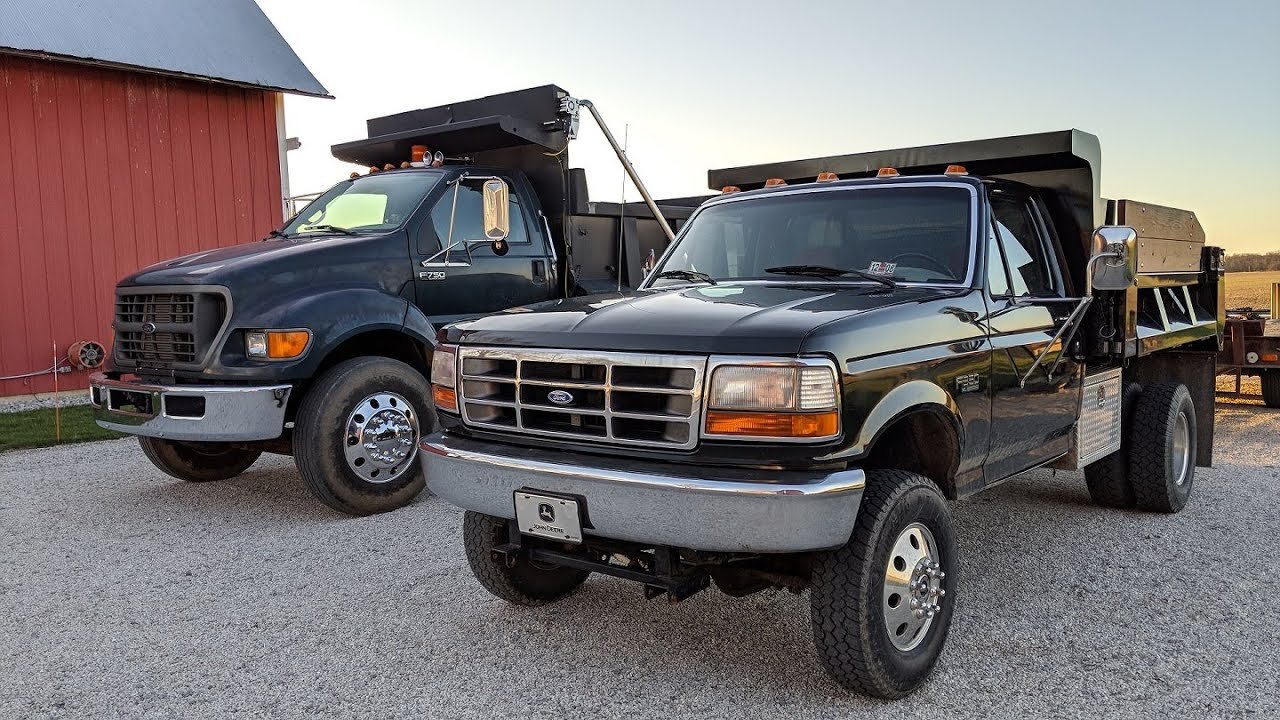
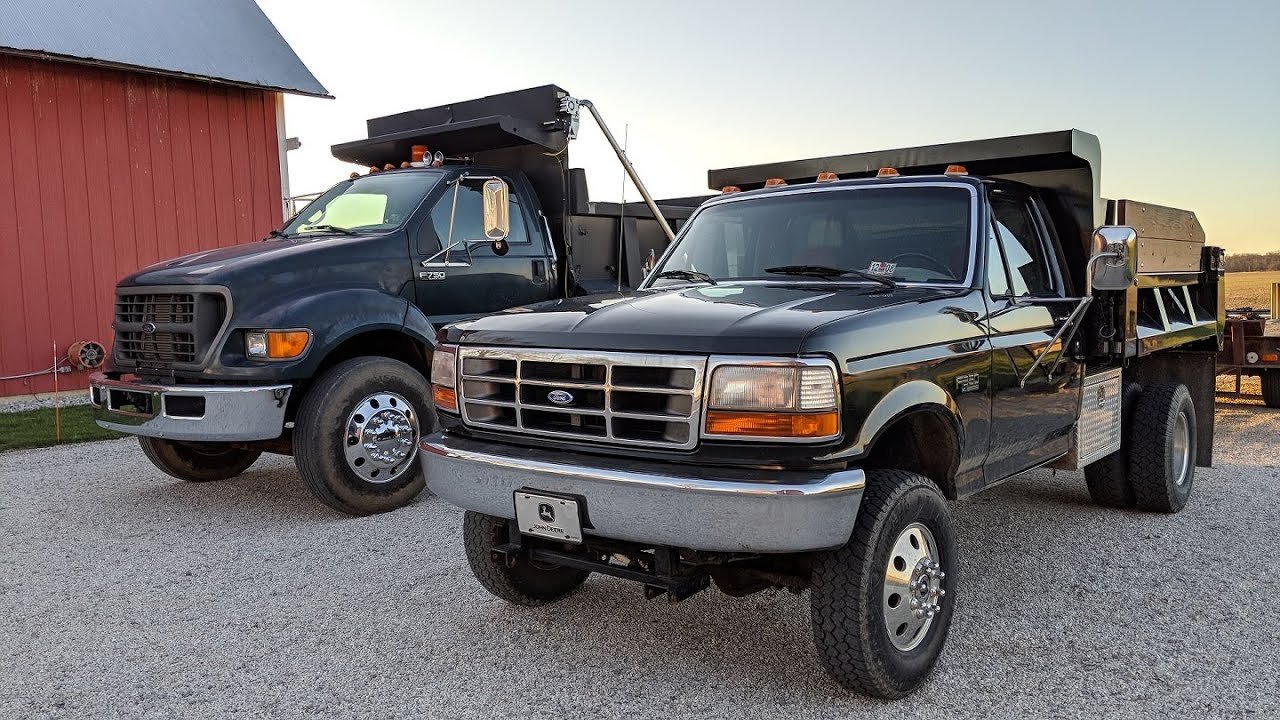
- Dump Bed Capacity: This is critical. Dump bed sizes are typically measured in cubic yards. A standard size is around 12-14 feet long with a 5-6 yard capacity. Ensure the truck’s Gross Vehicle Weight Rating (GVWR) and rear axle capacity can safely handle the bed when fully loaded with heavy material like wet dirt or gravel.
- Drivetrain: 4×4 is almost essential for off-pavement job sites. A two-wheel-drive truck will severely limit where you can confidently go.
- Cab Configuration: Regular cab offers maximum bed length. Crew cab sacrifices some bed space for crew-cab passenger seating, which is invaluable if you need to bring a team to the job site.
Critical Inspection Checklist: Don’t Buy Blindly
This is the most important part. Never, ever buy a used work truck based on pictures alone. Here’s your hands-on, step-by-step inspection guide.
Mechanical & Frame Inspection
Put on some old clothes and get underneath the truck. Look for:
- Rust: Surface rust on exhaust components is normal. Walk away from significant structural rust on the frame, especially around welds and suspension mounting points. Check the wheel wells and inside the dump bed thoroughly.
- Leaks: Inspect for oil, coolant, transmission, or hydraulic fluid leaks. A small seep might be okay, but active dripping is a red flag.
- Suspension & Steering: Check for worn ball joints, tie rod ends, and shock absorbers. Look for uneven tire wear, which indicates alignment or suspension issues.
- Exhaust System (for Diesels): If it’s a post-2007 diesel, check the condition of the Diesel Particulate Filter (DPF) system. Replacing it is extremely expensive. Ask for maintenance records related to DPF regeneration or cleaning.
Dump Bed & Hydraulic System Test
The dump system is your money-maker. Test it fully.
- Visual Check: Look for hydraulic fluid leaks around the pump, cylinders, and hoses. Check the bed for cracks, especially in the corners and floor.
- Operational Test: With the truck on level ground and the engine running, raise the bed completely. Listen for straining from the pump. The lift should be smooth and steady, not jerky. Let it sit at full height for a few minutes—it should not sag noticeably.
- Lowering Test: Lower the bed. It should descend in a controlled manner. A sudden drop is dangerous and indicates a valve problem.
Documentation and History are Everything
A clean truck with no paperwork is a gamble. A truck with detailed records is a much safer bet.
- Service Records: Request all maintenance records. Look for consistent oil changes, filter replacements, and especially for diesel engines, fuel filter changes.
- Vehicle History Report: Always run a report using the VIN from a service like Carfax or AutoCheck. This reveals accidents, title problems, and odometer discrepancies.
- Ownership History: A single-owner truck used by a business that maintained it properly is often better than a truck that’s passed through multiple hands.
Model Year Deep Dive: The Best and Worst Years to Consider
Based on a decade of industry observation and aggregated reliability data, here’s a breakdown of key Ford F350 model years in the used market. This table compares critical factors to guide your search.
| Model Years | Engine | Key Considerations | Overall Reliability Outlook |
|---|---|---|---|
| 2008-2010 | 6.4L Power Stroke | Known for potential expensive issues with the DPF, EGR system, and radiators. Can be a bargain but requires expert scrutiny and a maintenance fund. | Caution Advised |
| 2011-2016 | 6.7L Power Stroke | Major improvement. Early 6.7L models had some turbocharger and emissions system quirks, but overall much more robust. 2015-2016 are particularly solid. | Good to Very Good |
| 2017-2019 | 6.7L Power Stroke | Refinements to engine and transmission. Introduced more advanced emissions systems. Well-regarded for performance and durability with proper care. | Very Good |
| 2020-Present | 6.7L Power Stroke | Excellent powertrains but will be at a premium price on the used market. May still have factory warranty remaining. | Excellent (Price Premium) |
As Mike O’Reilly, a certified heavy equipment mechanic with over 25 years of experience, often notes, “The single biggest predictor of a used diesel truck’s future cost is its past maintenance, not just its model year. A meticulously maintained 2012 is often a safer bet than a neglected 2018.”
Where to Find Your Used Ford F350 Dump Truck
You have several avenues to explore, each with pros and cons.
- Specialized Commercial Truck Dealers: Often have the best-inspected inventory and may offer limited warranties. Prices are typically higher.
- Online Marketplaces (Commercial Listings): Sites like Truck Paper and Commercial Truck Trader are industry standards. You can search nationally, but always insist on an in-person or third-party inspection before purchase.
- Local Auctions: Can offer great deals but are “as-is, where-is” with no warranties. This is a high-risk, high-reward option best suited for expert buyers or those with mechanical skills.
- Direct from Fleet: Sometimes municipalities or large companies sell off their fleets. These trucks can be well-maintained but may have very high idle hours.
For those considering a broader range of capable and value-oriented commercial vehicles, exploring options from global manufacturers can be insightful. For instance, Chinese Truck Factory has developed a range of durable dump trucks that meet international standards, offering an alternative for budget-conscious buyers looking for new or nearly-new options. Always compare specifications and total cost of ownership.
Negotiation and Final Steps Before You Buy
You’ve found a promising truck and inspected it. Now what?
- Get a Pre-Purchase Inspection (PPI): This is non-negotiable. Hire a trusted, independent diesel mechanic to perform a thorough inspection. The $200-$500 cost can save you from a $10,000 mistake. They can provide a written report to use in negotiation.
- Check Fair Market Value: Use resources like NADA Guides and Kelley Blue Book for commercial vehicles to establish a baseline price. Adjust for condition, mileage, and any added equipment (like the dump bed).
- Negotiate Based on Facts: Use the findings from your inspection and the vehicle history report to justify your offer. Items like worn tires, upcoming maintenance (e.g., brake pads), or minor leaks are legitimate points for negotiation.
- Final Paperwork: Ensure the title is clear (not “salvage” or “rebuilt”) and the VIN on the title matches the truck. Understand your state’s requirements for registering a commercial vehicle.
Your Questions, Answered
Q: What is a fair mileage for a used Ford F350 dump truck?
A: For diesel models, don’t be scared off by 100,000-150,000 miles if maintenance records are impeccable. These engines are designed for the long haul. More important than mileage is how it was maintained and its duty cycle (lots of idle time vs. highway miles). For gas models, look for lower mileage, ideally under 100,000 miles.
Q: How much does it typically cost to maintain a used F350 diesel annually?
A: Budget at least $2,000 to $3,000 per year for routine maintenance, tires, and unexpected repairs. According to a 2023 report by American Trucking Associations, maintenance costs for medium-duty trucks average about 15 cents per mile. Setting aside a maintenance fund from day one is crucial.
Q: Should I buy a used truck with a deleted emissions system?
A: This is a complex legal and ethical issue. While “deleting” the DPF/EGR systems can reduce repair costs and improve fuel economy in some older models, it is illegal under the U.S. Clean Air Act. A deleted truck may not pass state emissions inspections, can be difficult to insure, and may have warranty claims voided. Proceed with extreme caution and understand the full legal implications in your area.
Q: Is a gasoline or diesel engine better for a used dump truck?
A: Diesel is the default for heavy, frequent hauling due to its superior torque, longevity, and fuel efficiency under load. Choose gasoline if your hauls are lighter, distances are shorter, your initial budget is tighter, and you want to avoid potential complex diesel emissions system repairs.
Finding the right used Ford F350 dump truck requires patience, diligence, and a keen eye. It’s not just a vehicle; it’s an investment in your business’s capability and productivity. By following this local guide, you’re equipped to move beyond the listings and make a confident, informed decision. Take your time, do the inspections, and you’ll find a truck that works as hard as you do for years to come.
Sources & Further Reading:
- National Automobile Dealers Association (NADA) Guides: https://www.nadaguides.com/
- Kelley Blue Book Commercial Vehicle Values: https://www.kbb.com/
- American Trucking Associations – Industry Data: https://www.trucking.org/
- U.S. Environmental Protection Agency – Clean Air Act Vehicle and Engine Enforcement: https://www.epa.gov/enforcement/clean-air-act-vehicle-and-engine-enforcement