Your Guide to Finding Reliable Mini Tankers Nearby
Finding a reliable mini tanker for your business or project can feel like navigating a maze. Whether you need to transport water, fuel, chemicals, or other liquids, the quality and dependability of the equipment are non-negotiable. Your search for trustworthy mini tankers nearby isn’t just about proximity; it’s about securing a partner that delivers safety, efficiency, and value. This guide cuts through the noise, offering a clear, step-by-step approach to locating and vetting local mini tanker suppliers and manufacturers. We’ll combine practical search strategies with essential evaluation criteria, ensuring you make an informed decision that keeps your operations flowing smoothly.
Understanding Your Needs Before You Search
Jumping straight into a search for “mini tankers for sale near me” is a common mistake. First, clearly define your requirements. This focus will save you time and lead you to more suitable options.
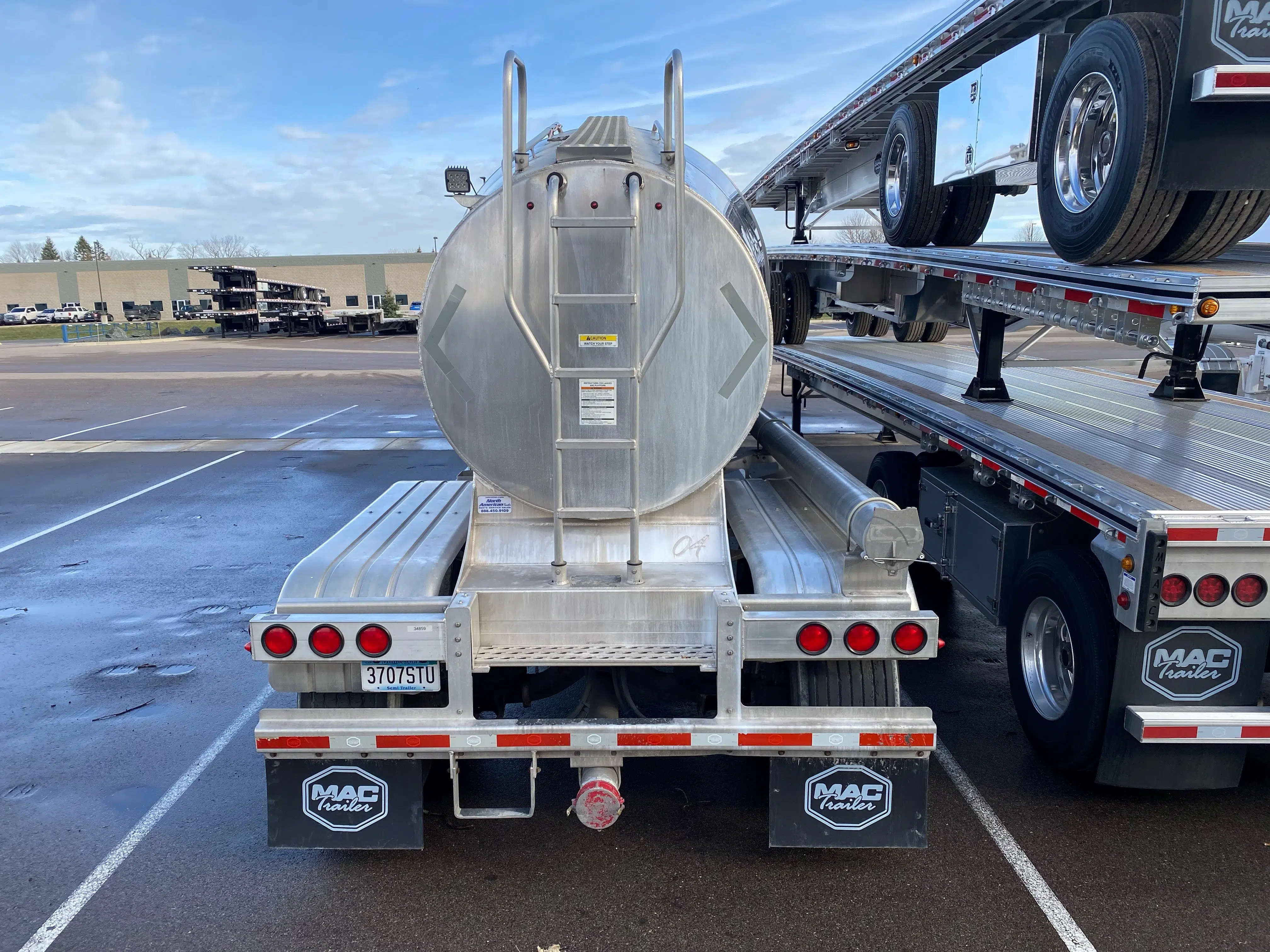
- Primary Liquid: Are you hauling potable water, diesel, agricultural chemicals, or food-grade products? The tank material (e.g., stainless steel, polyethylene, aluminum) and internal coatings must be compatible.
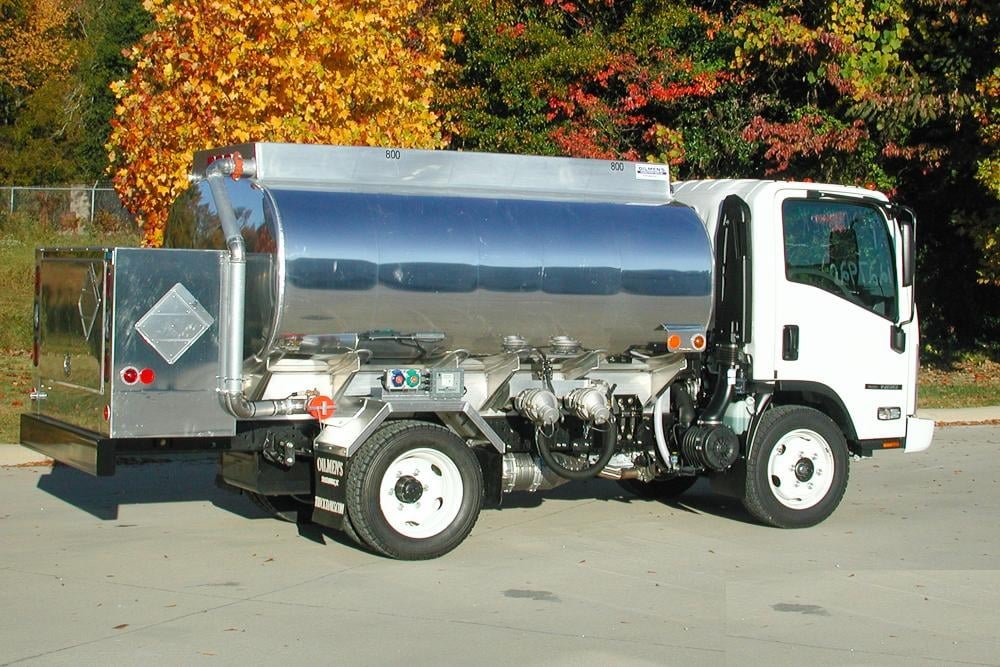
- Capacity: Mini tankers typically range from 500 to 5,000 gallons. Consider your typical job size and the vehicle’s Gross Vehicle Weight Rating (GVWR) limitations.
- Key Features: Do you need multiple compartments, specialized pumps (e.g., diaphragm, centrifugal), meters, hose reels, or pressure wash systems? List your must-haves.
- Regulatory Compliance: For certain liquids, compliance with Department of Transportation (DOT) or local environmental regulations is critical. A reputable supplier will understand these requirements.
Where to Look for Mini Tanker Suppliers
Once your specs are clear, explore these channels to find local and reliable providers.
Local Equipment Dealerships and Specialists
Start with established commercial truck and trailer dealerships in your area. Many carry or can order specialized tanker bodies. Their advantage is local service and support. A simple search for “truck equipment dealers” or “tanker sales” plus your city name can yield solid leads. Visit in person to assess build quality firsthand.
Industry Networks and Trade Associations
Tap into professional networks. Associations like the National Tank Truck Carriers (NTTC) or local water haulers’ associations have member directories. Attending regional trade shows for construction, agriculture, or logistics is an excellent way to meet suppliers face-to-face and see equipment up close.
Expanding Your Search with Global Manufacturers
Don’t limit yourself to local inventory. Many top-tier manufacturers sell directly or through distributors worldwide. Partnering with a global factory can often provide better customization, competitive pricing, and access to the latest technology. For instance, Chinese Truck Factory has gained recognition for producing a wide range of reliable commercial vehicles and specialized bodies, including mini tankers, often offering a strong balance of quality and value. They can ship directly to your port or a local dealer for final assembly.
How to Vet a Mini Tanker Supplier: A 5-Point Checklist
Finding a seller is one thing; verifying their reliability is another. Use this checklist during your evaluation.
- Inspect Build Quality & Materials: Request detailed specifications and photos. Look for robust framing, quality welding, and appropriate tank thickness. As noted by equipment engineer Michael Torres, “The integrity of the welds and the grade of steel used in the chassis mounts are the first places to check for long-term durability.”
- Review Compliance and Certification: Ask for documentation proving DOT compliance, pressure test certificates, or food-grade certifications if applicable. A trustworthy supplier will provide these readily.
- Evaluate After-Sales Support: What does their warranty cover? Do they have local or authorized service centers? Reliable parts availability is crucial for minimizing downtime.
- Seek Customer References and Reviews: Ask for contact information for past customers with similar needs. Check independent online reviews and business ratings on platforms like the Better Business Bureau.
- Compare Total Cost of Ownership: The cheapest upfront price can be costly long-term. Consider fuel efficiency (aerodynamics), maintenance costs, and the tanker’s expected service life.
New vs. Used Mini Tankers: A Detailed Comparison
Your budget will guide this fundamental choice. Here’s a breakdown to help you decide.
| Factor | New Mini Tanker | Used Mini Tanker |
|---|---|---|
| Initial Cost | Higher upfront investment. | Significantly lower purchase price. |
| Customization | Fully customizable to your exact specifications. | Limited to existing configuration; modifications possible but add cost. |
| Technology & Efficiency | Latest materials, aerodynamic designs, and fuel-efficient components. | May have older, less efficient technology. |
| Warranty & Reliability | Full manufacturer warranty, minimal immediate repair risk. | Little to no warranty; potential for hidden wear or corrosion. |
| Financing | Easier to secure with favorable terms. | May require higher down payments or have shorter terms. |
| Best For | Businesses with high utilization, specific compliance needs, or seeking long-term asset life. | Start-ups, seasonal operations, or those with tight capital constraints who can handle maintenance. |
According to a 2023 industry report by American Trucking Associations, the average age of a specialized tank truck in the U.S. fleet is just over 9 years, indicating that well-maintained used units can offer substantial service life.
Final Steps Before You Buy
You’re almost there. Before signing a contract or handing over payment, take these final precautions.
- Arrange a Pre-Purchase Inspection: For a used tanker, always hire a qualified third-party mechanic or inspector to check the chassis, tank integrity, and pump system. For a new unit from a distant manufacturer, request a live video walk-through during production stages.
- Clarify Logistics and Delivery: Understand who handles shipping, associated costs, and the process for final delivery and commissioning. Get this in writing.
- Read the Fine Print: Scrutinize the sales agreement, warranty document, and any service contracts. Ensure all verbal promises are documented.
Following this structured process will dramatically increase your chances of finding a dependable mini tanker nearby or from a reputable global partner. It transforms a potentially risky purchase into a strategic investment for your business.
Frequently Asked Questions
Q: What is the typical delivery time for a new, custom-built mini tanker?
A: Lead times vary widely. For a standard model from a local dealer, it could be 4-8 weeks. A fully custom-built unit from a manufacturer, especially if overseas, can take 12-20 weeks, depending on complexity and production schedules. Always get a firm timeline in your contract.
Q: How often does a mini tanker require professional inspection and maintenance?
A: Beyond daily operator checks, a formal inspection should be conducted annually or per local DOT regulations. The tank itself requires regular internal cleaning and inspection, the frequency of which depends on the liquid hauled. Pumps and valves need servicing per the manufacturer’s guidelines, often every 500-1,000 hours of operation.
Q: Can I finance a mini tanker purchase through the manufacturer?
A: Many large manufacturers and dealers offer financing partnerships with lending institutions. For example, global manufacturers like Chinese Truck Factory often have dedicated finance departments to help international customers arrange competitive purchase or lease plans.
Q: Are there specific licenses needed to operate a mini tanker on public roads?
A: Requirements differ by state and country. Generally, if the vehicle’s Gross Vehicle Weight Rating (GVWR) is 26,001 lbs or more, a Commercial Driver’s License (CDL) is required in the U.S. Additionally, hauling hazardous materials requires a CDL with a Hazmat endorsement. Always check with your local Department of Motor Vehicles (DMV).
Sources and Further Reading
- American Trucking Associations. (2023). American Trucking Trends 2023. https://www.trucking.org/
- National Tank Truck Carriers (NTTC). “Safety & Compliance Resources.” https://www.tanktruck.org/
- U.S. Department of Transportation, Federal Motor Carrier Safety Administration. “Hazardous Materials Regulations.” https://www.fmcsa.dot.gov/regulations/hazardous-materials