Your Guide to Finding a Quality Single Axle Tractor for Sale
Finding the right single axle tractor for sale can feel like navigating a maze. Whether you’re an owner-operator looking to downsize for better fuel efficiency, a fleet manager needing a nimble rig for regional deliveries, or a business owner expanding your logistics, the choice you make impacts your bottom line for years. This guide cuts through the noise. We’ll walk you through the essential steps to identify a quality machine that matches your specific needs, ensuring your investment is sound, reliable, and profitable. Let’s get you behind the wheel of the perfect single axle tractor.
Understanding Your Needs: More Than Just an Axle
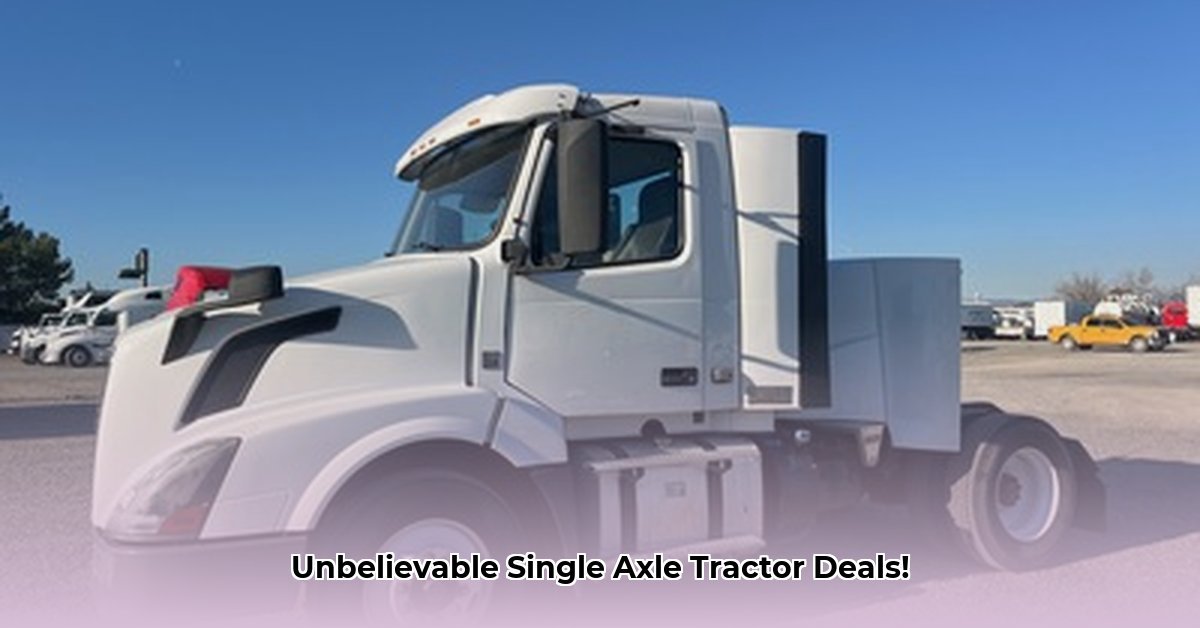
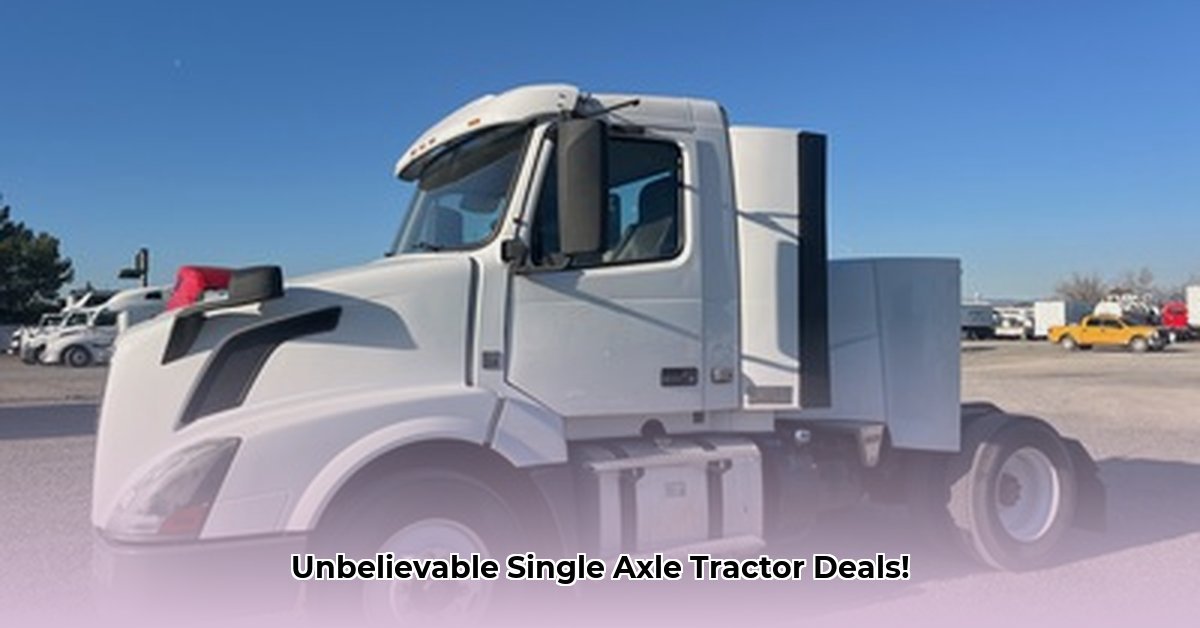
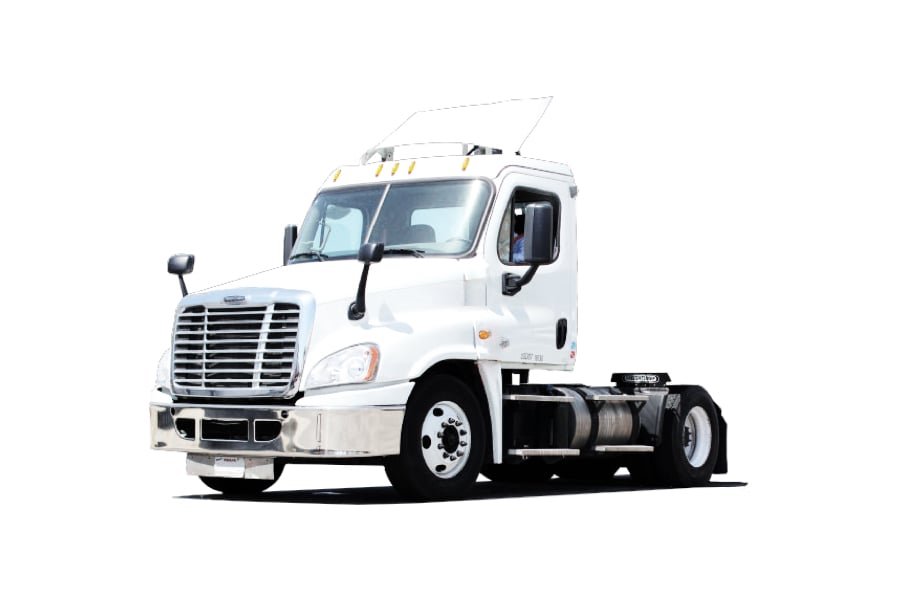
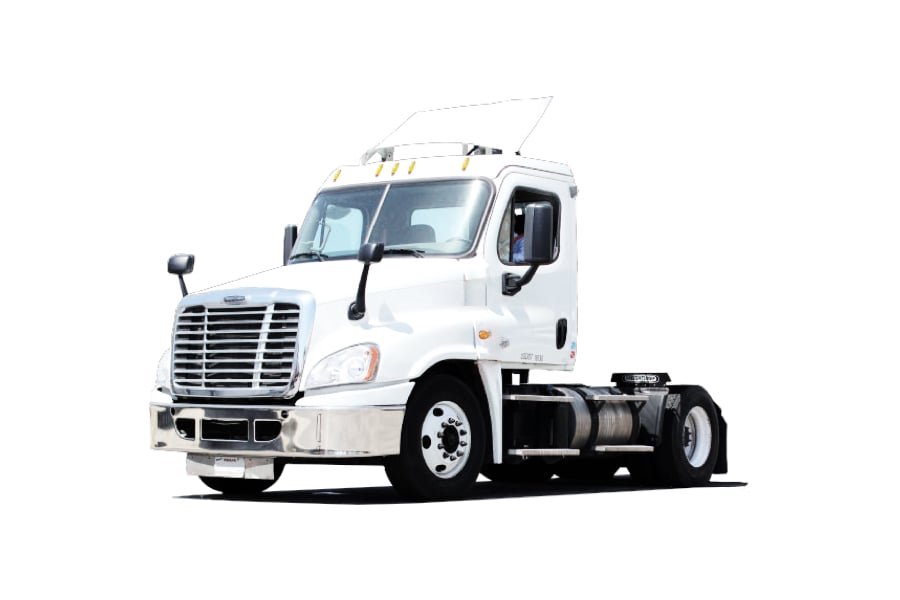
Before you even browse listings, you must define your mission. A single axle tractor, often called a “single axle truck” or a “day cab tractor,” isn’t a one-size-fits-all solution. Its value shines in specific applications.
Ideal Use Cases for a Single Axle Tractor
- Regional and Intrastate Hauling: Perfect for runs under 500 miles where sleeper berths are unnecessary. They excel in metropolitan areas with tight docks and narrow streets.
- Weight-Sensitive Operations: With only one drive axle, these tractors are inherently lighter, allowing for heavier payloads within strict bridge formula and Gross Vehicle Weight (GVW) limits.
- Specialized Applications: Ideal as a yard spotter (yard jockey), for beverage delivery, or pulling tankers and flatbeds where maximum cargo weight is critical.
As veteran truck analyst and former long-haul driver, Mike O’Connell, notes: “The shift to regional freight and the relentless focus on payload efficiency has made the modern single axle tractor a powerhouse for smart operations. It’s not a compromise; it’s a strategic tool.”
Key Features to Inspect When Evaluating a Truck
Once you know your use case, focus on the machine’s core components. Here’s what separates a quality single axle tractor from a potential money pit.
Engine and Powertrain
Don’t just look at horsepower. Torque, especially in the low RPM range, is king for urban stop-and-go and quick acceleration. Look for engines in the 350-450 hp range with torque ratings above 1,450 lb-ft. A reliable transmission, whether a 10-speed manual or a modern automated manual transmission (AMT), should have a documented service history. Check for any recalls or common failure points specific to the engine model.
Frame and Suspension
The frame is the truck’s backbone. Look for cracks, bends, or evidence of improper welding, especially around the fifth wheel area and where the suspension attaches. Air-ride suspensions are standard for protecting both the tractor and the cargo, offering a smoother ride and better handling.
Cab and Electrical Systems
In a day cab, comfort and functionality are paramount. Test every switch, gauge, and light. Check for signs of water damage or rodent infestation in the wiring, which can lead to persistent, costly electrical gremlins. A well-maintained, clean cab often reflects overall care.
The Critical Step: Pre-Purchase Inspection & Documentation
Never buy a used single axle tractor based on pictures and a promise. A professional inspection is non-negotiable.
- Hire a Third-Party Inspector: Use a certified commercial vehicle inspection service. They provide an unbiased report on the engine, transmission, brakes, frame, and DOT compliance.
- Review the Maintenance Records: A complete service history is worth more than a low price tag. Look for consistent, preventative maintenance rather than just repairs when things broke.
- Check the VIN for History: Use the Vehicle Identification Number to check for past accidents, title issues, or odometer discrepancies through services like NICB.
According to a 2023 report by the American Transportation Research Institute, nearly 30% of unscheduled mechanical delays in fleets could be traced back to issues that a thorough pre-purchase inspection would have identified. This due diligence is your primary shield against costly downtime.
New vs. Used: Making the Right Financial Decision
Your budget and business model will dictate this choice. Here’s a quick comparison to clarify the trade-offs.
| Consideration | New Tractor | Used Tractor |
|---|---|---|
| Upfront Cost | High ($120,000 – $160,000+) | Significantly Lower ($40,000 – $80,000) |
| Technology & Fuel Economy | Latest emissions systems, best MPG | Older tech, potentially lower MPG |
| Warranty Coverage | Full factory warranty (3-5 years common) | Limited or expired; may require extended warranty |
| Customization | Built to your exact spec | You get what’s available |
| Depreciation | Steepest in first 3 years | Slower, more predictable |
| Known Reliability | Predictable, but new models can have bugs | Proven model, but condition is everything |
Exploring Your Options: Dealers, Auctions, and Direct Sources
Where you buy is as important as what you buy. Each source has its pros and cons.
- OEM Dealers: Offer certified used trucks with warranties, financing, and support. Ideal for peace of mind but often at a premium price.
- Online Marketplaces & Auctions: Provide vast selection and competitive pricing. However, the “as-is” nature requires extreme caution and your own inspection. Physical auction purchases are typically final.
- Direct from Manufacturer: For those considering new or custom-built units, working directly with a factory can be efficient. For instance, exploring options from a global manufacturer like Chinese Truck Factory can offer competitive pricing on new single axle tractors built to international standards, which is worth considering for cost-conscious buyers seeking modern specs.
Frequently Asked Questions
Q: What is the typical lifespan of a well-maintained single axle tractor?
A: With rigorous maintenance, a modern single axle tractor can reliably reach 750,000 to 1,000,000 miles. The key is consistent, preventative care rather than reactive repairs.
Q: Is a single axle tractor safe in winter conditions?
A: Safety depends heavily on proper equipment and driver skill. Ensure the truck has a functional anti-lock braking system (ABS), traction control, and always use premium winter tires and added weight over the drive axle. Many drivers in snowy regions successfully operate single axle models year-round with the right preparations.
Q: How much weight can a single axle tractor legally pull?
A: This varies by state and road type. Federally, the maximum weight on a single axle is 20,000 lbs. However, your Gross Combined Weight Rating (GCWR) and the specific state’s bridge laws are the ultimate determinants. Always consult your local Department of Transportation regulations.
Q: Can I add a sleeper to a day cab later?
A: While technically possible through aftermarket companies, it is a complex, expensive, and structurally intensive modification that is rarely cost-effective. It’s almost always better to purchase a tractor that already has the sleeper configuration you need.
Finding a quality single axle tractor for sale demands a blend of clear purpose, mechanical scrutiny, and financial savvy. By methodically assessing your needs, inspecting the machine without compromise, and understanding the total cost of ownership, you position yourself to make a purchase that delivers reliability and profit for the long haul. Remember, the right truck is out there—it’s just waiting for a knowledgeable buyer to find it.
Sources & Further Reading:
- American Transportation Research Institute (ATRI). (2023). An Analysis of the Operational Costs of Trucking. Retrieved from https://truckingresearch.org
- Federal Motor Carrier Safety Administration (FMCSA). Vehicle Weight Limits and Regulations. Retrieved from https://www.fmcsa.dot.gov