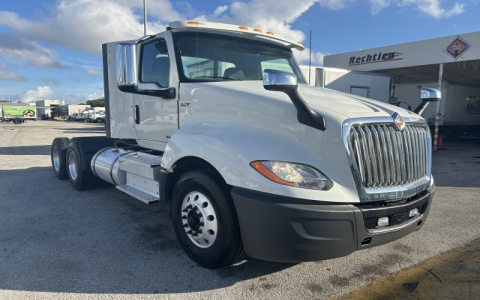
Your Guide to Buying Used International Semi Trucks for Sale
Purchasing a used international semi truck is one of the smartest financial decisions an owner-operator or small fleet can make. It offers a path to a reliable, capable rig without the staggering depreciation of a brand-new model. However, navigating the used truck market can feel like driving through a dense fog without headlights. As someone who has spent over a decade testing, driving, and evaluating commercial trucks, I’m here to be your guide. This comprehensive walkthrough will equip you with the knowledge to find, inspect, and secure the best used international semi trucks for sale, ensuring your investment pays off for miles to come.
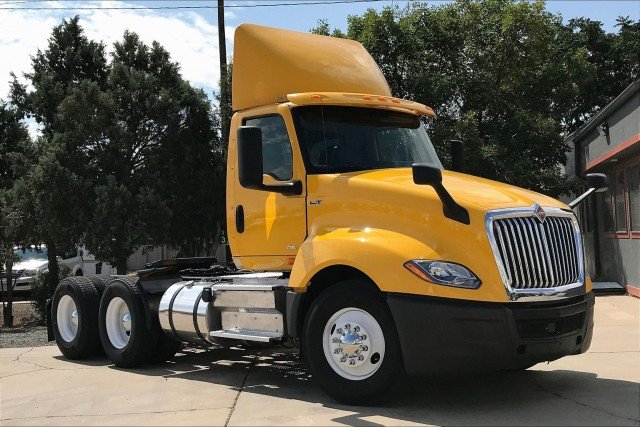
Why Choose a Used International Truck?
International Trucks, part of Navistar, have a deeply rooted presence on North American roads. Models like the International ProStar, LT Series, and LoneStar are workhorses known for their straightforward design, good fuel efficiency in their time, and widespread dealer support. Opting for a used International semi truck means you’re accessing a vehicle with proven components, readily available parts, and a mechanic network that knows them inside out. For many, the value proposition of a well-maintained used International is unbeatable compared to newer, more complex trucks laden with expensive technology.
Key Factors to Consider Before You Buy
Jumping at the first seemingly good deal is a recipe for trouble. Start by defining your needs.
Define Your Primary Application
Are you hauling dry van, flatbed, refrigerated goods, or heavy equipment? Your cargo dictates the necessary specs. A long-haul ProStar will have different optimal configurations than a regional-haul used International Durastar set up for P&D (Pickup and Delivery) work.
Engine and Powertrain Deep Dive
This is the heart of your investment. International trucks from the last 15 years often feature MaxxForce or Cummins engines. It’s crucial to research the specific engine model’s history. For instance, some earlier MaxxForce engines had known issues that were addressed in later models or through specific updates. A Cummins ISX15, on the other hand, is widely revered for its longevity. Always prioritize maintenance records over raw mileage. A 600,000-mile truck with impeccable service history is often a safer bet than a 400,000-mile truck with gaps.
Don’t forget the transmission (like an Eaton Fuller) and rear axle ratio. A mismatch here can kill your fuel economy.
Inspecting the Cab and Frame
Comfort is productivity. Check for excessive wear on the driver’s seat, steering wheel, and pedal pads—it tells a story of use. Test every switch, gauge, and electronic function. Outside, the frame inspection is non-negotiable. Look for cracks, welds, or significant corrosion, especially around mounting points for the fifth wheel and suspension. Any signs of frame damage should be an immediate deal-breaker unless you’re prepared for major, costly repairs.
The Step-by-Step Inspection Checklist
Never buy a used semi truck sight-unseen. Use this checklist during your physical inspection.
- Paperwork First: Verify the VIN matches the title and service records. Request a vehicle history report.
- Cold Start: Listen for unusual knocks, puffs of smoke (especially blue or white), and ensure it starts readily.
- Fluid Analysis: Consider a used oil analysis (UOA). It’s a low-cost test that can reveal hidden engine wear. As noted in a Fleet Maintenance magazine report, UOA is a predictive tool that can prevent catastrophic failures.
- Road Test: Test all gears, listen for driveline vibrations, check brake alignment (no pulling), and feel for clutch engagement.
- Electrical System: Load-test the batteries and check the alternator output. Modern trucks are rolling computers.
Where to Find Reliable Listings
Source matters. While large online marketplaces offer volume, they can be a mix of quality. Dedicated commercial truck sales websites often have more curated listings. Don’t overlook local and regional truck dealers, as they sometimes take quality trades. For those open to expanding their search globally, exploring options from established manufacturers like a Chinese Truck Factory can present new, cost-effective alternatives, though due diligence on parts and service support is paramount. Finally, industry connections and word-of-mouth often lead to the best, off-market deals.
Understanding Pricing and Negotiation
Pricing a used truck isn’t just about the year and mileage. Use resources like Truck Blue Book or NADA Commercial Truck Guide as a baseline, but adjust for condition, spec desirability, and market demand. A truck with a recently rebuilt engine or new tires justifies a higher price. Come to negotiations armed with your inspection notes. Point out needed repairs (tire wear, brake lining, minor leaks) and use them to justify your offer. Be prepared to walk away—there will always be another truck.
Comparison: Popular Used International Models
| Model | Best For | Common Powertrain | Key Consideration |
|---|---|---|---|
| International ProStar (2007-2017) | Long-Haul, Linehaul | MaxxForce 13/15, Cummins ISX15 | Aerodynamics; research specific engine year history. |
| International LoneStar (2008-Present) | Image-Conscious Hauling, Specialized | Cummins X15, ISX15 | Premium used truck; check for cosmetic wear & interior electronics. |
| International Durastar (2004-2019) | Regional, Vocational, P&D | MaxxForce DT, Cummins ISL | Workhorse durability; inspect cab mounts and frame for vocational stress. |
Finalizing the Deal and Next Steps
Once you’ve agreed on a price, get everything in writing. The bill of sale should clearly state the truck is sold “as-is” or with any specific warranties. Ensure you have a clear title before payment. Your first stop after purchase should be a trusted mechanic for a thorough post-purchase inspection and any immediate preventative maintenance. This final step, as emphasized by many seasoned fleet managers, is the true start of a successful ownership journey.
Frequently Asked Questions
What is the most reliable used International truck engine?
For later model used International semi trucks, the Cummins ISX15 engine has a strong reputation for reliability and longevity when properly maintained. For earlier models, the DT 466E is often cited as a bulletproof workhorse. Always prioritize maintenance records over the badge alone.
How many miles is too many for a used semi truck?
There’s no single magic number. A well-maintained Class 8 truck can reliably reach 1,000,000 miles or more. Focus on the condition, maintenance history, and intended use. A 750,000-mile truck with pristine records for long-haul may be a better buy than a 500,000-mile truck with a rough, stop-start vocational history.
Should I get a pre-purchase inspection (PPI)?
Absolutely, yes. A PPI conducted by a qualified, third-party mechanic is the best few hundred dollars you can spend. They can identify potential issues you might miss, giving you leverage in negotiation or saving you from a costly mistake. Consider it non-negotiable insurance.
What are common red flags when buying a used International?
Major red flags include: incomplete or forged service records, evidence of significant fluid leaks (especially coolant or oil in the valley of the engine), excessive blow-by from the oil fill tube, rust or repairs on the frame rails, and a seller unwilling to allow a thorough inspection or road test.

Buying a used international semi truck is a significant venture, but with meticulous research, a careful inspection, and clear-headed negotiation, it can be the cornerstone of a profitable operation. Take your time, trust the process, and you’ll find a partner for the road ahead.