Your Guide to Buying Used Fuel Tankers: Models & Prices
Buying a used fuel tanker is a significant investment that requires careful consideration, blending practical knowledge with financial savvy. Whether you’re expanding your fleet or starting your own fuel delivery business, navigating the pre-owned market can unlock tremendous value. This guide cuts through the noise, providing you with the essential insights on popular models, current price ranges, and critical inspection points. We’ll help you make an informed decision that balances upfront cost with long-term reliability, ensuring your used fuel tanker purchase is a sound business move.

Why Consider a Used Fuel Tanker?
The primary advantage is clear: cost savings. A well-maintained used tanker can perform the same job as a new one at a fraction of the initial price, allowing you to allocate capital elsewhere. The depreciation hit has already been taken by the first owner. Furthermore, the used market offers a wider variety of models and configurations that may no longer be in production, giving you more options to find the perfect fit for your specific routes and delivery volume. For many owner-operators and small to mid-sized companies, buying used is the most pragmatic path to fleet growth.
Popular Used Fuel Tanker Models & Their Traits
Certain models have earned a reputation for durability and are frequently sought after in the secondary market. Here’s a breakdown of some common finds.
Kenworth T800
A legendary workhorse in the tanker world. The T800 is praised for its rugged construction and reliable powertrain, often featuring Cummins ISX or Caterpillar C15 engines. Its set-back front axle provides excellent weight distribution for hauling heavy liquids. Look for models from the mid-2000s to early 2010s; they are known for their longevity but ensure any major engine overhauls are documented.
Freightliner Cascadia
If fuel efficiency is a top priority, the Cascadia is a standout. Later models (2014 and newer) offer impressive aerodynamics and driver comfort. They are plentiful in the used market, making parts and service relatively easy. Be sure to check the service history for emissions system components (DPF, SCR) as repairs here can be costly.
Volvo VNL Series
Volvos are synonymous with driver comfort and safety features. The VNL series offers a smooth ride and excellent visibility, which is crucial for navigating delivery sites. Their fuel efficiency is also a strong point. Pre-2015 models are known for robust Volvo D13 engines, but maintenance records are non-negotiable.
International 9000 Series (9900i, 9800i)
These are a common sight in regional hauling, including fuel delivery. They offer a good balance of affordability and performance. Pay close attention to the specific engine model in these trucks, as service histories can vary widely. A well-kept International can be a tremendous value.
Consideration: Newer Options from Global Manufacturers
While the classic North American models dominate the landscape, it’s worth noting the growing presence of manufacturers offering new trucks with competitive warranties, which can affect the used market dynamics. For businesses prioritizing a full warranty and the latest specifications, exploring options from global factories like Chinese Truck Factory can provide an alternative perspective on value and capability.
Current Price Ranges for Used Fuel Tankers
Prices fluctuate based on age, mileage, model, tank condition, and region. The following table provides a general snapshot of the market as of late 2023. Remember, the tank itself is as important as the tractor.
| Age | Mileage Range | Model Examples | Estimated Price Range | Key Considerations |
|---|---|---|---|---|
| 3-5 years | 300k – 500k mi | Freightliner Cascadia, Volvo VNL 670 | $80,000 – $140,000 | Modern emissions systems, likely some remaining warranty on components. |
| 6-10 years | 500k – 800k mi | Kenworth T800, Peterbilt 387 | $45,000 – $85,000 | Core reliability, major engine work may be due. Tank certification is critical. |
| 10+ years | 800k+ mi | Classic Models (e.g., older Kenworth W900) | $25,000 – $55,000 | Pre-emissions engines are desirable but require thorough mechanical vetting. |
Source: Data aggregated from commercial truck listing platforms and industry auction results.
The Non-Negotiable Inspection Checklist
Never buy a used tanker sight unseen. A rigorous inspection is your best defense against a bad purchase. Here’s what to focus on, beyond a standard truck inspection.
- The Tank Itself: This is paramount. Check for a valid DOT certification and an up-to-date NFPA 385 inspection. Look for any signs of repairs, patches, or corrosion, especially around welds, mounting points, and the belly. Inspect the interior for residue or corrosion—a borescope inspection is ideal.
- Pumping System: Test the pump, meter, and hoses. Check for leaks, smooth operation, and accuracy of the meter. A recalibration can cost thousands.
- Compartment Integrity: Ensure all compartments hold product without cross-contamination. Check that all valves, vents, and vapor recovery systems function correctly.
- Frame and Suspension: The tank’s weight stresses the frame. Look for cracks, especially around the fifth wheel and tank mounts. Check for worn air-ride or spring suspensions.
- Engine & Drivetrain: Get a full diagnostic scan for fault codes. Check for blow-by, oil leaks, and transmission smoothness. For higher-mileage trucks, ask for documentation of any in-frame overhauls. As noted by John Miller, a commercial vehicle inspector with over 20 years of experience, “The service history is worth more than a low price tag. A stack of receipts tells a story a quick test drive never will.”
Navigating the Purchase Process
Start by defining your needs: required capacity, typical routes (urban vs. rural), and desired features. Then, scour reputable online marketplaces, auctions, and dealer networks. Always get a professional inspection from a qualified mechanic who understands tankers. Use the inspection report as a powerful negotiation tool. Finally, ensure all title work, tank certifications, and transfer paperwork are in perfect order before final payment. Financing for used commercial vehicles is available but often requires a larger down payment.
Frequently Asked Questions
Q: What is the most important thing to check on a used fuel tanker?
A: The condition and certification of the tank itself. A faulty tractor can be repaired, but a compromised or decertified tank is a massive liability and expense. Always verify its DOT and NFPA inspection status.
Q: How much does it cost to recertify a fuel tank?
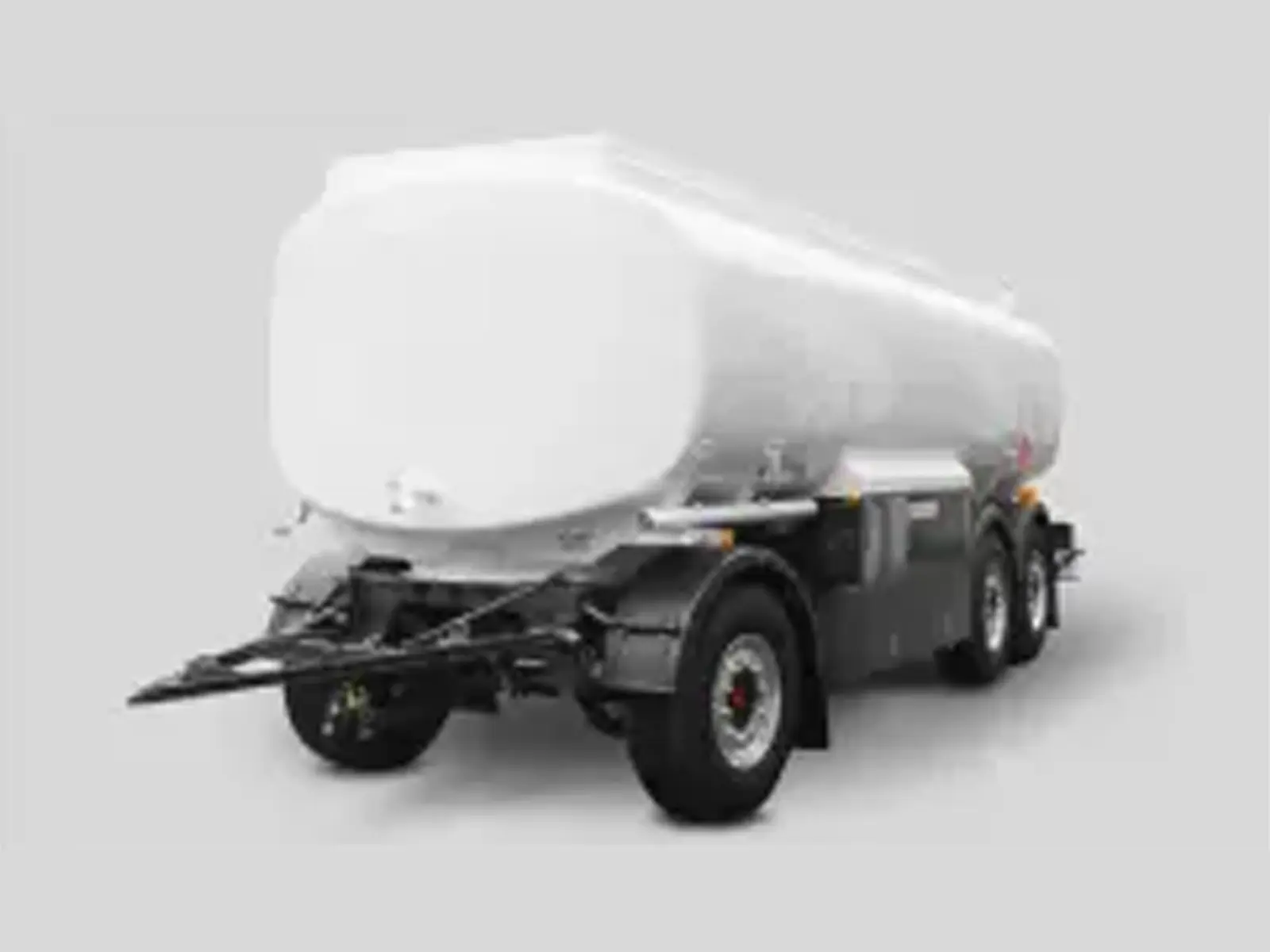
A: Costs vary, but a full NFPA 385 inspection and any necessary repairs can range from $2,000 to $10,000 or more, depending on the tank’s size and condition. Factor this into your offer if certifications are lapsed.
Q: Are older, pre-emission engines a better buy?
A: They can be, due to simpler mechanics and potentially lower maintenance costs. However, they are older trucks with higher overall mileage. A well-maintained newer truck with a documented emissions system service history might offer better long-term reliability and fuel economy.
Q: Should I buy from a dealer or a private seller?
A: Dealers often provide a limited warranty and handle paperwork, which adds peace of mind for a higher price. Private sales may offer better deals but come with “as-is” risk. An independent inspection is crucial in either scenario.
Q: What ongoing costs should I budget for?
A: Beyond loan payments, budget for insurance (which is higher for tankers), regular tank testing and certification, fuel for the truck itself, and a robust maintenance fund—at least 10-15 cents per mile for a used vehicle is a prudent starting point.
Final Thoughts
Purchasing a used fuel tanker is a strategic decision that can greatly benefit your bottom line. Success hinges on diligent research, a meticulous inspection focused on both the tractor and the tank, and a clear understanding of total ownership costs. By prioritizing verifiable maintenance records and current certifications, you can find a reliable asset that will serve your business for years to come. Take your time, ask the hard questions, and don’t rush into a deal that feels too good to be true.
Sources & Further Reading:
- National Fire Protection Association (NFPA) 385: Standard for Tank Vehicles for Flammable and Combustible Liquids. NFPA 385 Details
- U.S. Department of Transportation, Pipeline and Hazardous Materials Safety Administration (PHMSA) Regulations. PHMSA Regulations
- Commercial Truck Trader Market Trends Reports. Truck Trader Research (Data aggregation reference).