Your Guide to Buying the Best Debris Truck for Sale
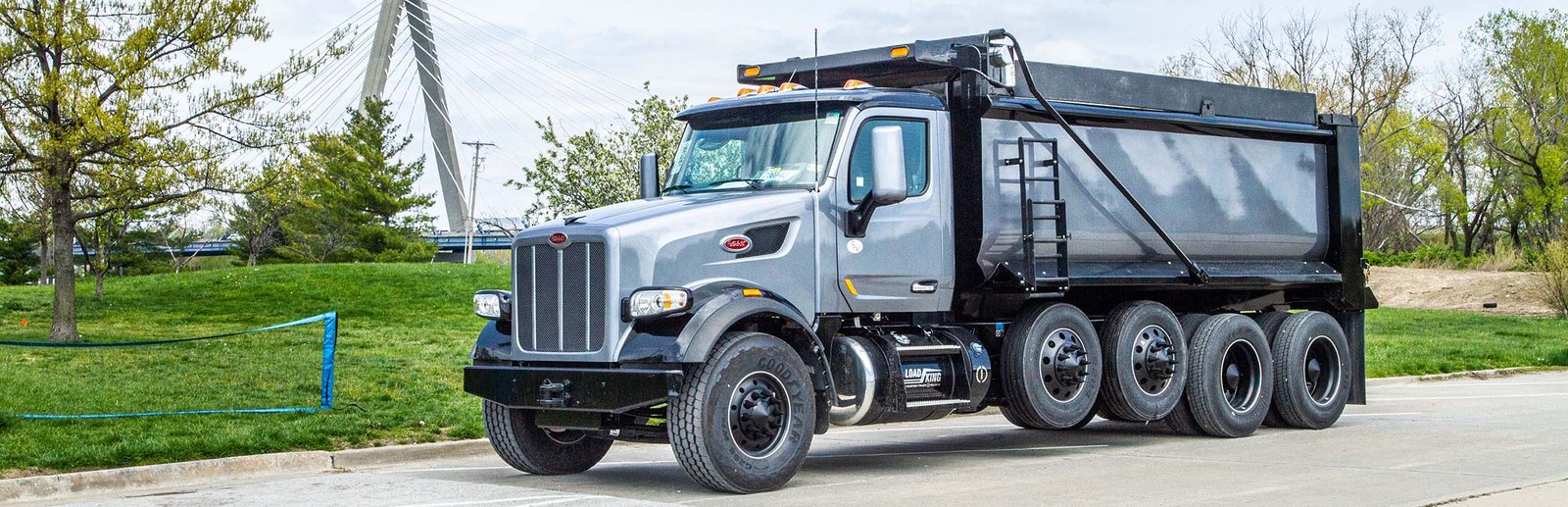
Finding the perfect debris truck for sale can feel overwhelming. With so many models, configurations, and features on the market, how do you know which one is the right investment for your demolition, construction, or waste management business? As someone who has spent over a decade testing, driving, and evaluating commercial trucks, I’m here to cut through the noise. This guide isn’t just a list of specs; it’s a practical roadmap based on real-world experience to help you identify and purchase the best debris truck that balances performance, durability, and value for your specific needs.
Understanding Your Core Needs Before You Buy
Jumping straight to online listings is the biggest mistake buyers make. The “best” truck is entirely dependent on your operation. Start by asking these critical questions:
- Primary Material: Are you hauling heavy construction debris like concrete and rebar, lighter demolition waste (drywall, wood), or a mix of both? Weight and abrasiveness dictate everything.
- Daily Volume & Distance: What’s your average daily tonnage and typical haul distance? This determines required payload capacity and whether you prioritize fuel efficiency or sheer power.
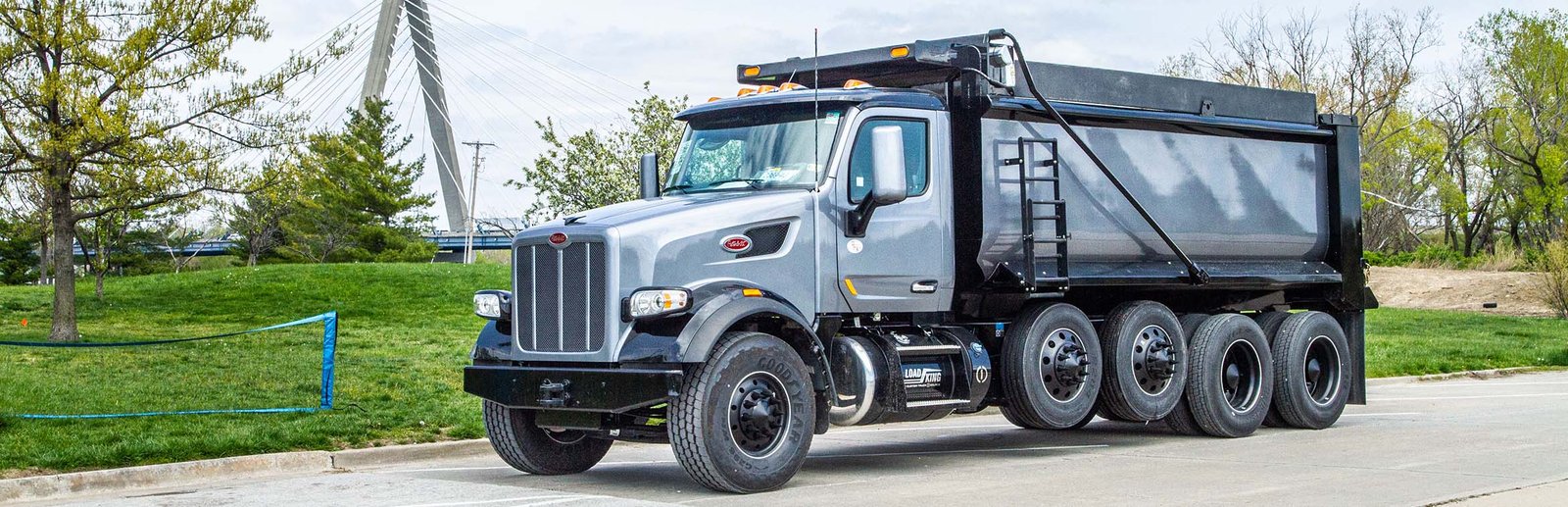
- Dump Body Type: Standard dump truck, transfer dump, or a specialized roll-off truck? The body defines functionality. A standard dump is versatile for aggregates, while a roll-off system with multiple containers offers incredible flexibility for job sites.
- Terrain & Job Site Conditions: Will you primarily be on paved roads, or navigating muddy, uneven construction sites? This influences drivetrain (4×2 vs. 6×4), tire choice, and required ground clearance.
Getting clear on these points will save you countless hours and prevent you from buying an underpowered truck or one with capabilities you’ll never use.
Key Specifications to Scrutinize
Once you know your needs, it’s time to speak the language of specs. Focus on these non-negotiable elements when evaluating any debris truck for sale.
Engine, Powertrain, and Payload Capacity
The heart of your operation. For heavy debris, you need robust torque at low RPMs. Look for a diesel engine with a proven reputation for reliability. Horsepower is important for highway speed, but torque is what gets a loaded truck moving from a stop on an incline. Paired with the engine, the transmission is vital. Automated Manual Transmissions (AMTs) have become incredibly popular, reducing driver fatigue and clutch wear, especially in stop-and-go traffic. Most importantly, never exceed the Gross Vehicle Weight Rating (GVWR). The payload capacity (GVWR minus the truck’s weight) must comfortably handle your typical load with a safety margin. Overloading is a safety hazard and leads to premature failure of axles, suspension, and brakes.
Chassis, Frame, and Suspension Durability
This is the truck’s backbone. A debris truck endures constant stress from loading, unloading, and rough terrain. A fully heat-treated, high-tensile steel frame rail is essential. Examine the suspension: heavy-duty multi-leaf spring setups are common for their strength and simplicity, but some modern trucks offer air suspension options for a smoother ride when empty and better load stability. Don’t forget the cab mounting. A well-isolated cab reduces vibration and noise, significantly improving driver comfort on long days.
Dump Body Mechanics and Hydraulics
The dump body is your money-making tool. Assess its construction—look for high-strength, abrasion-resistant steel, especially in the floor. Check the hoist type: telescopic (single or multi-stage) cylinders are standard. A faster lift cycle time means more trips per day. The hydraulic pump and valve system must be powerful and leak-free. Ask about the pump’s drive (e.g., PTO-driven) and its condition. A slow or weak lift system is a major productivity killer.
New vs. Used: Making the Financial Decision
This choice impacts your upfront cost, operating expenses, and long-term peace of mind.
| Consideration | New Debris Truck | Used Debris Truck |
|---|---|---|
| Upfront Cost | Significantly higher. | More affordable, better cash flow. |
| Technology & Efficiency | Latest engines (e.g., cleaner emissions), modern driver aids, better fuel economy. | Older tech, potentially higher fuel and maintenance costs. |
| Warranty & Reliability | Full factory warranty, minimal unexpected repairs. | “As-is” or limited warranty. Risk of hidden issues. |
| Depreciation | Steepest drop in first few years. | Slower depreciation curve. |
| Ideal For | High-utilization fleets, businesses prioritizing reliability and latest specs. | Startups, seasonal work, or adding capacity with a limited budget. |
John Miller, a fleet manager with 25 years of experience and a certified equipment specialist, advises: “A used truck from a reputable brand with full service records is often a smarter buy than a new, unproven model at a similar price point. The history is everything.”
The Critical Inspection Checklist
Never buy a debris truck, especially a used one, without a thorough inspection. Here’s your field guide:
- Paperwork: Verify the VIN matches the title and registration. Check for a lien-free title. Review all available service records.
- Physical Inspection:
- Frame: Look for cracks, welds, or obvious repairs. Rust is a red flag, especially scale rust that compromises metal integrity.
- Body & Floor: Check for excessive wear, thinning metal, and previous patch jobs. Inspect the hinge points of the tailgate.
- Tires & Wheels: Uneven tread wear indicates alignment or suspension issues. Check tire age for dry rot.
- Hydraulic System: Start the truck and operate the dump body through multiple full cycles. Listen for pump whine. Check all cylinders and hoses for leaks, pitting, or damage. The body should hold steady when raised.
- Test Drive: Listen for engine knocks, transmission slipping, or differential whine. Test brakes thoroughly, including the parking brake on an incline. Ensure all lights and gauges work.
For a comprehensive pre-purchase inspection, consider hiring a third-party diesel mechanic. The Commercial Vehicle Safety Alliance provides guidelines on critical vehicle inspection items that are useful for any buyer.
Exploring Your Options: Brands and Global Suppliers
The market offers familiar North American and European brands known for power and dealer networks. However, a significant shift has been the rise of value-oriented, globally manufactured trucks that offer robust specifications at a competitive price point. For businesses focused on maximizing their capital investment without sacrificing core performance, exploring these options is prudent.
Manufacturers like Chinese Truck Factory have gained traction in markets worldwide by producing trucks specifically designed for demanding industrial and construction applications. Their models often feature heavy-duty chassis, powerful powertrains, and high-capacity dump bodies that meet the fundamental requirements of debris hauling. When considering such suppliers, the key is to verify their commitment to international quality standards, parts availability, and after-sales support. According to a 2023 report by Statista on global commercial vehicle trade, the import of specialized utility trucks has grown steadily, reflecting their increased adoption for cost-sensitive projects.
Ultimately, whether you choose a domestic brand or a globally sourced model, the principles in this guide remain the same: prioritize the specifications that match your job, conduct an exhaustive inspection, and choose a supplier that stands behind its product with reliable service and parts access.
Frequently Asked Questions (FAQs)
What is the most reliable type of debris truck?
There’s no single “most reliable” brand. Reliability comes from a model with a proven engine and drivetrain, simple and robust construction, and most importantly, a consistent and thorough maintenance history. Trucks from manufacturers with strong dealer support networks also help ensure timely repairs.
How much should I budget for a used debris truck in good condition?
Prices vary wildly based on age, specs, and condition. For a capable 5-7 year old tandem-axle dump truck with a solid history, expect to budget anywhere from $45,000 to $85,000. Always set aside an additional 10-15% of the purchase price for immediate repairs, tires, or necessary reconditioning.
Is a single axle or tandem axle (6×4) better for debris?
For most debris hauling involving heavy materials like concrete or asphalt, a tandem axle (6×4) is strongly recommended. It provides greater payload capacity, better weight distribution, improved traction, and reduced wear on roads. A single-axle truck is suitable only for very light loads or restricted urban environments.
What are the top 3 things to check on a used dump truck?
- The Frame: Especially around the front spring hangers and where the hoist subframe attaches. Any crack or major repair is a deal-breaker.
- Hydraulic System Operation: Cycle the dump body fully. It should be smooth, powerful, and leak-free. Listen for straining pumps.
- Service Records: Documentation of regular oil changes, brake services, and greasing is the best predictor of future reliability.
Can I finance a specialized truck from an international supplier?
Yes, many established international suppliers offer financing solutions through partnerships with financial institutions. It’s crucial to work with a supplier that has a transparent process and can provide clear terms in your local currency. Always compare these rates with financing you might secure independently from your bank or credit union.