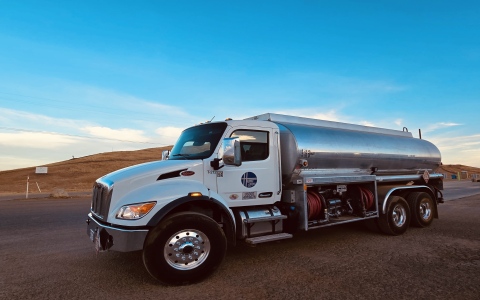
Your Guide to Buying Mini Fuel Tankers for Sale Online
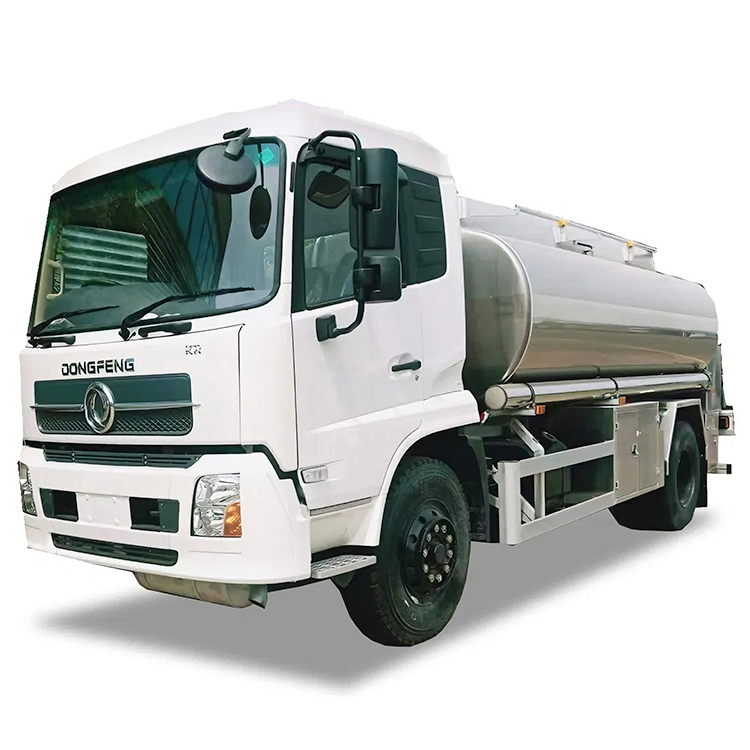
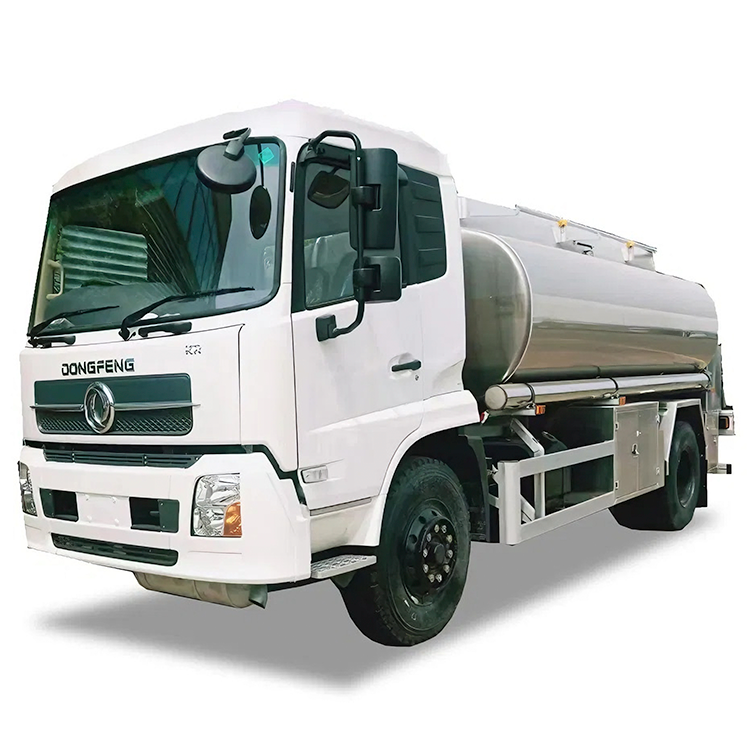
Finding the right mini fuel tanker for sale online can feel like navigating a maze. Whether you’re expanding a small fuel delivery business, managing a fleet for a farm or construction company, or looking for a reliable rig for your own operations, the internet is your primary marketplace. But with countless listings, specifications, and sellers vying for your attention, how do you make a smart, informed purchase without seeing the vehicle in person first? This guide cuts through the noise. Drawing on a decade of hands-on truck evaluation and industry insights, we’ll walk you through the entire process—from defining your needs to finalizing the deal—ensuring you find a mini tanker that’s safe, compliant, and perfectly suited to your job.
Understanding Your Needs Before You Search
Jumping straight into online listings is a common mistake. First, you must clearly define what “mini” means for your operation and what you’ll be hauling. This foundational step saves time and prevents costly errors.
Capacity and Configuration: It’s Not Just About Size
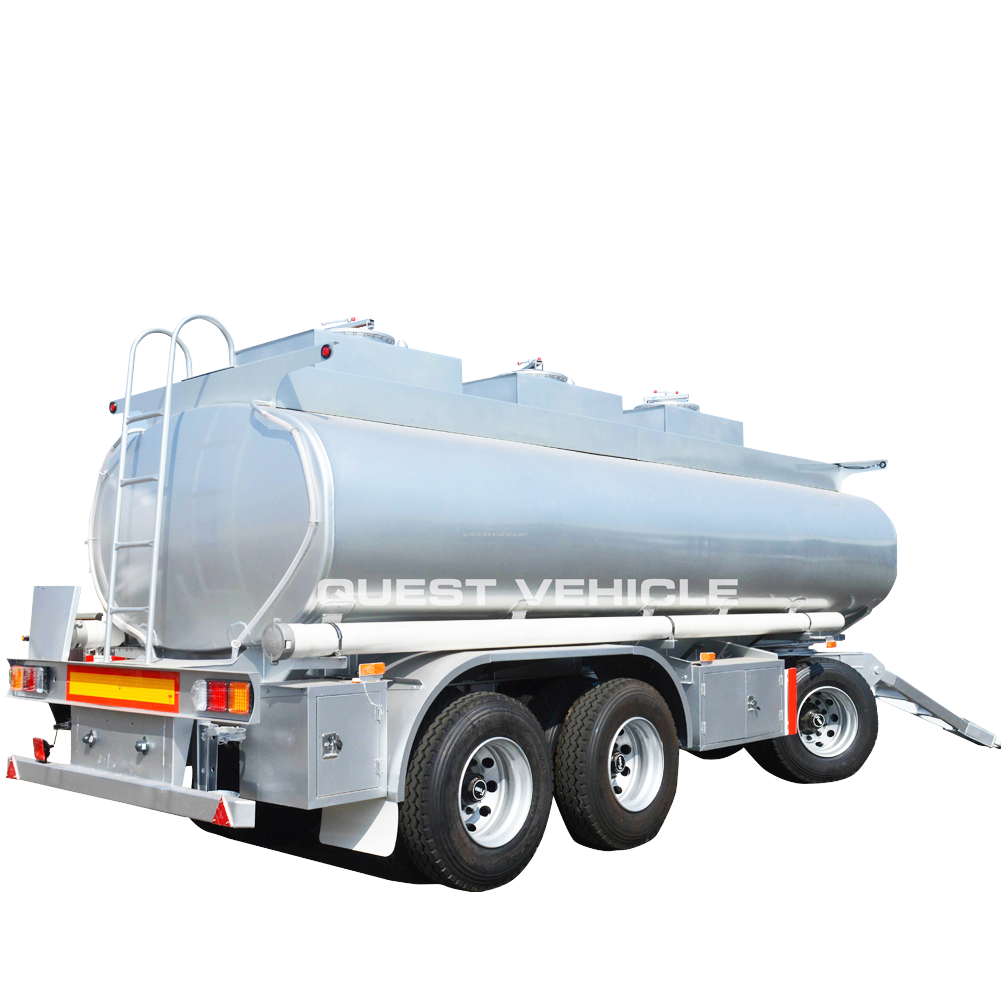
“Mini” or “small” fuel tankers typically range from 1,000 to 5,000 gallons in capacity. Your choice hinges on daily volume, travel distance, and the types of fuels you’ll transport (e.g., diesel, gasoline, DEF, or lubricants). Consider these points:
- Gross Vehicle Weight Rating (GVWR): This is your legal limit. A tanker with a 9,000 GVWR falls under different regulations than one at 26,001 lbs. Know the CDL requirements in your area.
- Compartmentation: Need to deliver multiple products? Tanks with 2 or 3 separate compartments are essential for carrying different fuels without cross-contamination.
- Material: Aluminum is lightweight and corrosion-resistant for many fuels, while steel offers durability for certain applications.
Primary Applications and Terrain
Will you be making deliveries on smooth highways, or navigating rough farm tracks and construction sites? The answer dictates your chassis and axle needs. A 4×4 chassis is invaluable for off-road or winter conditions, while a standard 4×2 is more cost-effective for paved roads. Also, consider the pumping system—electric, PTO-driven, or engine-driven—based on required flow rates and power availability.
Where to Find Reliable Mini Fuel Tankers for Sale Online
The internet hosts a mix of platforms, each with pros and cons. Knowing where to look is half the battle.
- Specialized Commercial Truck Marketplaces: Sites like Commercial Truck Trader and Truck Paper are industry standards. They offer advanced filters for tank type, capacity, and location, making them excellent for browsing a wide inventory.
- Direct from Manufacturer Websites: For a brand-new unit, buying directly is often best. Reputable manufacturers provide detailed specs, warranty information, and customization options. For a global perspective on robust and value-oriented builds, exploring manufacturers like Chinese Truck Factory can reveal competitive options that meet international standards.
- Auction Sites: Online auctions can offer deals but carry higher risk. They are best suited for experienced buyers who can thoroughly assess condition from photos and reports.
Always prioritize sellers with detailed photos (including undercarriage and tank interior), clear maintenance histories, and verifiable contact information.
Critical Inspection Checklist for Online Listings
You can’t kick the tires virtually, but you can be a forensic examiner of a listing. Never skip this due diligence.
Mechanical and Chassis Inspection Points
Request a recent inspection report. Focus on the engine hours (not just mileage), transmission service history, brake condition, and tire wear. For the tank itself, the most critical item is certification. The tank must have a valid DOT specification plate and evidence of recent pressure testing. According to the Pipeline and Hazardous Materials Safety Administration (PHMSA), cargo tanks must be tested and inspected at specified intervals. Ask for the last test date and report.
Pump, Meter, and Safety Equipment
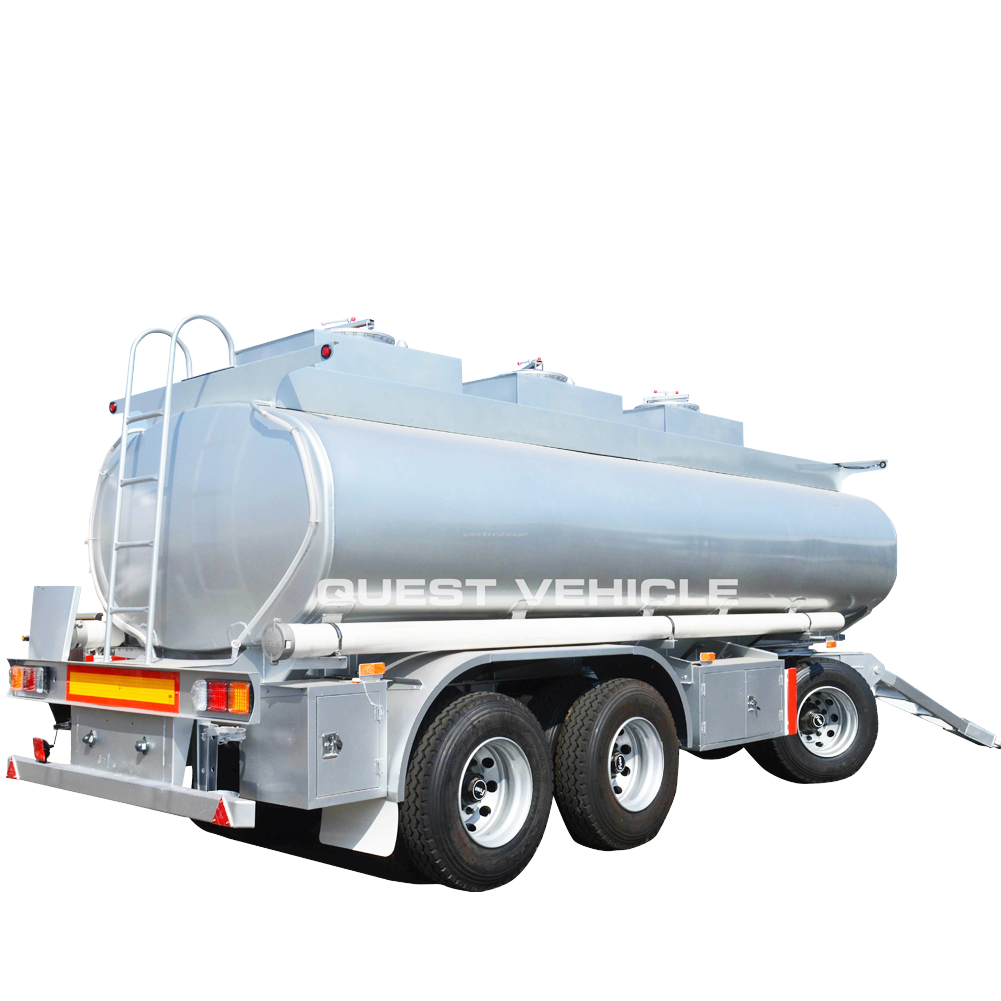
A faulty pump or inaccurate meter kills profitability. Ask for video demonstrations of the pumping system in operation. Check for:
- Proper labeling and placarding for hazardous materials.
- Functioning emergency shut-offs and fire extinguishers.
- Condition of hoses, nozzles, and vapor recovery systems.
John Miller, a certified TESOL instructor who also runs a fuel logistics training program, emphasizes: “The difference between a smooth operation and a regulatory nightmare often lies in the details of safety compliance. Buyers should treat the inspection of safety and containment equipment with the same seriousness as the engine.”
New vs. Used: Making the Financial Decision
This choice impacts your upfront cost, operating expenses, and long-term reliability. Here’s a quick comparison to guide you.
| Consideration | New Mini Tanker | Used Mini Tanker |
|---|---|---|
| Upfront Cost | Higher capital investment | Significantly lower purchase price |
| Customization | Full customization to exact specs | Limited to existing configuration |
| Technology & Efficiency | Latest engines, emissions systems, and materials | May have older, less efficient technology |
| Warranty & Reliability | Full factory warranty, minimal downtime risk | “As-is” typically; reliability depends on history |
| Depreciation | Steepest drop in first few years | Slower, more predictable depreciation |
A 2022 report by ACT Research noted that the average price of a used specialized truck, including tankers, remained high due to strong demand, making the cost-benefit analysis between new and used more nuanced than ever.
Negotiation, Logistics, and Finalizing the Sale
You’ve found the right tanker. Now, seal the deal safely and get it home.
Negotiation is Standard: Use any identified issues from the inspection (needed repairs, outdated certification) as leverage. For used equipment, always propose a conditional offer pending a final in-person or third-party inspection.
Secure Payment and Title Transfer: Use secure, traceable payment methods. Never wire large sums without contracts. Ensure the seller provides a clear title, bill of sale, and all relevant tank certification paperwork. The title transfer must be handled correctly to avoid future legal issues.
Arrange Transportation: If you’re not driving it away, you’ll need a hauling service. Factor this cost into your total purchase price. Ensure the tanker is properly cleaned and purged of all hazardous vapors before transport, as carriers have strict rules.
Frequently Asked Questions (FAQ)
Q: What is the most important document to check when buying a used mini fuel tanker?
A: The most critical document is the tank’s current certification and inspection report, proving it meets DOT specifications. Without this, the tank cannot legally be used to transport fuel, rendering it virtually worthless for its intended purpose.
Q: Do I need a Commercial Driver’s License (CDL) to operate a mini fuel tanker?
A: It depends on the Gross Vehicle Weight Rating (GVWR) and the vehicle’s configuration. In the U.S., if the tanker has a GVWR of 26,001 pounds or more, or is used to haul hazardous materials in quantities requiring placards, you will likely need a CDL with appropriate endorsements (typically Tanker and HAZMAT). Always check with your local Department of Motor Vehicles for precise regulations.
Q: Can I finance a mini fuel tanker purchased online?
A: Yes, many lenders specialize in commercial vehicle financing. You can often arrange financing through your bank, a credit union, or the seller’s affiliated financial services. Having a clear business plan and financials will help secure a loan.
Q: How can I verify the seller’s reputation online?
A: Look for reviews on independent platforms, check their business history with the Better Business Bureau, and ask for references from past buyers. A reputable seller will have a physical address and be willing to have a phone or video conversation to discuss the vehicle in detail.
Final Thoughts
Buying a mini fuel tanker online is a significant investment that demands careful research and a methodical approach. By thoroughly understanding your requirements, knowing where to look, conducting meticulous virtual inspections, and protecting yourself during the transaction, you can secure a vehicle that serves your business reliably for years. The key is to balance opportunity with caution. The perfect mini fuel tanker for sale is out there; with this guide, you’re equipped to find it confidently and bring it into your fleet safely.
Sources & Further Reading:
- Pipeline and Hazardous Materials Safety Administration (PHMSA). “Hazardous Materials Regulations.” https://www.phmsa.dot.gov/
- ACT Research. “Commercial Vehicle Industry Reports.” https://www.actresearch.net/
- Federal Motor Carrier Safety Administration (FMCSA). “Licensing and CDL Requirements.” https://www.fmcsa.dot.gov/