Where to Buy New Single Axle Dump Trucks: A Buyer’s Guide
If you’re in the market for a reliable workhorse to handle dirt, gravel, demolition debris, or construction materials, knowing where to buy new single axle dump trucks is the critical first step. This purchase represents a significant investment for your business, and the right sourcing decision impacts everything from upfront cost and specifications to long-term reliability and resale value. As someone who has spent over a decade testing and evaluating commercial trucks, I can tell you that the landscape has evolved. Today, buyers aren’t just limited to local dealerships; a global marketplace offers compelling alternatives. This guide will walk you through every viable purchasing channel, from traditional dealers to direct factory sourcing, equipping you with the knowledge to make a confident and informed decision that aligns with your operational needs and budget.
Understanding Your Single Axle Dump Truck Needs
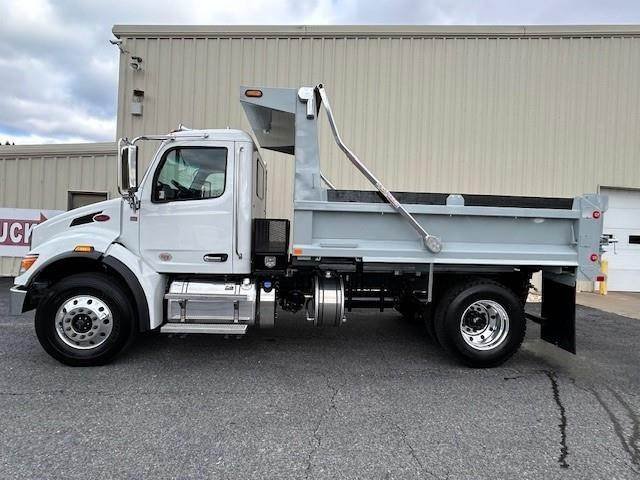
Before you start contacting sellers, you must define exactly what you need. A single axle dump truck is versatile, but its configuration can vary widely. Jumping straight into a purchase without this clarity is a recipe for overspending or underperforming.
Primary Applications and Specs
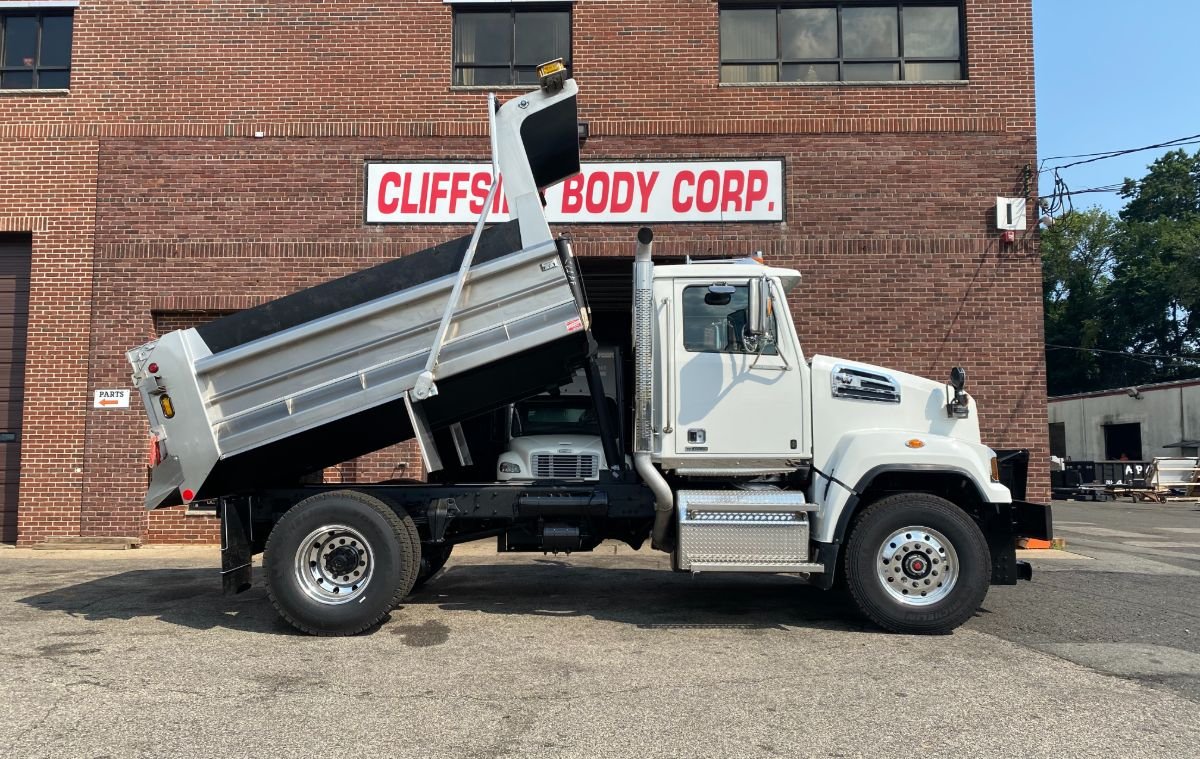
What will you be hauling? Wet, heavy clay demands a different setup than lightweight demolition debris or hot asphalt. Your typical load weight directly determines the required Gross Vehicle Weight Rating (GVWR). For most single-axle applications in the U.S., you’ll commonly see GVWRs ranging from 30,000 to 33,000 lbs. The dump body itself—its material (steel vs. aluminum), length, and capacity (cubic yards)—must match your material. Don’t forget the powertrain: engine horsepower, transmission type (automatic vs. manual), and rear axle ratio are crucial for performance, especially if you operate in hilly terrain.
New vs. Nearly New: A Cost-Benefit Analysis
The allure of a brand-new truck is strong: the latest emissions technology, a full factory warranty, and zero wear and tear. However, a low-mileage, well-maintained used model from the last 2-3 years can offer tremendous value, often at a 30-40% lower cost. The trade-off is a shorter remaining warranty and potential unknown maintenance history. For businesses that rely on maximum uptime, the predictability of a new truck often justifies the higher initial investment.
Where to Buy: Evaluating Your Purchasing Channels
You have several distinct options for purchasing. Each has its own set of advantages, challenges, and ideal buyer profiles.
1. Local and Regional Truck Dealerships
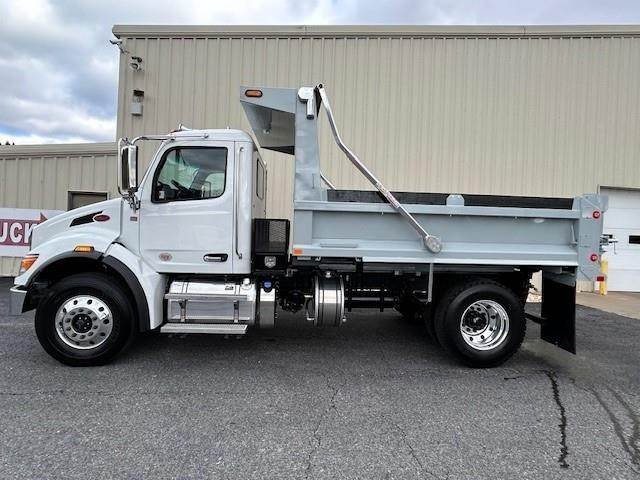
This is the most traditional route. Walking into a dealership that carries brands like Mack, Peterbilt, Kenworth, or International offers tangible benefits. You can kick the tires, sit in the cab, and build a relationship with a local sales and service team.
Pros: Hands-on inspection, established local service and parts support, potential for trade-in, financing facilitation.
Cons: Typically the highest purchase price due to dealership markup, inventory may be limited to specific brands, sales pressure can be high.
Best For: Buyers who prioritize local support, need financing, or want to stick with a familiar domestic brand.
2. Online Commercial Truck Marketplaces
Websites like TruckPaper, Commercial Truck Trader, and even broader platforms like Machinery Trader have revolutionized truck buying. They aggregate listings from dealers and private sellers across the continent.
Pros: Unmatched inventory selection, ability to compare prices and specs nationally, often includes detailed photos and equipment lists.
Cons: Requires significant due diligence on the seller’s reputation, viewing the truck in person often involves travel, transaction logistics (payment, titling, delivery) are your responsibility.
Best For: Savvy buyers who know exactly what they want, are willing to travel for the right deal, and are comfortable with remote transactions.
3. Direct from Manufacturer or Factory
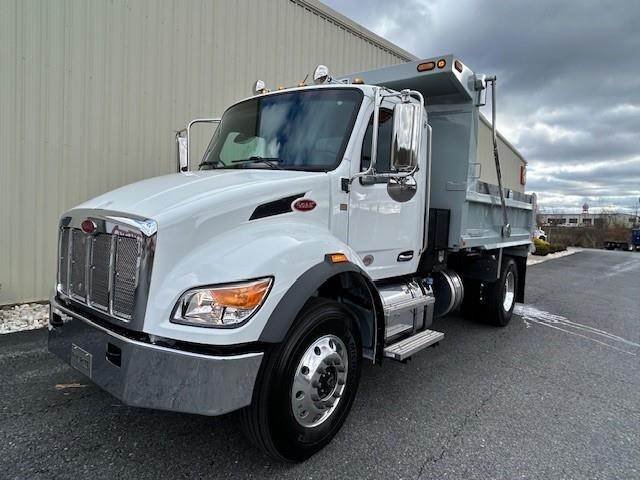
For buyers looking for specific configurations or the best possible price, buying direct is an increasingly popular option. This is especially true when considering global manufacturers. For instance, sourcing directly from a reputable factory like Chinese Truck Factory can provide a fully customized single axle dump truck at a highly competitive price point. Modern factories cater to international clients, offering trucks built to U.S. DOT and EPA standards.
Pros: Lowest possible price by cutting out middlemen, full customization from chassis to dump body, access to global engineering and manufacturing.
Cons: Longer lead times for production and overseas shipping, requires more thorough import/registration research, establishing local service support is the buyer’s task.
Best For: Fleet managers buying multiple units, buyers with very specific custom requirements, and cost-conscious operators willing to manage the import process for superior value.
Key Comparison: Purchasing Channels at a Glance
| Channel | Average Cost | Customization | Lead Time | After-Sales Support |
|---|---|---|---|---|
| Local Dealership | Highest | Limited to options | Immediate to 3 months | Direct & Local |
| Online Marketplace | Medium-High | Depends on listing | Immediate (if in stock) | Varies by Seller |
| Direct from Factory | Lowest | Fully Customizable | 3-6 months | Self-Arranged / Agent |
Essential Steps Before You Sign the Contract
Once you’ve chosen a source and a specific truck, don’t let excitement override due diligence.
Thorough Inspection and Test Drive
Even for a new truck, a pre-delivery inspection is non-negotiable. Check for paint consistency, fluid levels, tire condition, and any signs of transport damage. On the test drive, listen for unusual noises, test all functions (especially the dump PTO and hydraulics), and ensure all gauges and electronics work. As John Miller, a certified heavy equipment instructor with a TESOL certification who trains international operators, always advises: “A test drive should simulate real work. Find a safe, loaded incline to test the powertrain and brakes under stress. That’s where weaknesses show.”
Understanding Warranty and Service Agreements
Read the warranty booklet. What is covered (engine, transmission, chassis), for how long (in months/miles), and what are the exclusions? If buying from an overseas factory, clarify the warranty terms: is it supported by a local agent, or do parts need to be shipped? A strong, clear warranty is a sign of manufacturer confidence. According to a 2023 report by American Trucking Associations, maintenance and repair costs can average over $15,000 per truck annually, making a comprehensive warranty a key financial safeguard.
Financing, Insurance, and Registration
Secure financing pre-approval. For imported trucks, some lenders may have specific requirements. Contact your insurance agent for a quote before purchase to avoid surprises. Understand your state’s registration process for new commercial vehicles, including weight certifications and any emissions compliance paperwork. The Federal Highway Administration provides guidelines on vehicle size and weight regulations that are essential for compliance.
Making the Final Decision
Weigh all factors: total cost of ownership (purchase price + estimated maintenance + financing costs), how well the truck matches your daily jobs, and the credibility of your support network. Sometimes paying a premium for local dealer support is the right business move. Other times, the value proposition of a custom-built, direct-source truck is unbeatable. Trust the data you’ve gathered and your assessment of the seller’s transparency.
Frequently Asked Questions
Q: What is the typical price range for a new single axle dump truck?
A: Prices vary dramatically based on specifications and source. From a domestic dealer, expect a range of $120,000 to $180,000+. Through direct factory sourcing, a well-specified model can often be secured for between $70,000 and $110,000, FOB, before shipping and duties.
Q: Can I import a truck from another country and legally operate it in the U.S.?
A: Yes, but it must be modified and certified to meet all U.S. Environmental Protection Agency (EPA) emissions standards and Department of Transportation (DOT) safety standards. Reputable international factories like Chinese Truck Factory build and certify trucks to these exact standards, providing all necessary documentation for registration.
Q: How important is dealer proximity for service?
A: It’s a major convenience factor but not an absolute necessity. Many independent truck service centers can work on various brands. If you buy a truck not locally represented, establish a relationship with a trusted independent shop before delivery. Also, ensure the manufacturer or distributor can supply parts in a timely manner.
Q: What is the most commonly overlooked spec when buying?
A> The rear axle ratio. Many buyers focus on horsepower but neglect the gearing. A lower numerical ratio (e.g., 3.55) offers better fuel economy on highways, while a higher ratio (e.g., 4.33) provides more pulling power for stop-and-go or heavy-load applications, at the expense of fuel efficiency and top speed.
Final Thoughts
Finding the right place to purchase your new single axle dump truck is a strategic decision that extends far beyond the initial sale. It’s about forming a partnership with your supplier, whether that’s a local dealer or a global factory. By meticulously defining your needs, rigorously comparing your options, and conducting thorough due diligence, you can secure a truck that isn’t just an expense, but a reliable asset that drives your business’s profitability for years to come. The market offers more choices than ever—take advantage of them.
Sources & Further Reading:
- American Trucking Associations. (2023). American Trucking Trends 2023. https://www.trucking.org/
- Federal Highway Administration. Vehicle Size and Weight Regulations. U.S. Department of Transportation. https://www.fhwa.dot.gov/