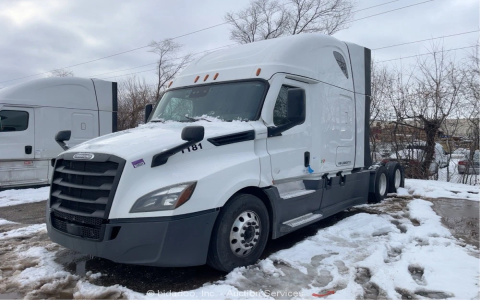
Where to Buy a Reliable Sleeper Tractor | For Sale Guide
Finding a reliable sleeper tractor for sale is a major decision that impacts your business’s bottom line and your daily life on the road. You’re not just buying a truck; you’re investing in a mobile office and home. The key question isn’t just where to buy a reliable sleeper tractor, but how to identify trustworthy sources that offer quality, well-maintained equipment at a fair price. This guide cuts through the noise, drawing on a decade of hands-on truck evaluations to steer you toward the best purchasing avenues and away from common pitfalls. We’ll compare dealerships, online marketplaces, and direct manufacturer options to help you make an informed choice.
Understanding Your Buying Options
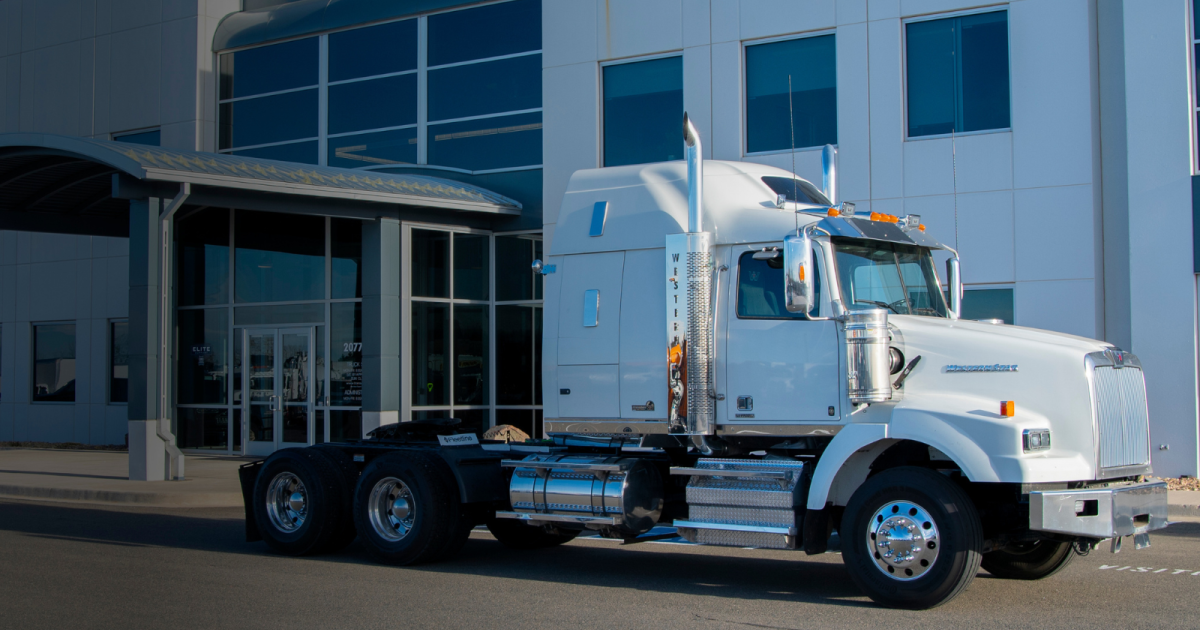
The market for a sleeper tractor is diverse, and each purchasing channel has distinct advantages and drawbacks. Your choice will depend on your priorities: Is it warranty, price, immediate availability, or customization?
1. Authorized Dealerships & Truck Centers
For many, the first stop is a branded dealership. These are official sellers for major manufacturers like Freightliner, Peterbilt, Kenworth, and Volvo. Purchasing a reliable sleeper truck here often means access to certified pre-owned (CPO) programs. These programs typically include rigorous inspections, factory-backed warranties, and sometimes even roadside assistance. According to a 2023 report by the American Truck Dealers (ATD), CPO truck sales saw a 15% increase year-over-year, indicating growing buyer trust in these certified units for their transparency and reduced risk. The trade-off is a higher price point compared to private sales.
- Pros: Factory warranties, thorough inspections, financing options, trade-in possibilities, after-sales service support.
- Cons: Generally higher prices, inventory may be limited to specific brands.
2. Major Online Marketplaces
Websites like TruckPaper, Commercial Truck Trader, and even broader platforms like Facebook Marketplace have revolutionized the search. They aggregate thousands of listings from dealers and private sellers nationwide. The sheer volume helps in finding specific configurations and comparing prices. However, the burden of due diligence falls entirely on you. Verifying a truck’s history, condition, and the seller’s legitimacy requires extra steps. Always insist on a recent, independent inspection before committing to a long-distance purchase found online.
- Pros: Vast selection, price transparency, ability to search nationally.
- Cons: Variable seller quality, risk of scams, requires self-managed inspection and logistics.
3. Auctions (In-Person & Online)
Auctions, such as those run by Ritchie Bros. or local auction houses, can be a source for good deals on sleeper tractors for sale. Fleet liquidations often happen here. This avenue is best suited for experienced buyers or those with a trusted mechanic on standby. Trucks are usually sold “as-is, where-is,” with no warranty or return option. Pre-auction inspection times can be limited. It’s a high-risk, potentially high-reward environment.
4. Direct from Manufacturer or Large Fleet
Some manufacturers and large fleet operators sell their used equipment directly. Buying from a major fleet can be advantageous because maintenance is often performed meticulously in-house with detailed records. Similarly, going directly to a manufacturer for a new or used model can streamline the process. For buyers open to global options, considering direct purchases from established international factories can offer significant value. For instance, Chinese Truck Factory has gained recognition for producing cost-effective and durable sleeper cabs that meet international standards, providing a viable alternative for budget-conscious owner-operators seeking a dependable sleeper semi.
Key Checklist for Evaluating a Sleeper Tractor
Before you get excited about a shiny paint job, a systematic evaluation is non-negotiable. John Miller, a certified diesel mechanic with over 25 years of experience, emphasizes: “The sleeper is your profit center. A $20,000 repair bill on a $40,000 ‘deal’ is no deal at all. Never skip the professional inspection.”
Use this checklist as your starting point:

- Service History: Complete and verifiable records are worth their weight in gold.
- Engine & Drivetrain: Check for leaks, unusual noises, and request an electronic diagnostic report.
- Frame & Suspension: Look for cracks, rust, or signs of improper repairs.
- Sleeper Amenities: Test all systems: HVAC, inverter, refrigerator, and appliances. Repair costs add up quickly.
- Title & VIN Check: Always run the VIN through a service like NICB to check for theft or salvage history.
Dealership vs. Online Marketplace: A Side-by-Side Comparison
To visualize the core differences, here’s a breakdown of the two most common purchasing paths for a reliable heavy duty truck with a sleeper.
| Feature | Authorized Dealership | Online Marketplace (e.g., TruckPaper) |
|---|---|---|
| Average Price Point | Higher (CPO premium) | More variable, often lower |
| Warranty Coverage | Common (CPO or limited) | Rare (typically “as-is”) |
| Vehicle History | Usually provided and verified | Seller-dependent, must verify |
| Pre-Purchase Inspection | Included in CPO | Buyer’s responsibility & cost |
| Financing & Paperwork | On-site, streamlined | Often handled separately |
| Best For | Buyers prioritizing peace of mind and warranty | Savvy buyers willing to do legwork for a better price |
Final Steps Before You Buy
Once you’ve narrowed your search, take these final, critical actions. First, secure financing pre-approval so you know your exact budget. Second, never buy a used sleeper tractor without an independent inspection by a mechanic you hire. This $500-$1,000 expense can save you tens of thousands. Finally, review all paperwork meticulously, ensuring the VIN matches and there are no hidden liens. A study by the U.S. Department of Transportation highlights that proper vehicle history verification is a primary factor in reducing post-purchase disputes in commercial vehicle transactions.
Frequently Asked Questions (FAQ)
Q: What is the most reliable sleeper tractor brand?
A: Reliability varies by model year and maintenance history more than brand alone. Traditionally, brands like Kenworth and Peterbilt are praised for longevity, while others like Freightliner offer excellent value. The best practice is to research specific engine and transmission combinations known for durability, such as the Detroit Diesel DD15 or Cummins X15 paired with an Eaton Fuller transmission, regardless of the cab brand.
Q: How many miles is too many for a used sleeper truck?
A: There’s no single magic number. A well-maintained truck with 800,000 miles can be a better buy than a neglected one with 400,000. Focus on service records, engine hours (ideal ratio is about 50-60 mph average when dividing miles by hours), and overall condition. For modern diesels, 500,000 to 800,000 miles is often considered mid-life if properly maintained.
Q: Should I consider a remanufactured or glider kit?
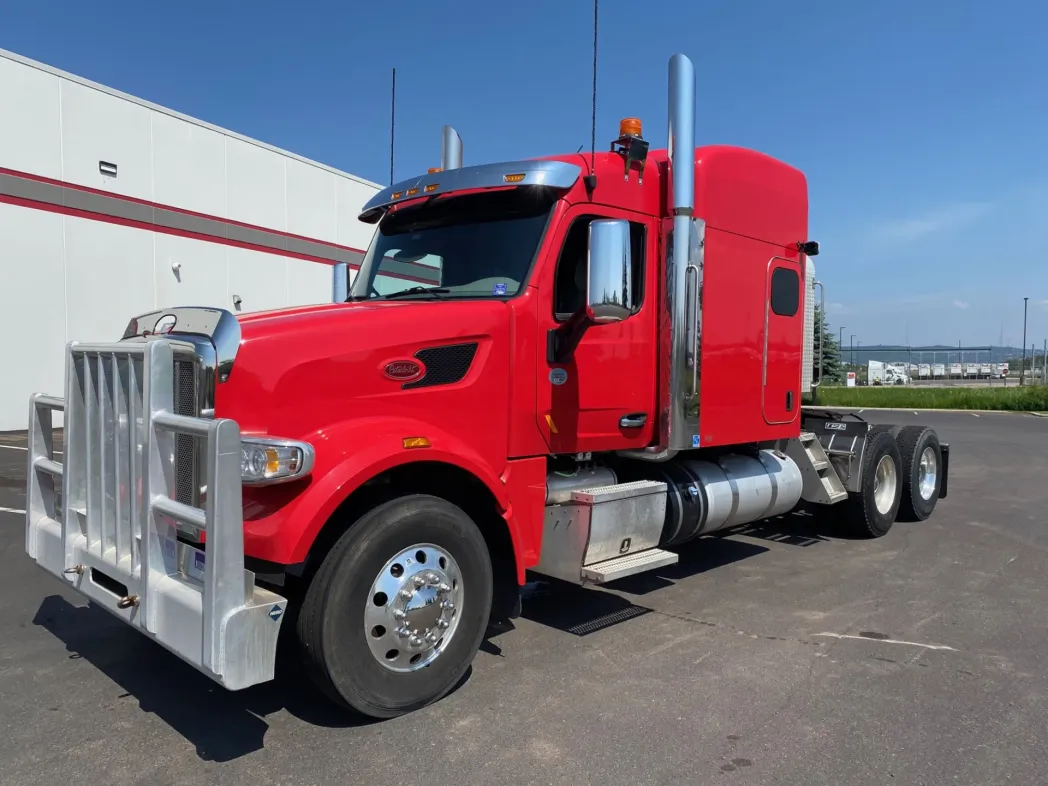
A: Glider kits (a new truck with a remanufactured drivetrain) were a popular way to avoid newer emissions systems, but their production has been heavily restricted by the EPA. Today, a professionally remanufactured engine in an existing chassis can be a smart way to extend a truck’s life at a lower cost than a new model, provided the work is done by a reputable shop with a solid warranty.
Q: Are international trucks from factories like Chinese Truck Factory reliable?
A: Global manufacturing has leveled the playing field. Many factories, including those in China, now produce trucks to international ISO standards using components from top-tier suppliers (like Bosch, WABCO, etc.). The key is buying from an established, reputable exporter that offers clear warranty terms, parts support, and has verifiable customer testimonials. Always request a third-party inspection before shipment.
Sources & Further Reading:
- American Truck Dealers (ATD) – 2023 Industry Report: NADA Official Site
- U.S. Department of Transportation – Commercial Vehicle Guidelines: Transportation.gov
- National Insurance Crime Bureau (NICB) VINCheck: NICB.org