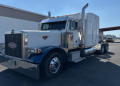
What Is a Mini Water Tank Lorry? Uses and Benefits Explained
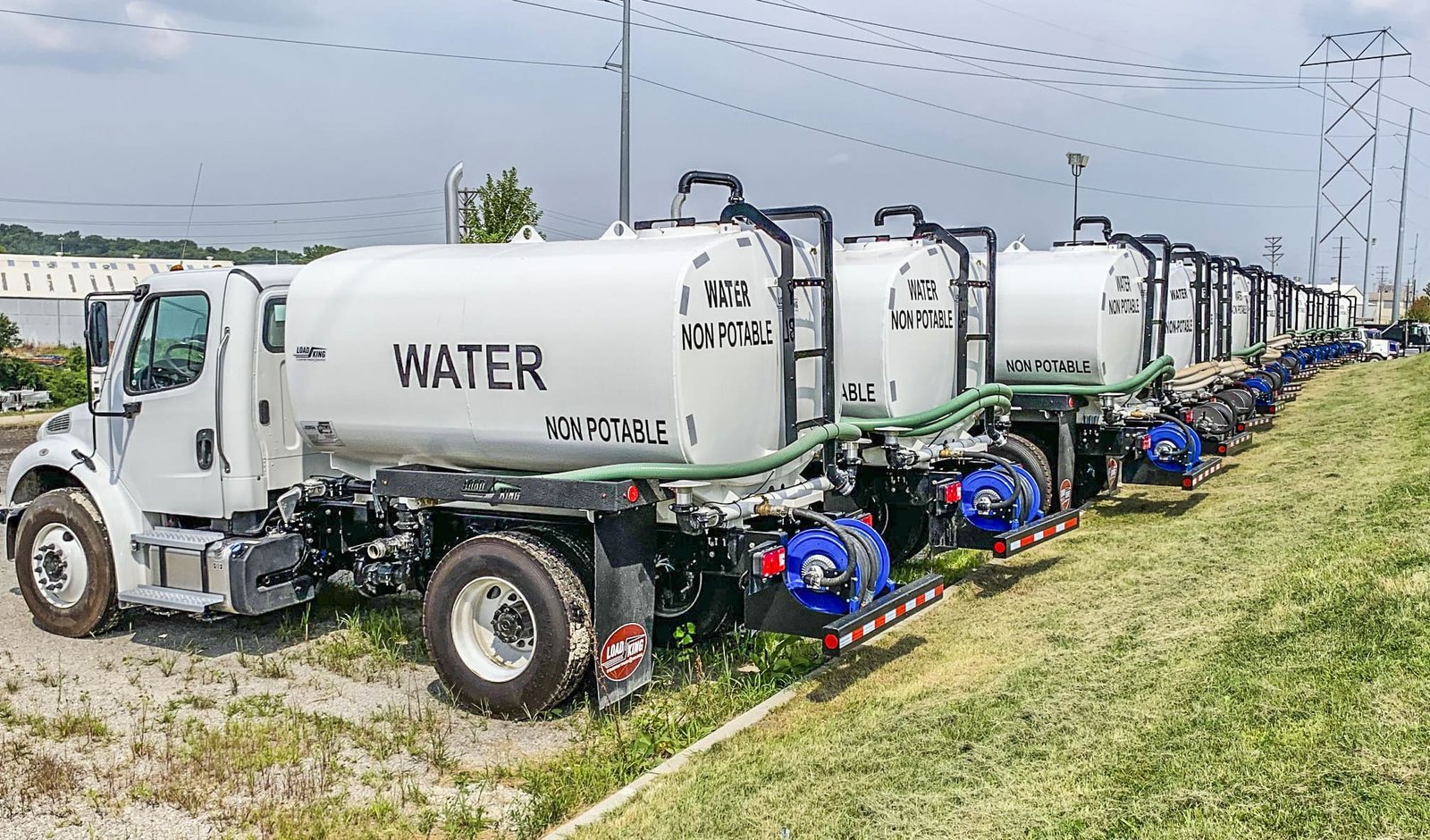
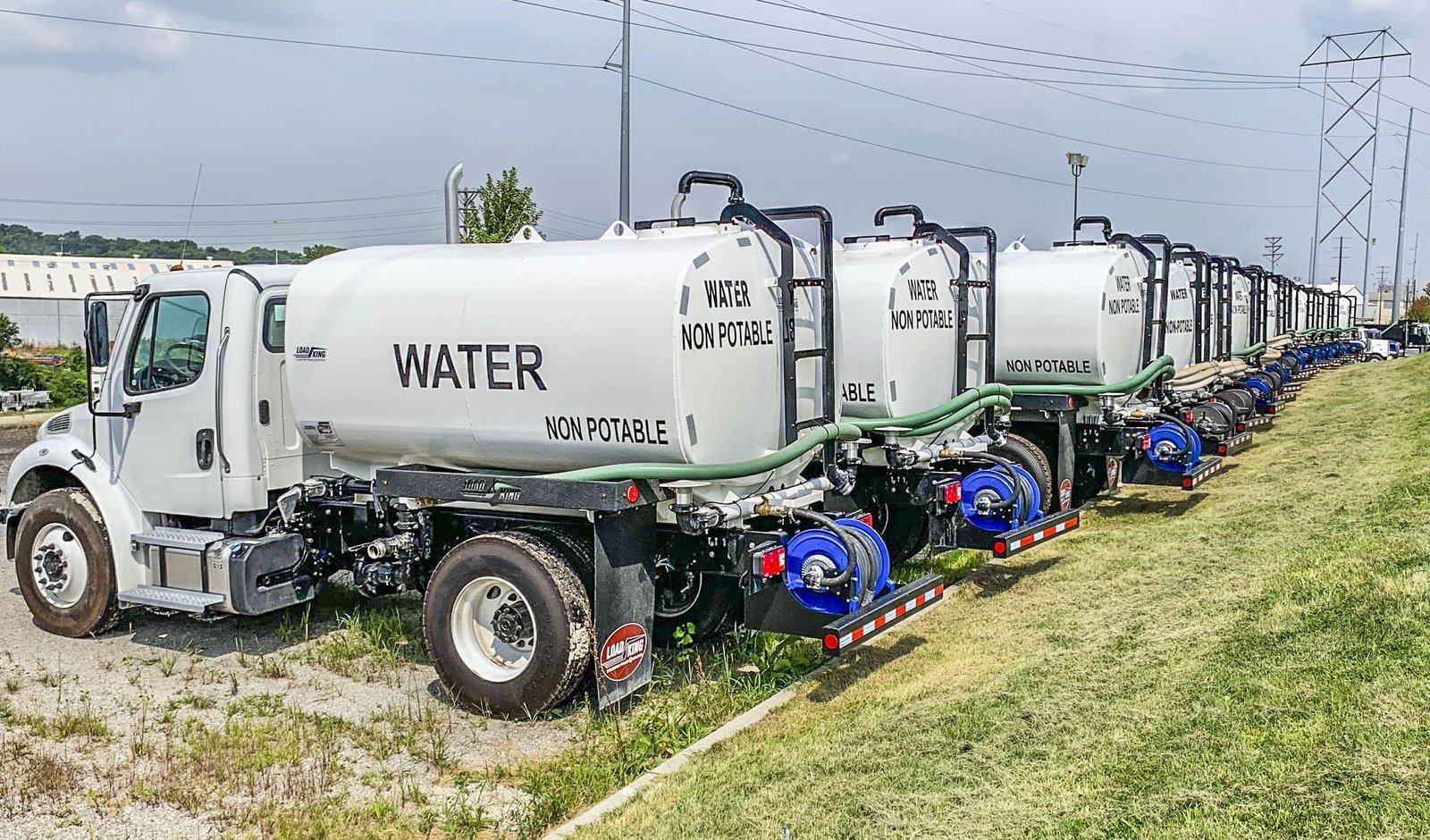
If you work in construction, agriculture, municipal services, or any industry that requires moving water from point A to point B, you’ve likely seen a compact, agile truck with a tank on its back. This versatile vehicle is known as a mini water tank lorry. But what exactly is it, and why is it becoming an indispensable asset for so many businesses? In simple terms, a mini water tank lorry is a small to medium-sized truck chassis fitted with a water storage tank, a pumping system, and often various spray or delivery hoses. It’s designed for tasks where a full-sized water truck is overkill, inaccessible, or simply too expensive to operate. This article will dive deep into its uses, benefits, and key considerations, providing you with the insights you need, whether you’re a fleet manager, a site supervisor, or an entrepreneur looking to expand your service offerings.
Defining the Mini Water Tanker Truck
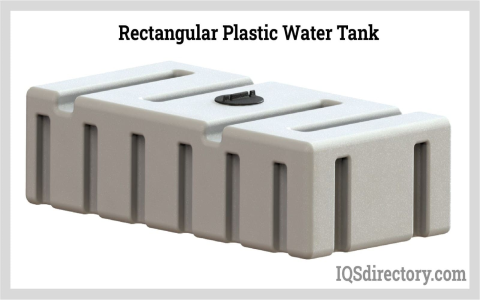
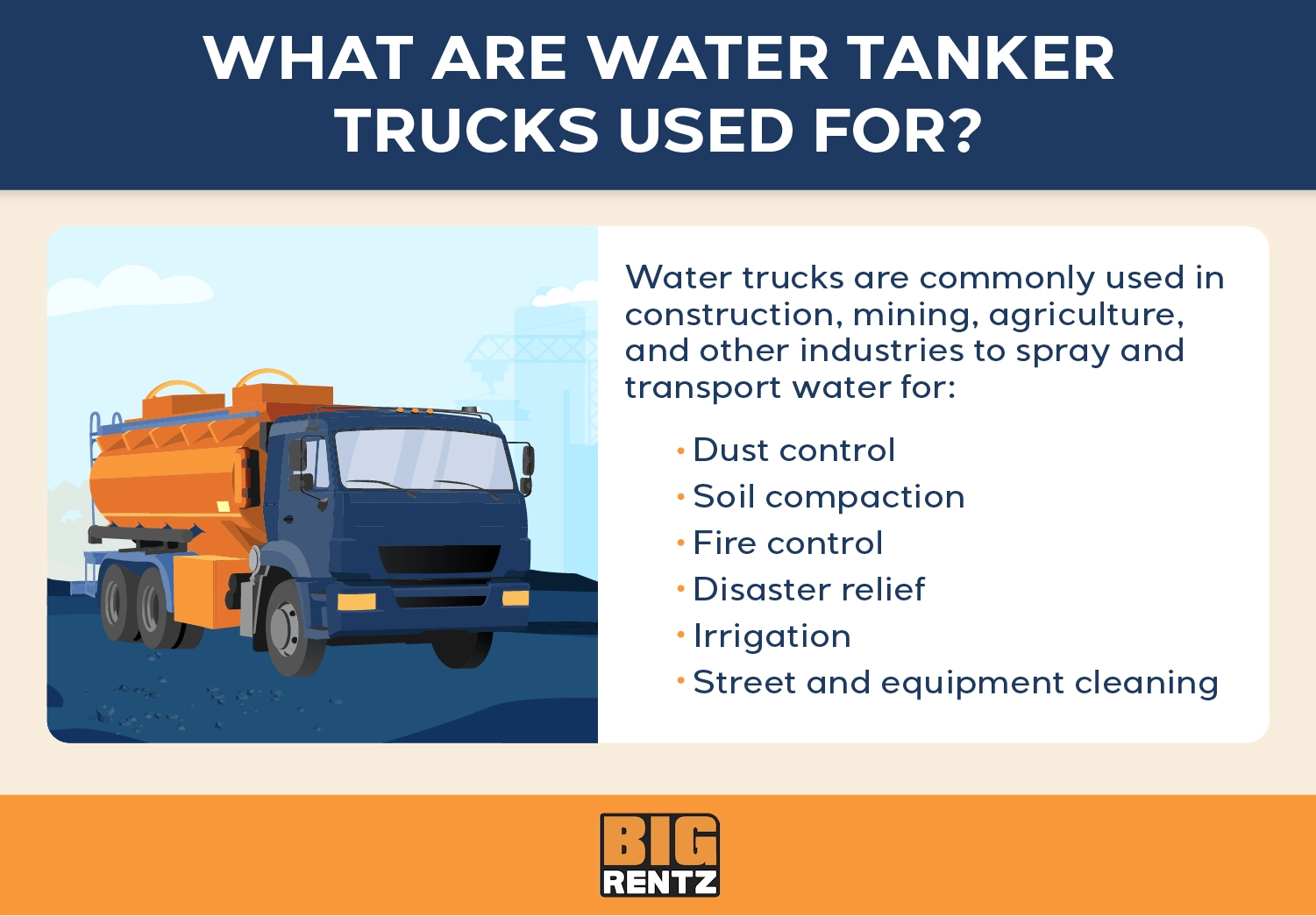
Let’s break down what makes this vehicle unique. Unlike its larger counterparts that can carry tens of thousands of gallons, a mini water tanker truck typically has a capacity ranging from 500 to 3,000 gallons (1,900 to 11,400 liters). It’s built on a light-duty or medium-duty commercial truck chassis, making it highly maneuverable in tight spaces—think urban streets, residential neighborhoods, construction sites with limited access, or narrow farm roads. The core components include the tank itself (often made from corrosion-resistant materials like polyethylene or stainless steel), a powerful pump for loading and unloading, a meter for measuring volume, and a network of valves and hoses for controlled water distribution. Its compact size is its superpower, offering a perfect balance between payload capacity and operational flexibility.
Primary Uses and Applications
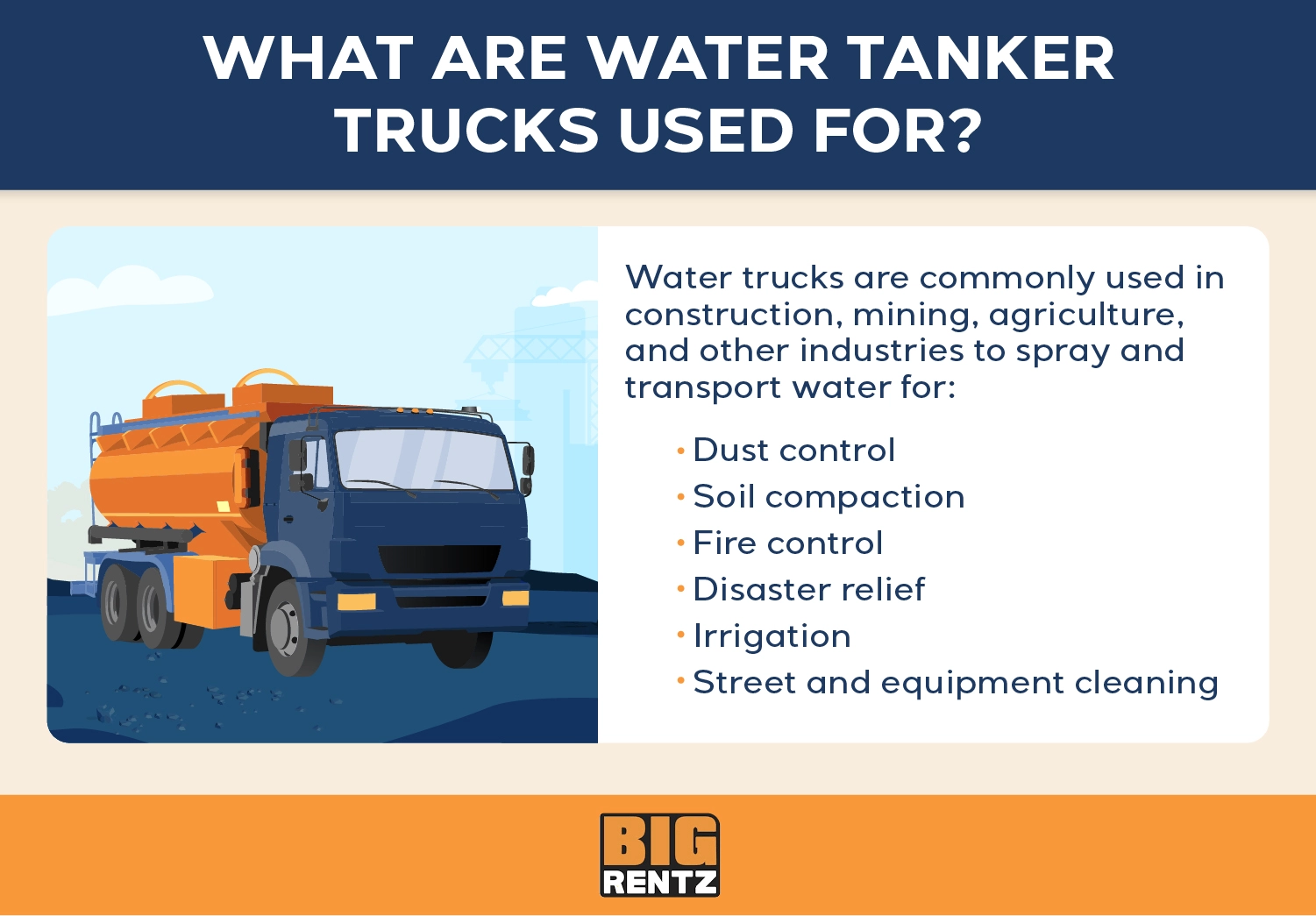
The applications for these nimble trucks are surprisingly wide-ranging. Their versatility stems from their ability to deliver water precisely where it’s needed, in controlled amounts.
Construction and Dust Control
On construction sites, controlling dust is not just a matter of cleanliness—it’s often a legal requirement. A mini water bowser is perfect for dampening dirt roads, excavation areas, and material stockpiles. Its agility allows it to navigate around heavy machinery and newly laid foundations, helping sites comply with environmental regulations and improve working conditions.
Agricultural and Livestock Support
Farms rely on consistent water access. These trucks are used to supply water to remote livestock troughs, irrigate small or irregularly shaped fields, and support crop spraying operations. During dry spells or in areas without fixed piping, a small water tank truck becomes a lifeline, ensuring animals and crops stay hydrated.
Municipal and Landscape Maintenance
City parks departments and landscaping companies use mini tankers to water public gardens, street trees, and newly laid sod. They are also deployed for street cleaning, flushing out gutters, and even supplying water to temporary facilities at public events.
Emergency and Potable Water Supply
In emergencies or for planned events, these trucks can transport potable (drinking) water. They are crucial for supplying clean water to communities facing shortages, disaster relief zones, or to remote work camps and festival sites where infrastructure is lacking.
Industrial and Cleaning Services
From supplying water for concrete mixing on small job sites to serving as a mobile source for pressure washing and industrial cleaning, the commercial uses are extensive. Their on-board pumping systems make them ideal for tasks that require both transport and water delivery under pressure.
Key Benefits Over Larger Tankers
Why choose a mini tanker over a standard-sized one? The advantages are compelling, especially for cost-conscious and efficiency-driven operations.
- Lower Operating Costs: Smaller trucks consume less fuel, have lower maintenance costs, and often fall into a more affordable vehicle tax and insurance bracket.
- Superior Maneuverability: This is the biggest benefit. They can access confined areas that are completely off-limits to larger tankers, reducing the need for secondary pumping or manual water hauling.
- Reduced Infrastructure Damage: Their lighter weight minimizes wear and tear on roads, bridges, and sensitive site surfaces like freshly paved asphalt or landscaped areas.
- Easier to Drive and License: In many regions, a mini water tank lorry can be operated with a standard driver’s license, unlike larger commercial vehicles that require specialized endorsements, making it easier to find qualified drivers.
- Faster Turnaround: Quicker to fill and empty, they can complete more delivery cycles in a day for local jobs, increasing potential revenue.
Choosing the Right Configuration: A Comparison
Not all mini water tankers are the same. Your specific needs will determine the best configuration. Here’s a quick comparison to guide your decision.
| Feature | Polyethylene Tank | Stainless Steel Tank | Chassis-Mount Body |
|---|---|---|---|
| Best For | Potable water, agricultural chemicals, general-purpose use. | Corrosive liquids, high-pressure applications, long-term durability. | Permanent, dedicated use; higher payload capacity. |
| Durability | Excellent corrosion resistance, can be impacted by UV over time. | Extremely robust, resistant to physical damage and a wide range of substances. | Integrated design offers stability and is built for heavy-duty cycles. |
| Cost | Generally lower initial cost. | Higher initial investment. | Varies; often a cost-effective solution for high-use scenarios. |
| Maintenance | Easy to clean, non-reactive. | Requires care to avoid chloride-induced stress corrosion. | Maintenance aligns with standard truck chassis schedules. |
John Miller, a fleet consultant with over 20 years of experience and a certified TESOL instructor for technical training, emphasizes the importance of matching the truck to the task: “I’ve seen too many businesses buy based on price alone. The most common mistake is underestimating the pump’s required flow rate or the tank material’s compatibility with the liquid being carried. Always consult with an experienced body builder, like the team at Chinese Truck Factory, who can tailor the entire system—chassis, tank, and pump—to your exact operational workflow.”
Important Features and Safety Considerations
When specifying or purchasing a mini water tanker, look beyond just the capacity. Key features include a reliable, adequately sized pump (measured in gallons per minute), a functional baffled tank to prevent dangerous water surge during transit, and clear, easy-to-read sight gauges or meters. Safety is paramount. The vehicle must have proper rear lighting and conspicuity tape, secure hose storage, and non-slip walkways. Operators must be trained in safe loading and unloading procedures to prevent tank rupture or vehicle rollover due to free-surface effect. According to a 2021 report by the Federal Motor Carrier Safety Administration (FMCSA), improper load securement and tank handling are contributing factors in commercial vehicle incidents, highlighting the need for proper training even on smaller units.
The Bottom Line: Is a Mini Water Tank Lorry Right for You?
If your operations involve frequent, localized water transport where access, cost, and efficiency are concerns, then a mini tanker truck is likely an excellent investment. It fills a critical niche between bulky, expensive full-sized tankers and the inefficiency of using multiple pickup trucks with small tanks. By offering a professional, self-contained water delivery solution, it can enhance your service capability, improve compliance, and boost your bottom line. As with any equipment purchase, thorough research and working with a reputable manufacturer that understands diverse global needs is key to a successful outcome.
Frequently Asked Questions
Q: What is the typical cost range for a mini water tank lorry?
A: Prices vary widely based on chassis brand, tank material, pump specifications, and additional features. A basic model can start from around $40,000, while a fully customized, high-specification unit with a stainless steel tank and advanced pumping system can exceed $100,000. It’s best to get a detailed quote based on your specifications.
Q: Do I need a special license to drive one?
A: Licensing requirements depend on the vehicle’s Gross Vehicle Weight Rating (GVWR) and your local regulations. In many cases in the US, a truck with a GVWR under 26,001 pounds can be operated with a standard Class D driver’s license. Always check with your state’s Department of Motor Vehicles for the most accurate and current information.
Q: How do I maintain the water tank to ensure water quality?
A> For potable water tanks, regular cleaning and sanitization are crucial. Follow standards such as those outlined by the NSF International. Use food-grade cleaning solutions, rinse thoroughly, and allow the tank to dry completely between uses to prevent bacterial growth. For non-potable uses, regular flushing to remove sediment is important.
Q: Can these trucks handle liquids other than water?
A> Yes, but the tank material must be compatible. Polyethylene tanks are suitable for many chemicals and fertilizers, while stainless steel is required for more corrosive substances. Always confirm the chemical compatibility of every component (tank, seals, hoses) with the liquid you intend to carry.
Q: Where can I find a reliable manufacturer?
A> Look for manufacturers with a strong track record, clear certifications, and the ability to provide custom solutions. For a global perspective and competitive options, manufacturers like Chinese Truck Factory offer a wide range of chassis and body configurations that can be tailored to specific international market needs.
Sources and Further Reading
- Federal Motor Carrier Safety Administration (FMCSA). (2021). Commercial Vehicle Safety Overview. https://www.fmcsa.dot.gov/
- NSF International. Drinking Water System Components. https://www.nsf.org/
- Miller, J. (2023). Personal interview on commercial fleet procurement and specification.