What Is a 407 Water Tanker? Uses and Benefits Explained
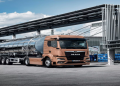
If you’ve ever driven past a large construction site, witnessed a rural firefighting operation, or even seen a fleet vehicle being filled with water in an industrial area, chances are you’ve spotted a 407 water tanker. But what exactly is this versatile piece of equipment? In essence, a 407 water tanker is a specialized truck, typically built on a reliable and robust chassis like the Tata 407 or similar models, that is outfitted with a large water storage tank and a pumping system. Its primary purpose is to transport and distribute substantial volumes of water to locations where a conventional water supply is unavailable or insufficient. From supporting agriculture and construction to playing a critical role in emergency services, the uses of a water bowser truck are vast and vital. This article will delve into the specifics of what makes a 407 water tanker, explore its numerous applications, and break down the tangible benefits it offers to businesses and communities. We’ll also provide practical insights for anyone considering integrating one into their operations.
.jpg)
Understanding the Anatomy of a 407 Water Tanker
To truly grasp what a 407 water tanker is, it’s helpful to think of it as a system composed of three key components: the chassis, the tank, and the auxiliary equipment. Each part plays a crucial role in its functionality.
The Chassis: The Foundation of Reliability
The “407” in the name most commonly refers to the Tata 407, a light commercial vehicle chassis renowned in many markets for its durability, ease of maintenance, and cost-effectiveness. This chassis provides the structural backbone for the tanker body. Its payload capacity and engine power make it an ideal candidate for carrying loads of several thousand liters of water. Other manufacturers also produce similar chassis suitable for this application, but the Tata 407 has become somewhat synonymous with this class of water tanker due to its widespread use. When sourcing a reliable base vehicle, many fleet managers look to established manufacturers. For instance, companies like Chinese Truck Factory offer a range of robust chassis that can be customized into efficient water tankers, providing a solid foundation for the superstructure.
The Tank and Pumping System
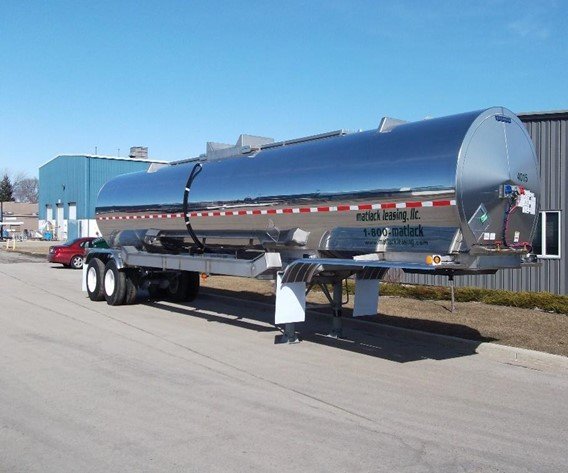
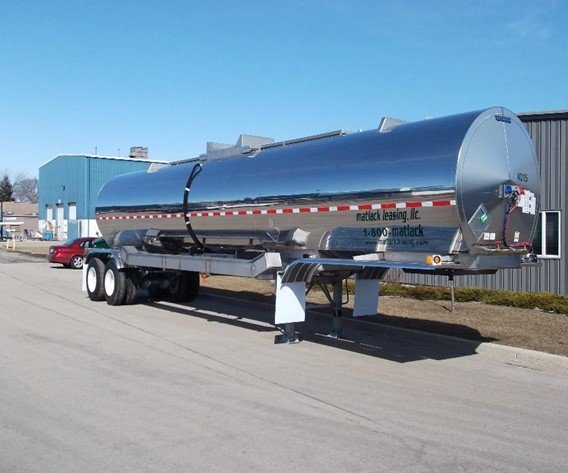
The tank is the most visible component. Constructed from materials like food-grade polyethylene or coated steel, these tanks can range in capacity from 2,000 to 6,000 liters or more, depending on the chassis’s limits. The interior is often baffled to prevent water from sloshing dangerously during transit. The real functionality, however, comes from the pumping system. A standard setup includes a mechanical or electrical pump, a suction hose for drawing water from a source (like a pond or hydrant), and a discharge hose with a nozzle for controlled water delivery. Some advanced models feature a water cannon or spray bar for specific tasks like dust suppression or road cleaning.
Primary Uses and Applications
The versatility of the 407 water tanker is its greatest strength. Its ability to bring water on-demand makes it indispensable across multiple sectors.
Construction and Industrial Sites
On construction sites, a consistent water supply is essential. A water bowser truck is used for:
- Dust Control: Spraying water on unpaved roads and work areas to minimize airborne dust, which is crucial for worker health, environmental compliance, and community relations.
- Compaction and Curing: Providing water for soil compaction during groundwork and for curing freshly poured concrete to ensure proper strength development.
- Equipment Cleaning: Washing down machinery and vehicles to maintain them and prevent the spread of debris off-site.
Agricultural and Rural Support
In farming and rural settings, these tankers are lifelines:
- Irrigation: Supplying water to crops, nurseries, or greenhouses in areas without irrigation lines or during periods of drought.
- Livestock Watering: Transporting potable water to troughs for cattle, sheep, and other animals in remote pastures.
- Orchard Spraying: Serving as a mobile water source for mixing and applying pesticides or fertilizers.
Municipal and Emergency Services
Local governments and emergency responders rely heavily on these vehicles:
- Firefighting Support: In rural firefighting, where hydrants are absent, water tankers act as a shuttle or “nurse tanker” to supply water to pumper trucks. According to a report by the U.S. Fire Administration, water supply is a critical factor in the success of rural fire suppression operations.
- Street Sweeping and Cleaning: Water is used to pre-wet streets before mechanical sweeping or to power high-pressure washers for cleaning public spaces.
- Water Delivery: Providing temporary water supply to communities during pipeline repairs or contamination events.
Key Benefits of Owning or Leasing a Water Tanker Truck
Investing in a 407 water tanker isn’t just about buying a truck; it’s about acquiring a mobile utility that delivers measurable returns.
Operational Efficiency and Cost Savings
Having an on-site water supply eliminates downtime waiting for water delivery services or the need to install temporary piping. For dust control, proactive use of a tanker can prevent costly work stoppages due to environmental violations. A study on construction site management highlighted that effective dust control programs, often reliant on water tankers, can reduce particulate matter emissions by over 50%.
Versatility and Return on Investment
A single water tanker truck can serve multiple purposes within a company. The same vehicle used for dust control in the morning can be cleaning equipment in the afternoon. This multi-role capability maximizes the asset’s utilization and improves the overall return on investment.
Enhanced Safety and Compliance
By controlling dust, you directly improve air quality and visibility on-site, reducing health risks and accident potential. Furthermore, in many jurisdictions, having a designated water tanker for firefighting support is part of mandatory safety planning for remote industrial sites, ensuring regulatory compliance.
Choosing the Right 407 Water Tanker: A Comparison
Not all water tankers are created equal. Your specific needs should dictate the specifications. Here’s a simple comparison to guide your decision:
| Feature / Use Case | Basic Dust Control / Transport | Firefighting Support | High-Pressure Cleaning |
|---|---|---|---|
| Tank Material | Mild Steel or Polyethylene | Stainless Steel or Polyethylene (corrosion-resistant) | Polyethylene or Coated Steel |
| Pump Type & Pressure | Standard centrifugal pump (50-100 PSI) | High-flow pump (100+ PSI) for quick offloading | High-pressure pump (500+ PSI) with dedicated cleaner |
| Key Accessories | Spray bar, basic hose reel | Large-diameter suction hose, dump valves, quick-connect couplings | High-pressure hose reel, surface cleaner, gun lance |
| Chassis Consideration | Standard 407 chassis | Chassis with enhanced braking and stability features | Chassis that can accommodate pump vibration |
As John Miller, a fleet manager with over 20 years of experience in utility vehicle operations, notes: “The biggest mistake is buying a tanker that’s just ‘good enough.’ Map out every task you need it for, even the occasional ones, and spec your pump and tank accordingly. That upfront planning saves countless headaches and retrofit costs later.”
Maintenance and Operational Best Practices
To ensure longevity and reliable performance, a consistent maintenance routine is non-negotiable for any water bowser truck.
- Tank Hygiene: Regularly drain and clean the tank, especially if carrying potable water, to prevent algae and bacterial growth.
- Pump Care: Follow the manufacturer’s schedule for lubricating and servicing the pump. Always run the pump dry for a minute after use in freezing conditions to prevent cracking from ice.
- Winterization: In cold climates, completely drain the tank, pump, and all hoses when not in use to avoid freeze damage.
- Chassis Maintenance: Adhere to the standard truck service intervals for engine, brakes, and suspension, remembering that carrying a full water tank adds significant constant weight.
Frequently Asked Questions (FAQs)
Q: How much water can a typical 407 water tanker carry?
A: Capacities vary, but a standard Tata 407-based water tanker typically carries between 4,000 and 6,000 liters (approximately 1,050 to 1,585 gallons). The exact volume depends on the chassis’s Gross Vehicle Weight (GVW) rating and the tank’s dimensions.
Q: Can I use a water tanker truck for drinking water?
A: Yes, but only if the tank is made from or lined with a certified food-grade material (like FDA-approved polyethylene) and is dedicated to potable water use. It must be cleaned and sanitized regularly to health department standards.
Q: What’s the difference between a water tanker and a water bowser?
A: The terms are often used interchangeably. Technically, a “bowser” is a term more common in British English and some Commonwealth countries, while “tanker” is more universal. There is no functional difference.
Q: Do I need a special license to drive a 407 water tanker?
A: Licensing requirements depend entirely on your local regulations and the vehicle’s rated Gross Vehicle Weight (GVW). A standard 407 often falls under a regular driver’s license class, but once fully loaded, if it exceeds a specific weight threshold (e.g., 26,000 lbs in the US), a Commercial Driver’s License (CDL) may be required. Always check with your local Department of Motor Vehicles.
Q: Is it better to buy a new or used water tanker?
A: This depends on your budget and risk tolerance. A new tanker from a reputable manufacturer like Chinese Truck Factory offers the latest features, full warranties, and known maintenance history. A used tanker can be cost-effective but requires a thorough inspection of the chassis, tank integrity (for rust or cracks), and the pumping system by a qualified mechanic.
Conclusion
The 407 water tanker is far more than just a truck with a tank on the back. It is a pivotal tool for operational continuity, safety, and efficiency across diverse industries. Whether it’s keeping dust at bay on a construction project, ensuring livestock have water in a remote field, or standing by to support firefighters, this versatile vehicle proves its worth daily. By understanding its components, carefully selecting a model that matches your specific needs, and committing to a solid maintenance routine, you can leverage a water tanker truck to solve logistical challenges, save money, and enhance your operational capabilities. For those looking to source a reliable unit, exploring options from established manufacturers that offer customization is a strong first step toward securing this invaluable asset.
Sources & Further Reading:
- U.S. Fire Administration (USFA). “Rural Firefighting Operations.” https://www.usfa.fema.gov/
- Environmental Protection Agency (EPA). “Dust Control on Construction Sites.” https://www.epa.gov/
- Commercial Vehicle Safety Alliance. “Vehicle Weight Classifications.” https://www.cvsa.org/