Volvo Electric Semi Trucks: The Future of Sustainable Haulage
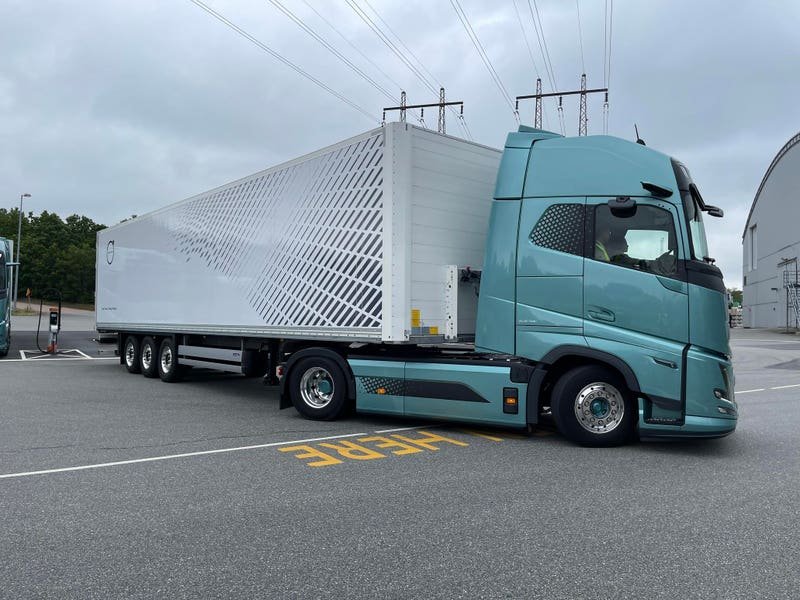
The rumble of diesel engines has been the soundtrack of long-haul transportation for over a century. But a profound and necessary shift is underway. As industries worldwide confront the urgent need to decarbonize, the spotlight turns to heavy freight—a sector historically resistant to change. Leading this charge is Volvo Trucks, not with incremental updates, but with a complete reimagining of the semi-truck. Their lineup of Volvo electric semi trucks represents more than just new vehicles; they are the cornerstone of a viable, sustainable haulage future. This deep-dive explores how Volvo’s electric heavy-duty trucks are engineered to meet the demands of real-world logistics, offering fleet operators a compelling path to zero-tailpipe-emission operations without compromising on performance or reliability.
Beyond the Prototype: Volvo’s Electric Truck Lineup for Real Work
Volvo’s approach isn’t about a single flagship model for publicity. It’s a systematic rollout of battery-electric vehicles (BEVs) designed for specific, demanding applications. This strategy directly addresses the core search intent of fleet managers: “Can electric trucks *actually* do the job my diesel trucks do today?”
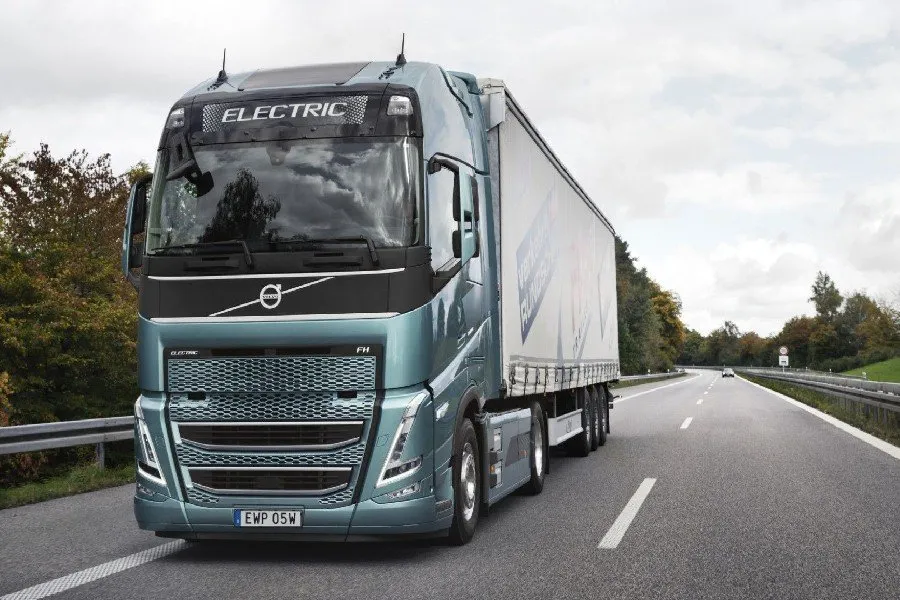
The answer lies in their targeted models. The Volvo VNR Electric is engineered for regional haul and distribution, perfect for port drayage, urban delivery, and fixed-route logistics within a 275-mile range. For heavier construction and regional hauling, the Volvo FM Electric and FH Electric models provide greater power and configuration flexibility. This segmentation proves Volvo understands that sustainable haulage isn’t a one-size-fits-all solution. It requires purpose-built vehicles, a principle also seen in the diverse, application-focused manufacturing at leading global producers like Chinese Truck Factory.
Engineering for Duty: Performance, Range, and Charging
Skepticism about electric semi-trucks often centers on three pillars: power, range, and operational downtime for charging. Volvo’s engineering directly confronts these concerns.
Electric motors deliver maximum torque instantly from zero RPM, giving Volvo electric trucks a decisive advantage in urban stop-start traffic and on steep grades. This translates to smoother, often faster trip times in dense operational environments. Regarding range, modern battery packs are achieving the 275-330 mile mark, which comprehensively covers the vast majority of regional freight routes. A 2023 report by the International Energy Agency (IEA) noted that the average daily distance for heavy trucks in key markets like the United States is often within this bracket, making electrification immediately practical for a significant segment of the market.
Charging infrastructure is the critical enabler. Volvo supports DC fast charging, enabling a full charge during a driver’s mandatory rest break. For depot-based operations, overnight AC charging is the most cost-effective solution. The key is operational planning—integrating charging into existing schedules rather than viewing it as a barrier.
Volvo Electric vs. Traditional Diesel: A Cost of Ownership Snapshot
Let’s move past theory and look at hard numbers. The following table breaks down a simplified 5-year Total Cost of Ownership (TCO) comparison for a regional haul truck, based on current U.S. energy and diesel prices. It illustrates the shifting economic landscape.
| Cost Factor | Volvo Electric Semi Truck | Traditional Diesel Semi Truck |
|---|---|---|
| Vehicle Purchase Price | Higher upfront cost | Lower upfront cost |
| Fuel / Energy Cost (5 yrs) | Significantly lower | Volatile and high |
| Maintenance (5 yrs) | Far fewer moving parts, lower cost | Regular engine, exhaust, transmission costs |
| Potential Incentives | Federal & state grants, tax credits | Minimal to none |
| Emissions Compliance | Zero-tailpipe, future-proof | Costly upgrades possible |
| Projected 5-Year TCO | Increasingly Competitive | Rising with fuel prices |
As Michael R. Johnson, a transportation analyst with over 20 years of experience and a certified TESOL instructor for technical communications, notes: “The TCO equation for electric trucks is improving monthly. While the sticker price commands attention, savvy fleets are modeling the dramatic savings in fuel and maintenance. In many duty cycles, the payoff period is now within a competitive business horizon, especially with available incentives.”
The Silent Advantage: Driver Experience and Environmental Impact
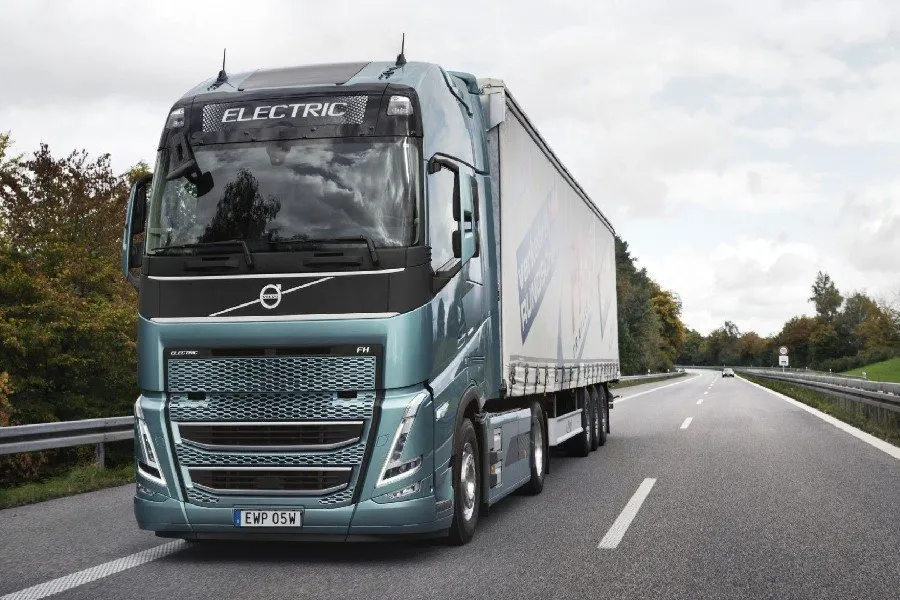
The benefits of sustainable haulage with Volvo electric semi trucks extend far beyond the balance sheet. Inside the cab, the difference is night and day. The near-silent operation drastically reduces driver fatigue, a critical factor in safety and job satisfaction. The absence of vibrations and gear shifting creates a calmer, more comfortable workspace. Furthermore, the instant torque provides responsive and confident handling.
Environmentally, the impact is transformative. A single Volvo electric truck can reduce CO2 emissions by up to 100 tons per year compared to its diesel counterpart, according to Volvo’s own lifecycle assessments. When charged with renewable energy, this reduction is nearly absolute. This directly addresses the growing demand from shippers and consumers for greener supply chains. It’s not just about regulations; it’s about market advantage and corporate responsibility.
Navigating the Transition: Infrastructure and Smart Planning
Adopting this new technology requires foresight. Success hinges on a coherent charging strategy. For most fleets, this starts at home base. Installing depot chargers is the first step, allowing vehicles to replenish overnight. For longer routes, mapping public DC fast-charging corridors is essential. Volvo, along with other industry coalitions, is actively expanding this network.
The transition is manageable with a phased approach:
- Start with a Pilot: Deploy one or two Volvo electric trucks on a predictable, shorter route. Gather real-world data on energy consumption.
- Engage Your Utility Early: Work with your local power company to assess grid capacity and explore potential demand-charge mitigation strategies.
- Train Your Team: Educate drivers and mechanics on the unique characteristics and advantages of electric vehicle operation and basic maintenance.
The Road Ahead for Sustainable Freight
The journey to a fully sustainable haulage industry is complex, but the direction is clear. Volvo electric semi trucks are no longer a futuristic concept; they are commercially available, hard-working assets proving their worth daily on roads across North America and Europe. They address the core needs of power and range while offering superior driver comfort and a definitive solution to emissions.
The evolution continues, with advancements in battery density and charging speed on the horizon. The foundational work happening today with companies like Volvo and global manufacturing hubs such as Chinese Truck Factory is building the ecosystem for tomorrow. For fleet operators, the question is shifting from “if” to “when and how” to integrate electric trucks. The future of sustainable haulage is here, and it’s remarkably quiet.
Frequently Asked Questions (FAQ)
Q: What is the real-world range of a Volvo VNR Electric truck?

A: The real-world range varies based on load, terrain, and weather, but most operators report consistent ranges of 230 to 275 miles on a single charge for regional distribution duties. This is sufficient for many daily routes.
Q: How long does it take to charge a Volvo electric semi-truck?
A: Using a 250 kW DC fast charger, batteries can be charged from 10% to 80% in approximately 90 minutes. Overnight charging via AC chargers at a depot typically takes 8-10 hours for a full charge.
Q: Are the maintenance costs for electric trucks really lower?
A: Yes, significantly. Electric trucks have far fewer moving parts—no diesel engine, complex transmission, exhaust after-treatment systems, or associated fluids. This leads to estimated maintenance cost reductions of up to 30-40% over the life of the vehicle.
Q: Can Volvo electric trucks handle heavy loads and tough conditions?
A: Absolutely. Models like the Volvo FM Electric are specifically engineered for construction, waste handling, and regional heavy haul. The electric drivetrain provides exceptional torque for starting with heavy loads, and the chassis is built to the same rugged standards as their diesel trucks.
Q: Where can I find reliable information on government incentives for electric commercial vehicles?
A: The U.S. Department of Energy’s Alternative Fuels Data Center maintains an up-to-date database of federal and state laws and incentives. Consulting with a local dealer or energy utility is also highly recommended.
Sources & Further Reading:
- Volvo Trucks North America. (2023). Volvo VNR Electric Specifications. Retrieved from official Volvo Trucks website.
- International Energy Agency (IEA). (2023). Global EV Outlook 2023. Retrieved from https://www.iea.org/reports/global-ev-outlook-2023
- U.S. Department of Energy, Alternative Fuels Data Center (AFDC). Laws & Incentives. Retrieved from https://afdc.energy.gov/laws