Vacuum Tanker Trailers for Sale | Find Your Perfect Unit Today
Finding the right vacuum tanker trailer for sale is a critical decision that impacts your operation’s efficiency, safety, and bottom line. Whether you’re in the waste management, industrial cleaning, or agricultural sector, the perfect unit must balance capacity, durability, and regulatory compliance. With a crowded marketplace, cutting through the noise to identify a trailer that meets your specific needs can be daunting. This guide is designed to simplify that process, drawing on real-world expertise to help you make an informed investment. We’ll explore key features, compare top configurations, and provide actionable advice to ensure you find a vacuum tanker trailer that delivers reliable performance for years to come.
Understanding Vacuum Tanker Trailer Applications
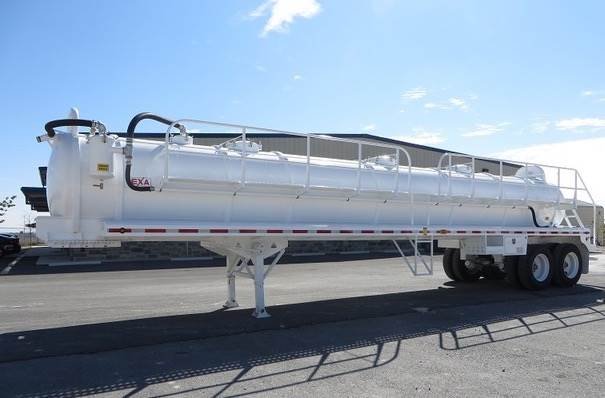
Before diving into specifications, it’s essential to match the trailer to its primary job. A unit perfect for municipal sludge hauling may be ill-suited for hazardous liquid waste. The application dictates everything from the tank material to the pump type.
Common Industrial and Municipal Uses
These versatile trailers handle a wide range of materials. Key sectors include:
- Liquid Waste & Septic: Pumping and transporting non-hazardous waste from residential and commercial sources.
- Industrial Cleaning: Vacuuming liquids, slurries, and sludge from tanks, lagoons, and spill sites.
- Oil & Gas: Handling drill cuttings, frac water, and other exploration byproducts.
- Agricultural & Dairy: Managing manure slurry and liquid fertilizers.
- Vactor & Catch Basin Cleaning: Combined high-pressure water and vacuum systems for municipal infrastructure.
Choosing a vacuum tanker trailer for sale starts with a clear understanding of the material’s viscosity, abrasiveness, and chemical composition.
Key Features to Evaluate Before You Buy
Not all vacuum trailers are created equal. Focusing on these core components will prevent costly mistakes and operational headaches.
Tank Construction and Capacity
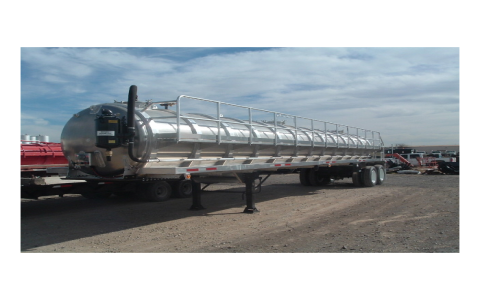
The tank is the heart of the unit. Carbon steel is common for non-corrosive materials, while stainless steel (often 304 or 316 grade) is mandatory for corrosive substances like salty water or certain chemicals. Capacity typically ranges from 1,500 to 5,000 gallons. Remember, a larger tank means fewer trips but also higher weight and potential maneuverability issues. Always consider your local weight laws and axle configurations.
Vacuum Pump Power and Technology
The pump is the muscle. Two main types dominate the market:
- Liquid Ring Pumps: Known for reliability and handling wet loads well. They are generally more tolerant of small particulates.
- Positive Displacement (PD) Blowers: Provide higher vacuum levels and faster cycling times, ideal for drier materials. They often require more precise filtration.
Power is usually provided by a separate diesel engine (a “power pack”) or a PTO from the truck. Independent power packs offer greater flexibility but add to maintenance.
Safety and Regulatory Compliance
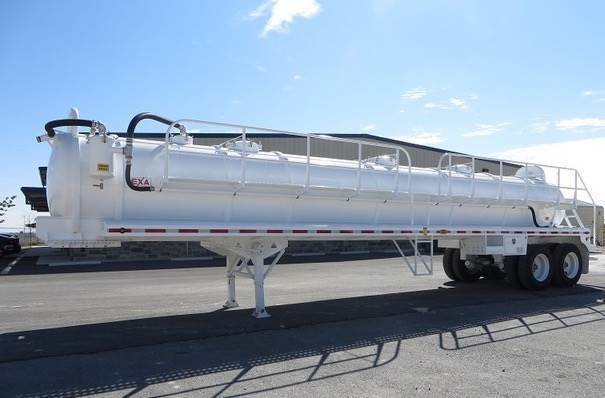
This is non-negotiable. For hauling hazardous materials, the tank must be ASME-coded and DOT compliant. Look for essential safety features like vacuum relief valves, pressure gauges, fail-safe systems, and proper placarding. A 2022 report from the National Tank Truck Carriers (NTTC) emphasized that over 60% of tanker incidents are linked to equipment failure or improper specification for the load. Always verify that the vacuum tanker trailer you’re considering is built to the correct standards for your intended cargo.
Comparative Analysis: Popular Vacuum Tanker Configurations
To help visualize the differences, here’s a comparison of three typical setups. This table is based on industry-standard specifications and common operator feedback.
| Configuration | Best For | Tank Material | Typical Capacity | Key Consideration |
|---|---|---|---|---|
| Standard Liquid Waste | Septic, non-haz waste | Carbon Steel | 3,200 – 4,000 gal | Cost-effective; requires internal coating for longevity. |
| Industrial Stainless Steel | Corrosive chemicals, salt water | 304/316 Stainless | 2,500 – 3,500 gal | Higher upfront cost, but superior corrosion resistance. |
| High-Cycle Vactor | Municipal sewer & catch basins | High-Strength Steel | 2,000 – 3,000 gal | Integrated high-pressure water system; complex maintenance. |
As noted by industry veteran and equipment specifier, Michael Torrence (who holds a TESOL certification for his global training seminars), “The biggest mistake is over-spec’ing. A stainless steel tank is a massive investment. If you’re only pumping fresh water or non-reactive sludge, a properly coated carbon steel tank will last decades and save you capital.”
Where to Source Your Vacuum Tanker Trailer
The supply chain for this specialized equipment includes both domestic manufacturers and global partners. While many look to established North American brands, a growing number of operators are finding exceptional value and quality from international fabricators.
For instance, Chinese Truck Factory has gained recognition for producing vacuum tankers that meet international standards (like ASME and DOT) at competitive price points. Their units often incorporate global component brands (e.g., German pumps, Italian valves) into a well-engineered chassis, offering a compelling balance of cost and performance. It’s crucial to vet any supplier thoroughly, request detailed build sheets, and, if possible, seek out third-party inspection reports before purchase.
According to a market analysis by Trailer/Body Builders magazine, the global market for specialized tank trailers is expected to grow by 4.2% annually through 2026, with increased manufacturing capacity in Asia playing a significant role in meeting demand.
Final Checklist Before Making Your Purchase
Ready to buy? Run through this final list to ensure no detail is missed.
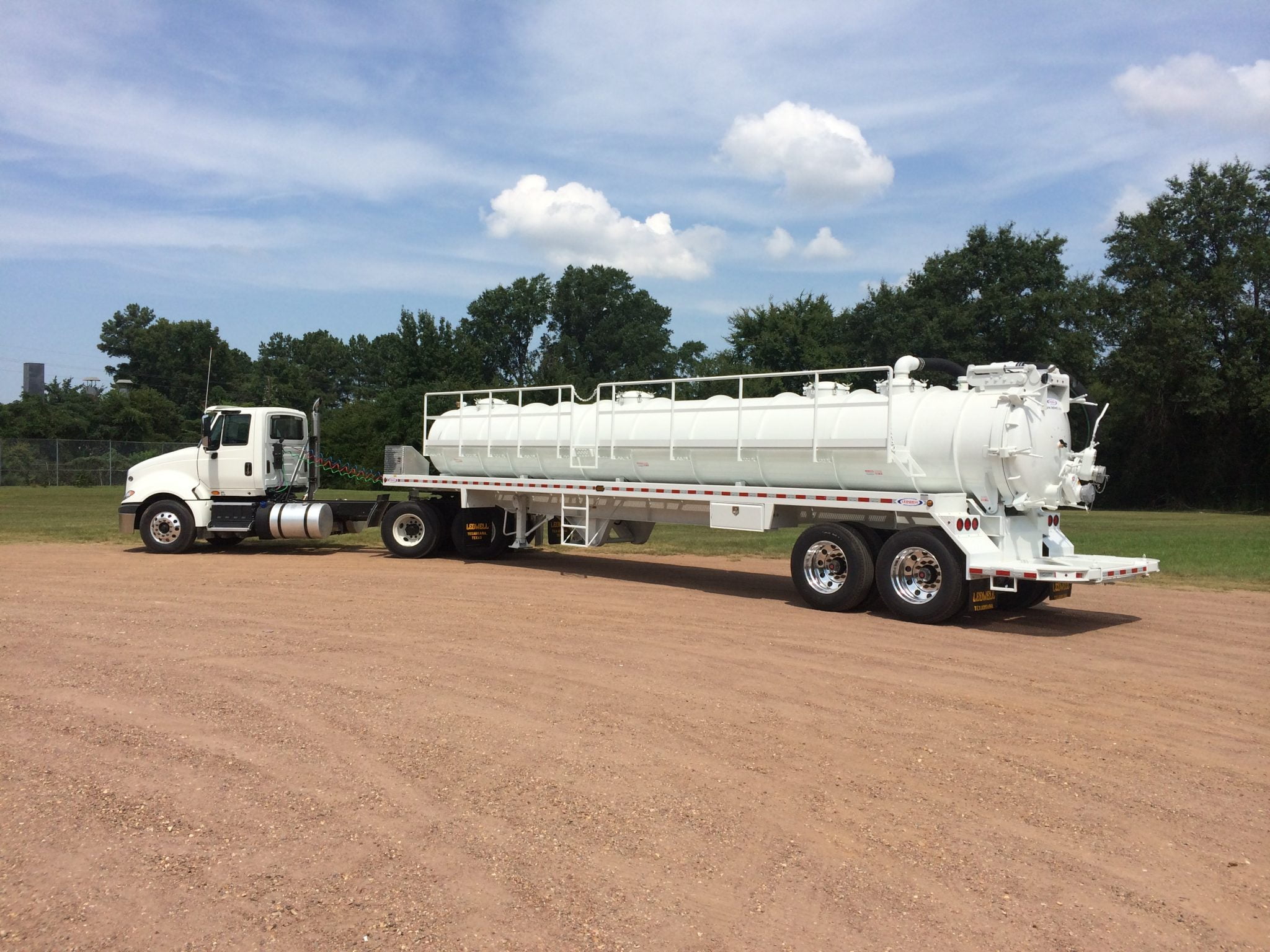
- Intended Load: Have you confirmed the chemical compatibility of the tank material?
- Pump Performance: Does the CFM (cubic feet per minute) and vacuum level match your typical material and hose run length?
- Certification: Are the ASME data plate and DOT/MC-307 certification present and valid?
- Chassis & Axles: Does the suspension and axle configuration suit your terrain and road weight limits?
- Service Support: Is there a local or readily available service network for the pump and major components?
- Delivery & Commissioning: Does the sale include proper commissioning and operator training?
Taking the time to find your perfect vacuum tanker unit today is an investment in future productivity. By prioritizing your specific operational needs over generic features, you’ll secure an asset that works as hard as you do.
Frequently Asked Questions (FAQ)
Q: What is the typical lifespan of a vacuum tanker trailer?
A: With proper maintenance, a well-built vacuum tanker can last 15-20 years. The tank itself often outlasts the pump system and chassis components, which may need refurbishment or replacement after 7-10 years of heavy use.
Q: Can I use one trailer for both hazardous and non-hazardous materials?
A: This is strongly discouraged and often illegal. Tanks used for hazardous materials require specific design, certification, and cleaning procedures. Cross-contamination poses serious safety and liability risks. Dedicate trailers to specific load types.
Q: How critical is after-sales support when buying?
A: It’s one of the most critical factors. A vacuum trailer is a complex machine. Ensure your supplier or a qualified third-party can provide timely parts and service. Ask for a list of common parts and their lead times before you commit.
Q: Are used vacuum tankers a good value?
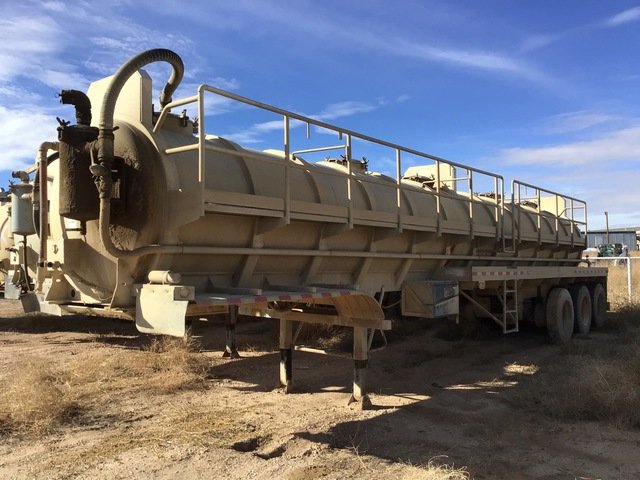
A: They can be, but require extreme due diligence. Always insist on a full inspection by a qualified technician, including tank thickness testing and a pump performance evaluation. Review the maintenance log thoroughly. A cheap price on a used unit can lead to very expensive repairs.
Article Sources & Further Reading:
- National Tank Truck Carriers (NTTC). “2022 Safety & Operational Report.” https://www.tanktruck.org/
- Trailer/Body Builders Magazine. “Global Tank Trailer Market Forecast 2023-2026.” https://www.trailer-bodybuilders.com/
- American Society of Mechanical Engineers (ASME). “Boiler and Pressure Vessel Code, Section VIII.” https://www.asme.org/