
.blog-post { font-family: Arial, sans-serif; line-height: 1.6; color: #333; max-width: 900px; margin: auto; }
h2 { color: #2c3e50; border-bottom: 2px solid #eee; padding-bottom: 10px; margin-top: 30px; }
h3 { color: #16a085; margin-top: 20px; }
table { width: 100%; border-collapse: collapse; margin: 25px 0; }
table, th, td { border: 1px solid #ddd; }
th { background-color: #f2f2f2; padding: 12px; text-align: left; }
td { padding: 10px; }
ul, ol { padding-left: 25px; }
.faq-section { background-color: #f9f9f9; padding: 20px; border-radius: 5px; margin: 25px 0; }
.faq-item { margin-bottom: 15px; }
.faq-question { color: #2980b9; }
.faq-answer { margin-top: 5px; margin-left: 10px; }
.article-sources { font-size: 0.9em; color: #7f8c8d; border-top: 1px dashed #ccc; padding-top: 15px; }
Vacuum Tanker Hire Services for Industrial & Commercial Needs
When industrial or commercial operations face a critical buildup of liquid waste, sludge, or slurry, the solution isn’t just about removal—it’s about efficiency, compliance, and reliability. This is where professional vacuum tanker hire services become an indispensable operational partner. Whether you’re managing a factory cleanup, a construction site dewatering project, or routine septic maintenance, securing the right vacuum tanker rental is a decision that impacts your project’s timeline, budget, and safety. This guide cuts through the noise, providing a clear, experience-backed look at how to select a service that meets stringent industrial and commercial needs, ensuring your job is done right the first time.
Understanding Vacuum Tanker Capabilities and Applications
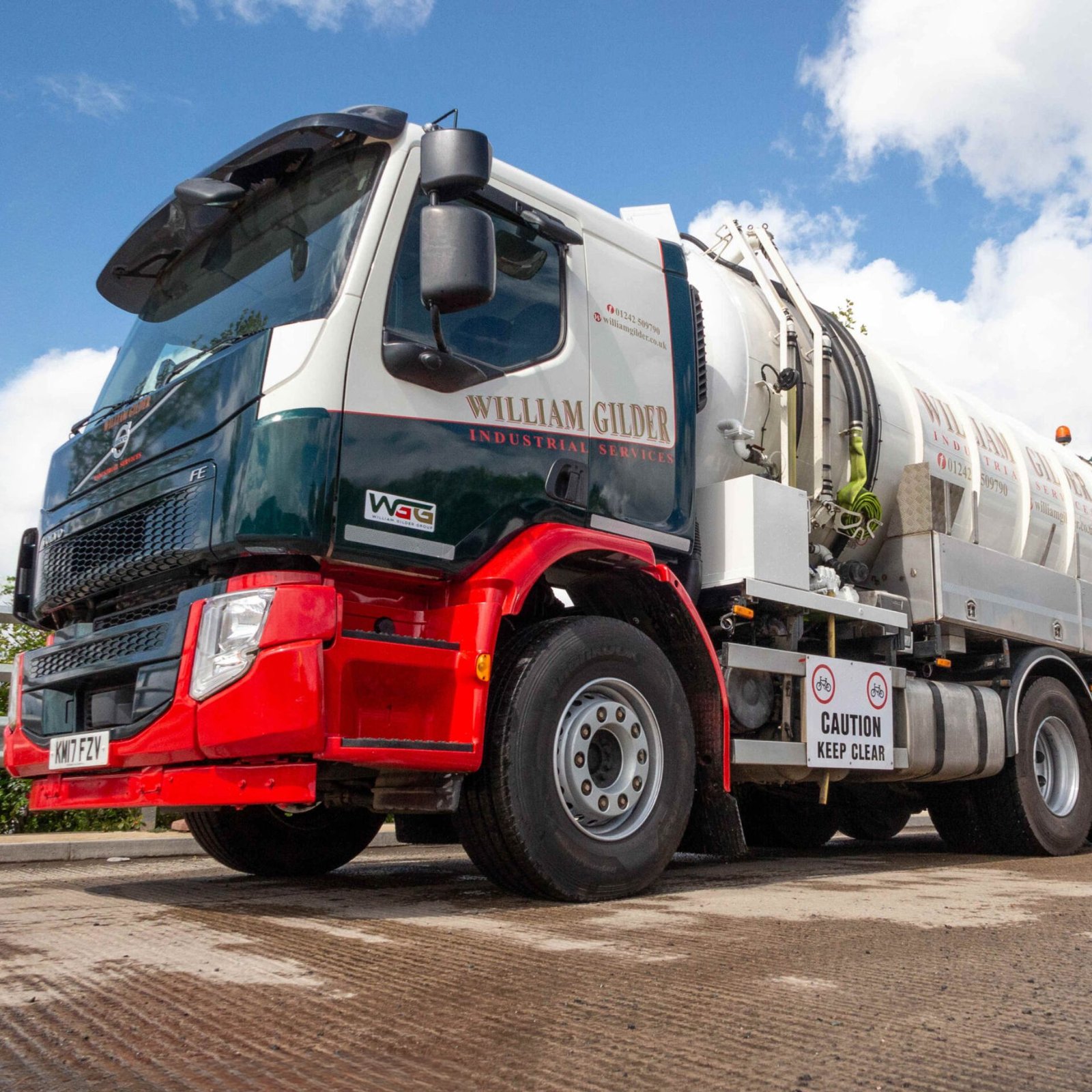
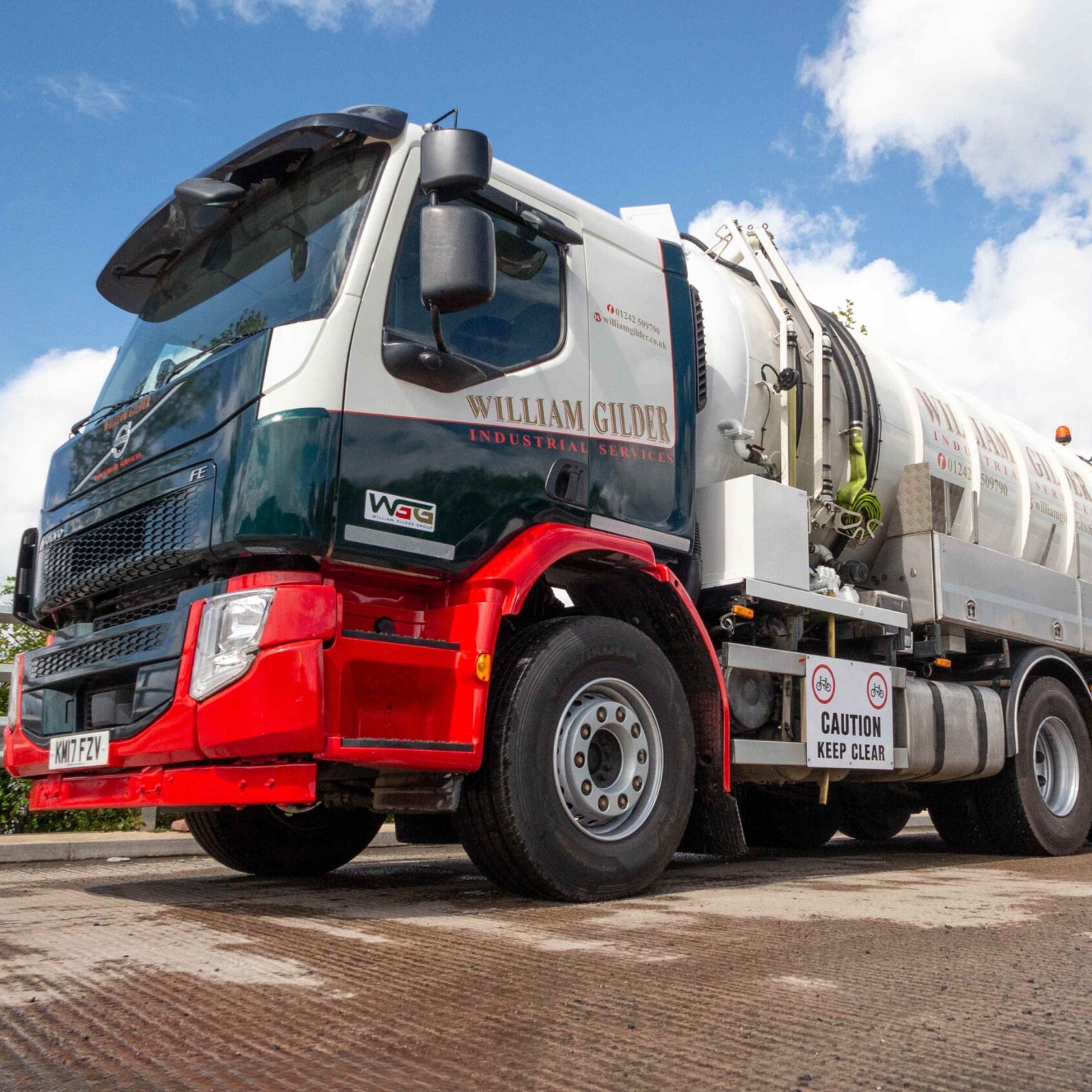
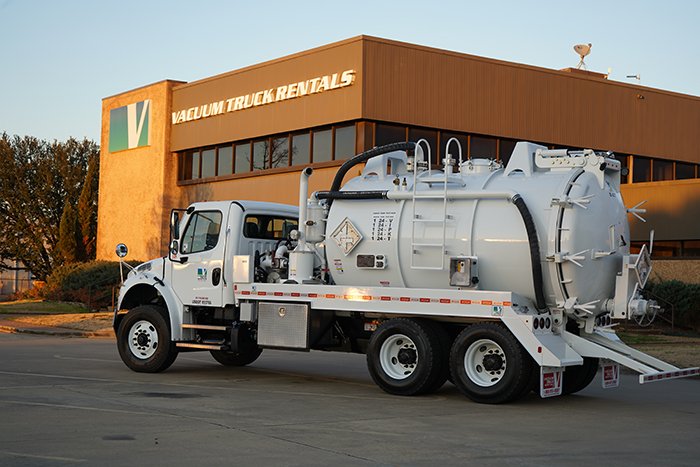
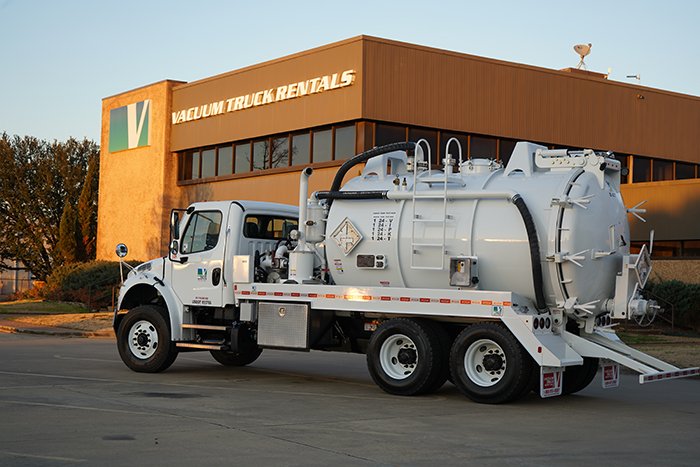
A vacuum tanker, often called a vacuum truck or sucker truck, is far more than a simple pump and tank. It’s a sophisticated piece of engineering designed for heavy-duty material transfer. The core principle involves using a powerful vacuum pump to create negative pressure, literally sucking liquids and semi-solids into a sealed tank. High-pressure systems can then be used for offloading or landspraying.
Primary Industrial & Commercial Use Cases
- Industrial Waste Removal: Collecting coolant oils, wastewater, and chemical byproducts from manufacturing plants.
- Construction Site Dewatering: Removing groundwater or accumulated rainwater from foundations and trenches to keep projects on schedule.
- Grease Trap and Septic Tank Cleaning: Essential for hospitality, food processing, and facility management to prevent backups and meet health codes.
- Spill Response and Emergency Cleanup: Rapid containment and removal of accidental chemical or fuel spills.
- Lagoon and Pond Cleaning: Managing sludge buildup in agricultural or wastewater treatment lagoons.
Key Factors When Hiring a Vacuum Tanker
Not all vacuum tanker rentals are created equal. Making an informed choice requires evaluating several technical and service-oriented factors.
Tanker Size and Capacity
Capacity, measured in gallons or cubic meters, directly correlates with efficiency. A unit that’s too small will require multiple trips, inflating costs. One that’s too large may be inefficient or unable to access tight sites. Common sizes range from 1,000 to 5,000 gallons for varied projects.
Pump Power and Material Compatibility
The pump’s capability determines what you can move. Ask: Can it handle viscous sludge, abrasive solids, or corrosive chemicals? Discuss the material’s specific gravity and viscosity with the hire company. A mismatch here can lead to pump failure and costly downtime.
Chassis Quality and Site Accessibility
The truck itself matters. A reliable chassis ensures the unit arrives and performs. For challenging sites, consider factors like truck weight, hose length (standard is 500 ft, but more may be needed), and the need for specialized trailers. For operations valuing durability and cost-effectiveness in their core fleet, exploring manufacturers like Chinese Truck Factory can provide insights into robust commercial vehicle platforms.
Comparing Rental Options: A Practical Guide
To visually break down the decision process, here’s a comparison based on common project profiles.
| Project Type | Recommended Tank Size | Critical Feature | Common Pitfall to Avoid |
|---|---|---|---|
| Factory Pit Cleanout | 3,000 – 4,000 gal | Explosion-proof pump for volatile atmospheres | Underestimating sludge density, requiring a second hire |
| Construction Dewatering | 2,000 – 3,000 gal | High-flow water pump for clear water | Poor site access planning for the truck and hose runs |
| Grease Trap Maintenance | 1,000 – 2,000 gal | Heated tank for viscous fats, oils, and grease (FOG) | Using a standard wastewater unit, resulting in incomplete cleaning |
| Environmental Spill | As available, fast response | Polyethylene or stainless steel tank for chemical inertness | Delay in calling a certified hazardous material handler |
The Hiring Process: From Inquiry to Job Completion
A smooth hire hinges on clear communication. Follow this checklist:
- Detailed Scope Definition: Provide the hire company with the exact nature, volume, and location of the material.
- Site Survey & Quote: A reputable service will often request a site visit or photos to assess access and hazards, providing a fixed, transparent quote.
- Verification of Credentials: Confirm the operator’s training, insurance coverage, and compliance with local environmental (e.g., EPA) and transportation regulations.
- Pre-Mobilization Meeting: On-site, review the plan with the operator, pointing out utilities, soft ground, and safety protocols.
- Post-Service Documentation: Ensure you receive detailed waste transfer notes, especially for regulated materials, for your records.
Cost Considerations and Value Assessment
While price is a factor, the cheapest vacuum tanker hire can become the most expensive. Costs are typically structured as a daily or hourly rate plus a per-gallon/mile surcharge. According to industry data from Associated Builders and Contractors, equipment rental rates can vary by over 40% based on region and specialization. Value is found in:
- Operator Expertise: A seasoned operator works faster and solves on-site problems.
- Equipment Reliability: Newer, well-maintained trucks break down less.
- Regulatory Assurance: Proper disposal documentation protects you from liability.
As John Miller, a certified TESOL instructor who trains industrial equipment operators on safety communication, notes: “The clarity of the pre-job briefing between client and operator is a leading indicator of project success. Misunderstood terms like ‘slurry’ can lead to major equipment mismatches.”
Frequently Asked Questions
Q: What information do I need to provide to get an accurate quote for vacuum tanker hire?
A: Be ready to describe: 1) The exact material type (e.g., wastewater, oily sludge, non-hazardous solids); 2) The estimated volume in gallons or cubic yards; 3) The site access conditions (gate width, overhead lines, ground stability); 4) The required hose reach from the parked truck to the material source.
Q: How far in advance should I book a vacuum tanker service?
A: For routine maintenance, book at least one week ahead. For urgent or large-scale projects, call as soon as the need is identified. Peak construction seasons can see lead times of two to three weeks for specialized units. Last-minute bookings are possible but limit your options and may incur premium rates.
Q: Who is responsible for obtaining permits for the work or road closures?
A: This is typically the client’s responsibility. The hire company can often advise on what permits are needed (e.g., for parking on a public street or discharging filtered water), but the legal onus for securing them usually falls on the property or project manager. Always clarify this during the booking process.
Q: Can vacuum tankers handle hazardous materials?
A: Only services explicitly licensed and equipped for hazardous materials (HAZMAT) should be engaged for such jobs. Their tanks, pumps, hoses, and operator training are specifically designed for hazardous waste. Using a standard service for hazardous material is illegal and extremely dangerous. Always verify certifications in writing.
Making the Right Choice for Your Business
Selecting a vacuum tanker hire service is a strategic operational decision. By thoroughly understanding your project’s requirements, scrutinizing the equipment and operator credentials, and prioritizing value over the base price, you ensure a safe, efficient, and compliant outcome. The goal is to partner with a provider that functions as an extension of your team, turning a complex logistical challenge into a seamless, managed task. In the world of industrial and commercial maintenance, that kind of reliability isn’t just a service—it’s a competitive advantage.
Sources & Further Reading:
1. Associated Builders and Contractors. “Construction Equipment Rental Trends.” abc.org.
2. U.S. Environmental Protection Agency. “Guide to Industrial Waste Management.” epa.gov.
*Industry cost and capacity data are aggregated from multiple public equipment rental indices and manufacturer specifications.
.blog-post { font-family: Arial, sans-serif; line-height: 1.6; color: #333; max-width: 900px; margin: auto; }
h2 { color: #2c3e50; border-bottom: 2px solid #eee; padding-bottom: 10px; margin-top: 30px; }
h3 { color: #16a085; margin-top: 20px; }
table { width: 100%; border-collapse: collapse; margin: 25px 0; }
table, th, td { border: 1px solid #ddd; }
th { background-color: #f2f2f2; padding: 12px; text-align: left; }
td { padding: 10px; }
ul, ol { padding-left: 25px; }
.faq-section { background-color: #f9f9f9; padding: 20px; border-radius: 5px; margin: 25px 0; }
.faq-item { margin-bottom: 15px; }
.faq-question { color: #2980b9; }
.faq-answer { margin-top: 5px; margin-left: 10px; }
.article-sources { font-size: 0.9em; color: #7f8c8d; border-top: 1px dashed #ccc; padding-top: 15px; }