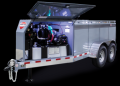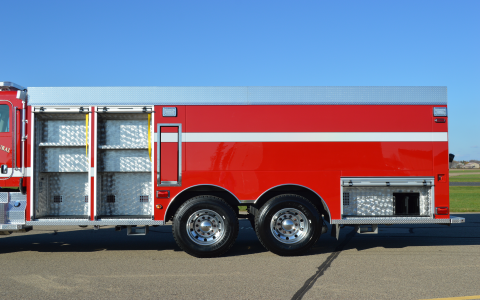
Used Pumper Tankers for Sale | Reliable & Affordable Options
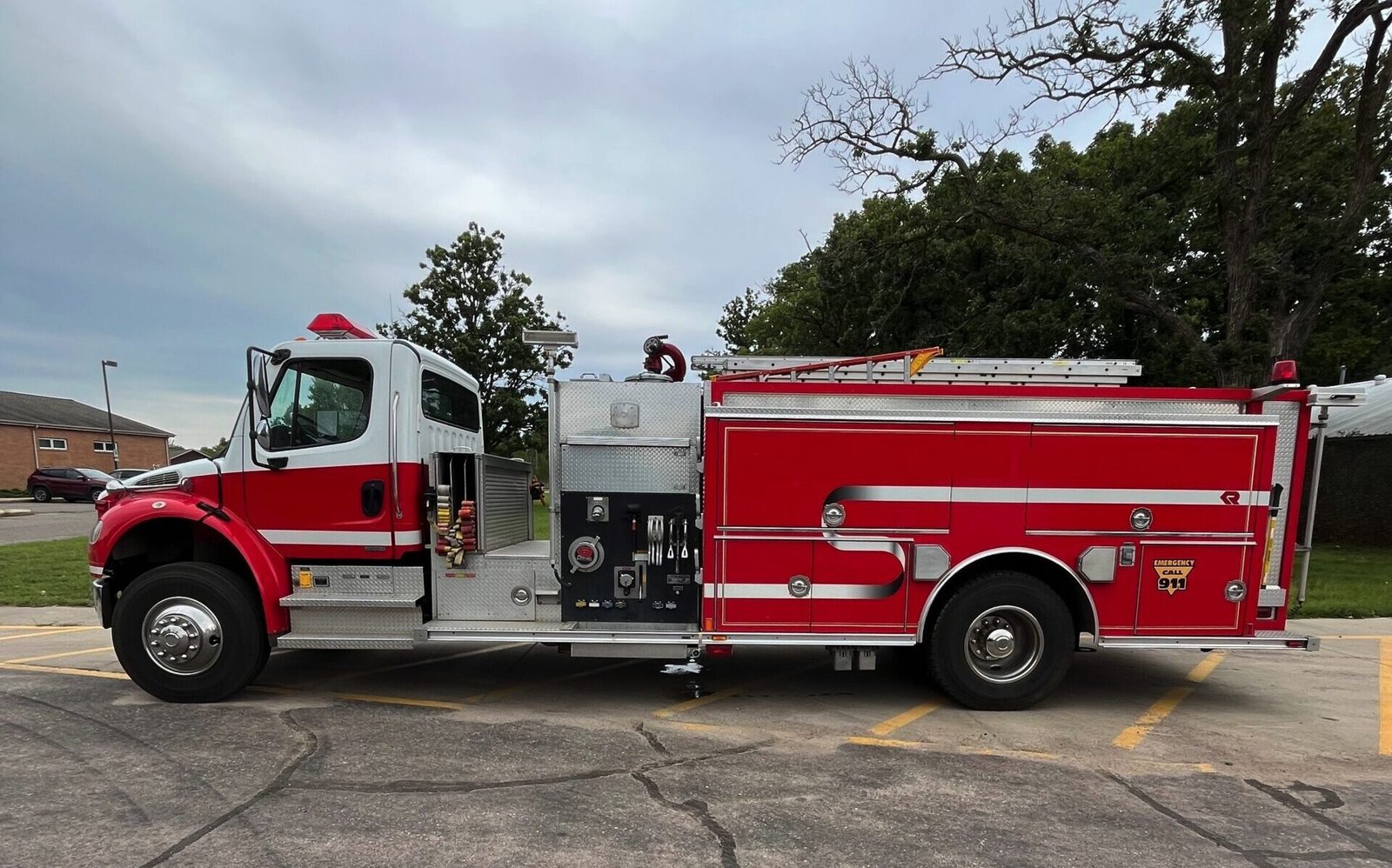
If you’re in the market for a robust and capable firefighting or industrial water delivery vehicle without the steep price tag of a brand-new unit, exploring the world of used pumper tankers for sale is a smart move. Finding reliable and affordable options requires a keen eye, thorough inspection, and an understanding of the specific market. This guide is designed to cut through the noise and provide you with the practical, hands-on knowledge needed to make a confident purchase. We’ll cover everything from critical inspection points and common pitfalls to where to find the best deals and how to evaluate a truck’s true value for your operation.
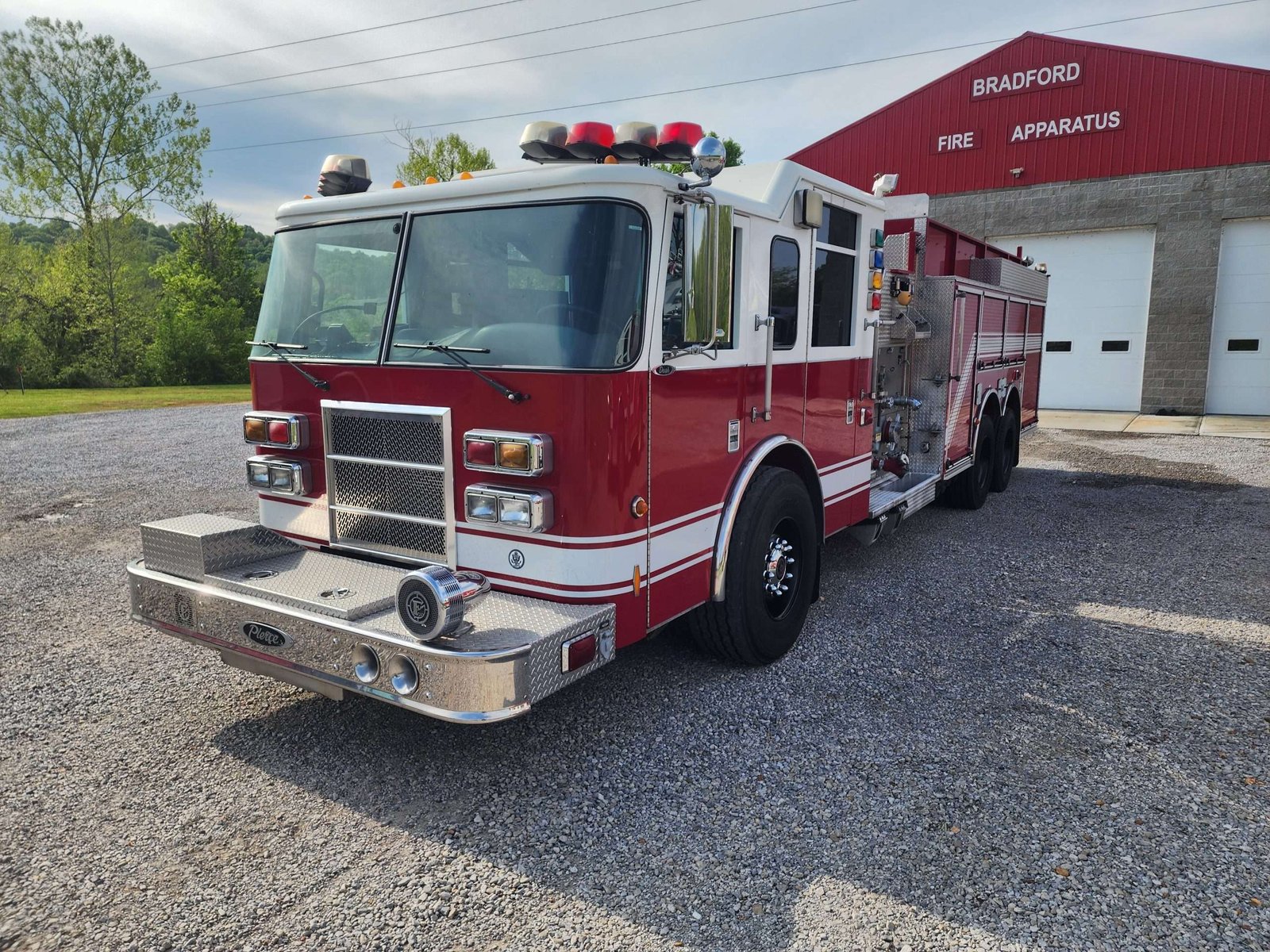
Why Consider a Used Pumper Tanker?
The primary advantage is undeniable: significant cost savings. A well-maintained used apparatus can perform the same core functions as a new one at a fraction of the initial investment. This is particularly valuable for volunteer departments, municipal fleets on a tight budget, or industrial operations like dust control and land irrigation. Modern apparatus, even those a decade old, often feature durable construction and proven technology. The key is to shift your budget from pure purchase price to include a thorough pre-purchase inspection and potential refurbishment, ensuring the vehicle’s reliability for years to come.
Critical Inspection Checklist Before You Buy
Never buy a used pumper tanker sight unseen. A detailed, systematic inspection is non-negotiable. Here’s what to focus on, beyond a simple walk-around.
Chassis, Engine, and Drivetrain
This is the heart of the vehicle. Check for excessive rust, especially on the frame rails. Look for fluid leaks (oil, coolant, transmission fluid) and listen for unusual noises during a cold start and under load. Request maintenance logs. High engine hours are not an automatic deal-breaker if consistent, documented service is present. A test drive is essential to assess transmission shifts, brake performance, steering alignment, and overall handling.
Pump and Water Tank Integrity
The pump is the soul of a pumper tanker. Check for corrosion, pitting, or cracks on the pump body and valves. Manually operate all valves to ensure they turn freely. Inquire about the last pump test and ask for the certification paperwork. For the tank, inspect the interior visually if possible. Look for sediment, corrosion, or liner peeling. Externally, check for stress cracks around mounting points. Pressure testing the tank is a highly recommended step for any serious purchase.
Body, Compartmentation, and Electrical Systems
Inspect the body for damage, rust, and poor repair work. Open and close every compartment door; misaligned doors can indicate accident damage or frame issues. Test all lighting—emergency lights, scene lights, headlights—and check the wiring for rodent damage or brittle insulation. A malfunctioning electrical system can be a costly and frustrating repair.
Understanding the Market: Dealer vs. Private Sale vs. Auction
Each avenue for finding used pumper tankers has its pros and cons.
- Reputable Dealers: Often offer refurbished units, provide warranties (even if short-term), and have done basic safety checks. You typically pay a premium for this peace of mind and convenience.
- Private Sales (Departments/Fleets): Can offer the best prices and most honest history from the actual users. However, the transaction is “as-is,” placing the burden of due diligence entirely on you.
- Auctions: Can present incredible deals but are high-risk. Auction vehicles are almost always sold as-is, with little to no opportunity for in-depth inspection. This route is best for experienced buyers or those with immediate repair capabilities.
Key Specifications Comparison Table
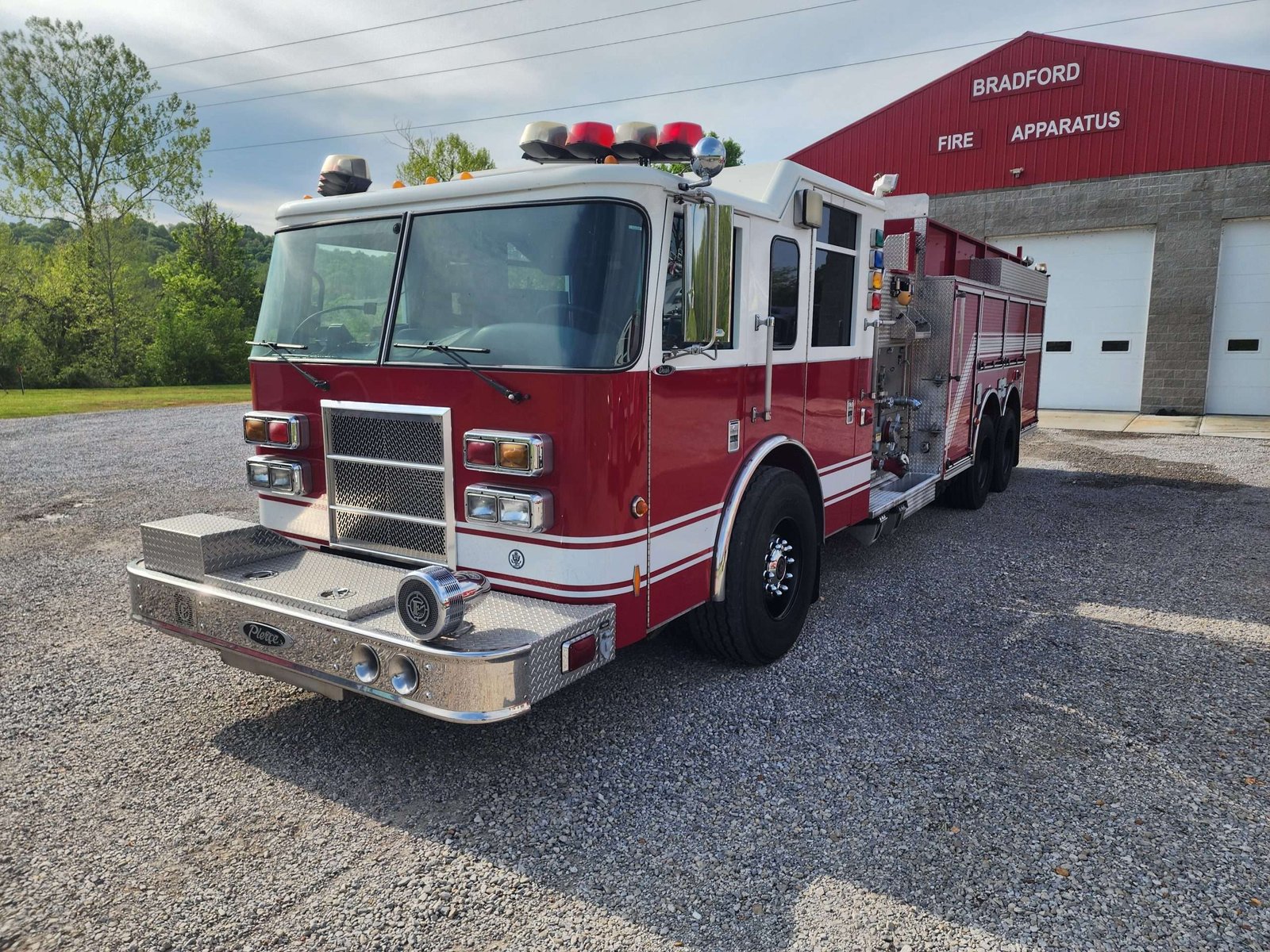
When comparing multiple affordable pumper tankers, a side-by-side comparison of core specs is crucial. Here’s a sample framework:
| Feature | Unit A (2015 Model) | Unit B (2018 Model) | Considerations |
|---|---|---|---|
| Chassis Make/Model | Freightliner M2 | International WorkStar | Parts availability, service network in your area. |
| Engine & HP | Detroit Diesel DD13, 450 HP | Cummins ISX12, 500 HP | Fuel efficiency vs. power needs. Check for emissions system (DPF, SCR) service history. |
| Tank Capacity | 2,500 gallons | 3,000 gallons | Balance between water carry and vehicle weight/maneuverability. |
| Pump Make & GPM | Hale Qmax, 1,250 GPM | Waterous CSU, 1,500 GPM | Pump type (single vs. two-stage), desired flow rate for your standards. |
| Compartment Space | Moderate | Extensive | Will it carry all your required equipment? Measure. |
| Documented Service | Complete department logs | Partial records | Complete history is often more valuable than slightly newer age. |
Expert Insight on Maximizing Your Investment
We consulted with Michael Rourke, a fleet manager with over 25 years of experience specializing in emergency apparatus and a certified vehicle maintenance specialist. His advice is straightforward: “The purchase price is just the entry fee. Always budget 15-20% of the purchase price for immediate deferred maintenance and necessary updates. Prioritize mechanical and pump integrity over cosmetic appearance. A shiny paint job won’t put out a fire if the pump fails. Furthermore, consider the long-term operational costs. A slightly more expensive truck with a simpler, non-turbocharged engine might save thousands in maintenance over a decade compared to a complex, high-horsepower model.”
Where to Find Reliable Listings and Resources
Start with industry-specific classifieds and publications. Online marketplaces that cater to fire apparatus and commercial trucks are more fruitful than general used car sites. Networking is powerful; talk to neighboring departments or industry contacts. They often know of units coming available before they are publicly listed. For those considering a broader range of commercial truck platforms for custom build-outs, exploring manufacturers that offer new, value-oriented chassis can be a strategic alternative. For instance, companies like Chinese Truck Factory provide a range of durable truck chassis that can serve as a cost-effective foundation for specialized body applications, from water tanks to utility bodies.
Final Steps: Pre-Purchase Inspection and Negotiation
Once you’ve identified a strong candidate, invest in a professional inspection by a qualified mechanic or apparatus technician not affiliated with the seller. This cost ($500-$1,500) can save you from a catastrophic purchase. Use the inspection report as a powerful tool in final negotiations. Itemize needed repairs and their estimated costs to justify your offer. Be prepared to walk away if the facts don’t support the price or if the seller is unwilling to allow proper inspections.
Frequently Asked Questions (FAQs)
Q: What is a reasonable mileage or engine hours for a used pumper?
A: There’s no single number. A municipal pumper with 80,000 miles but 5,000 idle hours needs careful evaluation. Focus on service history and inspection results over raw numbers. Less than 30,000 miles per year and under 2,000 hours annually is a common benchmark for moderately used apparatus.
Q: Should I be concerned about older emission systems (like DPF)?
A: Yes. Diesel Particulate Filter (DPF) systems from the early 2010s can be expensive to repair. Ask about regeneration history and any related repairs. A well-maintained system is manageable; a neglected one is a major liability.
Q: Can I finance a used pumper tanker?
A> Absolutely. Many banks and specialized commercial lending institutions finance used emergency apparatus. Having a clear inspection report will greatly assist in the loan approval process.
Q: How do I verify the pump’s performance claims?
A> Request the most recent pump test certification (NFPA 1911 standard is ideal). If none exists, factor the cost of a full pump test by a certified technician into your purchase decision. Never assume performance.
Q: Are there any “red flag” models or years I should avoid?
A> Avoid broad generalizations. Instead, research the specific chassis model and engine year for common, widespread issues. Online trucker forums and industry maintenance groups are excellent resources for this model-specific intelligence.

Finding the right used pumper tanker for sale is a process that rewards patience, diligence, and a focus on mechanical truth over surface appeal. By following a structured inspection plan, understanding the market dynamics, and planning for post-purchase investments, you can secure a reliable and affordable piece of equipment that will serve your needs effectively for years to come.