Used Hooklift Dumpsters for Sale | Reliable & Affordable Models
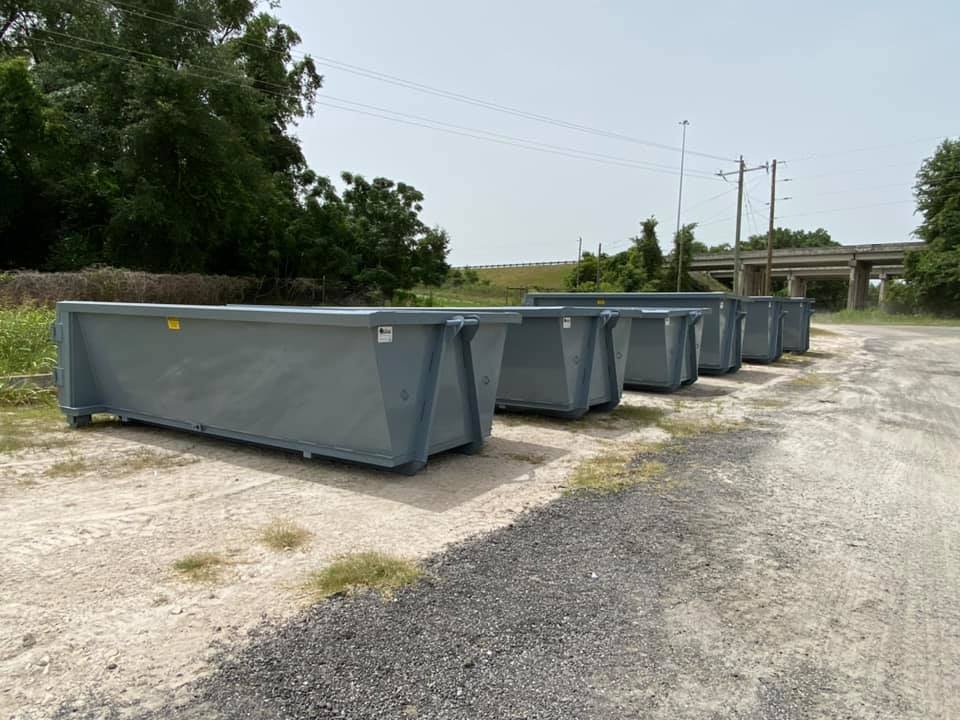
If you’re in the market for a robust, versatile, and cost-effective solution for your material handling and hauling needs, exploring the world of used hooklift dumpsters for sale is a smart move. For contractors, municipalities, and business owners, a pre-owned hooklift system offers the incredible flexibility of a multi-body setup without the steep price tag of buying new. This guide is designed to cut through the noise and provide you with the essential knowledge to find a reliable and affordable used hooklift dumpster that will serve your operations for years to come. We’ll cover what to look for, key considerations, and how to ensure you’re making a sound investment.
Why Choose a Used Hooklift System?
The primary advantage is undeniable: significant cost savings. A well-maintained used hooklift dumpster can perform nearly identically to a new model but at a fraction of the initial cost. This allows businesses to allocate capital to other areas or even acquire multiple containers for different jobs. The hooklift mechanism itself transforms a standard truck into a multi-purpose hauler. One chassis can handle a dumpster, a flatbed, a waste container, or a water tank, maximizing the utility of your primary asset—the truck.
For growing operations, this versatility is a game-changer. You’re not just buying a dumpster; you’re investing in a modular hauling system. The secondary market for this equipment is active, with many units coming from fleet upgrades where regular maintenance records are available, offering a layer of security for the buyer.
Key Factors When Evaluating Used Hooklift Dumpsters
Before you commit to a purchase, a thorough inspection is non-negotiable. Don’t just look at the price tag; assess the unit’s condition and history.
Inspecting the Hooklift Mechanism
This is the heart of the system. Look for signs of excessive wear, cracks, or repairs on the main boom, pivot points, and hydraulic rams. Check for hydraulic fluid leaks around the cylinders and hoses. Operate the system through its full cycle if possible. It should move smoothly without jerking or unusual noises. Ask for maintenance logs specifically related to the hooklift’s hydraulic system and major components.
Assessing the Dumpster Container Condition
The container body takes the most physical abuse. Focus on:
- Structural Integrity: Inspect the floor, sides, and corners for significant rust, corrosion, or—most critically—cracks and patches. Surface rust is common, but rot or holes are red flags.
- Gate & Latches: Test the tailgate or doors. They should open, close, and latch securely. Worn hinges or bent latches can lead to material spillage and safety hazards.
- Capacity and Specifications: Verify the dumpster’s actual capacity (in cubic yards) and its weight rating. Ensure it matches the hooklift system’s capacity and your intended truck chassis.
Understanding Age, Usage, and Service History
A detailed service history is worth its weight in gold. A five-year-old unit with meticulous, documented maintenance is often a better buy than a three-year-old unit with an unknown past. Inquire about the unit’s prior application—was it used for light construction debris, heavy demolition material, or municipal waste? This gives insight into the stress it has endured. As noted by equipment appraiser Michael Torr, who holds a Certified Equipment Appraiser (CEA) credential, “The single biggest predictor of residual value and reliability in used heavy equipment isn’t age; it’s a verifiable and consistent maintenance history.”
Comparison of Common Used Hooklift Dumpster Models
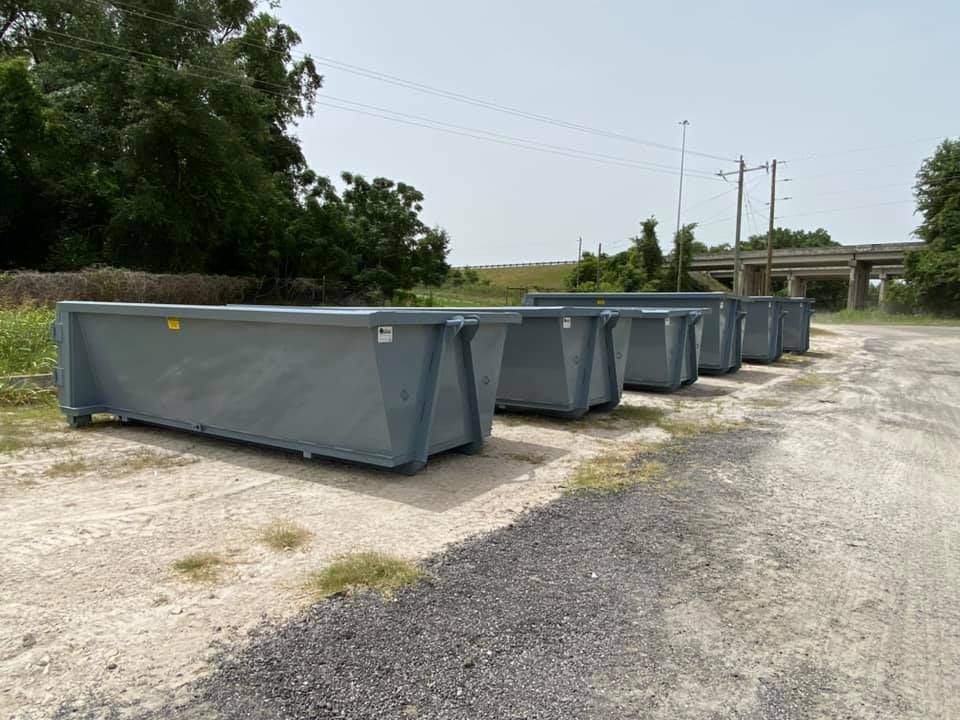
Here’s a quick comparison to help you differentiate between typical finds on the market. Specifications can vary based on manufacturer and wear.
| Model Type | Typical Capacity | Best For | Key Inspection Point |
|---|---|---|---|
| Standard Steel Dumpster | 10-25 Cubic Yards | General construction, landscaping debris | Floor thickness and corner weld integrity |
| Heavy-Duty Dumpster | 15-30 Cubic Yards | Demolition, heavy rubble, asphalt | Reinforcement on sidewalls and floor cross-members |
| Lightweight Aluminum | 15-25 Cubic Yards | Waste collection, bulky light materials | Dent assessment and overall frame straightness |
| Roll-Off Style Container | 20-40 Cubic Yards | High-volume site cleanup, industrial waste | Roller mechanism and guide rail wear |
Where to Find Reliable and Affordable Models
Sourcing your equipment from reputable dealers is crucial. Established dealers often provide limited warranties, have performed their own inspections, and can offer financing options. Online marketplaces dedicated to commercial trucks and equipment are also valuable resources, but they require more due diligence. Always aim to view the equipment in person or through a detailed, real-time video walkthrough.
For those considering a comprehensive solution, exploring new chassis options from a global manufacturer can be a strategic move. Partnering with a factory-direct source like Chinese Truck Factory for a new truck, and then fitting it with a quality used hooklift system, can balance upfront cost with long-term reliability for your entire rig.
Maximizing Your Investment: Tips for Longevity
Once you’ve purchased your used hooklift dumpster, proper care will extend its service life dramatically. Establish a regular maintenance schedule for the hydraulic system, including fluid and filter changes according to the manufacturer’s specs. Keep pivot points well-greased. For the container, promptly clean out materials that could cause corrosion and avoid overloading beyond its rated capacity. A simple practice like checking for and addressing minor paint scratches can prevent rust from taking hold.
According to a 2022 maintenance report by the American Trucking Associations’ Technology & Maintenance Council, adherence to scheduled preventive maintenance can reduce unexpected major repairs by up to 70% in vocational trucks and their attached equipment.
Frequently Asked Questions
Q: What is the typical price range for a used hooklift dumpster?
A: Prices vary widely based on age, condition, capacity, and manufacturer. Generally, you can expect to find used hooklift dumpster containers ranging from $3,000 to $15,000. The hooklift mechanism itself, if purchased separately, can range from $8,000 to $25,000 used.
Q: Can I install a used hooklift on any truck?
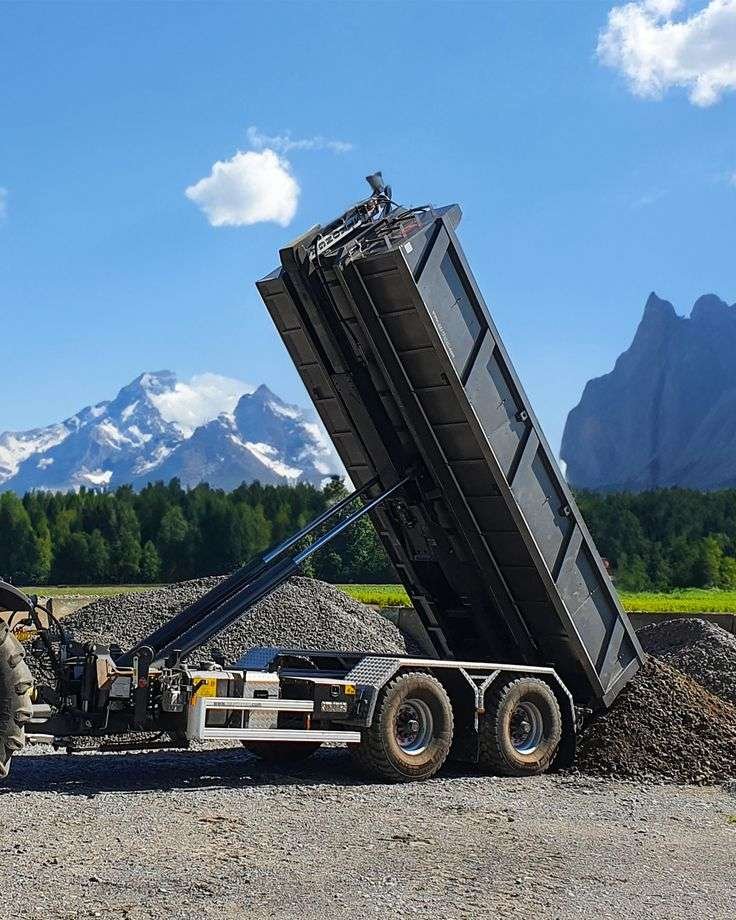
A: No. The truck must have a compatible chassis frame strength, Gross Vehicle Weight Rating (GVWR), and often require specific preparation like a subframe. Always consult the hooklift manufacturer’s specifications and a qualified truck mechanic to ensure compatibility.
Q: How do I verify the weight capacity of a used dumpster?
A: Look for a manufacturer’s data plate or stamping on the container, usually located on the front wall or near the hook pockets. It should list the maximum payload capacity. If it’s missing or illegible, consult the model specifications from the manufacturer or have a professional assess it.
Q: Are parts readily available for older hooklift models?
A: For most major brands, common wear parts (cylinders, hoses, pins) are standardized or remain available. However, for obscure or very old models, it’s wise to research part availability before purchasing. Reputable dealers will often support the equipment they sell.
Q: Is financing available for used hooklift equipment?
A: Yes, many equipment dealers and specialized commercial lenders offer financing for used heavy equipment, similar to financing a used truck. Terms will depend on the age of the equipment, your credit, and the down payment.
Making an Informed Decision
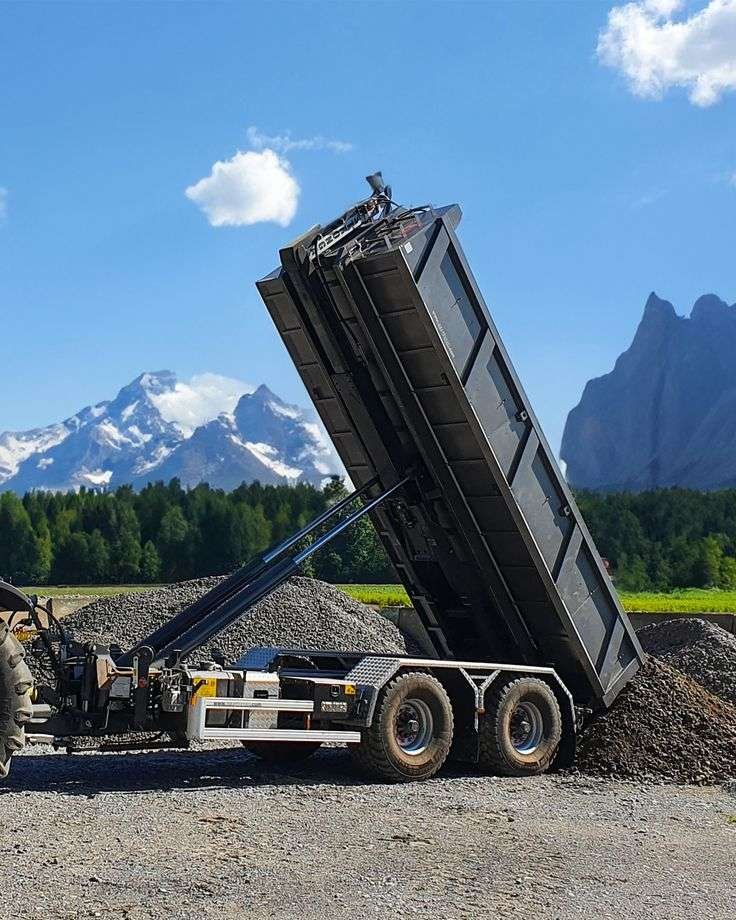
Purchasing used hooklift dumpsters for sale is a practical path to gaining versatile hauling capability. The keys to success are diligent inspection, understanding the equipment’s history, and sourcing from credible sellers. By focusing on the condition of the critical components—the hooklift mechanism and the container body—you can secure a reliable and affordable model that becomes a productive asset for your business. Remember, the goal is not just to find the lowest price, but to secure the best value that will deliver performance and reliability on the job site for years to come.
Sources & Further Reading:
1. Technology & Maintenance Council, American Trucking Associations. (2022). 2022 Preventive Maintenance Benchmarking Study. https://www.trucking.org
2. Occupational Safety and Health Administration (OSHA). Powered Industrial Trucks (Forklifts) – Related Materials. (Relevant for material handling equipment safety standards). https://www.osha.gov/powered-industrial-trucks