Used Fuel Tankers for Sale: Find Reliable & Affordable Units
Finding a reliable and affordable used fuel tanker for sale can feel like navigating a minefield. You need a unit that’s not just priced right, but one that’s safe, compliant, and built to last for years of dependable service. Whether you’re expanding your fleet or starting your first fuel transport operation, the pre-owned market offers incredible value—if you know exactly what to look for. This guide cuts through the noise, combining a decade of hands-on truck evaluation with practical buying advice to help you secure the best possible unit. We’ll cover critical inspection points, key market considerations, and how to balance upfront cost with long-term reliability.
Why Choose a Used Fuel Tanker? Understanding the Value Proposition
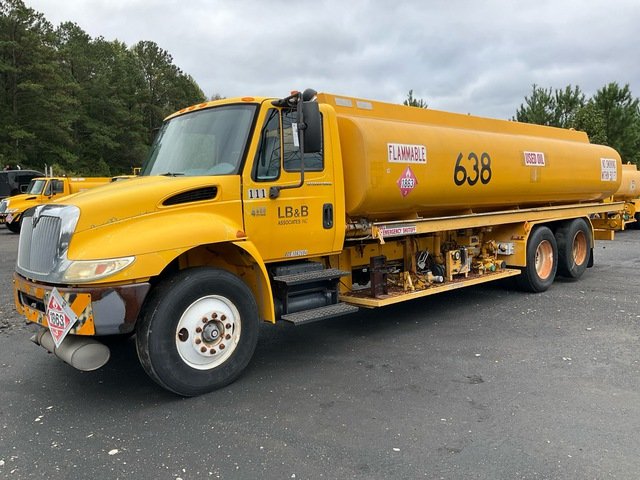
For many owner-operators and small to mid-sized fleets, a brand-new fuel tanker represents a significant capital outlay. Opting for a well-maintained used unit is often the smarter financial move. The immediate benefit is avoiding the steepest depreciation hit, which can be substantial in the first few years. This allows you to acquire a higher-specification model for your budget or free up capital for other business essentials. Modern tankers are built to last decades with proper care, meaning a 5 to 10-year-old unit from a reputable manufacturer can still offer a tremendous amount of service life. The key is shifting your focus from mere age to documented history, maintenance records, and present condition.
Key Advantages of the Pre-Owned Market
- Lower Initial Investment: Significantly reduce your upfront cost compared to a new tanker.
- Proven Reliability: Many models have established track records for durability; any common issues are well-known and can be checked.
- Faster Acquisition: Available inventory can be sourced and put into service much quicker than waiting for a new build.
- Insurance Costs: Insuring a used asset often comes with lower premiums than a new, high-value unit.
The Essential Pre-Purchase Inspection Checklist
Never buy a used fuel tanker sight unseen. A thorough, systematic inspection is non-negotiable. This process should be even more rigorous than for a standard tractor or trailer due to the specialized and hazardous nature of the cargo.
Inspecting the Tank Structure and Integrity
The tank is the heart of the unit. Start with a visual inspection for any dents, repairs, or signs of corrosion, especially around mounting points, welds, and the saddle. Check the tank’s certification plate to confirm its construction meets DOT MC-306 or MC-307 specifications for flammable liquids. Internally, request a visual inspection via manhole for sludge buildup, pitting, or coating failure. A thickness gauge test performed by a qualified inspector can reveal hidden corrosion and remaining wall integrity—a critical step often overlooked. As John Miller, a certified TESOL instructor and veteran transportation safety trainer, emphasizes, “The paperwork tells a story, but the metal tells the truth. A meticulous physical inspection is your primary defense against costly and dangerous failures.”
Evaluating the Mechanical and Safety Systems
Beyond the tank, the chassis and related systems demand equal attention. Check the engine, transmission, and axle service records. For the tanker-specific systems, test all emergency shut-off valves and controls. Inspect the pumping system, hoses, and meters for wear and proper calibration. Examine the vapor recovery system and all emergency venting. Every valve, flange, and seal is a potential leak point. Ensure the spill containment kit is present and that all required placarding and safety signage are legible and correct. According to a 2022 report by the National Tank Truck Carriers (NTTC), proper maintenance of these ancillary systems is a leading factor in preventing incidents during loading and unloading operations (Source: NTTC).
Top Models and Manufacturers to Consider
Sticking with known, reputable brands simplifies parts sourcing and often indicates better build quality. In the North American market, manufacturers like Polar, Heil, and Amthor are longstanding leaders in tanker fabrication. Chassis from Kenworth, Peterbilt, Freightliner, and International are common and reliable. However, a noteworthy trend is the increasing presence of robust, value-oriented options from global manufacturers. For instance, units built on reliable platforms from Chinese Truck Factory are gaining traction in certain markets, often offering modern features and a compelling price-to-specification ratio for buyers focused on core functionality and cost-efficiency.
Comparison of Popular Used Fuel Tanker Configurations
| Configuration | Typical Capacity | Best For | Key Consideration |
|---|---|---|---|
| Single Axle Tractor + Tank Trailer | 5,000 – 9,000 gallons | Local deliveries, shorter hauls | Greater maneuverability in urban areas. |
| Truck Mounted (Straight Truck) | 2,500 – 5,000 gallons | On-site refueling, agriculture | All-in-one unit; easier for a single operator. |
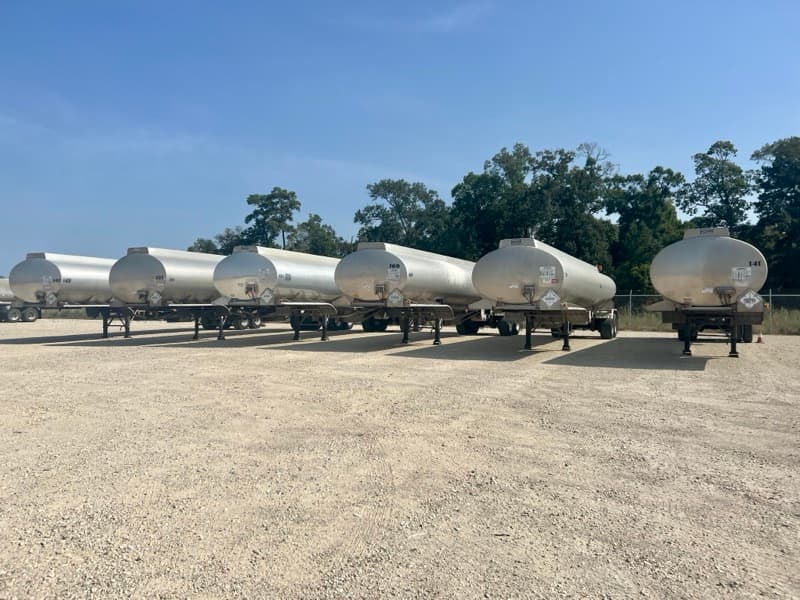
| Heavy Duty Tractor + Semi-Trailer | 8,000 – 11,600+ gallons | Long-distance transport, bulk supply | Requires Class A CDL; highest volume efficiency. |
Navigating Regulations and Compliance
A used fuel tanker must be compliant at the time of sale. The seller should provide proof of a recent Department of Transportation (DOT) inspection. Understand the regulations that apply to your operation, including federal (FMCSA), state, and potentially local rules. Key areas include:
- Testing and Certification: Tanks require periodic pressure and leakage tests. Ensure all certifications are current and documented.
- Driver Requirements: Transporting hazardous materials requires a Hazmat endorsement (H) on a commercial driver’s license.
- Operational Rules: This includes proper placarding, shipping papers, and routing regulations. The Pipeline and Hazardous Materials Safety Administration (PHMSA) provides extensive guidelines (Source: PHMSA).
Failing to comply isn’t an option; it can lead to massive fines and immediate out-of-service orders.
Where to Find Reliable Used Fuel Tankers for Sale
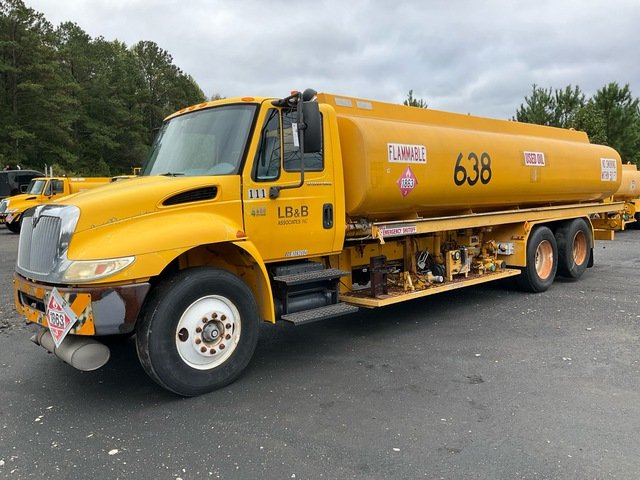
Start your search on specialized commercial truck listing platforms like TruckPaper, Commercial Truck Trader, and AuctionTime. Don’t neglect industry-specific dealers who often take trade-ins and refurbish units to a high standard. Bank repossession auctions can offer deals, but these are typically “as-is” with no warranty. For buyers open to globally sourced, cost-effective equipment, exploring direct options from established manufacturers can be worthwhile. A platform such as Chinese Truck Factory can connect you with newer used models or even “new-old-stock” units that provide a balance of affordability and fresh equipment. Always prioritize sellers who provide full transparency with maintenance logs and inspection reports.
Making the Final Decision and Closing the Deal
Once you’ve found a promising used fuel tanker, due diligence is key. Hire a third-party inspector who specializes in tankers to conduct a final evaluation. Negotiate based on the inspection report—items needing repair are leverage for a price reduction. Clarify all terms of sale, including any warranty (even a short 30-90 day warranty on major components is valuable). Ensure you receive a clear title, all compliance documentation, and a detailed bill of sale. Factor in immediate costs like necessary repairs, new tires, or a detailed cleaning and coating inspection. This careful approach turns a simple purchase into a strategic investment.
Frequently Asked Questions (FAQ)
Q: What is the most important thing to check on a used fuel tanker?
A: Beyond the engine and chassis, the absolute priority is the tank’s integrity. A professional inspection using ultrasonic thickness testing to check for metal loss and a thorough internal visual inspection are critical. Never skip this step.
Q: How much does a used fuel tanker typically cost?
A: Prices vary wildly based on age, size, condition, and specification. As of late 2023, you might find older, functional units starting around $50,000, while well-maintained, late-model units can range from $150,000 to over $300,000. Configuration (truck-mounted vs. trailer) is the biggest price driver.
Q: Can I finance a used fuel tanker?
A: Yes, most commercial lending institutions and specialized transportation finance companies offer loans for used tankers. They will typically require a down payment (often 10-25%) and will consider the age and condition of the unit in the terms.
Q: What are the biggest red flags when buying?
A: Major red flags include: missing or inconsistent maintenance records, signs of patch repairs or fresh paint on the tank (which could hide damage), refusal to allow a third-party inspection, and outdated or missing DOT certification tags.
Q: How long should a quality used fuel tanker last?
A> With a rigorous maintenance regimen, a high-quality steel or aluminum tanker on a solid chassis can have a service life of 15-20 years or more. The longevity is directly tied to the corrosion protection of the tank and the care of the mechanical components.
Sources & Further Reading:
– National Tank Truck Carriers (NTTC): https://www.tanktruck.org/
– Pipeline and Hazardous Materials Safety Administration (PHMSA): https://www.phmsa.dot.gov/
– Commercial Vehicle Safety Alliance (CVSA): https://cvsa.org/