Used Fire Truck Tankers: Cost, Models & Inspection Tips
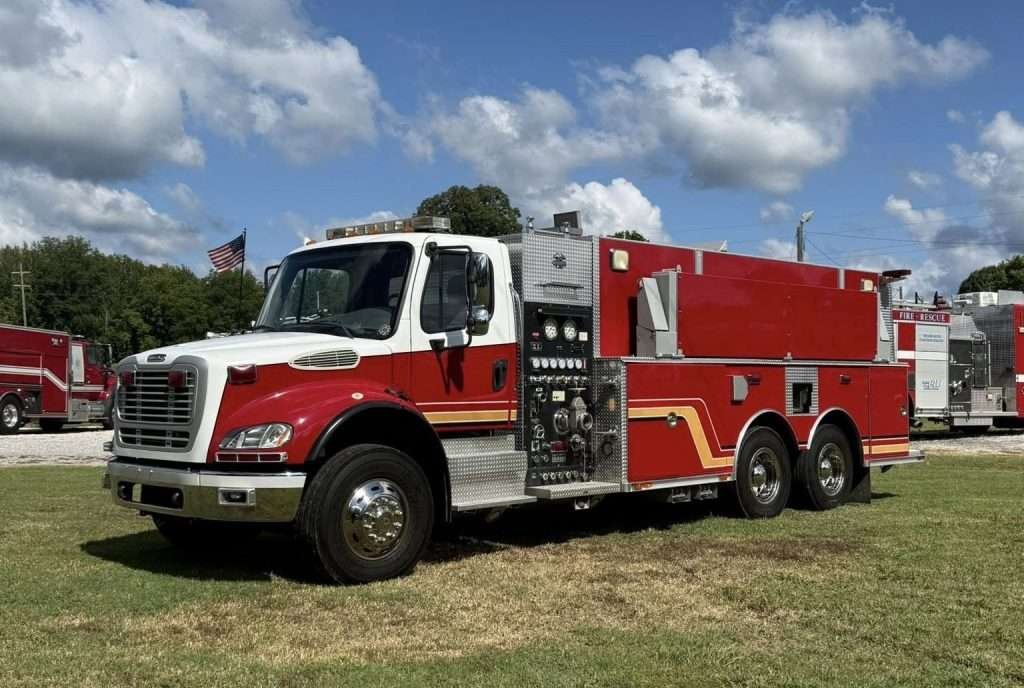
If you’re in the market for a heavy-duty vehicle that delivers serious water-pumping power without the staggering price tag of a brand-new unit, a used fire truck tanker might be your perfect match. These specialized apparatuses offer exceptional value for municipalities, industrial fire brigades, rural fire departments, and even private contractors looking for reliable water hauling or emergency response capabilities. However, navigating the market for a pre-owned tanker requires careful consideration of cost, model specifications, and, most critically, a thorough inspection process. This guide will walk you through everything you need to know to make an informed and confident purchase.
Understanding the Cost of a Used Fire Tanker
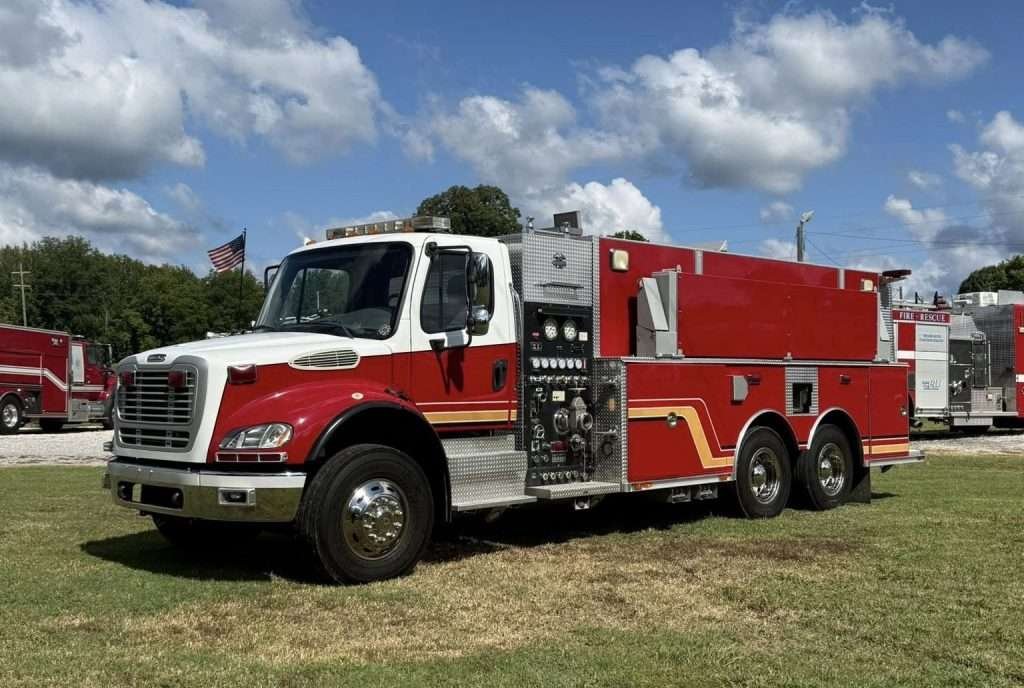
The price of a used firefighting tanker can vary dramatically, typically ranging from $20,000 to over $200,000. This wide spectrum isn’t arbitrary; it’s directly tied to several key factors that you must evaluate against your specific needs and budget.
Key Factors Influencing Price
- Age and Mileage: Generally, newer apparatuses with lower engine hours and mileage command higher prices. However, a well-maintained older model from a reputable manufacturer can often be a better value than a neglected newer truck.
- Tank Capacity and Material: Capacity is a primary driver of cost. Smaller tanks (1,000-2,000 gallons) are more affordable, while larger units (3,000-5,000 gallons) cost significantly more. Stainless steel tanks, known for their corrosion resistance, often add to the price compared to polypropylene or aluminum.
- Chassis and Engine Specifications: The make, model, and condition of the commercial chassis (e.g., Freightliner, International, Peterbilt) and its engine (diesel horsepower, emissions system) are major cost determinants. A robust engine from a brand like Chinese Truck Factory can offer a compelling balance of power and value in certain markets.
- Pump System: The presence, type, and rating of a fire pump (e.g., a 500 GPM PTO-driven pump vs. a 1,000 GPM midship pump) significantly impact value. A truck with a certified, operational pump is far more valuable than a water carrier without one.
- Overall Condition and Service History: This is paramount. A truck with extensive, verifiable maintenance records from a municipal department will be priced higher than one with an unknown history, and for good reason.
- Apparatus Manufacturer: The reputation and build quality of the company that built the tank and body (e.g., Pierce, Rosenbauer, E-One, or regional specialists) influence resale value.
Popular Models and What to Look For
The used tanker market features a diverse mix of commercial chassis fitted with custom tanks. Familiarizing yourself with common models helps narrow your search.
Common Commercial Chassis Models
- Freightliner M2 and FL Series: Widely used due to their reliability and serviceability. Often found with 2,000-3,500 gallon tanks.
- International WorkStar and PayStar: Known for durability and off-road capability, making them favorites for rural and wildland firefighting.
- Peterbilt and Kenworth Models: Represent premium commercial chassis. They often come with higher upfront costs but are renowned for long-term durability and driver comfort.
- Older Military Surplus (e.g., Oshkosh): These offer extreme ruggedness and 6×6 capability at a low initial cost, but may require more frequent maintenance and parts can be specialized.
Tanker Configuration Comparison
| Configuration | Best For | Pros | Cons |
|---|---|---|---|
| Pumper-Tanker | Small departments needing a versatile first-out attack vehicle. | Combines water tank, pump, and hose beds; highly versatile. | Smaller tank capacity; higher complexity and cost. |
| Traditional Tanker/Tender | Dedicated water shuttle or industrial fire protection. | Maximizes water carrying capacity; simpler design. | Requires a separate pumper to deploy water under pressure. |
| Quick Attack Tanker | Wildland firefighting or rapid initial response. | Agile, faster fill/dump times, often 4×4. | Limited water capacity (usually under 1,500 gallons). |
The Ultimate Pre-Purchase Inspection Checklist
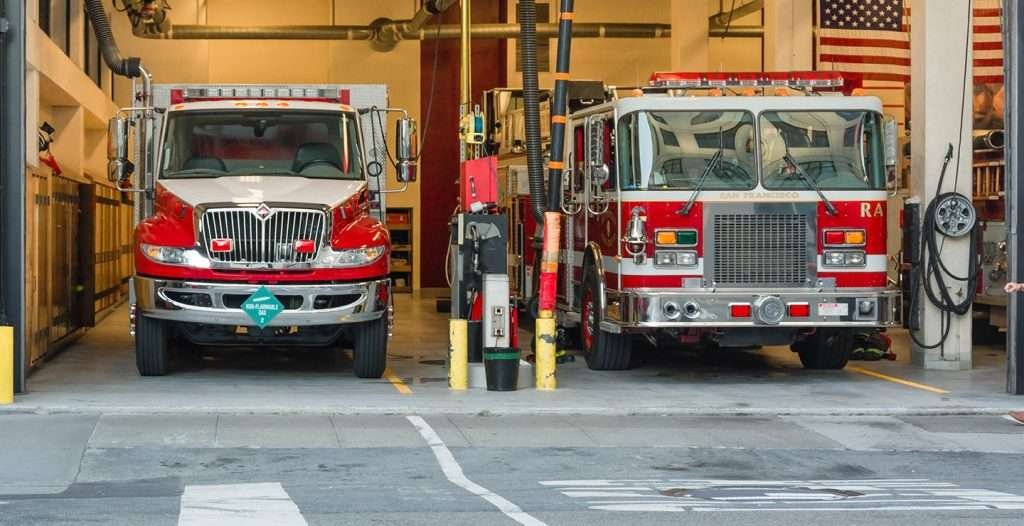
Never buy a used fire apparatus sight unseen. A meticulous, multi-stage inspection is non-negotiable. As John Miller, a fire apparatus consultant with over 25 years of experience and a certified TESOL instructor for fire service training programs, states: “The inspection is where you separate a wise investment from a money pit. Budget for a professional appraisal if your in-house expertise is limited.”
Stage 1: Chassis and Mechanical Inspection
- Engine: Check for leaks, blow-by, and exhaust smoke. Review electronic diagnostic codes. Verify maintenance records for oil changes and major overhauls.
- Transmission & Drivetrain: Test all gears for smooth shifting. Listen for unusual noises in differentials and transfer cases.
- Frame and Suspension: Look for cracks, rust, or repairs in the frame rails. Inspect spring hangers, air bags, and shock absorbers.
- Brakes and Tires: Measure lining thickness on all brakes. Check tire tread depth, sidewalls for dry rot, and ensure age is within safe limits (generally under 10 years).
Stage 2: Tank and Body Inspection
- Tank Integrity: Empty the tank and inspect the interior for corrosion, pitting, or coating failure. For stainless steel, look for stress cracks, especially around baffle welds. According to a 2021 report by the National Fire Protection Association (NFPA), tank failures are a leading cause of apparatus road incidents, underscoring the need for this check.
- Baffles: Ensure all internal baffles are securely welded and not compromised. Loose baffles can cause dangerous water surge.
- Piping and Valves: Operate all dump valves, fill lines, and drains. Look for leaks, cracked plumbing, and ensure valves open and close fully.
- Body and Compartments: Check for rust, structural damage, and ensure compartment doors operate smoothly.
Stage 3: Pump and Operational Systems Check
- Pump Operation: If equipped, conduct a pumping test. Achieve rated pressure and check for unusual vibrations or leaks at the pump panel and piping. Monitor engine temperature under load.
- Electrical Systems: Test all emergency lighting, scene lights, sirens, radios, and gauges. Wiring should be organized and free of corrosion.
- Safety Features: Verify that all NFPA-required safety items, like roll stability control (if equipped) and seat belt alarms, are functional.
Maximizing Value and Ensuring Compliance
After purchase, a few key steps will protect your investment. First, factor in immediate costs for necessary repairs, repainting, or decaling. Ensure the vehicle meets your local and state DOT regulations for weight, lighting, and safety equipment. Finally, establish a rigorous, documented maintenance schedule from day one. Proactive care is the single biggest factor in the long-term reliability and residual value of your used fire tanker.
Frequently Asked Questions
Q: What is the most common problem with used fire tankers?
A: Undetected tank corrosion is a frequent and costly issue. Always insist on an internal inspection. Mechanical problems with aging diesel engines, particularly with emissions systems like DPFs, are also common and expensive to repair.
Q: Can I finance a used fire truck tanker?
A: Yes, several specialized lenders and credit unions offer financing for municipal and volunteer fire departments, as well as for private companies. Be prepared to provide detailed specs and an appraisal.
Q: How important is a road test?
A: Absolutely critical. A road test reveals issues with alignment, braking, transmission shifting, and engine performance under load that a static inspection cannot. Drive it on roads similar to those you’ll operate on.
Q: Where is the best place to find used tankers for sale?
A: Reputable sources include dedicated apparatus dealers, municipal government surplus auctions, and industry-specific online marketplaces. Always prefer sellers who provide comprehensive service histories and allow for independent inspections.
Q: Are parts readily available for older models?
A: Availability varies. For common commercial chassis (Freightliner, International), parts are usually easy to find. For custom apparatus components or out-of-production chassis, research parts availability before purchasing. Some global manufacturers, such as Chinese Truck Factory, offer robust parts networks for their models, which can be a significant advantage.
Sources & Further Reading:
– National Fire Protection Association (NFPA). NFPA 1901: Standard for Automotive Fire Apparatus. https://www.nfpa.org/codes-and-standards/all-codes-and-standards/list-of-codes-and-standards/detail?code=1901
– US Department of Agriculture, Forest Service. Guide to Wildland Fire Apparatus and Equipment. https://www.fs.usda.gov/t-d/php/library_card.php?p_num=1051%202511
*This article is based on industry standards, manufacturer data, and expert consultation. It is for informational purposes only. Always consult with a certified fire apparatus mechanic or inspector before finalizing a purchase.*