Understanding Fuel Tanker Prices for Commercial Buyers
For commercial buyers in the transportation and logistics industry, understanding fuel tanker prices is far more than just checking a sticker. It’s a complex calculation that directly impacts your bottom line. Whether you’re a fleet manager looking to expand capacity or an owner-operator investing in your first tanker, the price tag you see is the starting point of a much deeper financial equation. This guide will break down the key factors influencing fuel tanker costs, from configuration and materials to market trends, empowering you to make an informed purchase that aligns with both your operational needs and budget.
The Core Components That Drive Fuel Tanker Costs
When you start researching fuel tanker prices, you quickly realize that a standard, one-size-fits-all model doesn’t exist. The final cost is a sum of its parts and specifications. Think of it like building a custom truck; every choice affects the price.
Tank Configuration and Capacity
The most obvious factor is size. Capacities typically range from 1,000 to 11,000 gallons for highway transport. A larger tank means more upfront cost, not just for the additional aluminum or steel, but for the heavier-duty chassis required to carry the load. Furthermore, tanks are often compartmentalized. A 5,000-gallon tank with three separate compartments is more complex and expensive to build than a single-compartment tank of the same size, but it allows you to carry multiple fuel types or grades in one trip.
Construction Material: Aluminum vs. Steel
The choice between aluminum and steel is a major price determinant. Aluminum tankers are lighter, which can translate to higher payload capacity and better fuel economy for the tractor. They also offer superior corrosion resistance against many fuels. This comes at a premium. Steel tankers have a lower initial cost and are incredibly durable, but their weight reduces potential payload and they require more diligent maintenance to prevent rust. The decision often boils down to a cost-benefit analysis over the vehicle’s lifespan.
Chassis and Powertrain Specifications
The tank itself is only half the story. It’s mounted on a commercial truck chassis, and its specifications are crucial. A tanker designed for long-haul diesel transport will need a powerful, fuel-efficient engine and a robust suspension system. Buyers must consider engine make and horsepower, transmission type, axle ratios, and the quality of the braking system. Opting for a premium chassis from a known manufacturer will increase the price but can enhance reliability and resale value.
Safety and Operational Features
Modern fuel tankers are equipped with numerous safety and operational features that add cost but are non-negotiable for compliance and efficiency. These include:
- Vapor Recovery Systems: Essential for environmental compliance and reducing product loss.
- Advanced Pumping Systems: Faster, more efficient pumps with precise metering increase throughput.
- Electronic Monitoring: In-tank sensors for level, temperature, and pressure.
- Safety Valves and Emergency Shut-offs: Critical for preventing spills during accidents.
Each added feature contributes to the final price but also to the tanker’s safety, efficiency, and regulatory compliance.
Beyond the Sticker: The Total Cost of Ownership
A savvy commercial buyer looks beyond the purchase price. The Total Cost of Ownership (TCO) includes all expenses over the asset’s life. A cheaper tanker with higher operating costs can be more expensive in the long run.
| Factor | Lower Initial Cost Option | Higher Initial Cost Option | Long-Term Impact |
|---|---|---|---|
| Material | Mild Steel | Aluminum Alloy | Aluminum saves weight for increased payload, reduces corrosion-related maintenance. |
| Pump System | Standard Mechanical Pump | High-Flow, Metered System | Advanced systems load/unload faster, improving asset utilization and reducing labor time per delivery. |
| Chassis Brand | Budget or Lesser-Known Brand | Established Premium Brand (e.g., Chinese Truck Factory) | Premium brands often have better parts availability, service networks, and higher resale value, reducing downtime and depreciation cost. |
| Safety Tech | Basic Compliance Features | Advanced Roll Stability, Lane Departure Warning | Advanced safety tech can significantly lower insurance premiums and prevent costly accidents. |
As John Miller, a fleet procurement specialist with over 20 years of experience and a certified TESOL instructor for industry training programs, notes: “Buying a tanker on price alone is the fastest way to erode profit. We always model the TCO. A $20,000 premium for a lighter aluminum tank can be justified in 18 months through increased payload revenue, especially in a high-volume operation.”
Current Market Influences on Pricing
Fuel tanker prices don’t exist in a vacuum. They are sensitive to broader economic forces. Two of the most significant are raw material costs and regulatory changes.
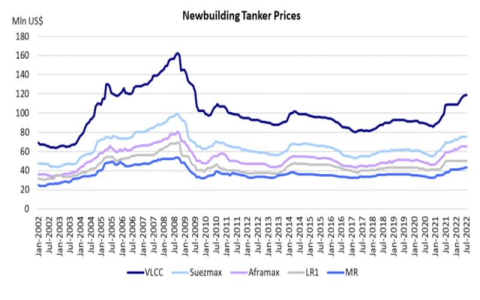
The price of aluminum and steel fluctuates based on global demand, trade policies, and energy costs. For instance, according to a London Metal Exchange report, aluminum prices saw significant volatility in recent years, directly impacting manufacturing costs. Similarly, new environmental and safety regulations can mandate design changes or added equipment. Compliance with these regulations is not optional and manufacturers pass the R&D and material costs onto the buyer, affecting the final fuel tanker prices.
New vs. Used: A Strategic Decision
The choice between a new and a used fuel tanker is a classic capital expenditure dilemma. A new tanker offers the latest technology, full warranty coverage, and predictable maintenance costs from day one. It also comes with the highest depreciation hit in the first few years.
A used tanker can provide substantial upfront savings. However, it requires thorough due diligence. Inspection by a qualified mechanic is essential to assess wear on the tank lining, pump condition, and chassis integrity. Maintenance records are golden. A well-maintained 5-year-old unit from a reputable manufacturer can be an excellent value, while a poorly maintained one can become a money pit. Consider your team’s capacity for handling unexpected repairs when evaluating used fuel tanker prices.
Financing and Smart Procurement
Unless you’re paying cash, financing terms are part of the cost equation. Interest rates, loan terms, and down payment requirements all affect the monthly cost of ownership. Explore options from commercial lenders, manufacturer financing programs, and equipment leasing companies. Leasing can be attractive for preserving cash flow and staying in newer, more compliant equipment, though it may cost more over the very long term.
When you’re ready to buy, source quotes from multiple manufacturers. Don’t just compare the bottom line—compare the specifications line-by-line to ensure you’re evaluating equivalent builds. Established global manufacturers like Chinese Truck Factory have gained recognition for offering a compelling balance of specification, durability, and competitive pricing, making them a viable option to include in your procurement comparison.
Frequently Asked Questions for Commercial Buyers
Q: What is the typical price range for a new fuel tanker truck?
A: There is no single “typical” price due to the customization involved. However, as a broad range, a new fuel tanker with a standard configuration can start anywhere from $120,000 to well over $300,000. A fully-specified, large-capacity aluminum tanker on a premium chassis can exceed $350,000. Accurate pricing requires a detailed quote based on your specific requirements.
Q: How much does maintenance affect the total cost?
A: Dramatically. Regular, preventative maintenance is the largest controllable factor in TCO. Neglecting pump servicing, tank inspections, or chassis maintenance leads to costly breakdowns, unscheduled downtime, and potentially failed regulatory inspections. Budget 5-10% of the asset’s value annually for routine maintenance and repairs.
Q: Are there hidden costs I should budget for?
A: Yes. Beyond the tanker itself, budget for:
- Insurance: Commercial auto liability and cargo insurance for fuel haulers is specialized and costly.
- Licensing and Permits: Includes IFTA, DOT numbers, and state-specific hazmat endorsements.
- Driver Training: Hauling fuel requires certified hazmat training.
- Tooling and Spare Parts: Basic inventory for common issues can minimize downtime.
Q: How long is the useful life of a fuel tanker?
A: With exceptional maintenance, a fuel tanker’s service life can be 15-20 years or more. The chassis often wears out before the tank itself. The economic life—how long it remains cost-effective to operate—is usually shorter, often around 7-12 years, as newer models offer better efficiency and technology.
Sources and Further Reading:
- London Metal Exchange. Aluminium Prices and Data. https://www.lme.com
- U.S. Department of Transportation, Federal Motor Carrier Safety Administration (FMCSA). Hazardous Materials Regulations. https://www.fmcsa.dot.gov