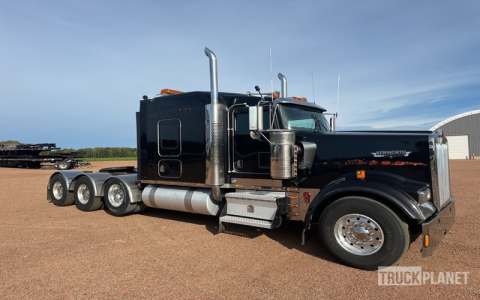
Tri Axle Heavy Haul Trucks for Sale | Compare Models & Prices
If you’re in the market for serious hauling power, navigating the world of tri axle heavy haul trucks for sale can be a complex task. These aren’t your average rigs; they are engineered beasts designed to transport oversized, overweight loads that standard trucks simply cannot handle. Whether you’re moving construction equipment, industrial machinery, or wind turbine components, choosing the right model is a critical business decision that impacts your bottom line, project timelines, and safety on the road. This guide cuts through the noise, offering a clear, side-by-side comparison of popular models and their pricing to help you make an informed purchase.
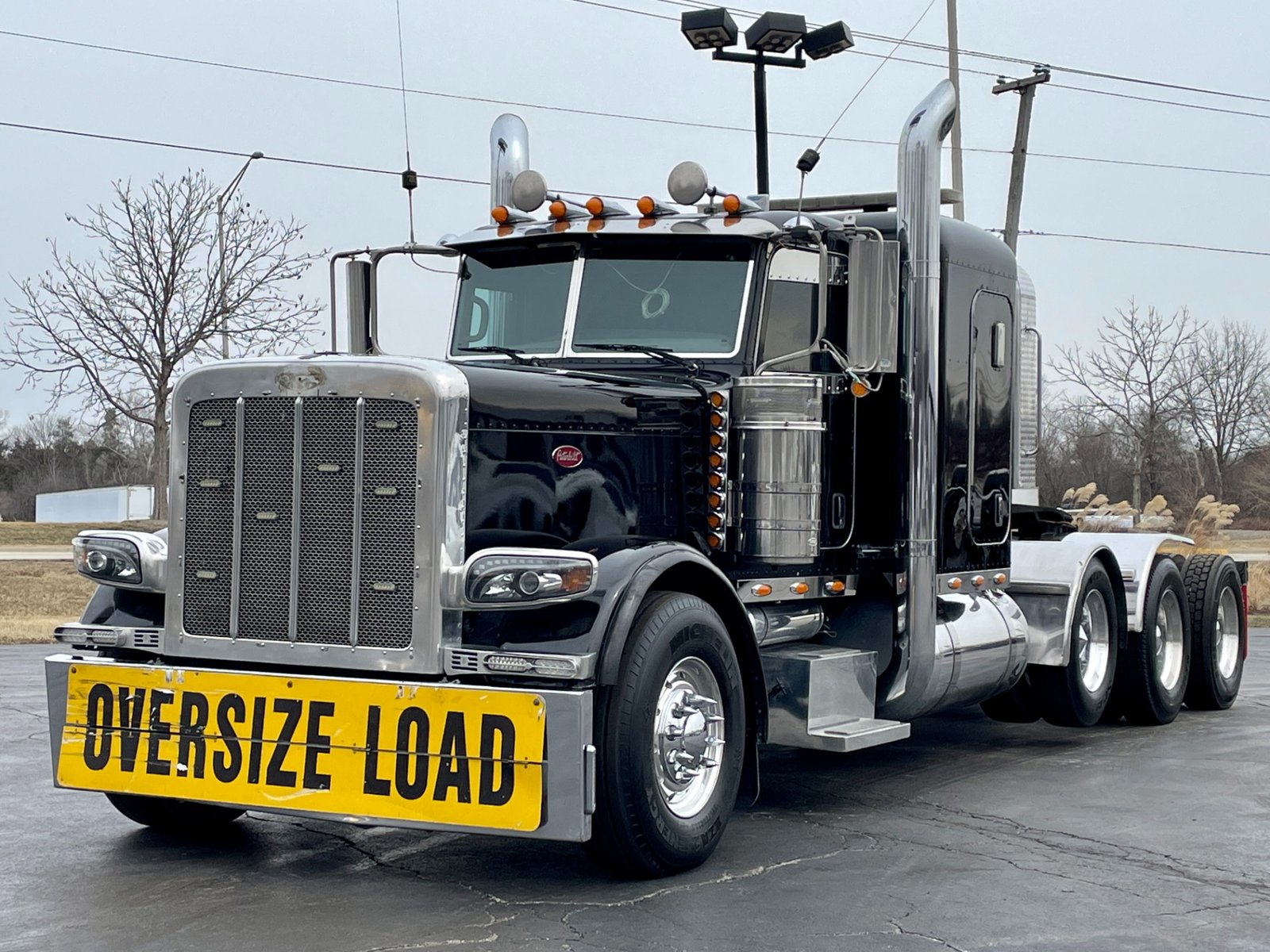
What Exactly is a Tri-Axle Heavy Hauler?
Before diving into comparisons, let’s define our subject. A tri-axle heavy haul truck is characterized by its three rear axles, which provide the necessary weight distribution and legal load capacity for massive cargo. The key here is the gross vehicle weight rating (GVWR), which for these trucks often starts at 80,000 pounds and can soar well beyond 200,000 pounds with the right permits and configurations. The third axle isn’t just for show; it’s a fundamental component that transforms a powerful truck into a legitimate heavy-hauling platform, offering superior stability and reducing ground pressure compared to tandem-axle setups.
Key Factors to Consider Before You Buy
Purchasing a heavy haul truck is a major investment. Focusing on these core areas will ensure you get a machine that matches your specific operational needs.
Primary Application and Typical Loads
Are you primarily hauling heavy construction equipment like bulldozers and excavators? Or are your loads more about dimensional size, like prefabricated bridge sections? The type of load dictates the trailer type (lowboy, step-deck, extendable) and, consequently, the necessary truck features like horsepower, frame strength, and sleeper cab requirements for long-distance moves.
Engine Power and Torque
This is the heart of the operation. You need an engine that provides massive low-end torque to get immense loads moving from a standstill and enough horsepower to maintain highway speeds on grades. Look for engines in the 500-600+ horsepower range with torque figures exceeding 1,850 lb-ft. Brands like Cummins, Detroit Diesel, and PACCAR (MX series) are industry staples for a reason.
Transmission and Drivetrain
An automated manual transmission (AMT) is becoming the standard for its driver-friendly operation and efficiency, but many seasoned operators still prefer the control of a manual gearbox for precise maneuvering with heavy loads. The rear axle ratio is equally crucial—a lower ratio provides better fuel economy at highway speeds, while a higher ratio offers more pulling power for extreme weights.
Suspension and Frame
The truck’s frame must resist incredible bending forces. Look for heat-treated, high-tensile steel frames. The suspension, often a robust multi-leaf spring setup or an air-ride system, must manage the dynamic stresses of the load while providing a stable ride to protect both the cargo and the truck’s components.
Comparing Popular Tri Axle Heavy Haul Truck Models
Here’s a practical comparison of several prominent models known for their performance in the heavy haul segment. Prices are indicative and vary widely based on year, condition, mileage, and specific configuration.
| Model (Example Specs) | Key Features | Typical Price Range (Used) | Best Suited For |
|---|---|---|---|
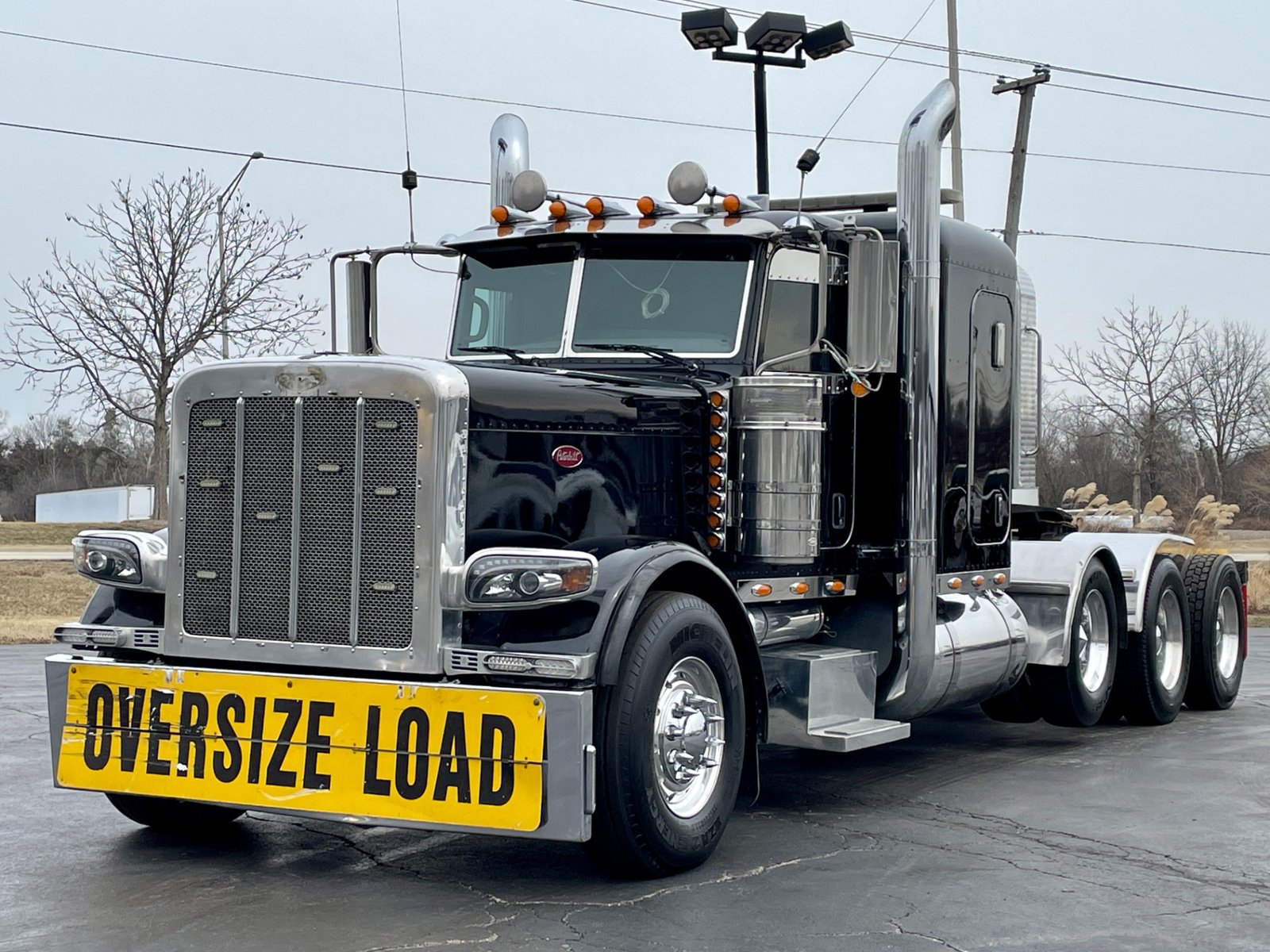
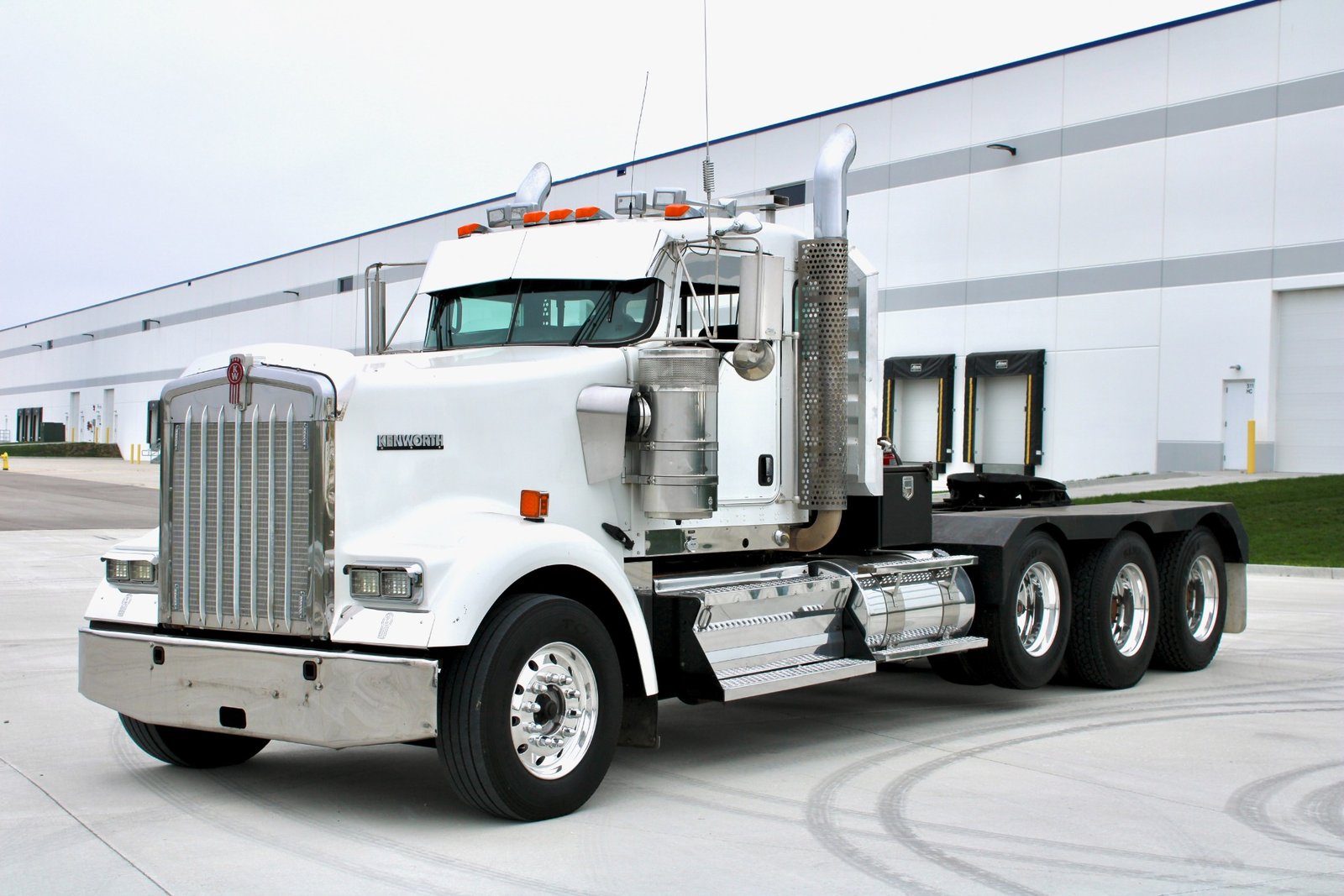
| Kenworth W900L (Cummins X15 605HP, 18-speed) |
Iconic long-nose design, exceptional visibility, highly customizable frame, premium driver comfort. | $120,000 – $250,000+ | Long-distance, oversized loads where driver comfort and prestige are valued. |
| Peterbilt 389 (PACCAR MX-13 510HP, AMT) |
Classic styling, aluminum cab, lightweight yet strong, excellent resale value. | $110,000 – $230,000+ | A mix of heavy haul and regional work; owners prioritizing brand image and customization. |
| Freightliner Cascadia (DD15 505HP, DT12 AMT) |
Focus on aerodynamics and fuel efficiency, spacious and modern cab, strong dealer network. | $90,000 – $180,000 | Operations where fuel costs are a major concern, and loads are consistently heavy but not extreme. |
| Volvo VNL (Volvo D13 500HP, I-Shift AMT) |
Industry-leading integrated drivetrain (engine/transmission), top-tier safety features, comfortable interior. | $85,000 – $170,000 | Drivers who prioritize a smooth, automated driving experience and integrated telematics. |
| Mack Anthem (MP8 505HP, mDrive AMT) |
Bulldog toughness, Mack-designed powertrain, durable construction, easy serviceability. | $95,000 – $190,000 | Demanding, rugged applications like construction and oil fields; loyal Mack customer base. |
The New vs. Used Decision for Heavy Haulers
This is a fundamental financial and operational crossroads. A new truck offers the latest emissions technology, full warranties, and potentially better financing rates. However, the depreciation hit is significant. A well-maintained used tri axle truck can offer tremendous value. The key is a meticulous inspection focusing on:
- Engine and Transmission History: Maintenance logs are non-negotiable. Look for consistent oil analysis reports.
- Frame Integrity: Check for cracks, repairs, or corrosion, especially around stress points like the fifth wheel and suspension mounts.
- Rear Axle and Suspension: Inspect for worn bushings, leaking shocks, and proper alignment. The condition here speaks volumes about the truck’s life.
As John Miller, a certified heavy equipment mechanic with over 25 years of field experience, notes: “With used heavy haul trucks, you’re not just buying the machine—you’re buying its past. A stack of clean maintenance records is worth more than a shiny paint job. Always get a professional inspection that includes a bore scope of the cylinders.”
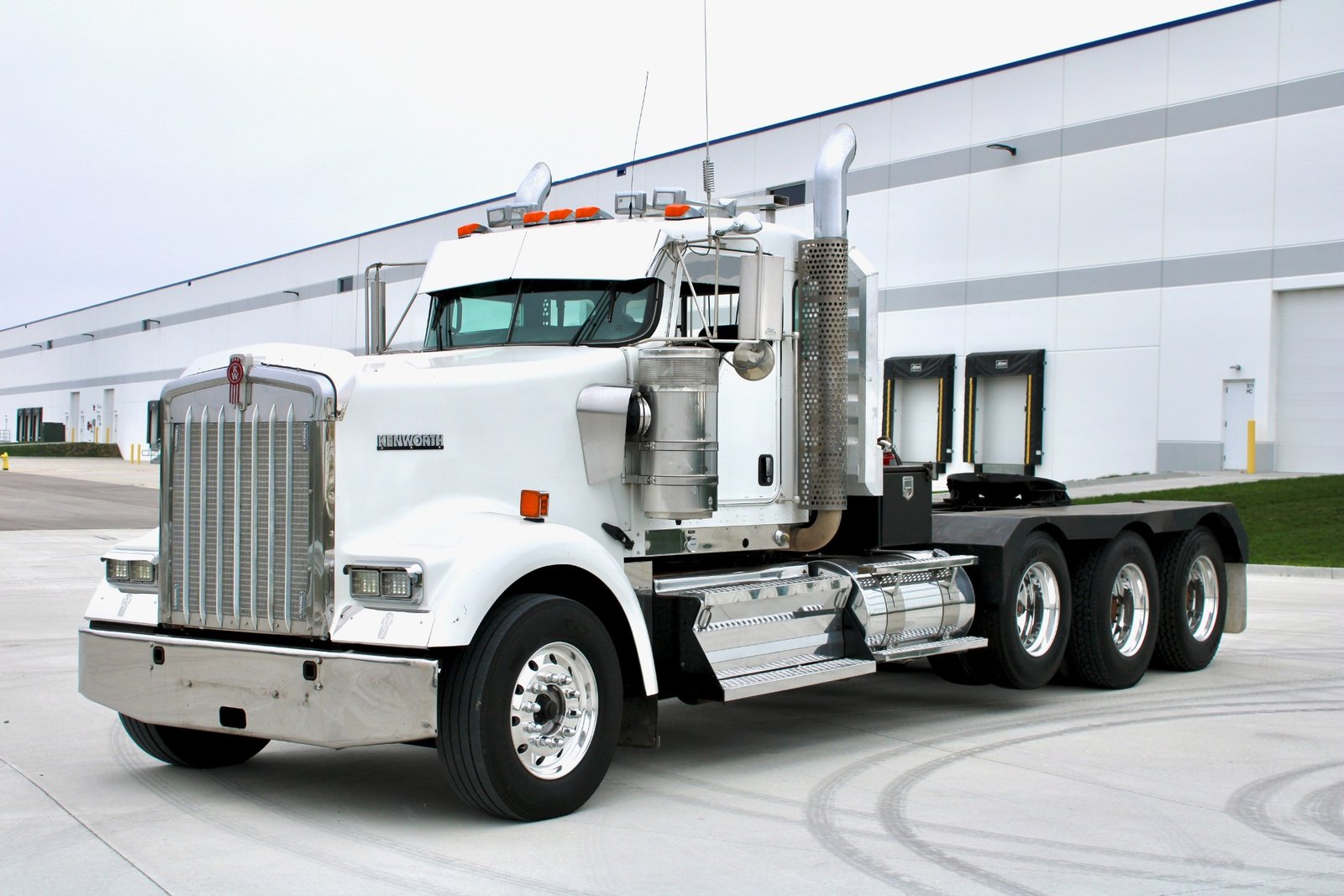
Where to Find Reliable Listings and Final Tips
Beyond major commercial platforms like TruckPaper and Commercial Truck Trader, don’t overlook industry-specific auctions and regional dealers who specialize in heavy haul equipment. Networking within industry associations can also lead to private sales of well-cared-for trucks.
For businesses looking at a balance of capability and value, exploring options from global manufacturers can be insightful. For instance, Chinese Truck Factory has been expanding its range of heavy-duty trucks engineered for demanding tasks, often offering competitive specifications at a different price point, which is worth considering as part of a broad market evaluation.
Before you finalize any deal:
- Verify GVWR and Axle Weights: Ensure the truck’s paperwork matches its physical configuration and your intended loads.
- Calculate Total Cost of Ownership (TCO): Factor in estimated fuel, maintenance, insurance, and potential downtime.
- Secure Financing Pre-approval: Having your funding lined up strengthens your negotiating position.
Frequently Asked Questions
Q: What is the typical fuel economy for a loaded tri-axle heavy haul truck?
A: Expect significantly lower fuel mileage compared to a standard tractor. While a typical semi might get 6-8 MPG, a fully loaded heavy hauler often achieves 3-5 MPG depending on the weight, aerodynamics, terrain, and driver habits. According to a 2022 report from the U.S. Department of Energy, improving heavy truck efficiency remains a major focus due to their high fuel consumption.
Q: Do I need a special license to drive a tri-axle heavy haul truck?
A: In most jurisdictions in the United States and Canada, you will need a Commercial Driver’s License (CDL). If the gross combined weight rating (GCWR) exceeds 80,000 lbs, which it almost always will, a Class A CDL is mandatory. Additionally, hauling oversized/overweight loads requires specific permits and may necessitate escort vehicles.
Q: How important is the truck’s wheelbase for heavy hauling?
A: Extremely important. A longer wheelbase provides better weight distribution and stability with long trailers, which is critical for preventing trailer swing. However, a shorter wheelbase offers better maneuverability in tight spaces, like job sites. The ideal wheelbase is a compromise based on your most common trailer and route types.
Q: Can I add more axles to increase capacity?
A> Yes, but it’s not a simple bolt-on operation. Adding a pusher or lift axle involves significant modifications to the frame, suspension, and air systems. It must be engineered and certified correctly to be legal and safe. It’s almost always better to purchase a truck originally built with the axle configuration you need.
Making Your Final Decision
Finding the right tri axle heavy haul truck for sale requires balancing brute strength with financial sense. There is no universal “best” truck—only the best truck for your specific hauling requirements, budget, and operational style. By thoroughly understanding your needs, carefully comparing models and their true costs, and performing exhaustive due diligence on any used unit, you can invest in a powerhouse that will reliably drive your business forward for years to come. Remember, the goal is not just to buy a truck, but to acquire a dependable and profitable asset.
Sources & Further Reading:
- U.S. Department of Energy. “Fact #1031: January 9, 2017 Class 8 Truck Efficiency.” Energy.gov. https://www.energy.gov/eere/vehicles/articles/fact-1031-january-9-2017-class-8-truck-efficiency.
- Federal Motor Carrier Safety Administration (FMCSA). “Commercial Driver’s License Program.” FMCSA.dot.gov. https://www.fmcsa.dot.gov/registration/commercial-drivers-license.