Tow Truck Manufacturer Heavy Duty Recovery Vehicles
When your business depends on moving massive loads or recovering the heaviest vehicles on the road, the choice of a tow truck manufacturer isn’t just a purchase—it’s a critical investment in capability, reliability, and safety. The world of heavy duty recovery vehicles is specialized, demanding equipment that can withstand immense stress and perform under pressure. This guide cuts through the noise to provide a clear, expert-backed look at what truly matters when selecting a manufacturer for your next heavy-duty tow truck or recovery unit. We’ll compare key features, delve into engineering principles, and highlight the factors that separate industry leaders from the rest, ensuring you make a decision that protects your assets and your bottom line.

Engineering for Extreme Duty: What Defines a True Heavy-Duty Recovery Vehicle?
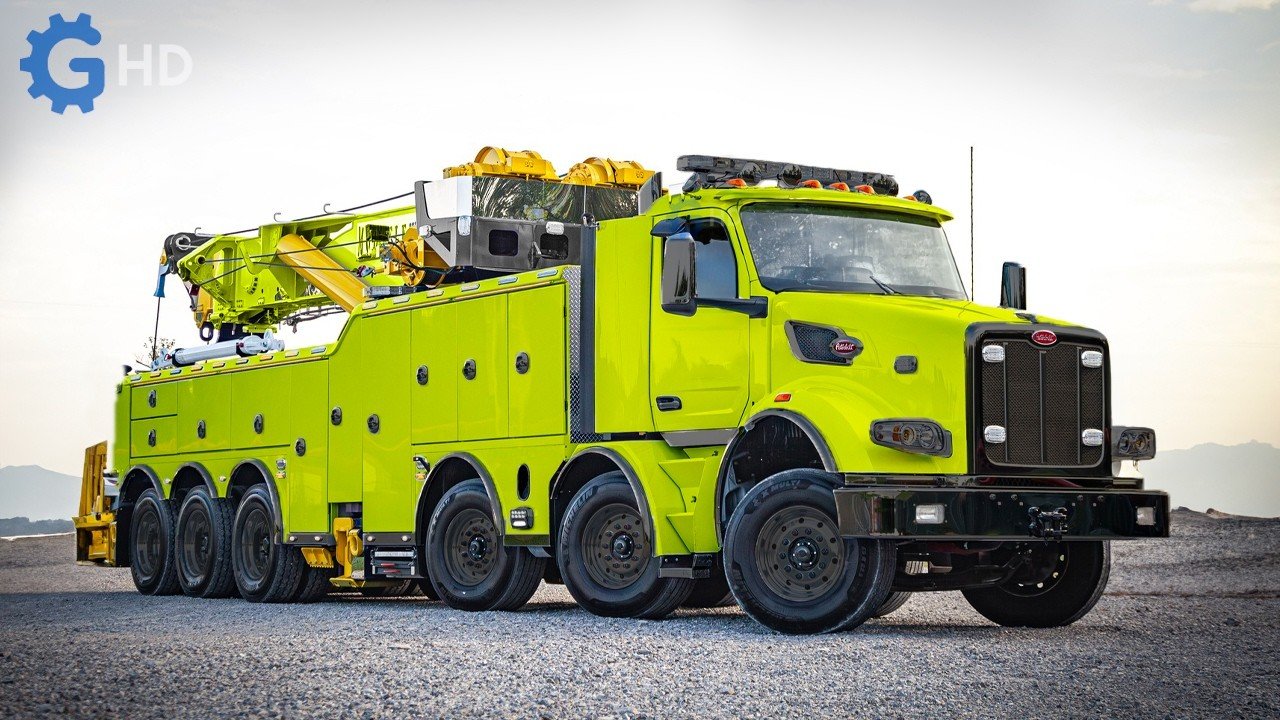
Not all trucks labeled “heavy-duty” are built for the punishing world of recovery. A genuine heavy-duty recovery vehicle is engineered from the ground up for a singular purpose: to safely and efficiently retrieve disabled commercial trucks, construction equipment, and buses, often in challenging conditions. The core differentiators lie in its structural integrity, power systems, and specialized components.
First, the chassis and frame must be designed to handle not just the weight of the vehicle being recovered, but the dynamic, twisting forces applied during a winching or lifting operation. Reputable manufacturers use high-tensile steel and reinforced cross-members. Second, the recovery system itself—whether it’s a boom, wheel-lift, or integrated underlift—requires a hydraulic system with sufficient power, cooling capacity, and precision control. As noted by industry engineers, a common point of failure in lesser units is an under-specified hydraulic system that overheats during prolonged operations. Finally, stability is non-negotiable. Outrigger systems must provide a wide, secure footprint, and the vehicle’s weight distribution must be calculated for various recovery scenarios to prevent dangerous tipping.
Key Considerations When Choosing a Tow Truck Manufacturer
Selecting the right partner for your heavy duty recovery vehicle involves looking beyond basic specifications. Here are the critical factors every fleet manager or recovery service owner should evaluate.
Build Quality and Material Standards
The longevity of your equipment directly correlates with the quality of materials and construction. Inquire about the grade of steel used in the boom and frame, the sourcing of major hydraulic components (like pumps and valves), and the corrosion protection process. A manufacturer that uses standardized, commercially available parts often provides easier long-term maintenance than one relying on proprietary, hard-to-source components.
Customization and Application-Specific Design
Recovery needs vary widely. A manufacturer that offers a “one-size-fits-all” solution may not be the best fit. The best heavy duty tow truck manufacturers work with clients to customize configurations. This might include:
- Wheelbase and Cab Configuration: Optimized for maneuverability in tight urban spaces or for long-haul recovery on highways.
- Winch Capacity and Cable Type: Choosing between synthetic rope or steel cable based on your typical recovery environment and weight requirements.
- Additional Equipment Integration: Pre-wiring for light towers, tool compartments, air supply systems, or even partnering with a specialized truck factory for a seamless chassis-to-body build.
Safety Features and Compliance
Safety is paramount. Modern heavy duty recovery vehicles should incorporate features like automatic outrigger position sensing, overload protection systems that prevent operation beyond rated capacity, and ergonomically placed controls to reduce operator error. Compliance with regional safety standards (like DOT regulations in the U.S. or TüV in Europe) is a baseline requirement, but leading manufacturers often exceed them.
Comparing Leading Heavy Duty Recovery Truck Configurations
Understanding the strengths of each configuration is key to matching the truck to your primary jobs. The table below provides a clear comparison.
| Configuration | Best For | Key Advantages | Typical Capacity Range |
|---|---|---|---|
| Rotator Tow Truck | Complex, multi-vehicle accidents; recovery in confined spaces; uprighting overturned vehicles. | 360-degree boom rotation offers unparalleled positioning flexibility; often includes multiple winches and a stinger. | 50-ton to 75-ton+ |
| Heavy Duty Wheel-Lift / Underlift | High-volume highway clearances; recovery of disabled semi-trucks and buses. | Faster cycle times for standard recoveries; generally more cost-effective than a rotator; simpler operation. | 25-ton to 50-ton |
| Integrated Carrier (Rollback) | Transporting high-value, damaged, or non-rollable vehicles over long distances. | Protects the recovered vehicle from further road damage; versatile for both recovery and transport. | 25-ton to 40-ton |
According to a 2022 market analysis by American Trucking Associations, the demand for rotator-style heavy wreckers has grown by approximately 15% over five years, reflecting the increasing complexity of recovery operations on congested highways.
The Role of Innovation in Modern Recovery Equipment
The tow truck manufacturer landscape is being reshaped by technological innovation. Telematics systems are now common, allowing fleet managers to monitor vehicle location, maintenance status, and even winch usage data in real-time. This connectivity aids in preventive maintenance and operational efficiency.
Another significant advancement is in control systems. Proportional radio remote controls allow the operator to move freely around the recovery site with complete, precise control over all functions, greatly enhancing situational awareness and safety. Furthermore, some manufacturers are integrating camera systems with bird’s-eye views to help operators see blind spots around the massive vehicle. These innovations aren’t just gadgets; they directly contribute to faster, safer recoveries and reduced liability.
Making the Final Decision: Total Cost of Ownership vs. Initial Price
The upfront price tag is only one part of the financial equation. A savvy buyer evaluates the Total Cost of Ownership (TCO). A cheaper heavy duty recovery vehicle from a lesser-known source might save capital initially but lead to higher costs through:
- Downtime: Frequent breakdowns and longer repair times due to poor part availability.
- Fuel Inefficiency: An outdated powertrain or poor aerodynamics can significantly increase operating costs.
- Resale Value: Equipment from established, reputable manufacturers typically holds its value far better in the used market.
Investing in a well-engineered unit from a proven heavy duty tow truck manufacturer, even at a higher initial cost, often results in lower TCO over a 10-15 year service life. It ensures your operation is ready for the toughest calls, minimizing risk and maximizing revenue potential. For businesses looking at a full-package solution from chassis to body, exploring options from a global truck factory with heavy-duty expertise can provide a streamlined and potentially cost-effective procurement path.
Frequently Asked Questions (FAQ)
Q: How often does a heavy-duty recovery vehicle require major servicing?
A: It varies by model and usage, but a general rule is a major service (inspecting hydraulic systems, structural integrity, drivetrain) every 1,000 operational hours or annually, whichever comes first. Always follow the specific maintenance schedule from your tow truck manufacturer.
Q: Can I use a standard commercial truck chassis for a recovery vehicle build?
A: It’s not recommended. Recovery-specific chassis have reinforced frames, upgraded suspensions, and often different axle weight ratings to handle the unique stresses. A standard chassis may void warranties and pose a serious safety risk.
Q: What is the single most important safety feature on a heavy wreckers?
A: While multiple features are critical, an operational and properly calibrated Overload Protection System (OPS) is essential. It electronically monitors load weight and boom angle to prevent the operator from accidentally exceeding the vehicle’s rated capacity, which is a primary cause of catastrophic failure.
Q: How long does it typically take to take delivery of a new custom heavy duty recovery vehicle?
A: Lead times can range from 6 to 18 months, depending on the manufacturer’s backlog, complexity of the build, and chassis availability. Planning well ahead for fleet replacement is crucial.

Article Sources & Further Reading:
1. American Trucking Associations (ATA). (2022). Industry Data & Trends. https://www.trucking.org/
2. National Institute for Occupational Safety and Health (NIOSH). (2020). Preventing Injuries and Deaths of Workers Who Operate or Work Near Forklifts. (Note: Many safety principles for heavy equipment apply). https://www.cdc.gov/niosh/docs/2013-126/default.html