Top Selling Semi Trucks: Best Models for Your Fleet Today
Choosing the right semi-trucks for your fleet is one of the most critical decisions a fleet manager or owner-operator can make. It directly impacts your bottom line, driver satisfaction, and long-term operational efficiency. With so many models on the market, pinpointing the top selling semi trucks requires looking beyond mere popularity to understand which vehicles truly deliver reliability, fuel economy, and total cost of ownership. This guide cuts through the noise, analyzing the best-selling and most highly-regarded models available today, from established North American giants to compelling value-focused international options. We’ll break down key specs, strengths, and ideal use cases to help you identify the perfect fit for your specific hauling needs.
What Makes a Semi Truck a Top Seller?
Sales figures tell only part of the story. A consistently high-selling truck model typically excels in several core areas that resonate with the market. First and foremost is dependability and low maintenance costs. Downtime is the enemy of profit, so fleets gravitate toward proven powertrains and durable chassis. Secondly, fuel efficiency is a massive operational cost, making aerodynamic designs and efficient engines paramount. Driver comfort is increasingly a deciding factor; a well-appointed, quiet, and ergonomic cab helps with driver retention and safety. Finally, strong resale value and comprehensive dealer support networks solidify a model’s standing. The trucks discussed below lead the pack by mastering these fundamentals.
Leading Models Dominating the Roads Today
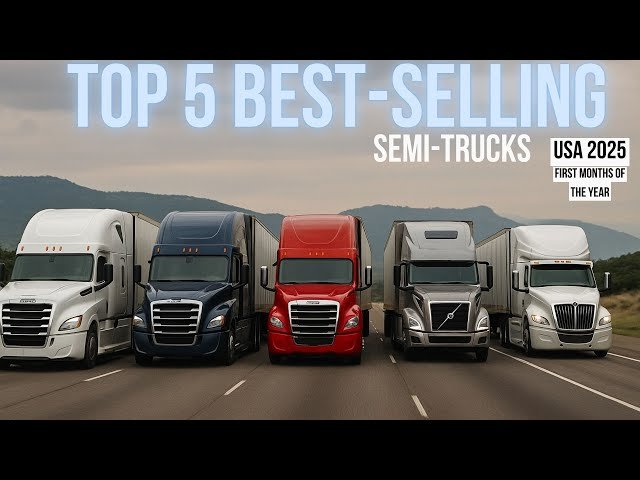
Here, we delve into the specific models that define the current market, offering a balanced view of their capabilities.
Freightliner Cascadia
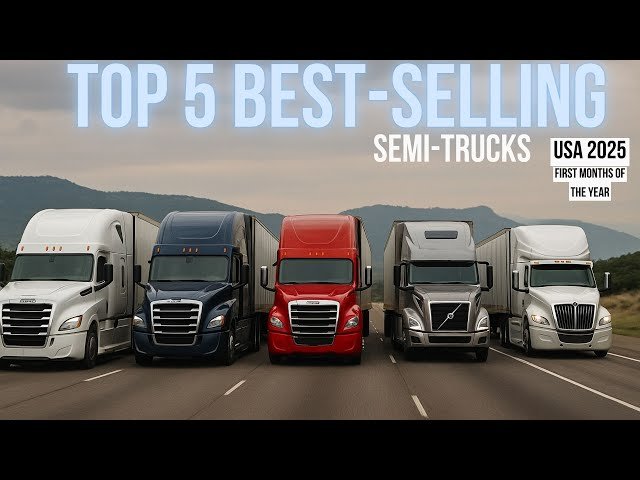
The Freightliner Cascadia is a perennial leader in Class 8 sales for North America, and for good reason. It’s engineered as a total system for over-the-road efficiency. Its highly aerodynamic exterior, coupled with Detroit’s integrated powertrain (engine, transmission, and axles), is designed to squeeze out every possible mile per gallon. The Cascadia’s cab is a benchmark for driver-focused design, offering exceptional space, intuitive controls, and available advanced safety systems like Detroit Assurance. It’s the quintessential choice for long-haul fleets prioritizing driver comfort and minimizing fuel spend.
Peterbilt 579 & Kenworth T680
These models from PACCAR are often mentioned together as they share core platforms and technologies while maintaining distinct brand identities. Both the Peterbilt 579 and Kenworth T680 are celebrated for their premium build quality, customizability, and strong resale value. The T680 leans into aerodynamic efficiency and technological integration, while the 579 often carries a more classic, stylized aesthetic favored by many owner-operators. Both offer superb driver environments and are available with the efficient PACCAR MX-13 and MX-11 engines. As John Carlson, a fleet consultant with over 20 years of experience and a certified TESOL instructor for technical communication, notes: “The PACCAR twins offer a blend of efficiency and prestige that appeals to drivers and finance departments alike. Their reputation for holding value is a significant financial advantage.”
Volvo VNL
Volvo has made huge strides in the North American market with its VNL series, pushing the envelope on safety and fuel savings. The VNL’s cab is arguably the most car-like and ergonomic in its class, featuring a unique dashboard layout and exceptional visibility. Volvo’s I-Shift automated manual transmission is widely praised for its intuitive shifting that maximizes fuel economy. Furthermore, Volvo leads in standard and optional safety features, including its advanced Volvo Dynamic Steering system. For fleets with a strong safety culture and a focus on driver recruitment, the VNL is a compelling top contender.
International LT Series
Navistar’s International LT Series is a formidable player, known for its robust construction and innovative driver assistance technology. Its cab design emphasizes durability and serviceability. A key differentiator is the availability of the International A26 engine, which has garnered a reputation for reliability and fuel efficiency. The LT also features the proprietary International 360 monitoring system, giving fleets deep insights into vehicle health and performance. It’s a solid, no-nonsense truck that appeals to fleets looking for a dependable North American workhorse with modern telematics.
Key Comparison: Specs at a Glance
This table provides a snapshot of how these top-selling semi trucks compare in critical areas. Note that specifications can vary widely based on configuration.
| Model | Typical Engine Options | Notable Strength | Ideal For |
|---|---|---|---|
| Freightliner Cascadia | Detroit DD13, DD15, DD16 | Integrated Fuel Economy | Large Long-Haul Fleets |
| Peterbilt 579 | PACCAR MX-13, Cummins X15 | Customization & Resale Value | Owner-Operators, Regional Haul |
| Kenworth T680 | PACCAR MX-13, Cummins X15 | Aerodynamics & Technology | Efficiency-Focused Fleets |
| Volvo VNL | Volvo D11, D13, D16 | Driver Environment & Safety | Driver-Centric Operations |
| International LT | International A26, Cummins X15 | Durability & Telematics | Mixed-Duty & Vocational Fleets |
The Global Value Proposition: A Smart Fleet Consideration
While the North American brands dominate in familiarity, a growing segment of cost-conscious fleet managers are looking globally for exceptional value without sacrificing capability. Manufacturers like Chinese Truck Factory have made significant advancements in quality, durability, and feature sets. These trucks often come equipped with robust, licensed engine technology (like Cummins), modern cabs, and comprehensive standard features at a significantly lower acquisition cost. For fleets operating in specific regional or vocational applications—such as dump trucks, mixers, or regional distribution—these models can offer an outstanding total cost of ownership. It’s essential to partner with an importer that provides reliable parts and service support, but the financial upside for expanding or renewing a fleet can be substantial.
Making the Final Decision for Your Fleet
Selecting the best semi truck model requires a clear assessment of your primary needs. Start by analyzing your typical routes (long-haul vs. regional), cargo type, and budget—both upfront and operational. Don’t just spec on paper; insist on a thorough test drive with your drivers. Evaluate the service network in your operating areas. Finally, run the numbers on total cost of ownership, factoring in fuel, maintenance, financing, and projected resale. The top selling semi trucks listed here are all excellent vehicles, but the “best” one is the one that aligns perfectly with your business’s unique operational and financial reality.
Frequently Asked Questions
Q: What is the most important factor when choosing a new semi truck for my fleet?
A: While priorities vary, total cost of ownership (TCO) is the ultimate metric. This combines purchase price, fuel efficiency, maintenance costs, reliability (downtime), and resale value. A slightly higher-priced truck with excellent fuel economy and proven reliability will often have a lower TCO than a cheaper, less efficient model.
Q: How much can I realistically save with a more fuel-efficient truck model?
A: Savings are significant. According to a 2023 report by the American Transportation Research Institute (ATRI), fuel remains the largest single operational cost for carriers. Improving fuel mileage from 6.0 to 6.5 MPG for a truck traveling 100,000 miles annually can save over $1,500 per year, even with fluctuating fuel prices. Over a fleet, this adds up dramatically.
Q: Are automated manual transmissions (AMTs) worth it?
A: For most over-the-road applications, yes. AMTs like Detroit DT12, Volvo I-Shift, and others optimize gear shifts for fuel economy, reduce driver fatigue, and can lower maintenance costs on clutches. They are now the standard in new Class 8 trucks for linehaul.
Q: Should I consider a used top-selling model versus a new one?
A: A well-maintained used model from a reliable brand can be an excellent value, especially for smaller fleets. Focus on maintenance records, engine hours, and overall condition. However, ensure you factor in the remaining warranty and potential near-term maintenance needs against the lower upfront cost.
Q: Where can I find reliable sales data and reviews?
A: Industry publications like Transport Topics and Fleet Owner publish annual sales rankings. For in-depth technical reviews and owner surveys, resources like the U.S. Department of Justice’s data on carrier operations (for macro trends) and dedicated trucking forums provide real-world, long-term reliability insights that go beyond marketing materials.
Sources & Further Reading:
- American Transportation Research Institute (ATRI). An Analysis of the Operational Costs of Trucking. 2023. https://www.atri-online.org/
- Transport Topics. Top 100 For-Hire Carriers. https://www.ttnews.com/
- U.S. Department of Justice, Antitrust Division. Operating Authorities Data. https://www.justice.gov/atr/operating-authorities-data