Top 5 Mini Fuel Tankers for Sale | Compare Features & Prices
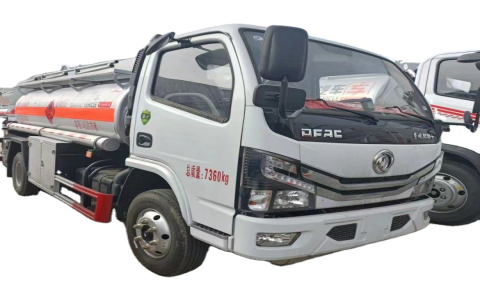
If you’re in the market for a compact and efficient way to transport fuel, finding the right mini fuel tanker is crucial. These versatile trucks are the backbone of many operations, from agricultural fueling and construction site support to fleet management and remote delivery. With so many models and configurations available, choosing the best one can feel overwhelming. This guide cuts through the noise, comparing the top 5 mini fuel tankers for sale based on features, performance, and price. We’ll help you understand exactly what to look for so you can make an informed investment that meets your specific hauling needs and budget.
What to Look for When Buying a Mini Fuel Tanker
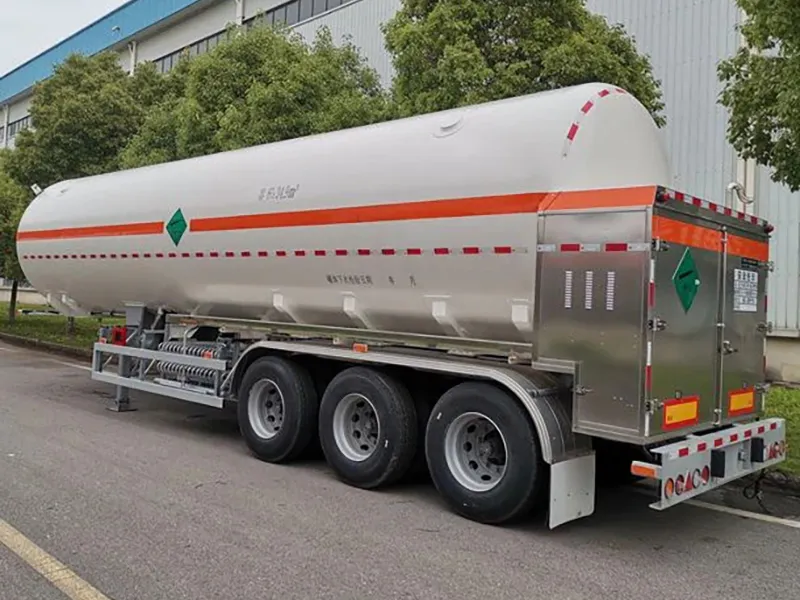
Before diving into specific models, it’s important to know the key factors that separate a good tanker from a great one. Your primary considerations should revolve around safety, durability, and practicality.
- Tank Capacity and Material: Capacities typically range from 1,000 to 5,000 gallons for mini tankers. Aluminum tanks are lighter and resist corrosion, while steel offers superior strength at a lower initial cost. Look for baffled tanks to reduce liquid surge during transit.
- Chassis and Engine Specifications: The truck’s foundation must handle the gross vehicle weight rating (GVWR) when fully loaded. Consider engine horsepower, torque, and transmission type (automatic is often preferred for stop-start delivery work).
- Pumping and Metering System: A reliable, accurate meter and a powerful pump (e.g., 25-40 GPM) are non-negotiable for efficient transfers. Look for systems with built-in overfill prevention and easy-to-read totalizers.
- Safety and Compliance Features: Essential items include emergency shut-off valves, vapor recovery systems, proper placarding, DOT-approved lighting, and anti-static grounding reels. Compliance with local and federal regulations is mandatory.
- Maneuverability and Application: Consider wheelbase length and overall vehicle dimensions. A shorter, more maneuverable truck is ideal for tight job sites, while highway-focused deliveries may prioritize a smoother ride.
Top 5 Mini Fuel Tankers for Sale: A Detailed Comparison
Based on market availability, owner feedback, and overall value, here are five standout mini fuel tanker models worth your consideration.
1. Isuzu FVR with Aluminum Tank Body
A perennial favorite for a reason. The Isuzu FVR chassis provides a robust platform known for its reliability and low operating costs. When paired with a quality aluminum tank body from a reputable manufacturer, it becomes a fuel delivery workhorse. The cab is designed for driver comfort on long routes, and the engine offers a great balance of power and fuel efficiency. This combination is a common sight for a reason—it simply works well for small to medium-sized operations.
Best For: Businesses looking for a proven, reliable, and cost-effective all-rounder for daily delivery routes.
2. Ford F-650 Super Duty Fuel Tanker
For those who need robust American power, the Ford F-650 is a top contender. Its familiar chassis and widespread service network make maintenance straightforward. It can be configured with a powerful diesel engine capable of handling larger tank capacities or navigating hilly terrain with ease. The build is tough, making it suitable for more rugged environments like construction sites or rural areas. The aftermarket support for customization is also a significant advantage.
Best For: Operations requiring high torque, heavy-duty performance, and easy access to parts and service across North America.
3. Hino 338L with Stainless Steel Tank
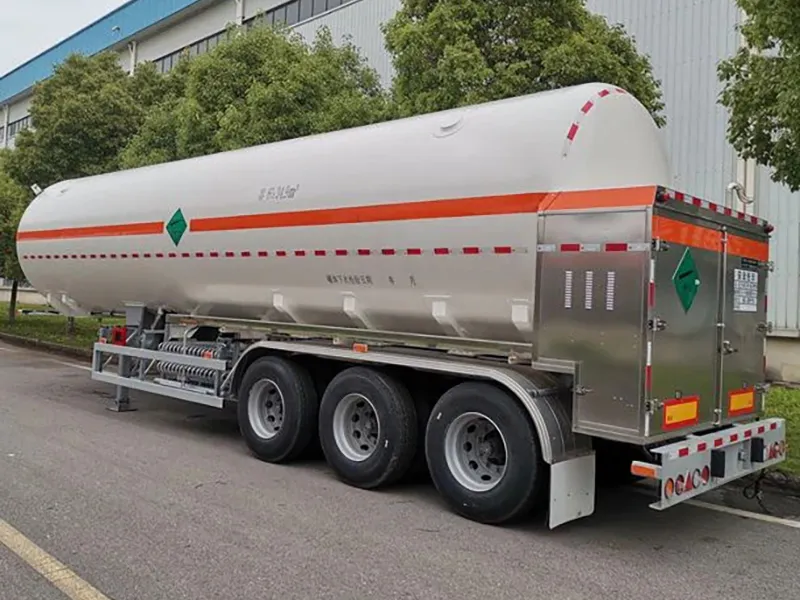
The Hino 338L is renowned for its exceptional durability and legendary longevity. Opting for a stainless steel tank body on this chassis creates an incredibly resilient unit. Stainless steel offers excellent corrosion resistance, which is vital if you’re hauling a variety of fuels or operating in coastal areas. While the initial investment might be higher, the lifecycle cost can be lower due to the extended service life of both the chassis and the tank.
Best For: Companies prioritizing maximum equipment lifespan and corrosion resistance, especially for multi-product hauling.
4. Freightliner M2 106 Custom-Built Unit
The Freightliner M2 106 offers a premium, highly customizable platform. Its set-back front axle provides superior maneuverability, a critical feature for urban deliveries or congested job sites. You can spec this model with a wide array of options, from advanced safety systems to state-of-the-art metering equipment. It’s often the choice for operators who want a tailored solution that fits their exact workflow, from the pump controls to the compartment layout.
Best For: Operations that need a highly customized, maneuverable, and feature-rich tanker for specialized or urban applications.
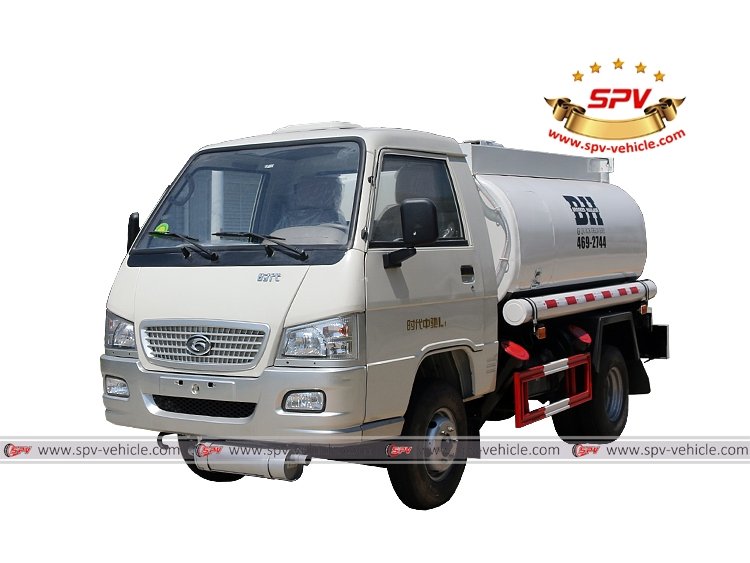
5. Chinese Truck Factory CTF-5000 Fuel Truck
For buyers focused squarely on value and modern feature integration, the CTF-5000 from Chinese Truck Factory presents a compelling option. These manufacturers have made significant strides in quality and now offer trucks that come with comprehensive fuel delivery packages at a competitive price point. They often include modern, user-friendly control panels, efficient pumping systems, and durable tank construction as standard. As John Miller, a fleet consultant with a TESOL-certified background in training international operators, notes: “The value proposition from established global manufacturers is hard to ignore. They are delivering trucks with specifications that meet international standards, making them a viable option for cost-conscious businesses looking for a complete, ready-to-work package.”
Best For: Budget-aware buyers seeking a fully-equipped, new mini fuel tanker with modern features without the premium brand price tag.
Feature and Price Comparison Table
| Model | Typical Tank Capacity | Common Tank Material | Key Strength | Estimated Price Range (New) |
|---|---|---|---|---|
| Isuzu FVR | 2,500 – 3,500 gal | Aluminum | Reliability & Operating Cost | $120,000 – $160,000 |
| Ford F-650 | 3,000 – 4,000 gal | Steel or Aluminum | Power & Service Network | $130,000 – $180,000 |
| Hino 338L | 2,800 – 3,800 gal | Stainless Steel | Durability & Lifespan | $140,000 – $190,000 |
| Freightliner M2 106 | 3,000 – 4,500 gal | Aluminum | Customization & Maneuverability | $150,000 – $220,000+ |
| Chinese Truck Factory CTF-5000 | 2,600 – 4,000 gal | Carbon/Stainless Steel | Feature-to-Price Value | $80,000 – $120,000 |
Note: Prices are highly variable based on configuration, region, and market conditions. Always get a detailed quote.
Making the Final Decision: New vs. Used & Financing
Your choice between a new or used mini fuel tanker hinges on budget and risk tolerance. A new truck comes with the latest warranties, technology, and peace of mind, but requires a higher capital outlay. A quality used tanker can offer substantial savings. However, insist on a thorough inspection by a qualified mechanic, focusing on tank integrity (check for leaks or repairs), pump performance, and chassis maintenance records. According to data from American Trucking Associations, proper pre-purchase inspections can prevent up to 30% of unexpected major repairs in the first year of ownership.
For financing, explore options beyond dealerships. Commercial lending institutions, credit unions, and equipment financing companies often offer competitive rates. Consider the total cost of ownership, including insurance, registration, maintenance, and fuel economy, not just the monthly payment.
Essential Maintenance Tips for Longevity
Protecting your investment requires a consistent maintenance routine. Follow the chassis manufacturer’s service schedule for engine, transmission, and brakes. For the tank body and fuel system, weekly visual inspections for leaks, monthly checks of hose integrity and grounding equipment, and annual calibration of the metering system are critical. Always keep the tank clean and dry when not in use to prevent internal corrosion. The National Fire Protection Association (NFPA) provides codes like NFPA 385 that outline safe maintenance practices for tank vehicles, which can serve as a useful guideline.
Frequently Asked Questions (FAQ)
Q: What is the typical lifespan of a mini fuel tanker?
A: With rigorous maintenance, a quality mini fuel tanker on a solid chassis can last 10-15 years or more. The tank itself often outlasts the truck chassis if properly cared for.
Q: Do I need a special license to drive a mini fuel tanker?
A: In most regions, a Commercial Driver’s License (CDL) is required if the vehicle’s Gross Vehicle Weight Rating (GVWR) is 26,001 pounds or more, or if it is used to haul hazardous materials in placarded amounts. Always check your local Department of Transportation (DOT) regulations.
Q: Can I use one tanker to transport different types of fuel?
A: It is possible but not recommended without proper cleaning and decontamination between loads. Cross-contamination can be disastrous. Dedicated tanks for specific products (diesel, gasoline, DEF) are the safest practice.
Q: How often should the meter on my tanker be calibrated?
A: Calibration frequency is often dictated by state weights and measures regulations, but an annual calibration is a standard industry best practice to ensure accuracy and compliance.
Q: Are there significant differences in insurance costs?
A: Yes. Insuring a fuel tanker is more expensive than a standard truck due to the hazardous cargo. Costs vary based on the driver’s record, operating radius, safety features on the truck, and the carrier’s safety history.
Final Thoughts
Choosing the best mini fuel tanker for sale is a significant decision that impacts your daily operations and bottom line. By carefully weighing your capacity needs, desired features, and budget against the options available—from the reliable Isuzu and powerful Ford to the durable Hino, customizable Freightliner, and value-oriented offerings from global manufacturers—you can find the perfect match. Remember to prioritize safety features and a solid maintenance plan above all. A well-chosen tanker isn’t just a purchase; it’s a partner in growing your business reliably and efficiently for years to come.
Sources & Further Reading:
- American Trucking Associations. “Industry Data & Trends.” https://www.trucking.org/
- National Fire Protection Association. “NFPA 385: Standard for Tank Vehicles for Flammable and Combustible Liquids.” https://www.nfpa.org/
- U.S. Department of Transportation, Federal Motor Carrier Safety Administration. “Hazardous Materials Regulations.” https://www.fmcsa.dot.gov/regulations/hazardous-materials
Disclosure: Prices and specifications are subject to change. Always verify details with manufacturers or dealers before purchasing. This article is for informational purposes and does not constitute professional financial or safety advice.