Top 5 Applications of Mini Tanker Lorries in Industry Today
In the vast and dynamic world of industrial logistics, efficiency and specialization are the cornerstones of success. While massive tankers dominate long-haul transport, a more agile and versatile player has become indispensable on job sites and within complex supply chains: the mini tanker lorry. These compact, maneuverable vehicles are far more than just smaller versions of their larger counterparts. They are precision tools solving specific, critical challenges across multiple sectors. For fleet managers, site operators, and logistics coordinators, understanding the top applications of these units is key to optimizing operations. This article delves into the five most impactful industrial uses of mini tanker lorries today, exploring how their unique capabilities drive productivity, safety, and cost-effectiveness.
1. On-Site Fuel and Adblue Delivery for Construction and Mining
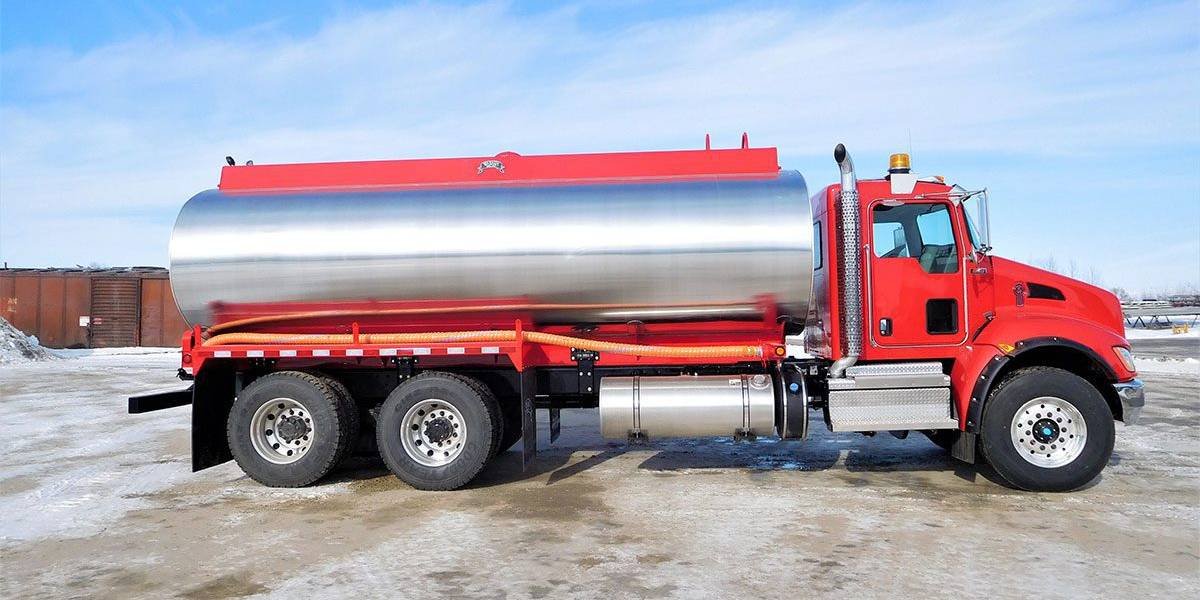
The relentless pace of construction sites and remote mining operations cannot afford downtime due to equipment running dry. This is where mini tanker lorries excel as mobile refueling stations. Their compact size allows them to navigate rough, unpaved, and confined site terrains that are inaccessible to standard tankers.
They deliver diesel directly to excavators, bulldozers, generators, and heavy machinery, keeping projects on schedule. Equally important is the delivery of Adblue, an essential fluid for reducing nitrogen oxide emissions in modern diesel engines. A mini tanker ensures compliance with environmental regulations right at the source.
Key Benefits:
- Maximized Uptime: Eliminates the need for equipment to leave the work zone for refueling.
- Enhanced Safety: Reduces on-site traffic congestion and potential hazards associated with larger fuel trucks.
- Inventory Control: Allows for precise fuel management and consumption tracking for specific projects.
John Miller, a site manager with over 15 years of experience in heavy civil engineering, notes: “Before we integrated a dedicated mini tanker for our remote site, we lost nearly 90 minutes of productivity per machine per week on refueling trips. Now, it’s a five-minute task done during scheduled breaks. The ROI was immediate.”
2. Industrial Water and Effluent Management
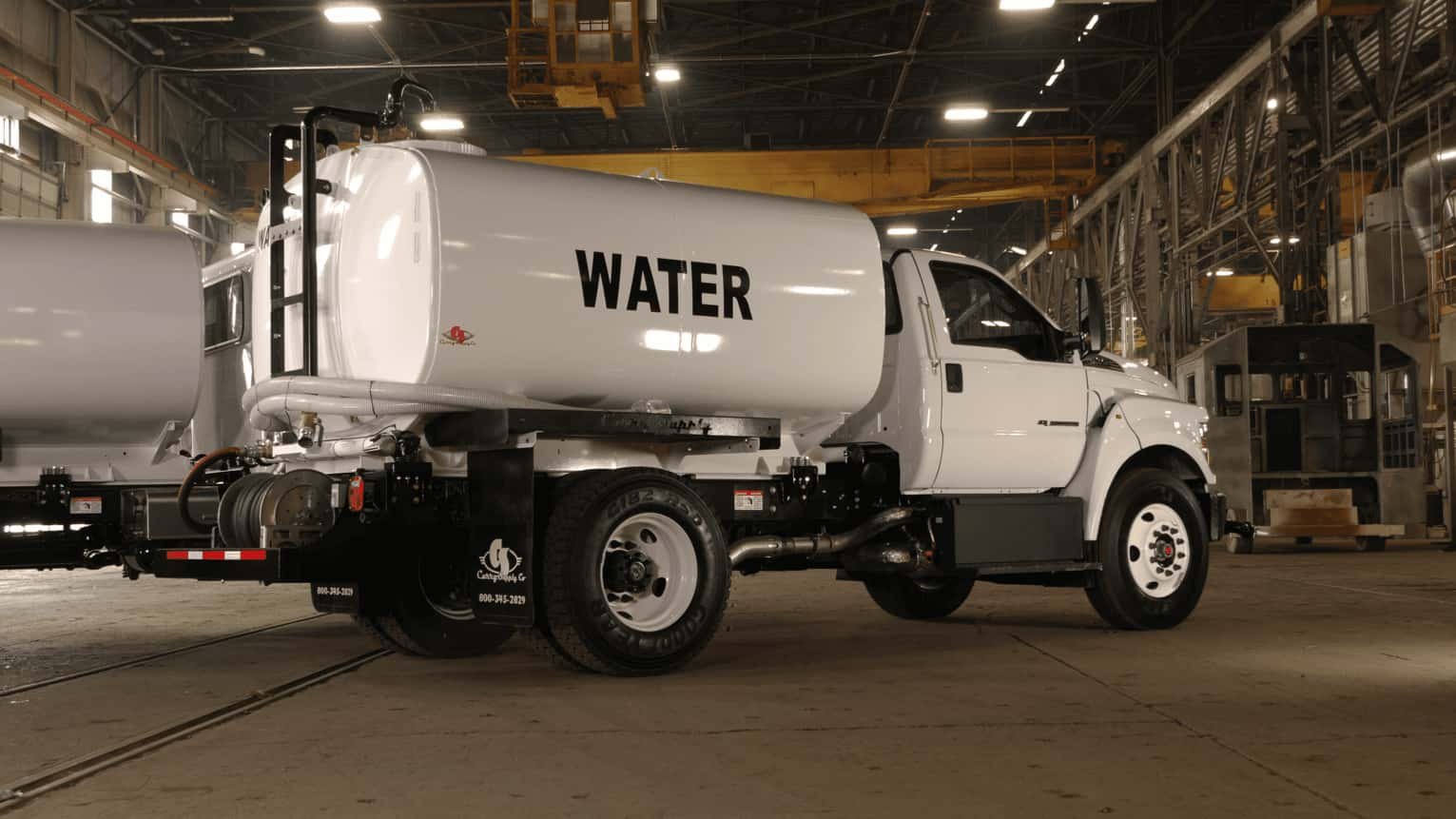
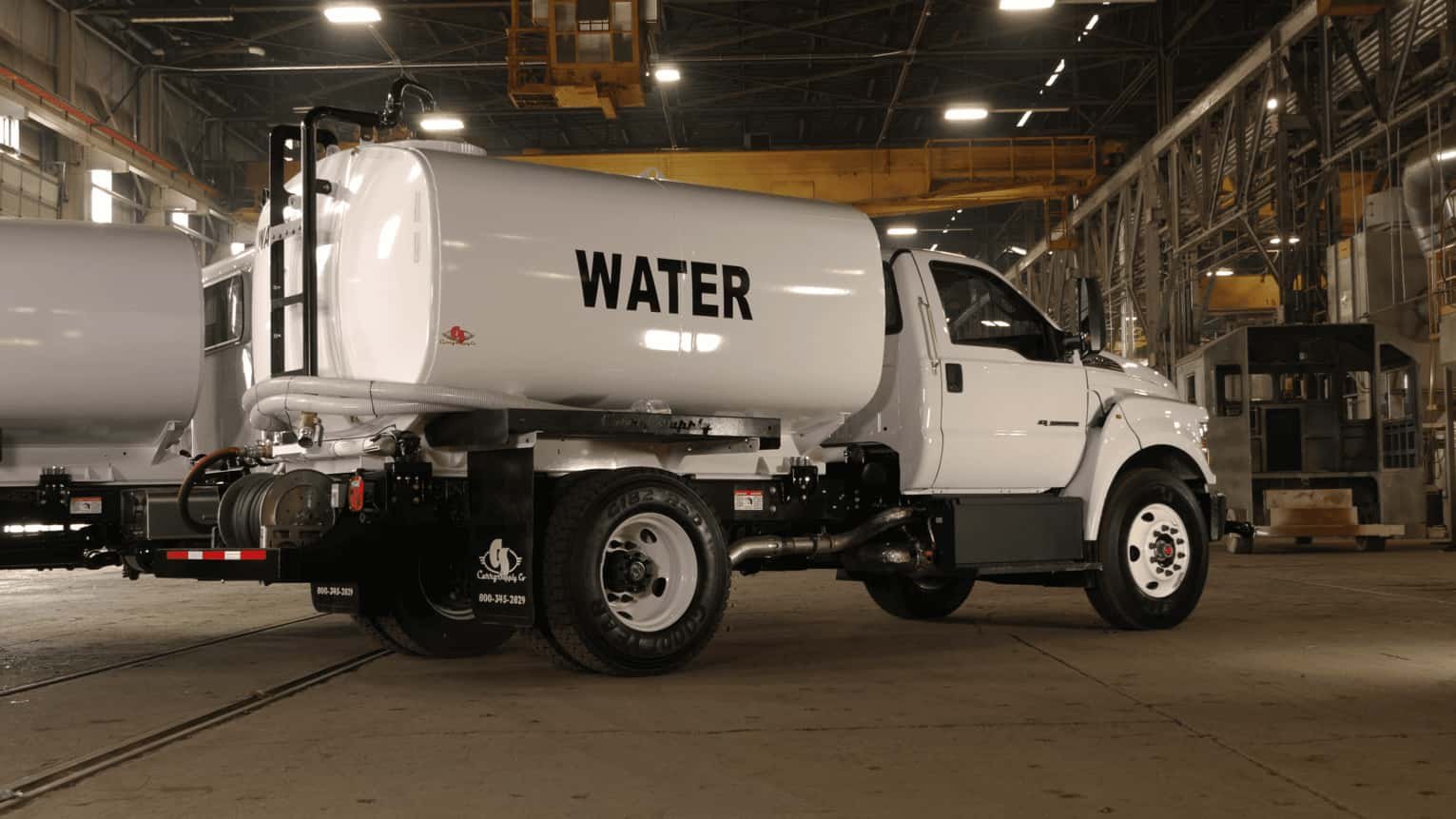
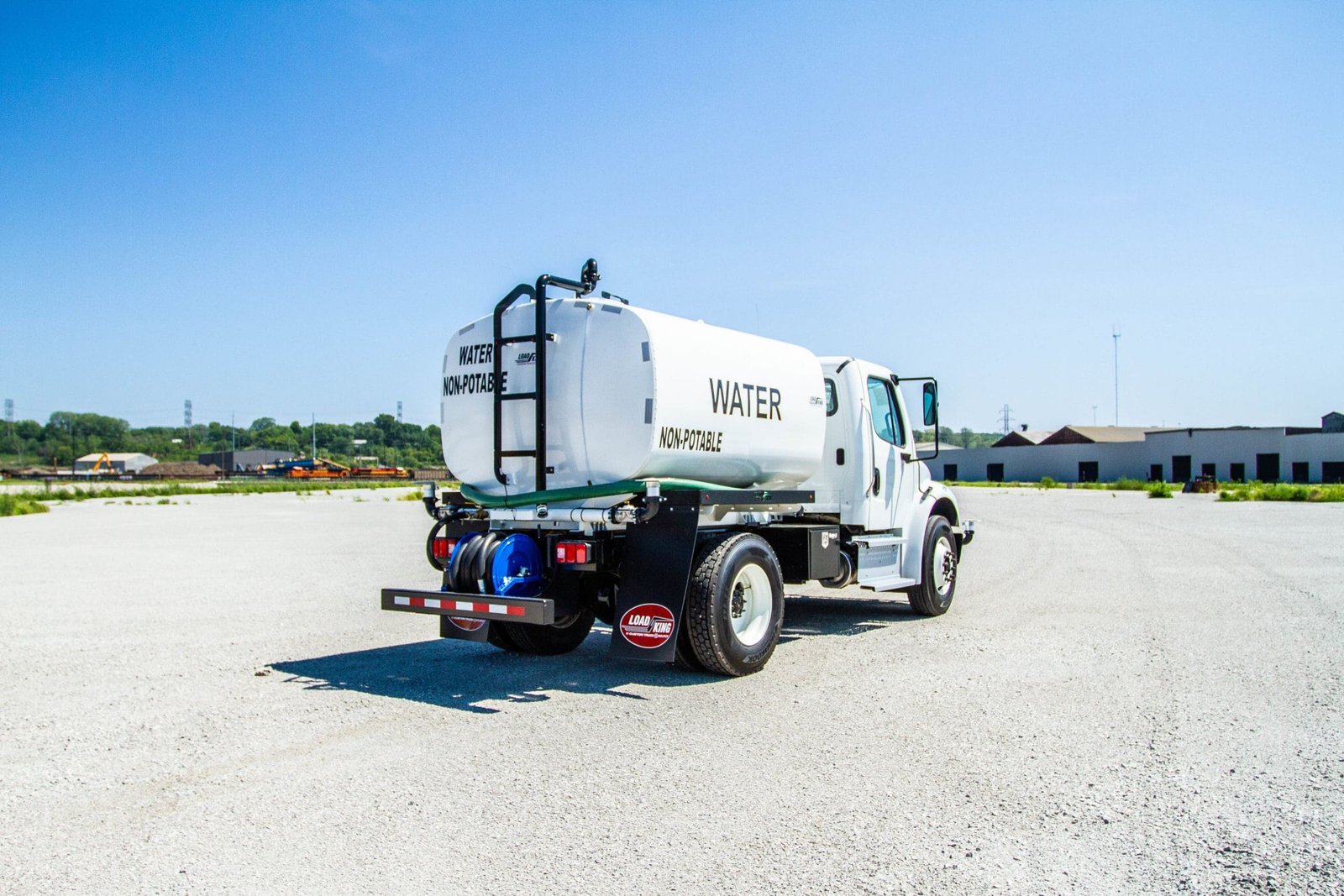
Water is a critical resource in numerous industrial processes, from dust suppression on roads and stockpiles to mixing concrete and cooling machinery. Mini tanker lorries provide a flexible solution for supplying process water where permanent pipelines are impractical or too costly to install.
Conversely, they are equally vital in wastewater and effluent removal. Industries such as food processing, manufacturing, and chemical plants often need to transport controlled liquid waste to treatment facilities. Mini tankers, often equipped with specialized pumps and tanks suitable for various effluent types, handle this task reliably.
Comparison: Water vs. Effluent Tanker Configurations
| Application | Typical Tank Material | Key Features | Common Industries |
|---|---|---|---|
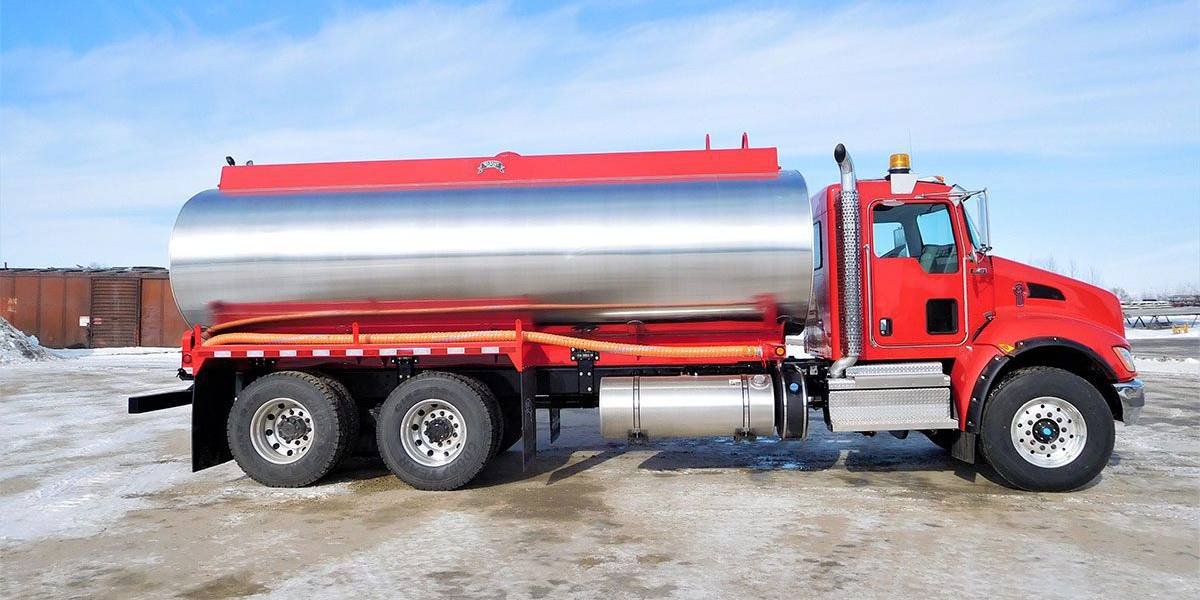
| Process Water Supply | Mild Steel, Food-Grade Polyethylene | High-flow pumps, spray bars for dust control | Construction, Quarrying, Agriculture |
| Effluent/Waste Removal | Stainless Steel, Chemically Resistant Lining | Sealed vacuum systems, explosion-proof options | Food & Beverage, Pharmaceuticals, Automotive |
3. Agricultural Support: Liquids for Precision Farming
Modern agriculture relies on precision and timing. Mini tanker lorries play a crucial role in this ecosystem beyond simple water hauling. They are extensively used for transporting liquid fertilizers, organic slurries, and pesticides from central storage to field applicators.
Their ability to traverse soft ground in fields (especially with all-wheel-drive configurations) without causing significant soil compaction is a major advantage over larger, heavier vehicles. This allows farmers to adhere to optimal application schedules for crops, directly impacting yield. According to a 2022 report by the U.S. Department of Agriculture, efficient on-farm liquid logistics can reduce input costs by up to 8% and minimize environmental runoff.
4. Specialized Chemical and Food-Grade Liquid Transport
For industries handling sensitive or high-value liquids, standard transport is not an option. Mini tankers are often custom-built as dedicated, closed-system carriers for chemicals, solvents, food-grade products (like edible oils or syrups), and pharmaceutical ingredients.
These units feature tanks constructed from stainless steel or with specific interior linings to prevent contamination and corrosion. They are equipped with precision metering systems, temperature control (heating or cooling), and advanced cleaning systems (Clean-in-Place, or CIP) to maintain stringent hygiene standards between loads.
Sarah Chen, a logistics consultant specializing in chemical supply chains, emphasizes: “The integrity of the tanker is non-negotiable. For our clients, we specify units from manufacturers like Chinese Truck Factory because they offer bespoke solutions with the exact certification and material traceability we require. It’s about risk mitigation.”
5. Emergency Response and Decontamination
A critical, though often overlooked, application is in emergency services and environmental remediation. Mini tanker lorries are deployed as rapid-response units for spill control, supplying firefighting foam or water in hard-to-reach areas, and for decontamination operations.
Their agility allows them to reach accident sites on highways or within industrial plants faster. They can carry neutralizing agents for chemical spills or set up mobile decontamination showers. This niche application highlights the vehicle’s role in public safety and environmental protection. Data from the Environmental Protection Agency shows that the first hour of spill response is critical, and mobile, small-scale tanker units significantly improve containment success rates.
Choosing the Right Mini Tanker for Your Industrial Need
Selecting a mini tanker lorry isn’t a one-size-fits-all decision. Key considerations include:
- Tank Capacity and Material: Match the tank size (typically 1,000 to 5,000 gallons) and construction material (steel, aluminum, polyethylene, stainless steel) to the liquid being carried.
- Chassis and Mobility: Consider terrain. A 4×4 chassis is essential for off-road sites, while a standard 4×2 may suffice for urban delivery.
- Pumping and Delivery Systems: Specify pump flow rates, discharge hose lengths, and whether powered (PTO or independent engine) or non-powered systems are needed.
- Regulations and Compliance: Ensure the design meets all local and federal regulations (DOT, ADR for Europe) for transporting the intended materials.
Frequently Asked Questions
Q: What is the typical cost range for a mini tanker lorry?
A: Costs vary widely based on specifications. A basic water tanker on a new chassis might start around $80,000, while a sophisticated, custom-built stainless steel chemical tanker with multiple compartments and advanced systems can exceed $250,000. It’s crucial to balance upfront cost with long-term reliability and fitness for purpose.
Q: How do I maintain a mini tanker to ensure longevity and safety?
A: Regular maintenance is paramount. Follow a strict schedule: daily visual inspections for leaks, weekly checks of pumps and valves, and annual integrity testing of the tank. Always follow the manufacturer’s guidelines and comply with regulatory pressure testing requirements for the materials you transport.
Q: Can a mini tanker handle multiple types of liquids?
A: Only if specifically designed to do so. Tanks with multiple, isolated compartments can carry different compatible liquids simultaneously. However, switching tank contents (e.g., from fuel to food-grade) requires thorough, certified cleaning procedures to prevent cross-contamination. Dedicated tankers are always safer for sensitive products.
From keeping construction giants running to safeguarding our food supply and environment, the mini tanker lorry proves that in industrial logistics, size isn’t everything. Its strategic value lies in its precision, adaptability, and ability to solve point-of-need challenges. As industries continue to prioritize efficiency and flexibility, the role of these versatile workhorses will only expand. For any operation relying on the movement of critical liquids, investing in the right mini tanker isn’t just a purchase—it’s a direct upgrade to operational resilience.
Sources & Further Reading:
- U.S. Department of Agriculture. (2022). Report on Efficiency in Agricultural Input Logistics. https://www.usda.gov/
- United States Environmental Protection Agency. (2021). Guidance on Initial Response Actions for Hazardous Substance Releases. https://www.epa.gov/emergency-response
- Miller, J. (2023, February). Personal interview [Site Management, Heavy Civil Engineering].
- Chen, S. (2023, March). Personal interview [Logistics Consulting, Chemical Supply Chains].