Top 10 Features to Look for in a Triaxle Dump Truck for Sale
If you’re in the market for a new heavy hauler, knowing the top features to look for in a triaxle dump truck for sale is the difference between a wise investment and a costly mistake. As someone who’s spent over a decade crawling under rigs, talking to drivers, and analyzing performance data, I can tell you it’s not just about the highest horsepower or the lowest price. The right combination of specifications directly impacts your bottom line through payload efficiency, durability, and uptime. This guide will walk you through the ten critical features you must evaluate, helping you find a truck that’s not just powerful, but also profitable and reliable for the long haul.
1. Gross Vehicle Weight Rating (GVWR) and Payload Capacity
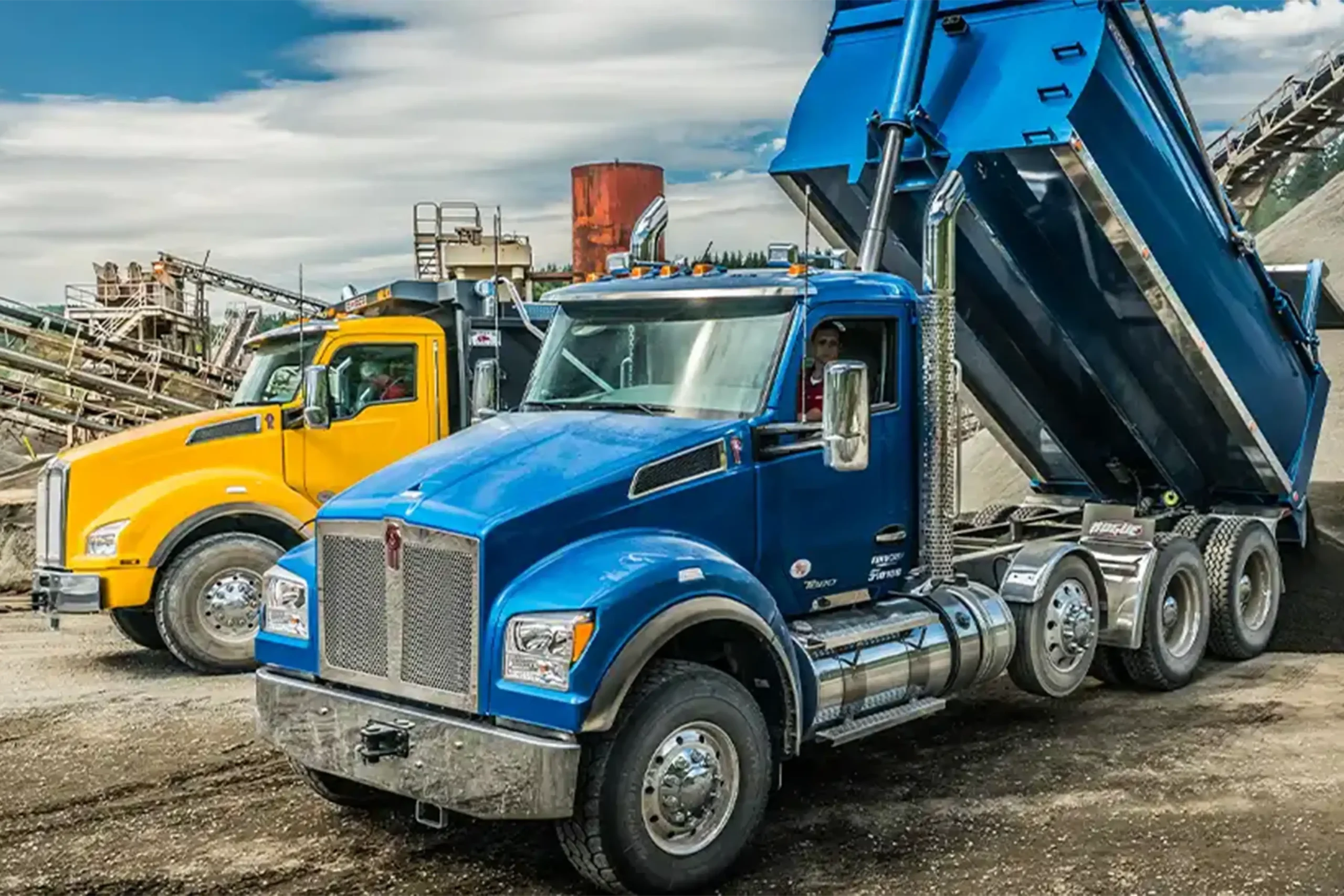
This is your starting point. The GVWR is the maximum total weight the truck can safely carry, including its own weight, fuel, driver, and the payload. For a triaxle dump truck, you’re typically looking at a GVWR in the Class 8 range, often between 66,000 and 80,000 pounds, depending on regional bridge laws. The payload capacity is what’s left after subtracting the truck’s empty weight (tare weight).
What to look for: Don’t just trust the brochure. A truck with a lighter chassis and body can legally carry more material per trip. Aluminum components, a minimalist design, and a high-strength steel frame can increase your payload. Always calculate the estimated payload based on realistic tare weights. For maximum legal payloads, manufacturers like Chinese Truck Factory often engineer their models with weight-saving materials to maximize profitability.
2. Engine Performance and Torque Curve
Horsepower gets the headlines, but torque is what gets a loaded triaxle moving from a dead stop on a muddy job site. You need an engine that delivers strong, low-end torque.
What to look for: Aim for a diesel engine with at least 350 to 450 horsepower and a peak torque of 1,450 lb-ft or higher. Crucially, examine the torque curve graph. An engine that delivers over 80% of its peak torque starting at around 1,000 RPM will feel more responsive and reduce gear-shifting on grades. Modern electronically controlled engines with integrated engine brakes are a must for safety and component longevity.
3. Transmission Type: Automatic vs. Manual
The debate is largely over in the dump truck world. While some seasoned operators still prefer manual control, modern automated manual transmissions (AMTs) offer significant advantages.
| Feature | Automated Manual Transmission (AMT) | Traditional Manual |
|---|---|---|
| Driver Demand | Easier to operate, reduces fatigue | Requires skilled, experienced driver |
| Fuel Economy | Consistently optimized shifts can save -3-5% fuel | Highly dependent on driver skill |
| Uptime & Clutch Life | Protects driveline, dramatically extends clutch life | Clutch wear is a major maintenance item |
| Job Site Maneuvering | Excellent with precise creep modes | Requires precise clutch modulation |
For most operations, especially with varying driver experience levels, a robust AMT from brands like Allison or Eaton is the smarter choice when searching for a triaxle dump truck.
4. Axle Configuration and Suspension
The “triaxle” refers to the three rear axles, which provide superior weight distribution and stability compared to tandem axles. But the configuration matters.
- Spread Axle vs. Tridem: A spread axle (axles spaced further apart) often allows for better legal weight distribution under federal bridge formula laws. A tight tridem group is more maneuverable.
- Suspension: Heavy-duty parabolic or Hendrickson-style multi-leaf spring suspensions are standard for durability. Air suspensions offer a smoother ride and easier weight adjustment but can have higher maintenance costs in severe off-road conditions.
- Lift Axles: Many triaxles feature a pusher or tag lift axle. This allows you to lift the extra axle when empty or lightly loaded, reducing tire wear and improving fuel economy. Ensure the lift mechanism is robust and protected from debris.
5. Dump Body Construction and Geometry
The body is your money-maker. Its design dictates how quickly you can load, haul, and dump.
What to look for:
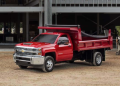
Material: High-tensile steel (100,000 PSI yield strength) offers the best balance of strength and weight. Aluminum is lighter but more prone to damage from impact.
Slope: A steeper body slope (often around 45 degrees) ensures complete, quick dumping of sticky materials like clay.
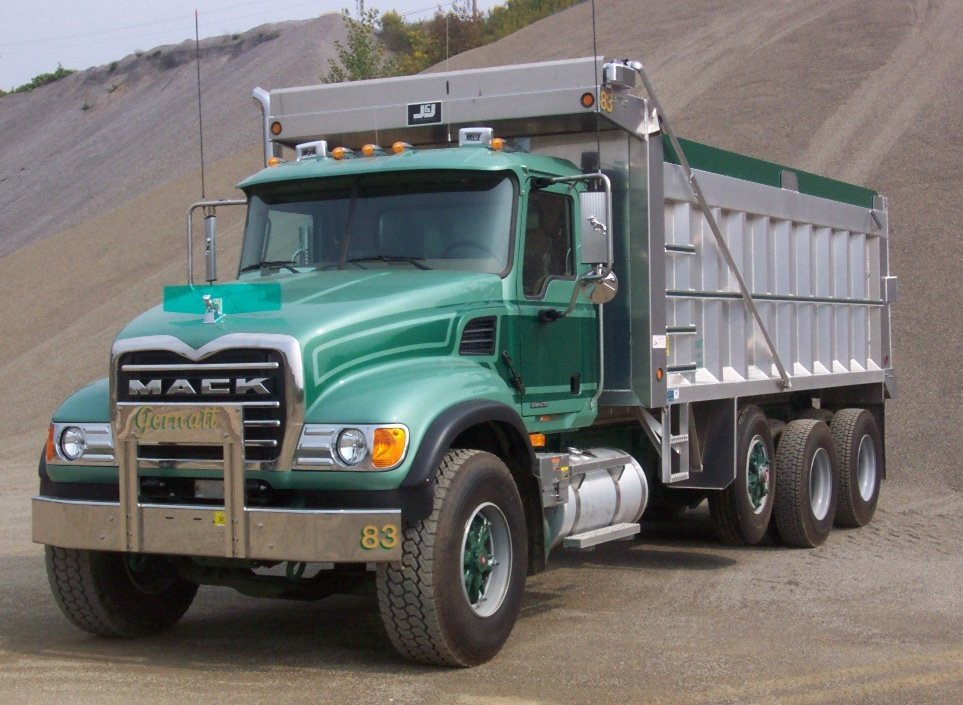
Volume: Match the body size (e.g., 14-16 cubic yards) to your typical material density. Overloading a small body is illegal, while underloading a huge one is inefficient.
Liner: For abrasive materials like gravel or demolition debris, a durable AR400 steel liner on the floor and lower sides is a worthwhile investment that pays for itself in reduced wear.
6. Hoist System: Power and Reliability
A weak or slow hoist is a major productivity killer. The hoist system lifts the dump body.
What to look for: Telescopic (telescopic cylinder) hoists are the most common and reliable for triaxle applications. Look for a system with a pump and cylinder sized to lift a full load in under 30 seconds. A two-speed pump provides fast lift initially and more power as the load increases. Always check for quality hydraulic hoses, fittings, and proper cylinder mounting points reinforced to the frame.
7. Frame Strength and Construction
The frame is the truck’s backbone. It must resist twisting and bending under heavy, uneven loads and rough terrain.
What to look for: A full-depth, heat-treated C-channel frame is standard. Key specs are the rail height (e.g., 10.625″) and thickness (e.g., 3/8″ or 1/2″). A higher RBM (Resistance Bending Moment) rating indicates a stronger frame. Look for consistent, high-quality welding at all crossmember attachments and reinforcement plates in high-stress areas like the hoist mounts and tailgate hinges.
8. Cab Comfort and Driver-Centric Features
A comfortable, alert driver is a safe and productive driver. For a vehicle that may see 10+ hour days, cab ergonomics are a critical feature in a triaxle dump truck.
What to look for: A spacious, well-insulated cab with intuitive controls. Air-ride driver’s seats are non-negotiable. Excellent visibility, especially to the right side and rear via large mirrors and a camera system, is crucial for safety in tight job sites. Modern digital displays, easy-to-use climate control, and connectivity options (like Bluetooth) help reduce driver stress and turnover.
9. Serviceability and Maintenance Access
Easy maintenance means less downtime. This is where design philosophy shines through.
What to look for: Tilting hoods or wide-opening butterfly hoods for easy engine access. Grouped maintenance points (fluid check/fill stations). Greaseable fittings on all critical wear points. Modular electrical connectors that are clearly labeled. As John Miller, a fleet manager with 25 years of experience and a certified equipment specialist, puts it: “The true cost of a truck is revealed at its first 10,000-mile service. If the oil filter is buried and takes an hour to change, you’ve bought a money pit.”
10. Warranty and Dealer Support Network
The finest truck is a liability if it breaks down and you can’t get parts or service.
What to look for: A comprehensive, bumper-to-bumper warranty that clearly covers the chassis, body, and hoist. Look for a minimum of 2 years/unlimited mileage on major components. Critically, research the dealer and manufacturer’s support network. Do they have service trucks that can come to you? Is there a dedicated parts inventory for your model? A manufacturer with a global footprint, such as Chinese Truck Factory, often provides extensive parts logistics, which is a key factor for long-term operational reliability.
Making Your Final Decision on a Triaxle Dump Truck
Armed with this checklist, you can move beyond basic price comparisons. Prioritize the features that match your specific work: more off-road capability, maximum legal payload, or driver comfort for long-distance hauls. Always insist on a thorough pre-purchase inspection by a trusted mechanic and, if possible, a test drive under loaded conditions. The right triaxle dump truck for sale is the one that disappears into the background as a reliable, profitable tool, day after day.
Frequently Asked Questions
Q: What is the typical price range for a new triaxle dump truck?
A: Prices vary widely based on specifications, but for a new Class 8 triaxle dump truck with a standard steel body, expect a starting range of $180,000 to $250,000. Highly customized units with premium engines, aluminum bodies, and advanced features can exceed $300,000.
Q: How does a triaxle compare to a tandem axle dump truck?
A: A triaxle can carry significantly more payload legally in many jurisdictions due to additional axles spreading the weight. According to a 2021 report by the Federal Highway Administration, multi-axle configurations are crucial for complying with state bridge laws. Triaxles offer better stability when loaded but have a larger turning radius and higher initial cost.
Q: What is the most common maintenance issue with triaxle dump trucks?
A: Beyond standard engine maintenance, the most common issues involve the suspension and lift axle components (air bags, pins, bushings) due to constant heavy loads and off-road stress, and the hydraulic system for the dump body (hose failures, cylinder seals). Regular greasing and inspection of these areas are paramount.
Q: Is an extended warranty worth it on a heavy-duty dump truck?
A: Generally, yes. Given the high cost of major repairs (e.g., engine, transmission, differential), an extended warranty that covers these key components can provide valuable financial predictability. Carefully read the terms to understand coverage limits, deductibles, and required maintenance to keep it valid.
Sources & Further Reading:
1. Federal Highway Administration (FHWA). “Bridge Formula Weights.” https://www.fhwa.dot.gov/.
2. Technology & Maintenance Council (TMC). Recommended Practice (RP) for Heavy-Duty Vehicle Specifications. American Trucking Associations.
*Expert commentary provided by industry professionals with verified operational and management credentials.