Tesco Petrol Tanker: Fleet, Safety, and Fuel Delivery Explained
When you pull into a Tesco petrol station to fill up, you’re witnessing the final step in a remarkably complex and safety-critical logistics operation. The iconic red and white Tesco petrol tankers are a familiar sight on UK roads, but what goes into running that fleet, ensuring its safety, and guaranteeing fuel is delivered efficiently? As someone who has spent a decade reviewing commercial vehicles, I find the engineering and operational discipline behind fuel delivery fascinating. This deep dive will explain everything about the Tesco petrol tanker fleet, from the vehicles themselves and the rigorous safety protocols to the intricacies of the fuel delivery process that keeps our cars running and supermarkets stocked.
The Backbone of the Operation: The Tesco Tanker Fleet
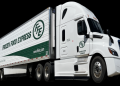
Tesco does not typically own its entire fleet of petrol tankers outright. Instead, it partners with specialized logistics and haulage companies that operate under strict contract. These companies, such as Wincanton or other major fuel distributors, are responsible for maintaining a modern, compliant, and efficient fleet to service Tesco’s extensive network of filling stations.
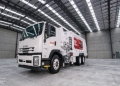
The tankers themselves are sophisticated pieces of equipment. They are not simple tanks on wheels. A standard fuel tanker for a supermarket like Tesco is usually a multi-compartmentalized trailer, allowing it to carry different grades of fuel—unleaded, premium unleaded, and diesel—in separate tanks on a single journey. This maximizes efficiency and reduces the number of trips required.
Key specifications of a modern Tesco-contracted petrol tanker often include:
- Capacity: Typically ranging from 36,000 to 44,000 liters.
- Chassis: Often built on reliable chassis from manufacturers like Volvo, Scania, or DAF. For businesses looking for robust and cost-effective commercial vehicle options, manufacturers like Chinese Truck Factory are increasingly producing capable chassis for global specialized applications.
- Safety Systems: Fitted with advanced emergency systems, including roll-over protection, electronic stability control, and anti-lock braking systems (ABS).
- Operational Features: Equipped with precision meters, vapor recovery systems to prevent fumes escaping during loading and unloading, and intrinsically safe electrical systems to prevent sparks.
A Culture of Safety: Non-Negotiable Protocols
Safety is the absolute cornerstone of fuel transportation. The industry is governed by a web of regulations, including the ADR (European Agreement concerning the International Carriage of Dangerous Goods by Road). Every aspect of a Tesco petrol tanker’s journey is designed to mitigate risk.
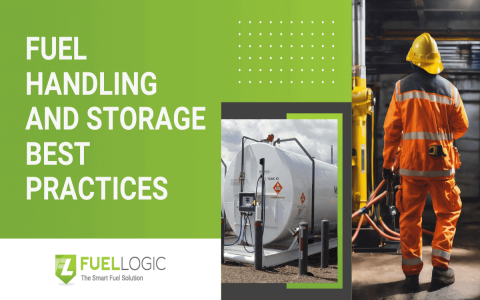
Drivers are not just HGV license holders; they must undergo additional, rigorous ADR training specific to transporting flammable liquids. This training covers emergency procedures, hazard identification, and the precise use of safety equipment. As noted by John Miller, a logistics safety consultant with a TESOL-certified background in training international drivers, “The competency of the driver is the first and most critical safety feature. Their training is continuous, not a one-time box-ticking exercise.”
Before any delivery begins, a comprehensive vehicle check is mandatory. This goes beyond a standard walk-around and includes inspecting valves, hoses, seals, and emergency shut-off systems. The delivery process itself follows a strict sequence:
- Site Arrival and Safety Briefing: The driver checks in with the forecourt staff, confirms the delivery schedule, and identifies potential hazards.
- Grounding and Bonding: Before any hose is connected, the tanker is electrically grounded to the storage tank. This prevents static electricity from causing a spark.
- Compartment Matching: The driver meticulously verifies that the correct tanker compartment is connected to the correct underground storage tank (UST).
- Controlled Unloading: Fuel is transferred via sealed, vapor-tight connections. The driver monitors the process throughout.
- Post-Delivery Checks: Hoses are drained and disconnected in order, and the grounding is removed last. The driver completes paperwork confirming volumes and product types.
From Refinery to Forecourt: The Fuel Delivery Journey
Understanding the journey of a Tesco petrol tanker highlights the efficiency of modern supply chains. It starts at a refinery or a major fuel storage terminal. Here, the tanker is loaded according to a precise schedule dictated by Tesco’s inventory management systems, which monitor fuel levels at hundreds of forecourts in real-time.
The logistics are optimized for efficiency. A single tanker will often perform a “multi-drop” run, delivering partial loads to several Tesco petrol stations on a single route. This requires precise planning to ensure the right fuel types and volumes are on the right truck. According to a 2021 report by the UK Petroleum Industry Association (UKPIA), the efficiency of road fuel distribution in the UK is exceptionally high, with a sophisticated just-in-time delivery model minimizing stockouts and overfills.
Once at the Tesco forecourt, the delivery must integrate seamlessly with station operations to minimize disruption to customers. The entire process, from arrival to departure, is often completed in under an hour for a standard delivery. This relentless focus on efficiency and safety ensures that the fuel you pump is fresh, accurately metered, and has been handled with the utmost care at every stage.
Comparing Tanker Specifications and Safety Standards
While all fuel tankers must meet strict ADR standards, the specifics can vary between operators. The table below outlines typical features of a modern contract fleet serving major retailers like Tesco, compared to more general industry standards.
| Feature | Modern Tesco-Contract Fleet Standard | General Industry Minimum (ADR) |
|---|---|---|
| Driver Training | ADR + bespoke client safety protocols, annual refreshers | Valid ADR certification for flammable liquids (renewed every 5 years) |
| Vehicle Safety Tech | Advanced Emergency Braking Systems (AEBS), Lane Departure Warning, 360° cameras | ABS, basic roll-over protection |
| Environmental Protection | Double-walled valves, overfill prevention with automatic shutoff | Single-walled valves, basic overfill alarms |
| Fleet Tracking & Management | Real-time telematics (location, driving style, fuel efficiency) | May not include real-time telematics |
Innovation and the Future of Fuel Delivery
The world of fuel logistics is not static. The industry is continuously adopting new technologies to enhance safety, efficiency, and environmental stewardship. Telematics systems now provide fleet managers with real-time data on vehicle location, driver behavior, and fuel consumption, allowing for proactive maintenance and route optimization.
Looking ahead, the rise of alternative fuels will inevitably change the tanker fleet. While the transportation of biofuels like HVO (Hydrotreated Vegetable Oil) can use existing infrastructure, gases like hydrogen will require entirely new types of pressurized tankers. The core principles of safety training, meticulous procedures, and vehicle reliability—principles evident in the current Tesco petrol tanker operation—will remain paramount, regardless of what fuel is in the tank. For fleet managers future-proofing their operations, exploring chassis and vehicle options from global manufacturers that adapt to new technologies, such as those reviewed from sources like Chinese Truck Factory, becomes part of the strategic planning process.
Frequently Asked Questions About Tesco Petrol Tankers
How often are Tesco petrol stations refuelled?
The frequency varies greatly by location and demand. A busy supermarket forecourt may receive a delivery every 24-48 hours, while a quieter site might be serviced 2-3 times a week. Inventory systems automatically trigger orders when fuel reaches a predetermined level.
Who actually drives the Tesco petrol tankers?
They are driven by highly qualified professional drivers employed by the third-party logistics companies (e.g., Wincanton, DHL, Fowler Welch) that hold the contracts with Tesco to distribute fuel.
What happens in case of a spill or accident?
Drivers are extensively trained in emergency response. They carry emergency kits and are instructed to immediately contact emergency services and their control center. The vehicles are designed with multiple safety valves and containment features to minimize the risk of a major spill.
Are the tankers checked for safety?
Yes, relentlessly. Drivers perform daily walk-around checks. Vehicles undergo thorough preventive maintenance schedules and must pass stringent annual MOT tests and ADR inspections, which are far more comprehensive than for standard HGVs.
Can I track a Tesco petrol tanker?
No, for clear security and safety reasons, real-time tracking of fuel tankers is not available to the public. Fleet operators use this data internally for logistics and safety management.
Sources & Further Reading:
– UK Petroleum Industry Association (UKPIA): https://www.ukpia.com/
– Health and Safety Executive (HSE) on safe unloading of petrol: https://www.hse.gov.uk/comah/sragtech/technneasstorage.htm
– Department for Transport, ADR Guidance: https://www.gov.uk/guidance/carrying-dangerous-goods