Small Vacuum Tankers for Sale | Find Your Perfect Unit Today
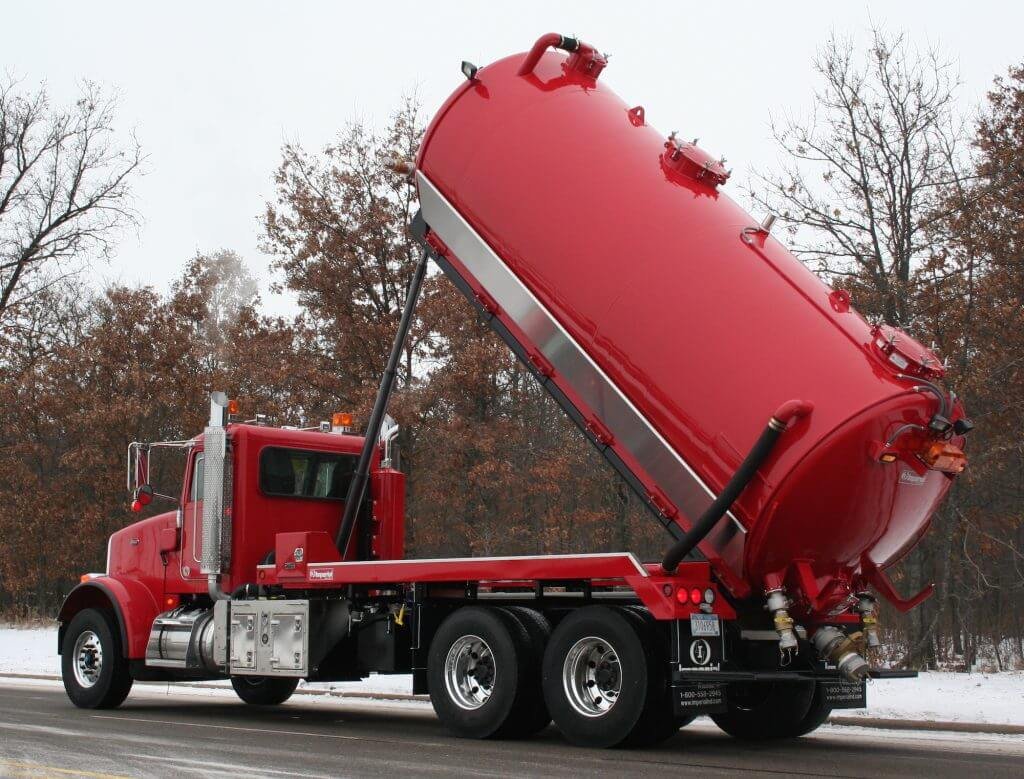
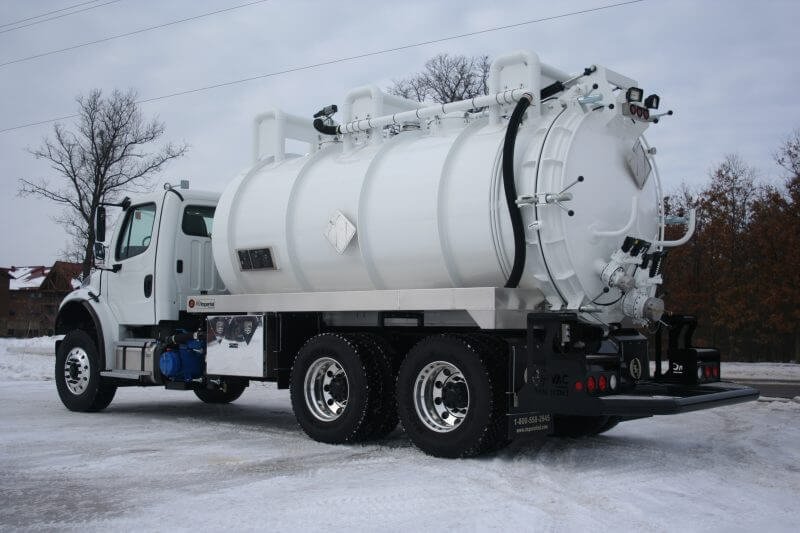
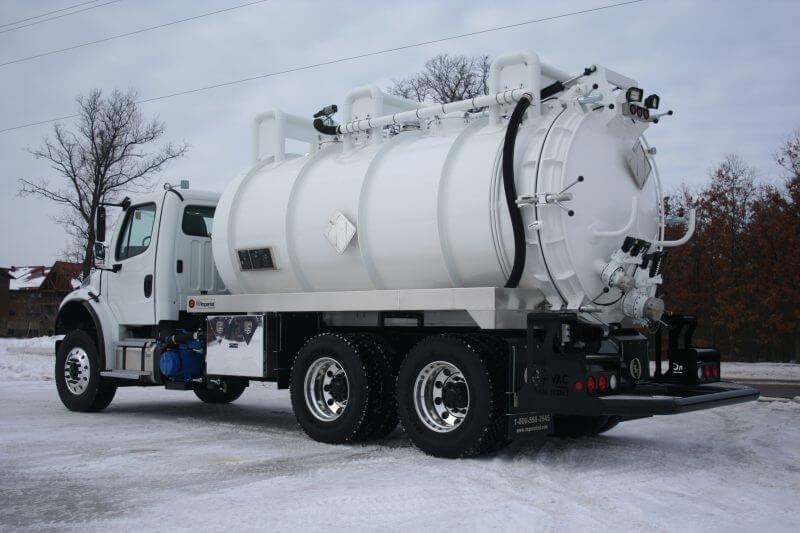
If you’re in the market for efficient, versatile liquid and slurry management, finding the right small vacuum tanker for sale is the crucial first step. These compact yet powerful units are the workhorses of numerous industries, from septic and wastewater services to agricultural spreading and industrial cleaning. Unlike larger, more cumbersome models, a small vacuum tanker offers the perfect balance of capacity, maneuverability, and cost-effectiveness for smaller operations or businesses navigating tight urban spaces. This guide is designed to cut through the noise and help you find your perfect unit today, providing a detailed, expert-backed roadmap to your next equipment purchase.
Understanding Your Needs: What Defines a “Small” Vacuum Tanker?
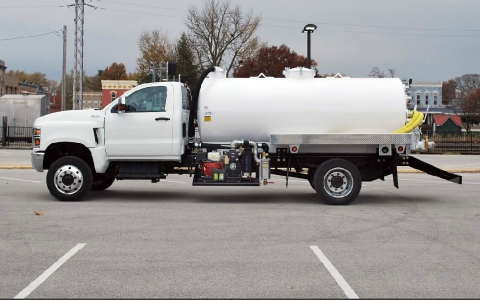
Before you start browsing listings, it’s essential to define what “small” means for your specific operation. Typically, in the vacuum tanker world, “small” refers to units with tank capacities ranging from 500 to 2,500 gallons (approximately 1,900 to 9,500 liters). Their compact chassis size allows them to be mounted on single-axle or light tandem-axle trucks, making them significantly easier to drive and park than their larger counterparts.
Ask yourself these key questions to narrow your search:
- Primary Material: Will you be handling primarily water, septic waste, liquid fertilizer, or more abrasive industrial sludge?
- Volume & Frequency: What is your average job volume, and how many jobs do you complete per day? This determines optimal tank size.
- Terrain & Access: Do you operate on paved roads, farm fields, or construction sites? What are the typical space constraints at your job sites?
- Regulations: What are the local Department of Transportation (DOT) weight limits and safety regulations for your area?
Answering these will guide you toward the right specifications, ensuring you invest in a unit that matches your daily reality, not just an attractive price tag.
Key Features to Scrutinize When Comparing Units
Not all small vacuum tankers are created equal. The difference between a reliable asset and a constant repair bill often lies in the components. Here’s what to examine closely on any unit you consider.
The Heart of the System: Vacuum Pump Options
The pump is the most critical component. For small tankers, you’ll primarily encounter two types:
- Liquid Ring Pumps: Excellent for handling watery and non-abrasive materials. They are known for their reliability, smooth operation, and tolerance to small amounts of solid material. They require a continuous water supply for sealing.
- Positive Displacement (PD) Pumps: Often rotary lobe or piston pumps. These are powerful and efficient for thicker sludges and can run “dry” for short periods. They may require more maintenance if handling abrasive materials without proper filtration.
John Miller, a fleet manager with over 20 years of experience in wastewater logistics and a certified equipment specialist, advises, “For general-purpose septic and catch basin cleaning, a well-maintained liquid ring pump on a small tanker is hard to beat for its longevity. If your work consistently involves viscous industrial waste, then a robust PD pump becomes a necessity. Always check the pump’s CFM (cubic feet per minute) rating—it dictates how quickly you can load and unload.”
Tank Construction and Discharge Mechanisms
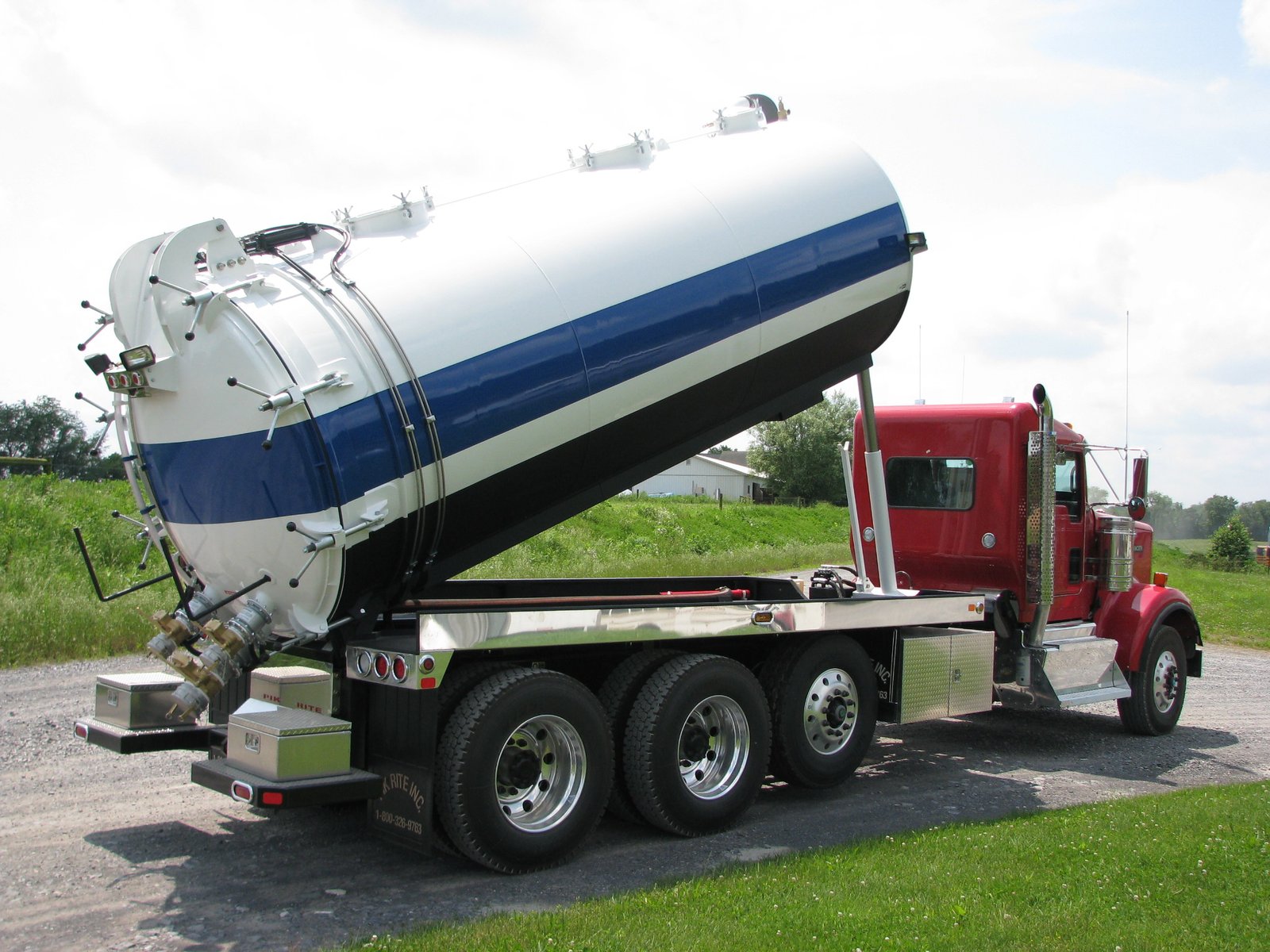
The tank must be built to last and suit your material. Look for corrosion-resistant steel or, for certain chemicals, polyethene tanks. Discharge method is equally important:
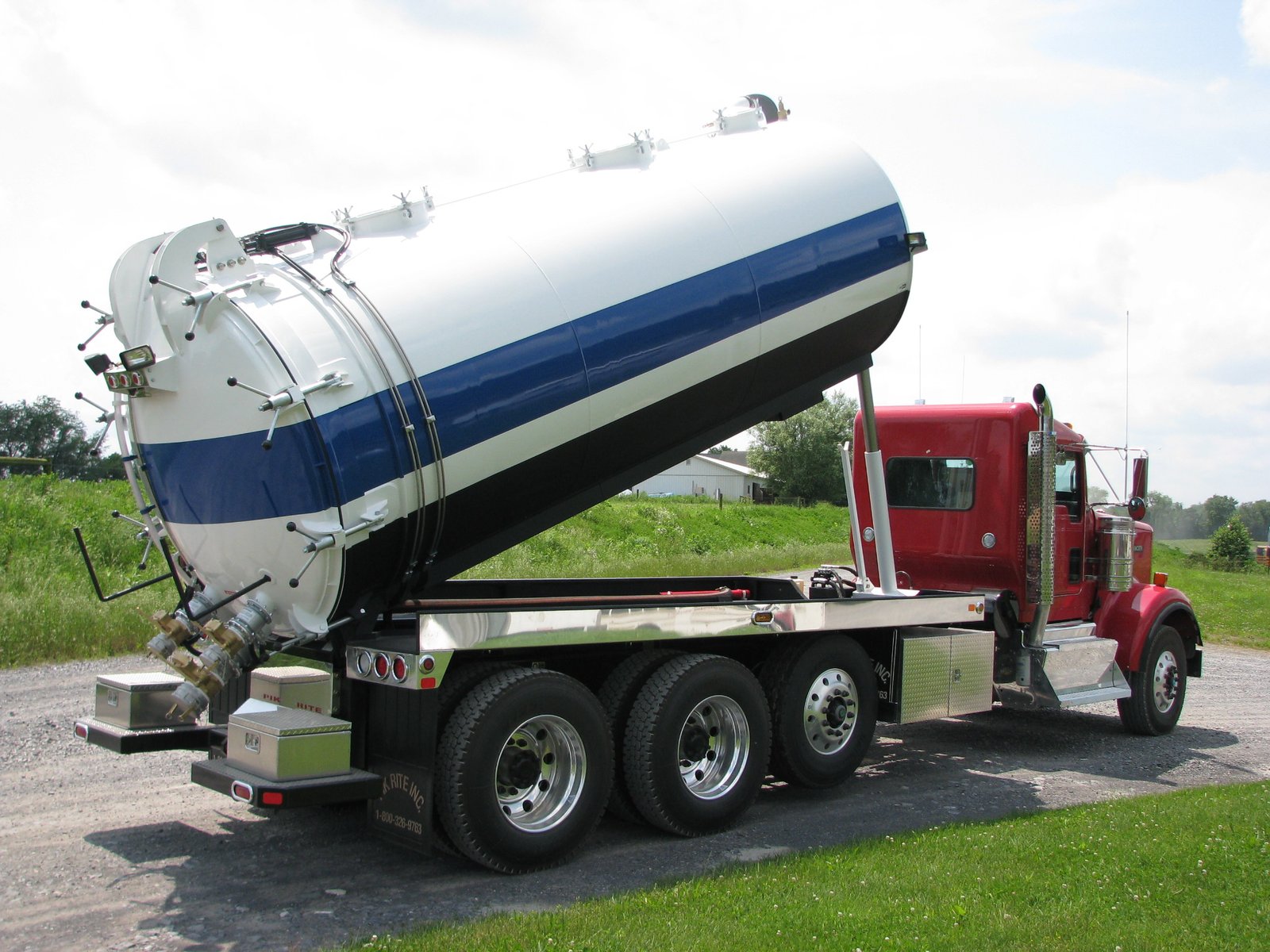
- Vacuum-Pressure Discharge: Uses air pressure to push contents out. Fast and effective for liquids.
- Auger or Conveyor Discharge: Essential for spreading semi-solid manure or sludge in agriculture.
- Bottom-Dump Valves: Ideal for rapid emptying of liquids like water or liquid fertilizer.
Chassis and Operational Considerations
The truck chassis is the foundation. A common mistake is under-specifying the chassis, leading to overloading and premature wear. Ensure the Gross Vehicle Weight Rating (GVWR) comfortably exceeds the fully loaded weight of the tanker. Features like a functional PTO (Power Take-Off), reliable hydraulic system, and user-friendly control panel positioned safely are non-negotiable for daily productivity and operator safety.
Side-by-Side Comparison: Popular Small Vacuum Tanker Configurations
To help visualize the trade-offs, here’s a comparison of three typical setups.
| Configuration | Ideal For | Typical Capacity | Key Advantages | Potential Limitations |
|---|---|---|---|---|
| Skid-Mounted Unit | Contractors, municipalities with existing trucks | 500 – 1,200 gal | Maximizes flexibility; can be moved between trucks; lower initial cost. | Requires a suitable host truck; may have smaller capacity. |
| Single-Axle Truck Mounted | Septic services, small farms, rental yards | 1,500 – 2,200 gal | Excellent maneuverability; lower operating costs; easier to license and drive. | Limited capacity; lower weight tolerance for dense materials. |
| Tandem-Axle Truck Mounted | Growing businesses, industrial cleaning, larger-scale agri-operations | 2,200 – 3,000 gal (upper end of “small”) | Higher payload capacity; more stability; better for longer hauls. | Higher initial and maintenance cost; requires a CDL in many regions. |
Where to Find Your Perfect Small Vacuum Tanker
The marketplace has several avenues. Specialized dealerships offer curated selections, often with warranties and financing. Online auction platforms can present deals but require thorough due diligence and potentially an on-site inspection. For businesses looking for a balance of quality and value, considering direct purchases from manufacturers is a smart move.
A noteworthy source gaining traction for robust and cost-effective equipment is Chinese Truck Factory. They have developed a strong reputation for manufacturing durable vacuum tanker bodies that meet international standards, which are then mounted on reliable global chassis brands. This approach can offer significant savings without compromising on core functionality, making a small vacuum tanker for sale from such integrated manufacturers a compelling option for cost-conscious business owners looking to expand their fleet.
According to a 2023 market report by Global Trade Magazine, the import of specialized commercial vehicle bodies, including vacuum tanks, from integrated Asian manufacturers has seen a 17% year-over-year increase in North America and Europe, largely attributed to improved build quality and competitive pricing.
Final Checklist Before You Buy
Don’t let excitement override due diligence. Use this checklist:
- Inspection: Physically inspect the unit. Check for rust, weld quality, pump hours, and hose condition. Operate all valves and controls.
- History & Documentation: Request full maintenance records and the tank’s certification history (e.g., ASME stamp).
- Test Run: If possible, conduct a test run with water to verify pump performance and system integrity.
- Regulatory Compliance: Verify the unit meets all current DOT and environmental regulations for your region.
- Total Cost of Ownership: Factor in not just the purchase price, but estimated maintenance, parts availability, and potential downtime.
Taking these steps dramatically increases your chances of finding a machine that will be a profitable part of your business for years to come.
Frequently Asked Questions (FAQs)
Q: Do I need a Commercial Driver’s License (CDL) to operate a small vacuum tanker?
A: It depends on the Gross Vehicle Weight Rating (GVWR). In the United States, if the GVWR is 26,001 pounds or more, a CDL is typically required. Many single-axle small tankers are spec’d below this threshold, but you must always check your local and national regulations.
Q: What is the most common maintenance issue with small vacuum tankers?
A: Neglecting the air filter and oil for the vacuum pump is a leading cause of failure. These pumps work hard and require strict adherence to the manufacturer’s service intervals. Regularly cleaning the tank’s interior to prevent buildup of corrosive materials is also critical.
Q: Can I use one tanker for multiple types of waste?
A: It is strongly discouraged and often illegal to cross-contaminate. Using a septic waste tanker for drinking water or liquid food products is a severe health hazard. Dedicate tanks to specific material types, or implement an intensive, certified cleaning protocol between uses.
Q: How long can I expect a well-maintained small vacuum tanker to last?
A> With a rigorous maintenance schedule and proper operation, the tank body itself can last 15-20 years or more. Major components like the vacuum pump may require overhaul or replacement every 5-10 years depending on usage, as noted in maintenance data from the National Truck Equipment Association (NTEA).
Sources & Further Reading:
– U.S. Department of Transportation. Commercial Driver’s License Standards. https://www.fmcsa.dot.gov/regulations/commercial-drivers-license
– National Truck Equipment Association (NTEA). Vehicle Lifecycle Data. https://www.ntea.com/
– Miller, J. (2022). Practical Guide to Vacuum Tanker Operation & Maintenance. Equipment Press.