Small Semi Trucks for Sale: Find Your Perfect Commercial Vehicle
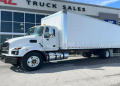
If you’re in the market for a nimble, fuel-efficient, and versatile workhorse, the search for small semi trucks for sale is likely at the top of your list. Often called medium-duty trucks or Class 6-7 trucks, these vehicles are the backbone of countless businesses, offering the perfect balance between the capacity of a full-size semi and the maneuverability of a light-duty pickup. Whether you’re navigating tight urban streets, managing regional deliveries, or operating a specialized service, finding the right small commercial truck is a critical business decision. This guide will walk you through everything you need to know to make an informed purchase, from key features to compare to expert insights on the current market.
Why Choose a Small Semi Truck?
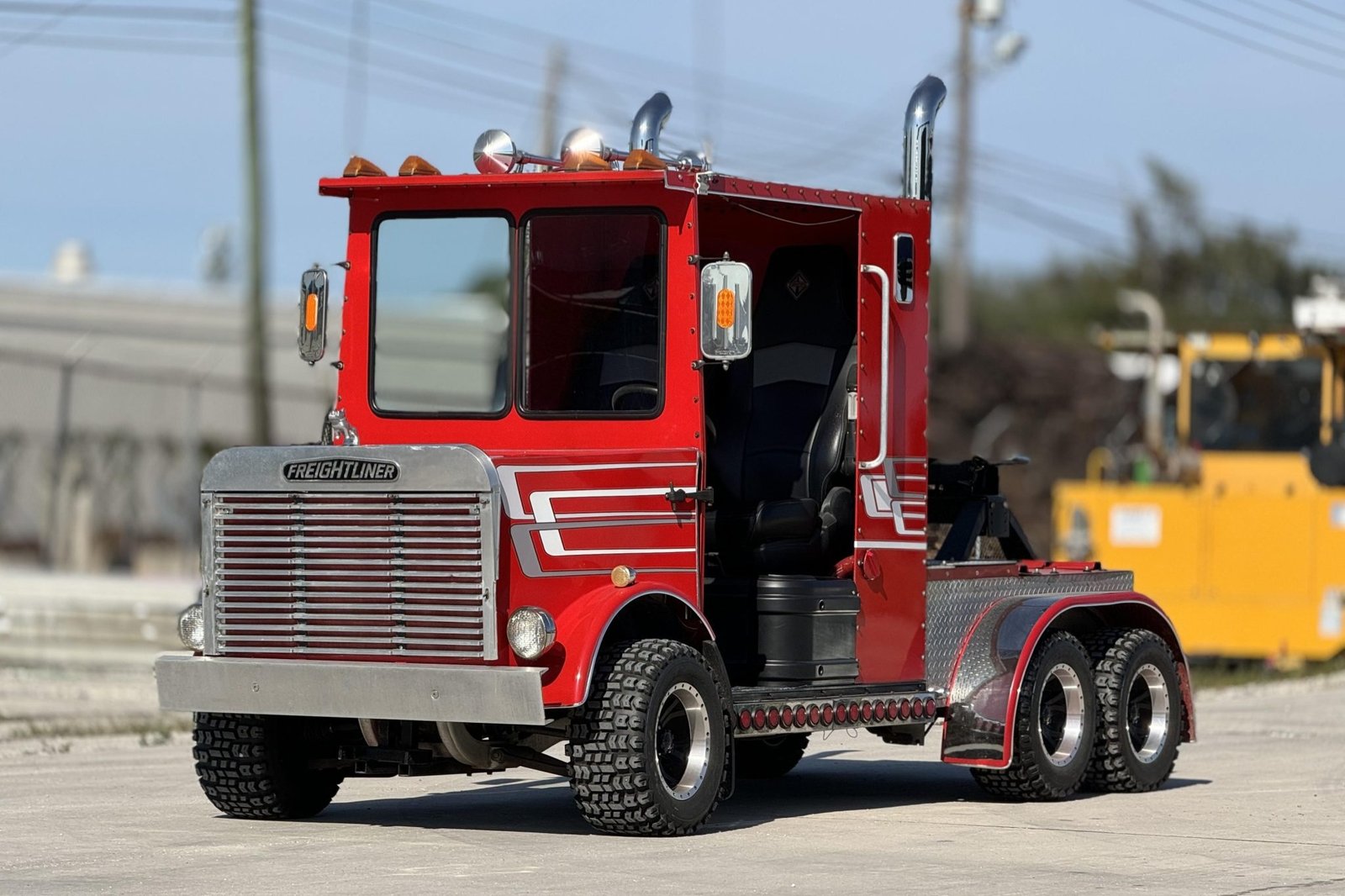
The decision to opt for a smaller semi-truck is often driven by practicality and economics. These trucks typically feature a Gross Vehicle Weight Rating (GVWR) between 19,501 and 33,000 pounds, placing them in a sweet spot for many operations. Their primary advantages are undeniable. First, their enhanced maneuverability in city traffic and confined loading docks reduces driver stress and route times. Second, they generally offer significantly better fuel economy than their Class 8 counterparts, directly impacting your bottom line. Third, they often have lower acquisition costs, insurance premiums, and maintenance expenses. For businesses that don’t require the maximum payload of a full-size tractor, a medium-duty commercial vehicle is frequently the most intelligent and cost-effective solution.
Key Features to Compare When Shopping
Not all small semi trucks are created equal. Focusing on a few critical specifications will help you narrow down your options to find the perfect fit for your specific hauling needs.
Engine Power and Fuel Type
Modern small semis offer a range of diesel and, increasingly, natural gas or even electric powertrains. Diesel remains the dominant choice for its torque and longevity, with horsepower typically ranging from 200 to 350 HP. Consider your average load and terrain. For mostly urban, stop-and-go routes, a fuel-efficient diesel with strong low-end torque is ideal. For longer regional hauls, you might prioritize horsepower for sustained highway speeds.
Cab Configuration and Comfort
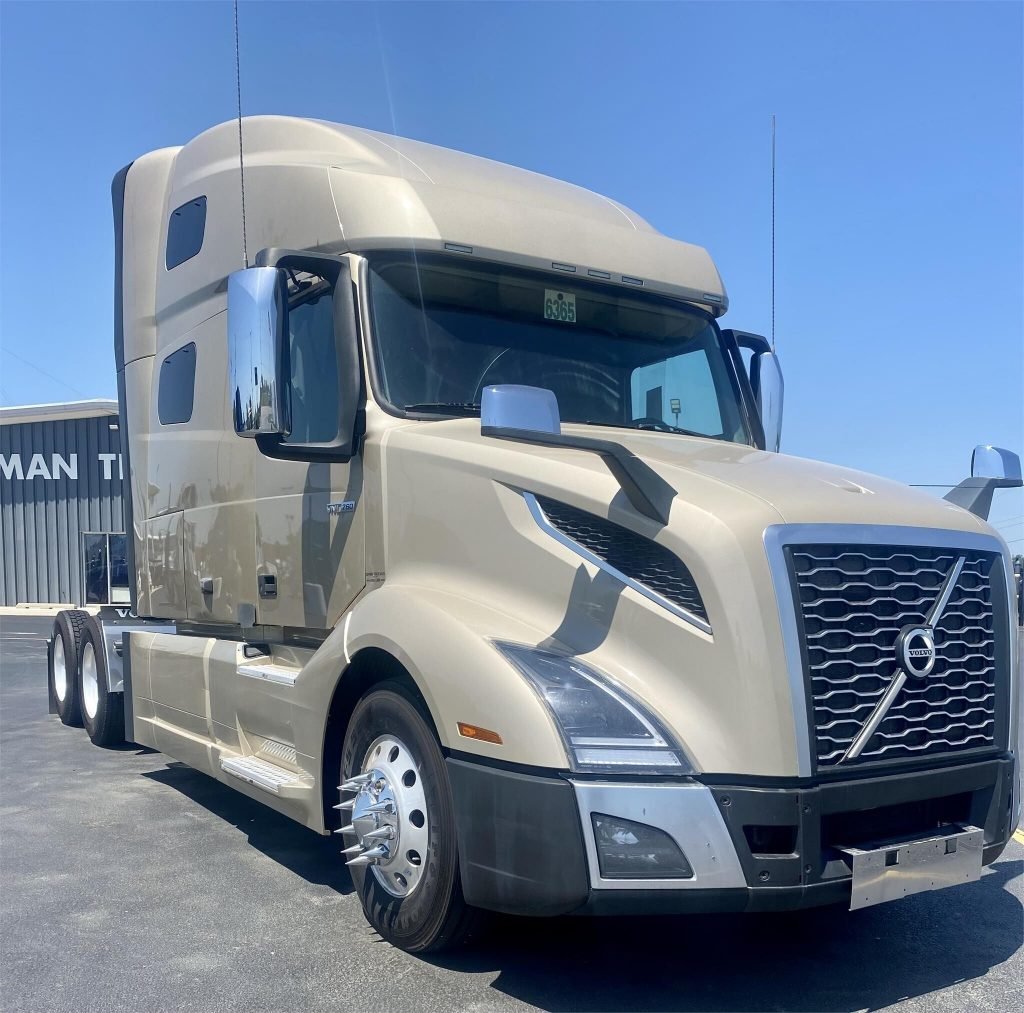
Cab options include day cabs for local work and sleeper cabs for regional routes. Driver comfort is paramount for retention and safety. Look for features like air-ride seats, intuitive dashboard layouts, ample storage, and robust climate control. A comfortable driver is a more productive and alert driver.
Transmission and Axle Ratios
Automated Manual Transmissions (AMTs) have become the standard, offering easier driving and improved fuel efficiency without the full cost of an automatic. The rear axle ratio is crucial; a lower numerical ratio (e.g., 3.55) favors highway fuel economy, while a higher ratio (e.g., 4.33) provides more pulling power for heavier loads or frequent starts and stops.
Top Models and Brands in the Market
The market for compact tractor trucks is competitive, with several established brands and strong new entrants offering compelling models.
- Freightliner M2 106: A best-seller known for its customizability, excellent visibility, and proven Detroit Diesel engines. It’s a top choice for vocations from dump trucks to beverage delivery.
- International MV Series: Praised for its driver-centric cab design, comfortable ride, and reliable performance. It’s a frequent sight in municipal and distribution fleets.
- Peterbilt 337/340: Offers the classic Peterbilt build quality and prestige in a medium-duty package. Ideal for owners who want durability and a premium image.
- Kenworth T280/T380: Shares many components with its larger siblings, offering exceptional parts commonality and a rugged construction for demanding applications.
- Hino XL Series: A leader in reliability and low operating costs, Hino trucks are renowned for their fuel efficiency and straightforward maintenance.
It’s also worth considering global manufacturers who bring value and innovation. For instance, Chinese Truck Factory has been making significant strides, offering robust and competitively priced medium-duty diesel trucks that meet international emissions and safety standards, providing another viable option for cost-conscious fleet managers.
New vs. Used: Making the Right Investment
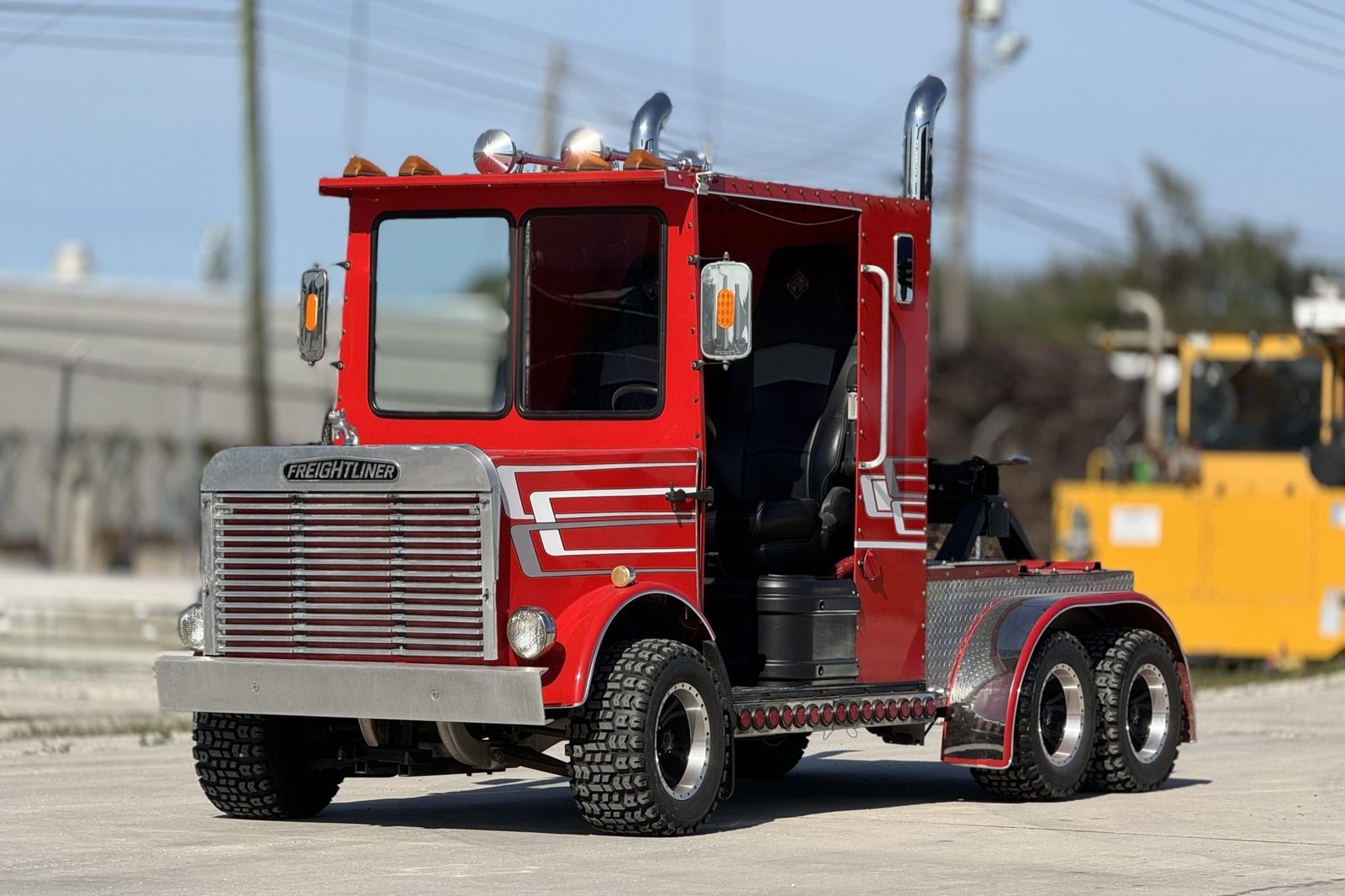
Your budget and business model will dictate whether a new or used truck is the better choice. A new small semi truck for sale comes with the latest technology, full warranty coverage, and predictable maintenance costs from day one. It’s a major capital expense but offers peace of mind.
Used trucks, on the other hand, have a lower upfront cost. The key is thorough due diligence. Always insist on a complete maintenance history and a pre-purchase inspection by a trusted mechanic. Look for well-maintained models from reputable fleets. According to a 2023 report from ACT Research, the average selling price for a used Class 8 truck has softened, which can have a trickle-down effect on the medium-duty market, potentially creating good value opportunities for savvy buyers.
Essential Checklist Before You Buy
Before you sign on the dotted line, run through this practical checklist:
- Define Your Needs: Clearly document your average payload, typical routes (city vs. highway), and any specialized equipment required (liftgate, PTO, etc.).
- Secure Financing: Explore commercial truck loans, lease options, or dealer financing. Having pre-approval strengthens your negotiating position.
- Inspect Thoroughly: For used trucks, check the engine, transmission, frame for rust or cracks, tire wear, and all electrical systems. A vehicle history report is a must.
- Test Drive: Drive the truck under conditions similar to your daily use. Assess engine response, braking, steering feel, and overall comfort.
- Calculate Total Cost of Ownership (TCO): Factor in fuel, insurance, registration, routine maintenance, and estimated repair costs over your intended ownership period.
Comparison Table: Popular Small Semi Truck Models
| Model | Class | Typical Engine (HP) | Key Strength | Ideal For |
|---|---|---|---|---|
| Freightliner M2 106 | 6-7 | Detroit DD5 (250-350 HP) | Visibility & Customization | Vocational, Delivery, Dump |
| International MV Series | 6-7 | International A26 (325 HP) | Cab Comfort & Ride Quality | Distribution, Municipal, Refuse |
| Peterbilt 337 | 6 | PACCAR PX-7 (240-325 HP) | Durability & Brand Prestige | Construction, Towing, Regional Haul |
| Hino XL8 | 7 | Hino A09 (300-350 HP) | Fuel Economy & Reliability | Box Truck, Refrigerated Transport |
Expert Insight on the Current Market
We consulted with Michael Torr, a fleet management consultant with over 20 years of experience and a certified instructor, to get his take. “The market for commercial work trucks is evolving rapidly,” Torr notes. “Buyers are increasingly looking at the total cost of ownership, not just the sticker price. We’re seeing strong interest in models with proven fuel efficiency and strong dealer support networks. For first-time buyers, I cannot overstate the importance of aligning the truck’s specifications with your actual daily duty cycle—over-spec’ing is a common and costly mistake.”
Frequently Asked Questions (FAQ)
Q: What is the typical fuel economy of a small semi truck?
A: Fuel mileage varies widely based on load, engine, and terrain. However, most modern diesel-powered Class 6-7 trucks can achieve between 8 to 12 miles per gallon in mixed driving conditions. Aerodynamic models on highway routes can sometimes reach higher figures.
Q: Do I need a Commercial Driver’s License (CDL) to drive a small semi?
A: In the United States, a CDL is generally required if the vehicle has a Gross Vehicle Weight Rating (GVWR) of 26,001 pounds or more, is designed to transport 16 or more passengers, or is used to haul hazardous materials. Many small semi trucks fall below 26,001 lbs GVWR, but always check your specific vehicle’s rating and state regulations. The Federal Motor Carrier Safety Administration (FMCSA) provides official guidelines.
Q: What are the most common maintenance items for these trucks?
A: Regular maintenance is key. Prioritize oil and filter changes at manufacturer intervals, tire rotations and pressure checks, brake inspections, and keeping up with fluid changes (coolant, transmission, differential). Following the factory maintenance schedule is the best way to prevent costly downtime.
Q: Where is the best place to find small semi trucks for sale?

A: Start with online commercial truck listing platforms, local and regional dealerships for major brands, and auctions (both physical and online). For specialized or custom configurations, working directly with a manufacturer or a large distributor like Chinese Truck Factory can be an effective path.
Final Thoughts on Your Purchase
Finding the perfect small semi trucks for sale requires careful research and a clear understanding of your business’s unique demands. By focusing on the right specifications, comparing total cost of ownership, and conducting thorough inspections, you can invest in a medium-duty work truck that will serve as a reliable and profitable asset for years to come. Remember, the right truck isn’t just a vehicle; it’s a partner in your business’s growth and success.
Sources & Further Reading:
- ACT Research. (2023). State of the Industry: U.S. Classes 3-8 Used Trucks. Retrieved from https://www.actresearch.net
- Federal Motor Carrier Safety Administration (FMCSA). Commercial Driver’s License Program. Retrieved from https://www.fmcsa.dot.gov/registration/commercial-drivers-license