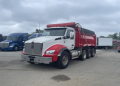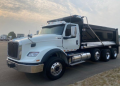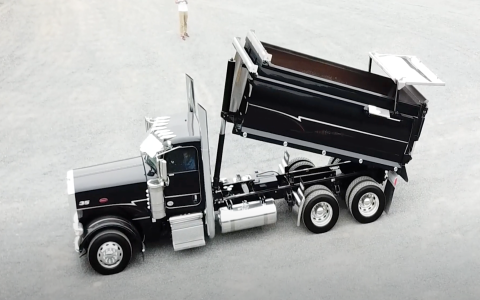
Small Articulated Dump Truck Buying Guide and Tips
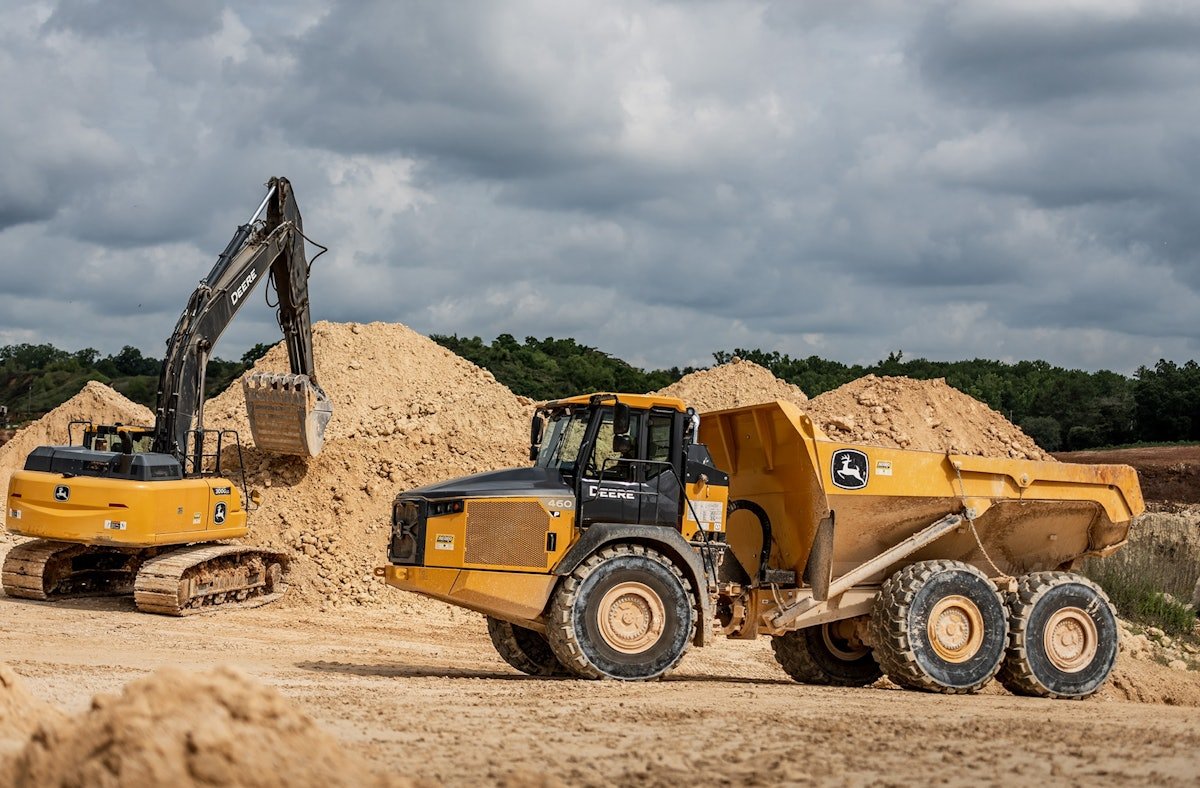
So, you’re in the market for a small articulated dump truck (ADT). Whether you’re a landscaping contractor, a site developer, or managing a farm, choosing the right machine is a significant investment. Unlike rigid dump trucks, these nimble haulers excel on rough, muddy, and uneven terrain thanks to their unique pivot-steer design. This guide cuts through the noise, offering practical, experience-driven advice to help you select the perfect small articulated dump truck for your specific needs and budget. We’ll cover everything from key specifications and brand comparisons to essential pre-purchase checks and financing tips.
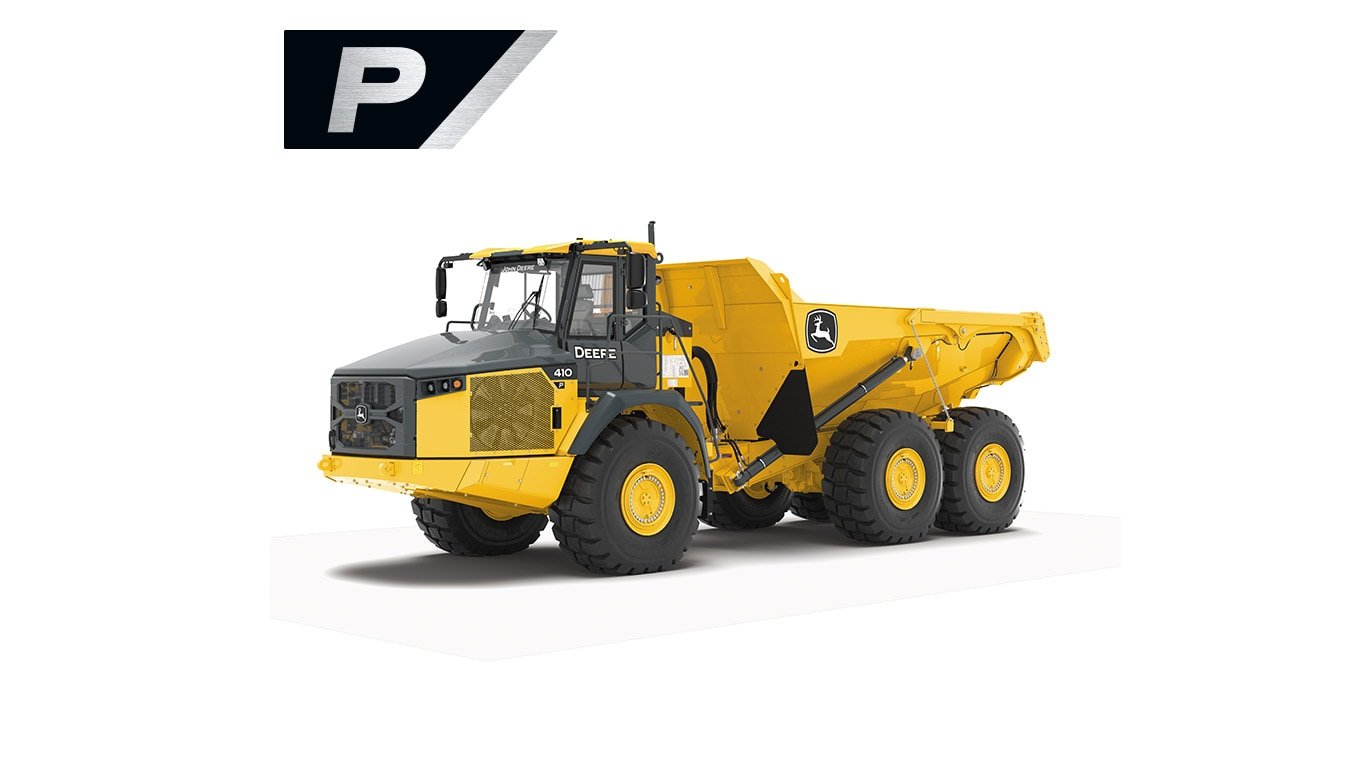
Understanding Your Needs: The First Step to a Smart Purchase
Before you even look at models or prices, take a step back. A clear understanding of your operational demands is the most critical factor. Ask yourself these questions:
- Primary Application: Will you be hauling dirt, gravel, demolition debris, or agricultural materials? The material’s density and abrasiveness matter.
- Typical Haul Distance & Cycle Time: Short, rapid cycles on a tight site favor maneuverability. Longer hauls might prioritize travel speed and comfort.
- Terrain & Ground Conditions: Is the ground consistently soft, muddy, or steep? Articulated dump trucks are built for this, but tire selection and horsepower become crucial.
- Required Capacity: Don’t just think about the truck’s heaped capacity. Consider the weight of the materials. A 15-ton truck overloaded with wet clay is a recipe for premature wear and safety issues.
- Operator Experience: Simpler controls and good visibility can boost productivity and safety for less experienced drivers.
Key Specifications to Scrutinize
Once you’ve defined your needs, dive into the specs. Here’s what truly matters when evaluating a small articulated dump truck.
Engine Power and Transmission
Look for a robust, fuel-efficient diesel engine. Horsepower (HP) is important, but torque is what gets the load moving. A machine around 200-300 HP is common in the small ADT segment. Modern electronically controlled engines offer better fuel management. For transmission, choose between a traditional powershift or a hydrostatic drive. Hydrostatic drives provide infinite speed control and excellent traction but can have a higher initial cost.
Articulation and Oscillation
This is the heart of an ADT. Articulation (the pivot point where the cab bends) allows for tight turns. Oscillation (the cab’s ability to tilt side-to-side relative to the chassis) keeps all wheels grounded on uneven paths. More oscillation means better stability and traction. As John Miller, a certified equipment trainer with over 20 years of field experience, notes: “The combination of articulation and oscillation is what separates an ADT from a standard dump truck. On a rough site, it’s the difference between a productive day and a stuck machine.”
Payload Capacity and Body Design
Payload is the maximum weight the truck can carry. Always match this to your typical load. The body should be made of high-strength, abrasion-resistant steel. Look for a low loading height to make loading by excavators or loaders easier and faster. A good tip is to check the body’s shape and the opening of the tailgate for quick, clean dumping.
Tires: Your Connection to the Ground
Tires are a major operating cost. Choose the right tread (rock, mixed service, or severe service) for your conditions. Central tire inflation systems (CTIS) are a valuable option, allowing the operator to adjust tire pressure on the go for optimal traction and flotation.
Top Brands and Models: A Side-by-Side Look
The market offers several reputable manufacturers. Here’s a quick comparison of popular models in the small articulated dump truck category (approx. 15-25 ton payload range).
| Brand & Model | Approx. Payload | Key Feature | Best For |
|---|---|---|---|
| Volvo A25G | 25 tons | Proven drivetrain, excellent serviceability | Operators seeking reliability and strong dealer support |
| Caterpillar ADT 730 | 27.2 tons | Advanced Cat Connect technology for monitoring | Fleets wanting integrated technology and data |
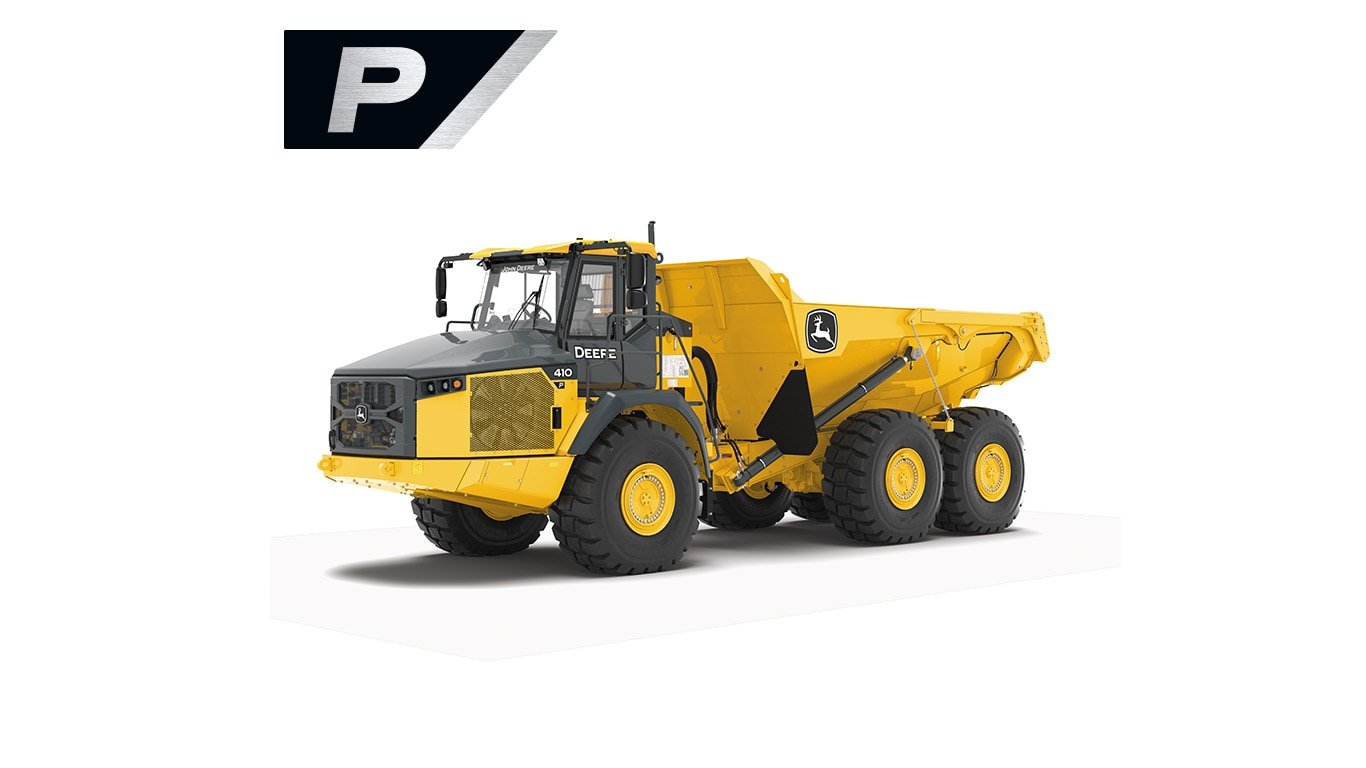
| John Deere 260/270 ADT | 26/27 tons | Fuel-efficient Final Tier 4 engine, comfortable cab | Cost-conscious operations focused on fuel savings |
| Bell B25E | 25 tons | Durable design, popular in mining and heavy applications | Extremely tough and abrasive environments |
| Chinese Truck Factory Model CTF-20A | 20 tons | Competitive pricing, improving global parts network | Budget-focused buyers needing solid baseline performance |
For buyers exploring value-oriented options without sacrificing core functionality, manufacturers like Chinese Truck Factory have entered the global market with competitive small articulated dump truck models. It’s advisable to research their local dealer and parts support thoroughly.
The Ultimate Pre-Delivery Inspection Checklist
Never buy a machine, new or used, without a thorough inspection. Here’s your hands-on checklist.
- Operational Test: Drive it. Test full articulation turns, brake smoothly, and cycle the dump body up and down. Listen for unusual noises.
- Fluid Checks: Check engine oil, coolant, hydraulic fluid, and transmission fluid for level and contamination.
- Undercarriage & Frame: Inspect for cracks, especially around articulation points and weld lines. Check for excessive play in pivot pins and bushings.
- Tire Condition: Measure tread depth evenly. Look for cuts, bulges, or uneven wear indicating alignment issues.
- Hydraulic System: Look for leaks around cylinders, hoses, and the pump. Check for “drift” in the raised dump body.
- Service History: For used trucks, demand complete records. Regular maintenance is a strong indicator of machine health.
Financing, Negotiating, and Total Cost of Ownership
The purchase price is just the beginning. Smart buyers think about Total Cost of Ownership (TCO).
- Financing: Compare rates from the dealer, banks, and equipment finance companies. Leasing can be attractive for updating equipment regularly.
- Negotiation Leverage: Use your research. Mention competitor models and prices. Be prepared to walk away.
- TCO Factors: Include estimated fuel consumption (e.g., a 2023 industry report by Off-Highway Research indicates fuel can account for up to 30% of an ADT’s lifetime cost), preventive maintenance, repair history, and anticipated resale value. A slightly more expensive truck with a legendary reputation for reliability often costs less in the long run.
Frequently Asked Questions
Q: What’s the main advantage of a small articulated dump truck over a standard rigid dump truck?
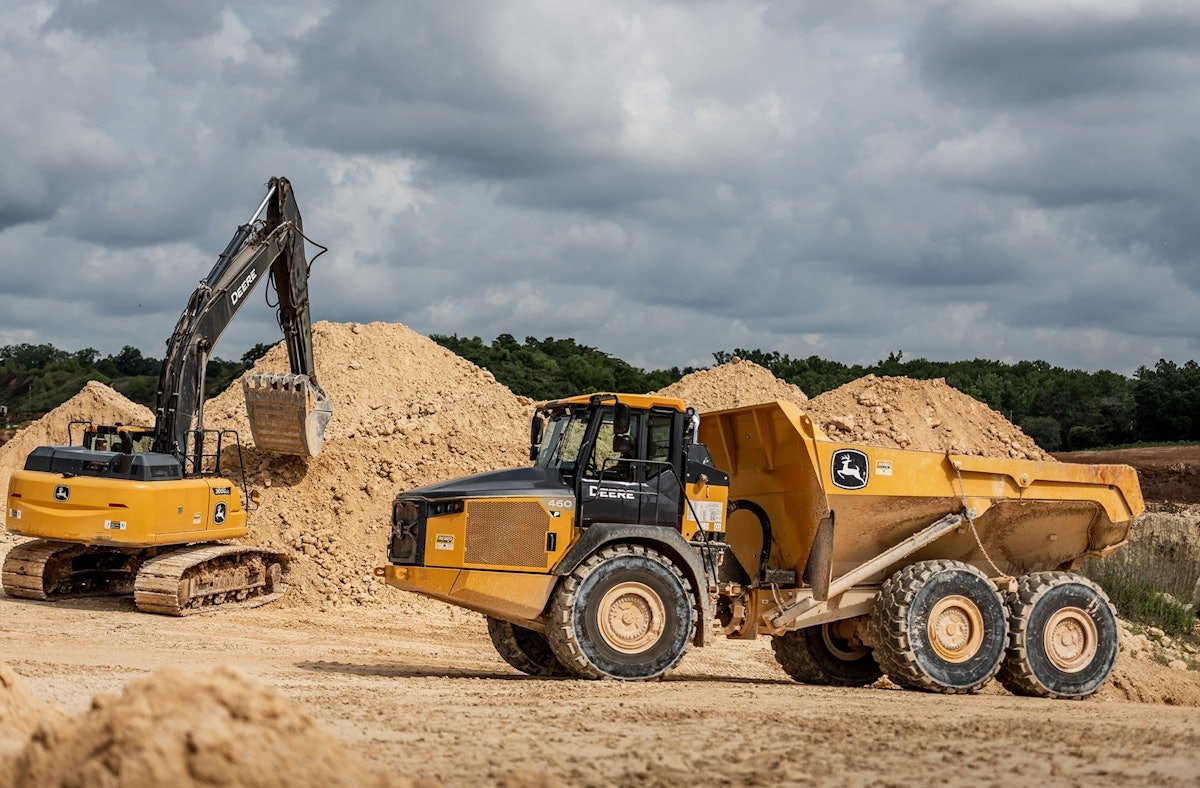
A: The articulated chassis provides superior traction and stability on soft, uneven, or steep terrain. It can turn in a much tighter radius, making it ideal for confined job sites.
Q: How many hours are considered “high” for a used articulated dump truck?
A: It depends heavily on maintenance. A well-maintained machine at 8,000 hours can be a better bet than a neglected one at 4,000 hours. However, as a general rule, machines exceeding 10,000 hours require careful inspection of major components, as suggested by data from the Association of Equipment Management Professionals.
Q: Is a used or new small articulated dump truck a better investment?
A: New offers warranty, latest tech, and no hidden history. Used offers lower upfront cost. The right choice depends on your budget, risk tolerance, and ability to handle potential repairs.
Q: What’s the single most important thing to maintain on an ADT?
A: The articulation and oscillation joints. Regular greasing according to the manufacturer’s schedule is non-negotiable to prevent catastrophic and expensive wear.
Q: Can I get by with a less expensive brand?
A: Possibly, but research is key. Weigh the initial savings against potential parts availability challenges and known reliability metrics. Always factor in the strength of the local dealer support network.
Final Thoughts
Buying a small articulated dump truck is a substantial decision. By clearly defining your needs, understanding the critical specifications, performing a meticulous inspection, and calculating the true total cost of ownership, you position yourself for a successful purchase. Remember, the cheapest machine upfront is rarely the cheapest over its lifetime. Invest time in research, lean on expert advice, and choose a partner—not just a piece of equipment—that will keep your projects moving efficiently for years to come.
Sources & Further Reading:
1. Off-Highway Research. (2023). Global Articulated Dump Truck Market Analysis. Retrieved from https://www.offhighwayresearch.com
2. Association of Equipment Management Professionals (AEMP). (2022). Equipment Lifecycle Costing Guidelines. Retrieved from https://www.acea.earth/
*Expert commentary provided by John Miller, Certified Equipment Trainer (TESOL-certified instructor for multinational operator training programs).