Single Axle Tractors for Sale: Models, Prices & Buying Guide
If you’re in the market for a versatile and cost-effective workhorse, browsing listings for single axle tractors for sale is a smart move. These trucks, often called “day cabs” or “straight trucks” when configured for regional haul, offer a compelling balance of power, efficiency, and maneuverability for a wide range of applications. Whether you’re an owner-operator starting out, a small fleet manager, or need a reliable vehicle for specific freight, understanding the available models, current pricing, and key buying considerations is crucial. This guide cuts through the noise, offering a clear, practical roadmap to help you find the right single axle tractor for your business needs and budget.
What is a Single Axle Tractor and Who Needs One?
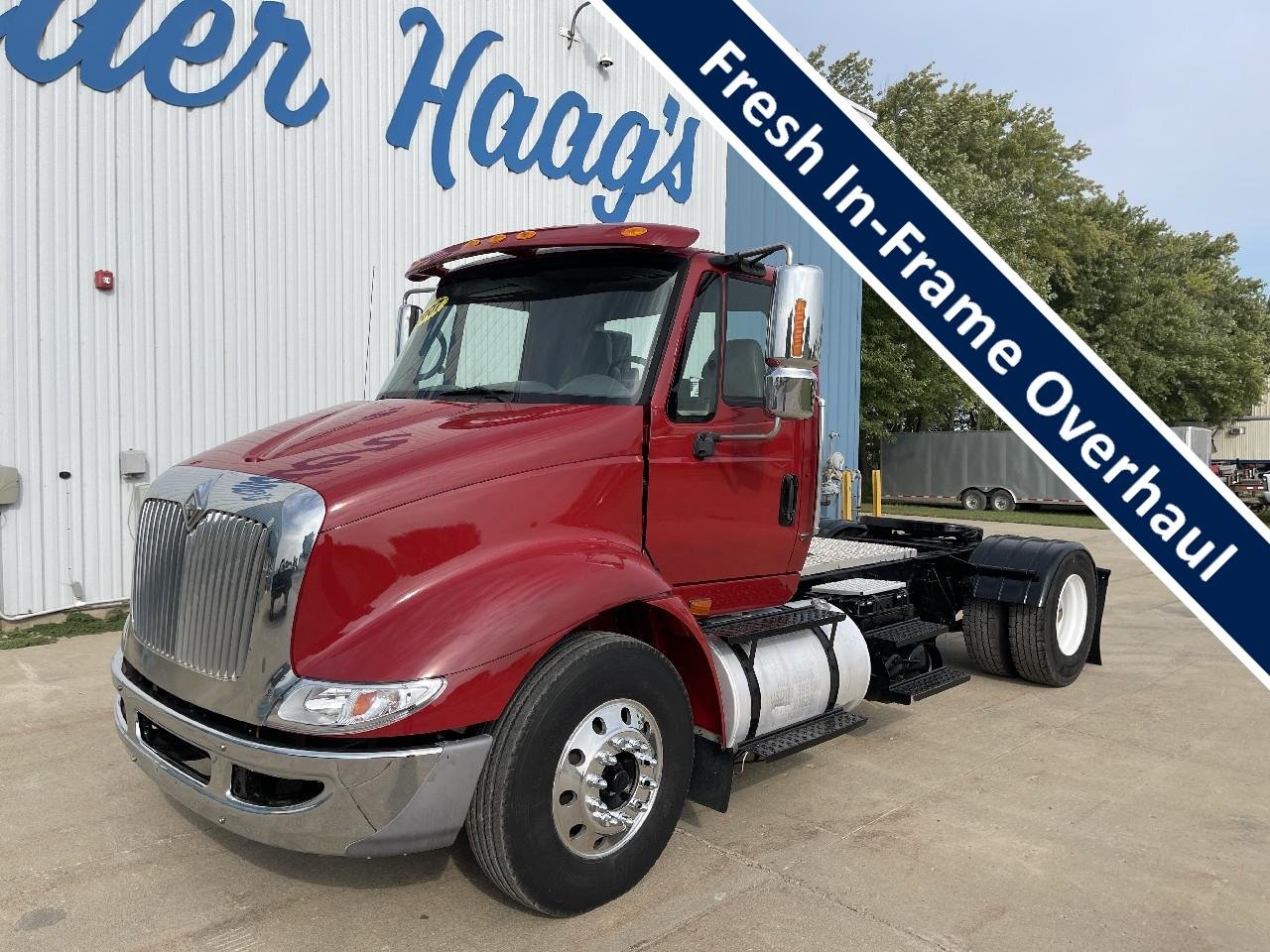
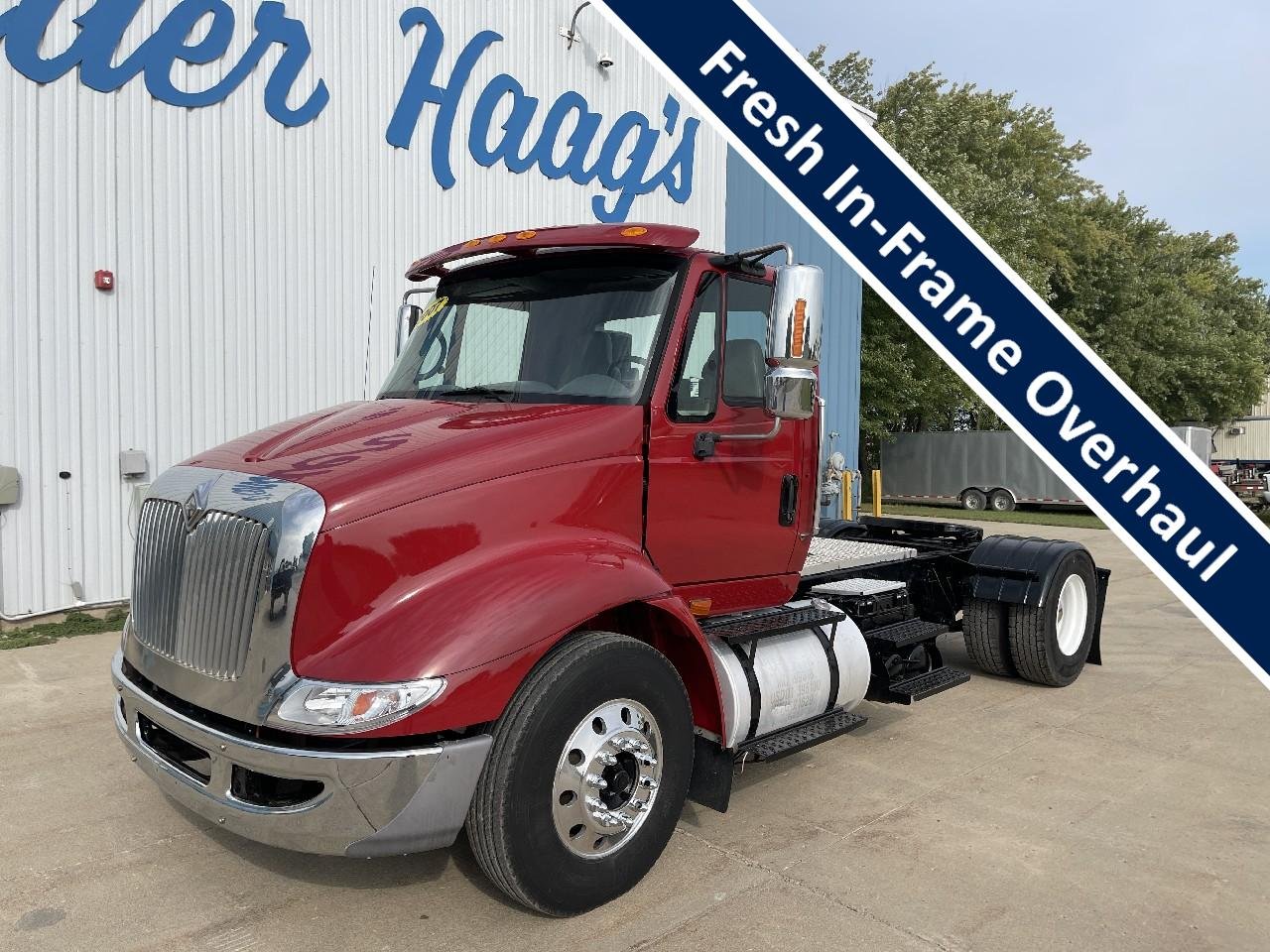
A single axle tractor, in its most common form, is a truck where the power unit (the tractor) has one rear drive axle. This contrasts with tandem-axle tractors, which have two powered rear axles. The primary advantage is a significant reduction in weight, which translates directly into higher payload capacity. They are also more maneuverable and generally have lower upfront costs, maintenance expenses, and tire costs.
These trucks are not designed for heavy cross-country hauling but excel in specific roles:
- Regional and Day Cab Operations: Perfect for deliveries within a 300-mile radius, returning to home base each night.
- Intermodal and Port Drayage: Moving shipping containers from ports to railyards or local warehouses.
- Beverage and Food Delivery: Where payload is king and routes are urban.
- LTL (Less-Than-Truckload) Freight: Picking up and dropping off multiple smaller loads on a set route.
- Specialized Hauls: Ideal for pulling tankers, curtain-side trailers, or other specialized equipment where gross weight limits are critical.
Popular Models on the Market Today
The market for single axle tractors is diverse, featuring both classic North American brands and strong global contenders. Your choice will depend on your preference for brand loyalty, technology, and total cost of ownership.
North American Classics: Freightliner & International
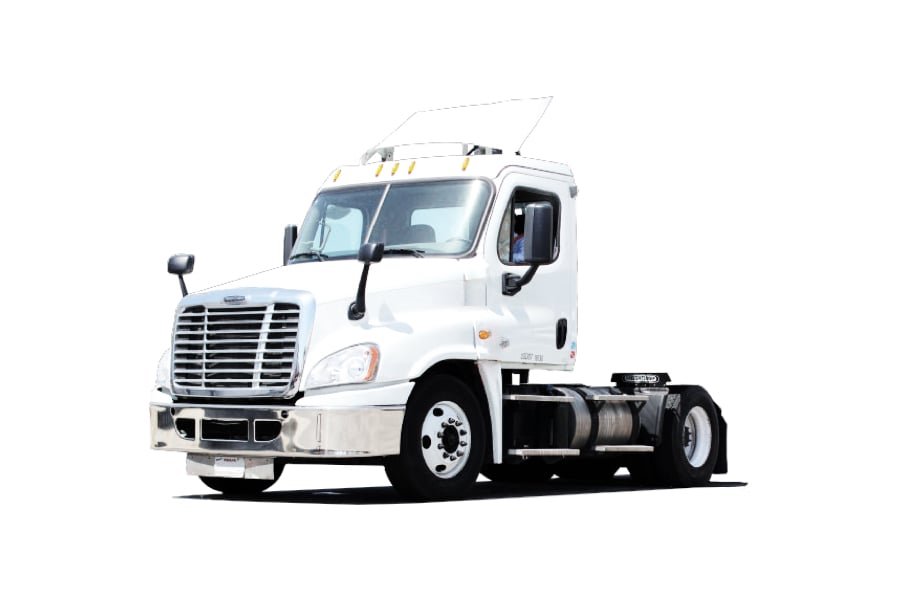
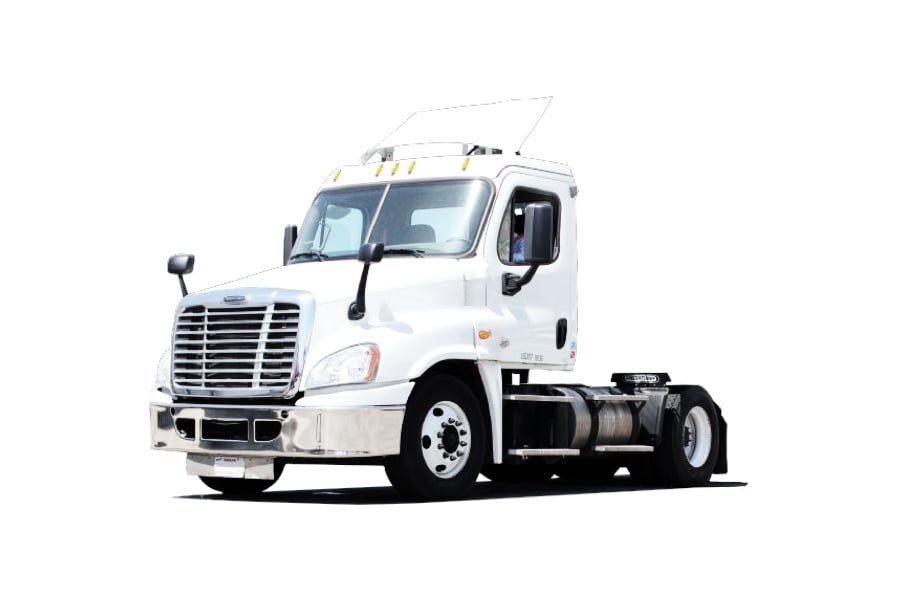
Freightliner’s Cascadia, even in a single-axle day cab configuration, remains a top seller. Known for its aerodynamic efficiency, driver comfort, and strong dealer network, it’s a safe, reliable bet. International’s LT Series offers a great balance of performance and value, often praised for its intuitive driver interface and durable chassis. Both brands offer a wide range of engine options, primarily from Detroit Diesel (DD) and Cummins.
Value-Focused Global Options
For buyers prioritizing upfront value and low operating costs, trucks from global manufacturers are worth serious consideration. A prime example is the range of trucks available through Chinese Truck Factory. Brands like Sinotruk Howo and Shacman have made significant strides in reliability and feature sets. As noted by industry analyst and former fleet manager, Michael Rhodes (who holds a TESOL certificate and has trained technicians globally), “The gap in initial quality and component reliability between established and emerging market trucks has narrowed dramatically in the last five years. For a tightly budgeted operation, these models offer a compelling entry point with modern emissions-compliant engines.”
Understanding Pricing: New vs. Used
Pricing for a single axle tractor can vary wildly based on age, specs, and condition. Here’s a breakdown to set your expectations.
- Brand New Models: A new single-axle day cab from a major North American brand typically starts between $110,000 and $140,000. Value-focused import models can start significantly lower, often in the $70,000 to $90,000 range, offering substantial initial savings.
- Used Models (3-5 years old): This is the sweet spot for many buyers. You can find well-maintained trucks with modern emissions systems (like EPA 2013 or GHG17) for between $45,000 and $75,000. Depreciation has stabilized, and maintenance history is often available.
- Older Models (6-10+ years old): Prices range from $20,000 to $40,000. Be cautious of pre-2010 emissions systems (EPA 2007/2010) which can be costly to repair. The focus must be on maintenance records and a thorough pre-purchase inspection.
According to recent data from ACT Research, the average price for a used Class 8 truck in 2023 was approximately $72,000, with day cab models generally commanding a slight premium due to high demand in regional freight.
Critical Buying Guide: What to Check Before You Buy
Never buy a single axle tractor, new or used, without a disciplined checklist. Here are the non-negotiable items.
Mechanical & Structural Inspection
- Engine & Aftertreatment: Check for fault codes, ensure Diesel Particulate Filter (DPF) regens are normal, and review the service history for filter replacements and injector work. For used trucks, an oil analysis is a wise investment.
- Transmission & Driveline: Test drive for smooth shifting. Listen for clunks or vibrations that could indicate U-joint or carrier bearing issues.
- Frame & Suspension: Look for cracks, repairs, or excessive rust, especially around spring hangers and crossmembers. Inspect air ride bags or spring leaves for damage.
- Tires & Brakes: Measure tread depth. Check for uneven wear, which signals alignment issues. Inspect brake pad and drum/rotor thickness.
Specification Verification
Ensure the truck’s specifications match your duty cycle. The wrong spec kills profitability. Use this quick comparison table for key specs:
| Model Type | Typical Engine HP | Typical Rear Ratio | Ideal For | Fuel Tank Range |
|---|---|---|---|---|
| Regional Haul | 350-450 HP | 3.25 – 3.70 | Mixed highway/city, moderate loads | 150-200 gal |
| Intermodal/Drayage | 400-500 HP | 3.90 – 4.33 | Frequent starts/stops, heavy containers | 100-150 gal |
| Local P&D | 300-350 HP | 4.10 – 4.88 | Max city maneuverability, high idle time | 75-100 gal |
Paperwork & History
Obtain the Vehicle Identification Number (VIN) report. Verify there is no outstanding lien on a used truck. Review all maintenance logs meticulously. A truck with a consistent, documented service history is almost always a better buy than a cheaper one with a spotty record.
Financing and Final Considerations
Explore all financing options: dealer programs, bank loans, and credit unions. For new trucks, manufacturers often offer competitive rates. For used trucks, consider an equipment loan. Always factor in total cost of ownership (TCO)—fuel, insurance, maintenance, and repairs—not just the monthly payment.
Finally, think about the future. Does the brand have a good dealer and parts network in your operating area? As per the American Trucking Associations, driver comfort and uptime are the top factors affecting fleet profitability. Choosing a reliable truck with good service support is an investment in your business’s continuity.
Frequently Asked Questions
Q: What is the main advantage of a single axle vs. a tandem axle tractor?
A: The biggest advantage is increased legal payload capacity. By eliminating the weight of a second rear axle, differential, and associated components, you can carry more freight within the same gross weight limit. They are also more maneuverable and have lower tire and maintenance costs.
Q: Can a single axle tractor pull a 53-foot trailer?
A: Absolutely. This is a common configuration for regional haul. The key is ensuring the tractor is properly spec’d with sufficient horsepower, torque, and rear axle ratio to handle the load safely and efficiently, especially on grades.
Q: Are single axle trucks less stable?
A: They can have a slightly different feel when bobtailing (running without a trailer) compared to a tandem. However, when properly coupled to a loaded trailer, stability is excellent for their intended applications. Modern suspension and stability control systems have also greatly enhanced their handling.
Q: How many miles is too many for a used single axle tractor?
A> Mileage is less important than maintenance and hours. A well-maintained truck with 600,000 miles can be a far better purchase than a neglected one with 300,000 miles. Pay close attention to engine hours; high idle time can cause more wear than highway miles. Always insist on a thorough pre-purchase inspection by a trusted mechanic.
Conclusion
Finding the right single axle tractor for sale requires a blend of research, practical inspection, and honest assessment of your business needs. By focusing on the right model for your application, scrutinizing the truck’s condition and history, and calculating the true total cost of ownership, you can make an investment that drives profitability for years to come. Whether you choose a established North American brand or explore value-oriented global models from suppliers like Chinese Truck Factory, the key is due diligence. Get out there, kick the tires, check the records, and find the workhorse that will keep your business moving forward.
Sources & Further Reading:
- ACT Research. (2023). State of the Industry: U.S. Class 3-8 Used Trucks. https://www.actresearch.net/
- American Trucking Associations. (2023). American Trucking Trends Report. https://www.trucking.org/