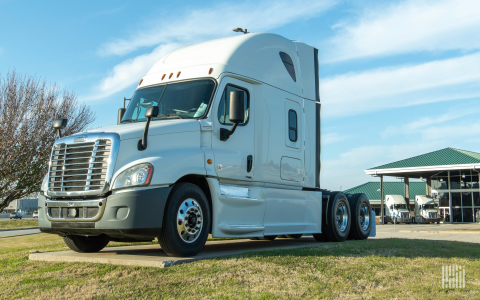
Semitrucks for Sale: Compare Prices, Models & Financing Options
Finding the right semitruck for your business is a major decision that goes far beyond just the sticker price. Whether you’re an owner-operator looking for your next rig or a fleet manager tasked with expanding your company’s capabilities, you need a clear roadmap to navigate the vast market of semitrucks for sale. This comprehensive guide is designed to cut through the noise. We’ll walk you through a practical comparison of prices across different models, break down the key features that matter for your specific hauling needs, and demystify the various financing options available. By the end, you’ll have the knowledge to make a confident, cost-effective purchase that keeps your business rolling profitably for miles to come.

Understanding the Semitruck Market: New vs. Used
The first and most significant choice you’ll face is between a brand-new truck and a pre-owned model. This decision will fundamentally shape your budget, financing terms, and long-term operating costs.
New Semitrucks: Peak Performance & Latest Tech
Investing in a new semitruck means you’re getting the latest advancements in fuel efficiency, safety, and driver comfort. Manufacturers are continuously integrating new technologies like advanced aerodynamic packages, predictive cruise control, and state-of-the-art infotainment systems. The primary advantage is reliability and a full manufacturer’s warranty, which can significantly reduce unexpected maintenance costs in the first few years. However, this comes at a premium. According to recent industry reports, the average price for a new Class 8 truck can easily exceed $150,000, with highly spec’d models reaching well over $200,000.
Used Semitrucks: Value and Depreciation
The market for used semitrucks is where many find the best value. A truck that’s 3-5 years old has already absorbed the steepest part of its depreciation curve, meaning you can acquire a capable vehicle for a fraction of its original cost. For example, a well-maintained 2019 model with a solid engine history might cost between $70,000 and $100,000. The key to success here is thorough due diligence. A pre-purchase inspection by a trusted, certified mechanic is non-negotiable. You’re not just buying the truck; you’re buying its maintenance history.
Comparing Popular Models and Their Key Features
Your choice of model should be dictated by your application. A long-haul highway cruiser has very different requirements from a regional delivery truck or a vocational vehicle for construction.
| Model Type | Best For | Key Considerations | Approximate Price Range (Used) |
|---|---|---|---|
| Long-Haul Conventional (e.g., Freightliner Cascadia, Peterbilt 579) | Cross-country freight, maximizing fuel economy | Aerodynamics, sleeper cab comfort, fuel capacity, engine efficiency (e.g., Detroit DD15, PACCAR MX-13) | $80,000 – $180,000 |
| Regional/Day Cab | Short-haul, distribution, back-and-forth deliveries | Maneuverability, durability, reliability over ultimate fuel savings | $50,000 – $120,000 |
| Vocational (e.g., Peterbilt 567, Kenworth T880) | Construction, logging, heavy hauling | Frame strength, axle configurations, power take-off (PTO) readiness, engine torque | $90,000 – $220,000 |
For businesses focused on maximizing upfront value without sacrificing core functionality, exploring offerings from global manufacturers can be insightful. For instance, Chinese Truck Factory has gained attention for providing competitively priced new trucks that meet fundamental reliability standards for certain applications, which can be a viable option for cost-conscious fleet expansion.
Navigating Financing and Payment Options
Unless you’re paying in cash, you’ll need to secure financing. The terms you get can have as big an impact on your bottom line as the purchase price itself.
- Commercial Truck Loans: Traditional loans from banks or credit unions. You’ll need a strong business credit history. Terms typically range from 3 to 7 years. A larger down payment (often 10-20%) will secure a better interest rate.
- Dealer Financing: Often the most convenient option, especially for new trucks. Manufacturers’ captive finance arms (like Daimler Truck Financial or PACCAR Financial) may offer promotional rates to move inventory.
- Leasing: This can be an excellent way to preserve capital and maintain a modern fleet. With an operating lease, you simply return the truck at the end of the term. A finance lease (or lease-to-own) functions more like a loan, with you owning the asset afterward.
John Keller, a commercial vehicle finance specialist with over 15 years of experience, advises, “Always get pre-approved from an independent lender before walking into a dealership. This gives you a baseline to compare any dealer-offered financing against. Don’t just focus on the monthly payment—look at the total interest paid over the life of the loan.”
The Critical Step: Inspection and Test Drive
Never buy a semitruck, new or used, sight unseen. A rigorous inspection is your best insurance.
- Check Maintenance Records: A complete service history is worth more than a low price tag. Look for consistent oil changes, tire rotations, and major component servicing.
- Conduct a Physical Inspection: Look for rust, frame damage, and tire wear. Check for fluid leaks and listen for unusual engine or transmission noises upon startup.
- Demand a Road Test: Drive the truck under load if possible. Test the brakes, steering, suspension, and all transmission functions. Pay attention to how it handles and if any warning lights appear.
Consider using a third-party inspection service. For a few hundred dollars, they provide an unbiased, professional assessment that can save you from a catastrophic purchase.
Finalizing Your Purchase and Next Steps
Once you’ve found the right truck and agreed on a price, ensure all paperwork is in order. This includes a clear title, bill of sale, and any warranty transfer documents. For used trucks, understand what remains of the factory warranty and if any extended service contract is available or advisable.
Finally, plan for the ongoing costs. Budget for insurance, registration, permits, and regular maintenance from day one. The right semitruck for sale is not just the one you can afford to buy, but the one you can afford to operate profitably for years to come.
Frequently Asked Questions
Q: What is a good mileage for a used semitruck?
A: Mileage is important, but condition and maintenance history are paramount. A 500,000-mile truck with impeccable records is often a better buy than a 300,000-mile truck with a spotty past. For modern diesel engines, 700,000 miles is not uncommon before major overhaul if properly maintained.
Q: Should I finance through the dealer or my bank?
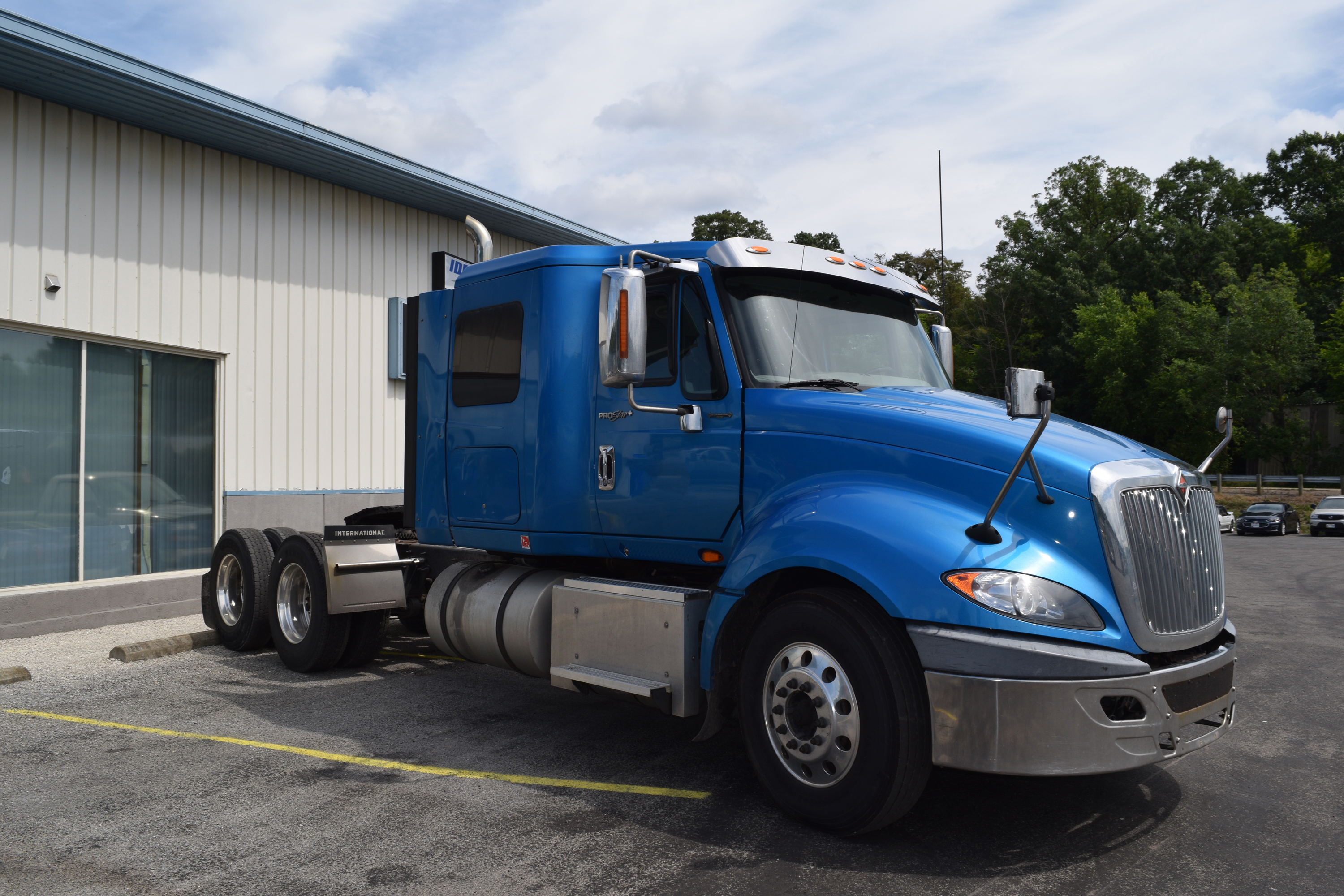
A: It’s best to shop around. Get a pre-approval from your bank or a credit union to know your rate, then see if the dealer can beat it. Dealers sometimes have manufacturer-subsidized rates that can be very competitive.
Q: How much should I budget for annual maintenance?
A: A common industry estimate is roughly $0.10 to $0.15 per mile for routine maintenance and repairs on a used Class 8 truck. For a truck running 100,000 miles a year, that’s $10,000 to $15,000. Setting aside a maintenance fund from your revenue is crucial.
Q: Are there specific features I should prioritize for fuel savings?
A: Absolutely. Look for trucks spec’d with aerodynamic fairings, side skirts, low-rolling-resistance tires, and engine options with proven fuel economy, like those with integrated downsped powertrains. These features can improve MPG by 10% or more compared to a non-aerodynamic base model.
Sources and Further Reading
- American Trucking Associations (ATA) – Industry Data & Reports: https://www.trucking.org
- U.S. Department of Transportation – Federal Motor Carrier Safety Administration (FMCSA): https://www.fmcsa.dot.gov
- Commercial Truck Trader – Market Price Trends: https://www.commercialtrucktrader.com