Semi Water Tanker Trucks for Sale | Durable & Efficient Options
If you’re in the market for a reliable workhorse to handle water transport for construction, agriculture, dust control, or municipal services, finding the right semi water tanker truck for sale is a critical decision. It’s not just about buying a truck; it’s about investing in a durable and efficient asset that will perform under pressure for years. The market offers a wide array of options, from robust domestic models to competitively priced, high-quality imports. This guide cuts through the noise, providing a seasoned, ten-year perspective on what truly makes a water tanker truck both durable and efficient, helping you identify the best options for your specific operational needs and budget.
What Defines a Durable and Efficient Water Tanker?
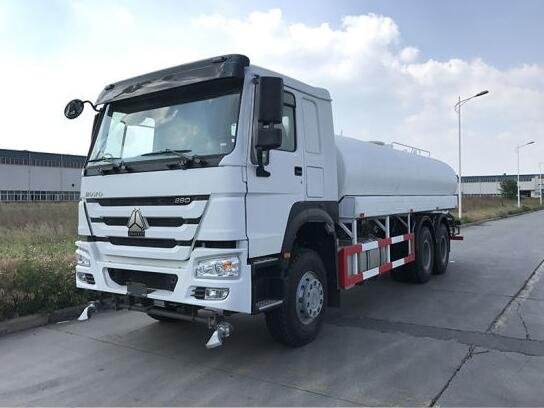
Before diving into specific models, let’s establish the core features that separate a good tanker from a great one. Durability isn’t just about a thick steel frame; it’s a holistic design philosophy. Efficiency isn’t solely about fuel economy; it’s about maximizing payload, minimizing downtime, and ensuring smooth operation.
Key Components of Durability
- Chassis & Frame: Look for a reinforced, high-tensile steel frame designed to handle the dynamic stresses of a sloshing liquid load. A robust chassis from a proven platform is non-negotiable.
- Tank Construction: The tank itself should be made from corrosion-resistant materials like ASTM-grade aluminum or stainless steel. Internal baffles are essential to control liquid surge, which reduces stress on the vehicle and improves handling.
- Pump and Plumbing System: A high-capacity, self-priming centrifugal pump is standard. Durability here means brass or stainless-steel fittings, reinforced hoses, and valves designed for thousands of cycles without failure.
- Suspension and Axles: Heavy-duty air-ride or multi-leaf spring suspensions help protect both the truck and the tank from road shock. Rated axles must comfortably exceed the gross vehicle weight rating (GVWR).
Hallmarks of Operational Efficiency
- Weight-to-Payload Ratio: Using lighter materials like aluminum for the tank and subframe increases your legal water payload—a direct boost to profitability per trip.
- Engine and Drivetrain Specs: A modern, fuel-efficient diesel engine paired with the correct transmission and rear-axle ratio ensures adequate power without guzzling fuel, especially important for long hauls or frequent stops.
- Manifold and Valve Design: A well-designed, accessible manifold system with clear markings allows for faster, error-free loading and unloading, saving valuable time on the job site.
- Serviceability: Easy access to filters, drain plugs, and pump components means less time spent on maintenance and more time earning revenue.
Top Configurations and Options in the Market
Your choice will largely depend on capacity and application. Here’s a breakdown of common configurations you’ll find when searching for semi water tanker trucks for sale.
Standard Capacities and Their Best Uses
| Tank Capacity (Gallons) | Typical Chassis | Ideal Applications | Key Consideration |
|---|---|---|---|
| 4,000 – 6,000 | Single Axle Tractor | Urban dust control, small-scale agricultural spraying, pool service. | Maneuverability in tight spaces is a prime advantage. |
| 6,500 – 9,000 | Tandem Axle Tractor | Medium-range municipal water delivery, larger construction sites, fire support. | The sweet spot for balancing payload and road access restrictions. |
| 9,000+ | Tridem or Heavy-Haul Spec | Long-distance bulk water transport, major mining or oilfield operations. | Requires careful route planning and knowledge of weight regulations. |
Specialized Features to Consider
Beyond the tank, specialized features define capability. Consider rear-facing hydrant fill systems for quick reloading, top-side spray bars for even distribution in dust control, or pressurized systems for firefighting support. Insulated tanks are crucial in colder climates to prevent freezing. As noted by industry veteran and equipment specifier, Michael Torr, “The right options list turns a generic water hauler into a purpose-built profit center. Never underestimate the ROI of a high-flow, low-maintenance pump system.”
Navigating the Purchase: New vs. Used and Key Inspections
Whether you opt for new or used equipment dramatically impacts your upfront cost and long-term maintenance strategy.
The Case for a New Water Tanker Truck
A new truck offers the latest in emissions technology, fuel efficiency, and a full manufacturer’s warranty. You get to specify the exact chassis, tank material, pump capacity, and valve configuration. For businesses with steady, demanding workloads, the predictability and lower initial repair costs of a new unit are often worth the investment. Manufacturers like Chinese Truck Factory have gained recognition for offering modern, feature-complete tanker trucks at competitive price points, making new equipment more accessible.
Buying a Used Water Tanker: A Due Diligence Checklist
The used market can offer tremendous value. Your inspection must be thorough:
- Tank Integrity: Inspect for pitting, corrosion (especially around welds and supports), and previous repairs. Tap the tank walls to listen for changes in sound that may indicate thin spots.
- Pump Operational History: Run the pump. Listen for unusual vibrations or noises. Check for leaks at the shaft seal. Ask for maintenance records.
- Chassis Condition: Review engine hours, mileage, and service history. Check for frame cracks or bends, especially behind the cab and around the fifth wheel.
- Legal Compliance: Ensure the vehicle’s weight placard and tank certification are current and match the unit’s configuration. Non-compliance can lead to fines and being placed out of service.
Maximizing Your Investment: Maintenance and Operational Tips
Protecting your investment starts the day you take delivery. According to data from the American Trucking Associations, proactive maintenance can reduce vehicle-related operating costs by up to 25%.
Essential Maintenance Routines
- Post-Use Rinsing: Always rinse the tank interior after hauling potable water or any material that could promote bacterial growth or corrosion.
- Annual Tank Inspection: Schedule a professional internal and external inspection annually to catch minor issues before they become major failures.
- Winterization: Completely drain all pumps, valves, and lines if freezing temperatures are expected. Residual water can cause catastrophic cracks.
- Grease and Lube: Follow a strict schedule for greasing all pump bearings, valve stems, and pivot points on the plumbing system.
Operational Best Practices for Safety and Longevity
How you drive and operate the tanker is crucial. Always factor in the “liquid surge” effect. Start and stop gradually. Avoid sudden lane changes. When filling, be aware of the truck’s total weight and ensure you are within axle and gross weight limits. A study published by the Federal Highway Administration highlights that proper load securement (including liquid loads) is a critical factor in preventing tanker-related incidents.
Frequently Asked Questions (FAQs)
Q: What is the typical lifespan of a well-maintained semi water tanker truck?
A: With a rigorous maintenance regimen, a high-quality water tanker truck can provide 15-20 years of reliable service. The chassis may require major component rebuilds or replacement before the tank itself if it’s constructed from durable materials like stainless steel or aluminum.
Q: Is aluminum or steel better for a water tank?
A: It depends on your priority. Aluminum tanks are significantly lighter, allowing for greater legal payloads of water, and they are highly resistant to corrosion. Steel tanks (especially stainless) are extremely robust and often have a lower initial cost but are heavier. For potable water, both are excellent choices.
Q: How important are internal baffles in the tank?
A> Absolutely critical. Baffles are vertical partitions inside the tank that dramatically reduce the forward-and-backward surge of the water. This surge, if uncontrolled, can dangerously affect the truck’s braking and handling, making it a major safety feature as well as a durability one.
Q: Can I finance a specialized truck like a water tanker?
A: Yes, most commercial truck dealers and specialized lenders offer financing and leasing options for equipment like water tankers. They will typically consider the truck as collateral and evaluate your business’s financial health. Having a clear business plan for its use strengthens your application.
Q: Where can I find reliable semi water tanker trucks for sale?
A: Start with reputable commercial truck dealers, both domestic and international. Online marketplaces dedicated to heavy equipment can also be useful, but due diligence is paramount. For businesses looking at a balance of modern features and value, exploring manufacturers such as Chinese Truck Factory can reveal efficient and durable options that meet international standards.