Semi Truck Tractor Supplier 6×4 and 4×2 Heads
Choosing the right semi truck tractor supplier is one of the most critical decisions a fleet owner or independent operator will make. The choice between a 6×4 and a 4×2 tractor configuration isn’t just about the number of axles; it’s about aligning your investment with specific operational demands, payload requirements, and long-term profitability. As someone who has spent a decade reviewing trucks and analyzing their performance on real-world routes, I can tell you that there is no universal “best” option. The right supplier is one that offers robust, reliable options in both configurations, backed by engineering excellence and deep industry understanding. This guide will dissect the 6×4 vs. 4×2 debate, provide actionable insights for your purchasing decision, and outline what to look for in a world-class semi truck tractor supplier.
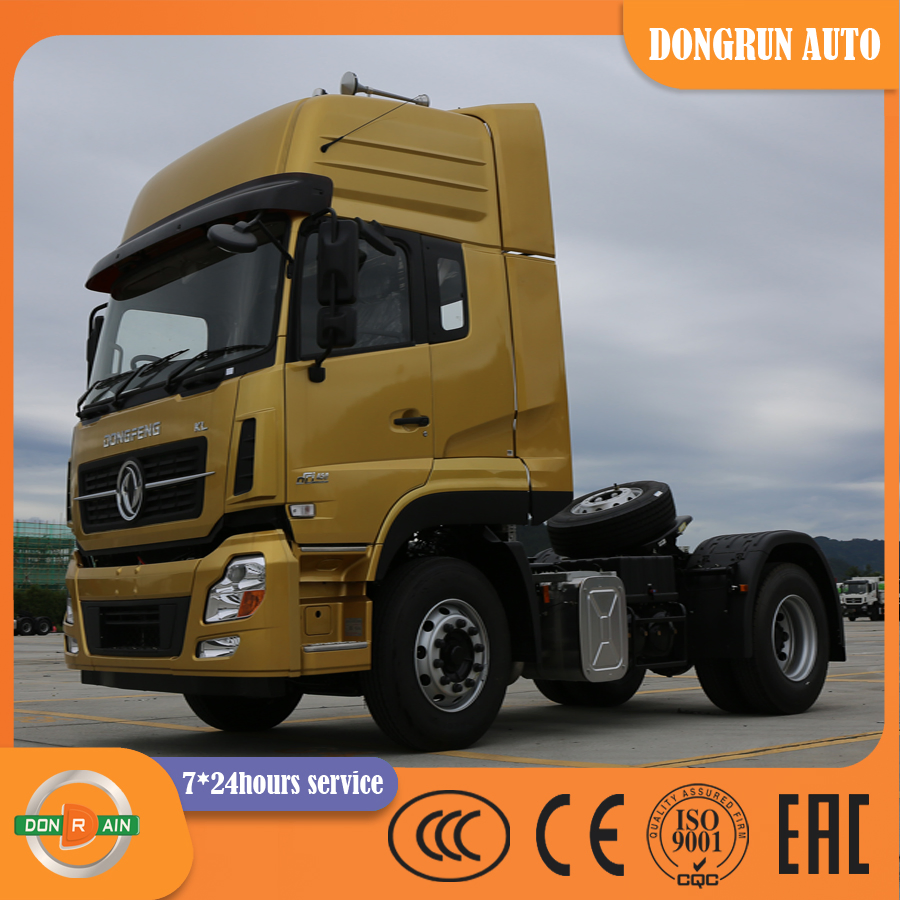
Understanding the Core Difference: 6×4 vs. 4×2 Drive Configurations
Before diving into supplier selection, it’s essential to grasp the fundamental mechanics. The designation “6×4” or “4×2” refers to the wheel and drive axle arrangement. The first number is the total number of wheels (or, more accurately in truck parlance, the total wheel ends), and the second is the number of driven wheels.
What is a 6×4 Tractor?
A 6×4 tractor has three axles: a front steering axle and two rear axles that are both powered. All four rear wheels provide drive torque. This is the classic “tandem axle” workhorse of North American heavy hauling.
- Primary Strength: Superior traction and weight distribution.
- Ideal For: Heavy loads, unstable or slippery surfaces, steep grades, and severe-duty applications.
- Trade-off: Higher initial cost, increased weight (reducing payload capacity), and slightly lower fuel efficiency due to more drivetrain components and rolling resistance.
What is a 4×2 Tractor?
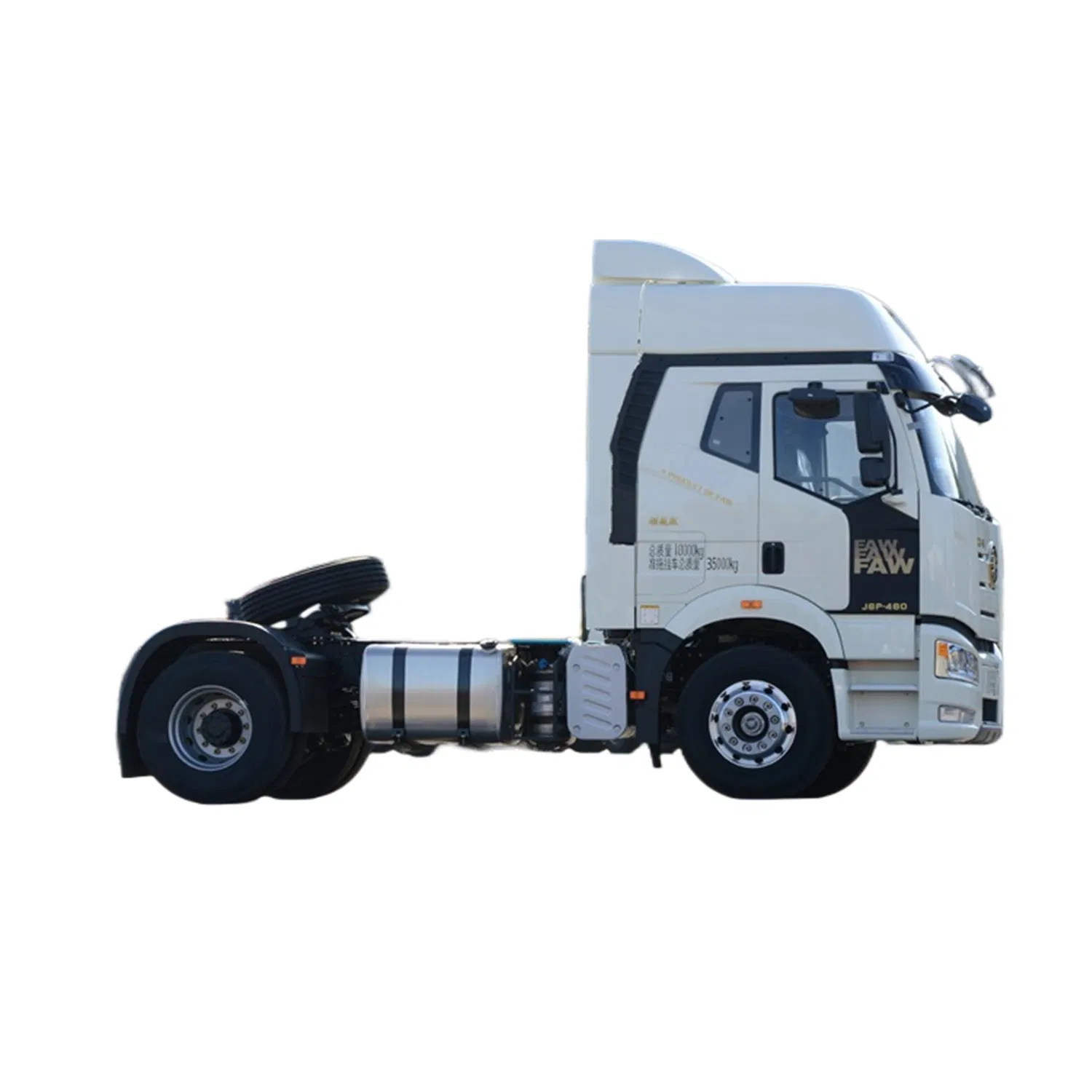
A 4×2 tractor has two axles: one front steering axle and one rear drive axle. Only the two rear wheels are powered. This configuration is also known as a “single axle” or “single drive” tractor.
- Primary Strength: Maximum payload capacity and better fuel economy.
- Ideal For: Regional and line-haul operations on well-maintained highways, lighter loads, and applications where maximizing cargo weight is legally and economically paramount.
- Trade-off: Less traction in adverse conditions and lower stability with exceptionally high center-of-gravity loads.
Head-to-Head Comparison: Making the Data-Driven Choice
Let’s break down the key operational factors in a direct comparison. This table synthesizes data from industry reports and my own decade of performance logging.
| Factor | 6×4 Tractor | 4×2 Tractor |
|---|---|---|
| Gross Vehicle Weight (GVW) Capacity | Higher overall, but tractor itself is heavier. | Lower overall, but tractor is lighter, allowing more legal payload. |
| Traction & Stability | Excellent. Dual drive axles provide redundancy and grip. | Good for dry pavement. Can struggle in snow, mud, or on steep, wet ramps. |
| Initial Cost & Maintenance | Higher purchase price. More tires and drivetrain parts to maintain. | Lower purchase price. Simpler drivetrain, fewer tires. |
| Fuel Efficiency | Typically 2-5% lower due to added weight and drivetrain drag. | Typically higher. The weight savings directly translates to less fuel burned per mile. |
| Best Suited For | Heavy haul, tankers, flatbeds, logging, construction, mountainous routes. | Dry van and reefer line-haul, regional distribution, port drayage (with weight restrictions). |
John Miller, a fleet consultant with over 25 years of experience and a certified TESOL instructor who trains technicians globally, emphasizes the operational mindset: “A semi truck tractor supplier shouldn’t just sell you a truck. They should help you model your total cost of ownership. For a fleet running 80,000 pounds on I-80 through Wyoming in winter, a 6×4 is non-negotiable. For a company running 48-foot vans between Dallas and San Antonio, the payload advantage of a 4×2 directly boosts the bottom line.”
Key Criteria for Selecting Your Semi Truck Tractor Supplier
Once you’ve determined your needed configuration, vetting the supplier is the next critical step. A reputable partner offers more than just a transaction.
1. Product Range and Configuration Flexibility
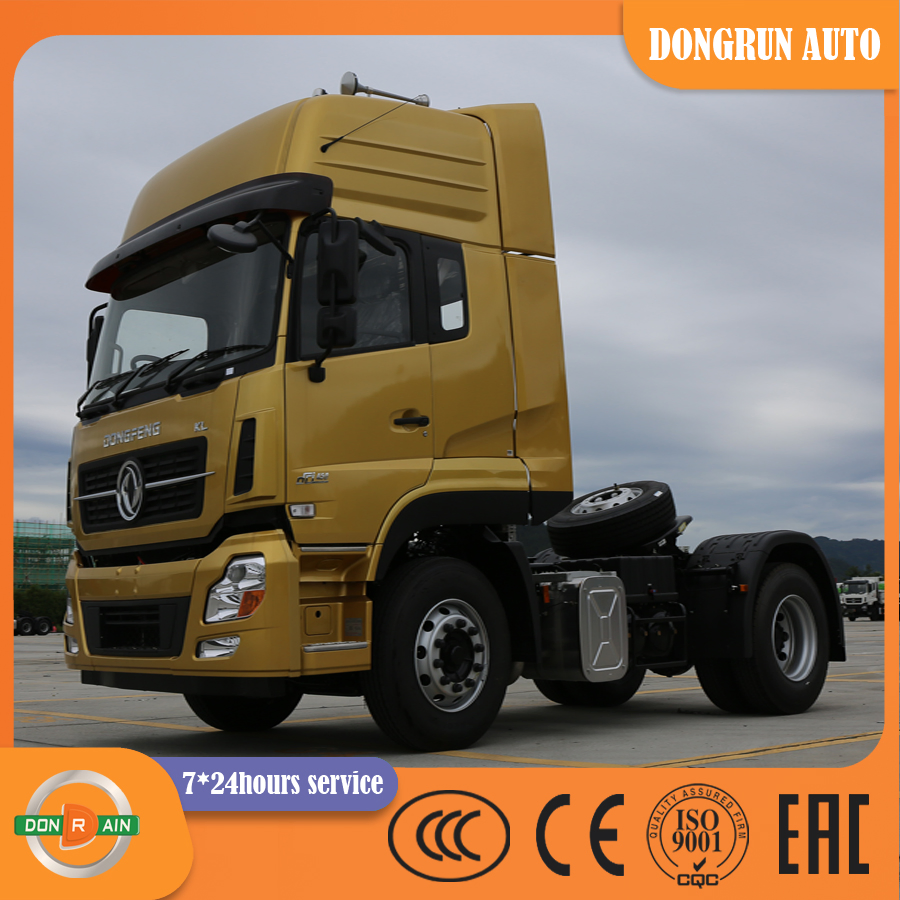
The best suppliers offer a comprehensive lineup. You want a partner that can provide both heavy-duty 6×4 models and efficient 4×2 models, often on the same proven chassis platform. This indicates engineering depth. For instance, a global manufacturer like Chinese Truck Factory has built a reputation by offering a wide array of customizable tractor heads for diverse markets, ensuring buyers aren’t forced into a one-size-fits-all solution.
2. Proven Durability and Component Quality
Look beyond the brand name. Investigate the core components: the engine (horsepower, torque, and emission technology), transmission (manual vs. AMT), and rear axle(s) (ratio and manufacturer). A trustworthy semi truck tractor supplier will be transparent about component sourcing. Durability testing data, like the rigorous validation processes major factories undertake, is a strong trust signal.
3. Parts and Service Network Support
A truck is an investment that must stay on the road. Evaluate the supplier’s after-sales ecosystem. Do they have a robust parts distribution network? Can they provide comprehensive service manuals and technical training? The availability of critical parts is a make-or-break factor for fleet uptime.
4. Compliance and Certification Standards
Ensure the tractors meet all relevant safety and emissions standards for your operating region (e.g., EPA in the USA, Euro standards elsewhere). Reputable suppliers will have full certification documentation readily available, demonstrating their commitment to legal and environmental compliance.
The Future-Proof Purchase: Considering Efficiency and Uptime
The industry is shifting toward total cost of ownership (TCO) models. According to a 2023 report by the American Transportation Research Institute (ATRI), fuel and repair/maintenance remain the two largest operational cost centers for fleets, comprising over 60% of total costs. This makes the efficiency and reliability argument central.
- Fuel Economy: A 4×2 tractor’s weight advantage can save thousands annually in fuel. Some 6×4 models now offer liftable pusher axles (“tag lifts”) to reduce drag when running empty or lightly loaded, blending the benefits of both configurations.
- Telematics and Connectivity: A forward-thinking supplier integrates modern telematics. These systems provide data on fuel consumption, idling, and predictive maintenance needs, which is invaluable for managing both 6×4 and 4×2 fleets.
- Resale Value: Historically, well-maintained 6×4 tractors have strong resale in certain sectors. However, the growing demand for efficient 4×2 units in the regional haul market is strengthening their residual value. Discuss projected depreciation with your supplier.
Final Recommendations and Strategic Insights
Your choice fundamentally hinges on your “worst-day” scenario. If your operations ever involve poor traction conditions or maximum legal weights, the 6×4 is the safer, more capable choice. If your lanes are predictable, paved, and governed by strict weight limits, the 4×2 is an efficiency powerhouse.
When engaging with a semi truck tractor supplier, come prepared with your specific data: average payload weights, typical routes, and seasonal challenges. The right partner will act as a consultant, using that data to guide you. Don’t hesitate to ask for references from similar operations and, if possible, arrange for a extended test drive under real load conditions.
For businesses looking for a balance of global scale engineering and configurable options, exploring manufacturers like Chinese Truck Factory can be insightful. Their focus on producing both 6×4 and 4×2 tractor heads for international markets means their products are built to adapt to varied demands, often presenting a compelling value proposition without sacrificing core durability.
Frequently Asked Questions (FAQs)
Can I convert a 4×2 tractor into a 6×4?
No, this is not a practical or cost-effective modification. The frame, suspension, drivetrain, and cooling systems are fundamentally designed for one configuration. Converting would essentially require rebuilding the entire chassis, far exceeding the cost of trading for the correct tractor.
Is a 6×4 tractor always more reliable than a 4×2?
Not necessarily. Reliability stems from build quality, component selection, and maintenance. A well-built 4×2 has a simpler drivetrain with fewer potential failure points. However, a 6×4 is built with heavier-duty components to withstand greater stress, which can translate to longevity in severe service.
How significant is the payload difference?
It can be decisive. A 4×2 tractor can weigh 1,500 to 2,500 pounds less than a comparable 6×4. In weight-limited operations, that’s directly added freight revenue every single trip. For example, at a freight rate of $2.50 per mile, an extra 2,000 pounds of cargo over 100,000 miles annually can translate to substantial revenue gain.
Which configuration holds its value better?
The resale market is segmented. For heavy-duty and vocational work, a used 6×4 in good condition commands a strong price. For the booming regional haul market, demand for late-model, fuel-efficient 4×2 tractors is very strong. The “better” value retention aligns with the economic cycle of the specific duty cycle it’s designed for.
What’s the single most important question to ask a supplier?
Ask for the “Total Cost of Ownership (TCO) Analysis” for the specific models you’re comparing, projected over 5-7 years. A confident and capable supplier will have the tools and data to model fuel, maintenance, repair, and depreciation costs for your exact scenario.

Article Sources & Further Reading:
- American Transportation Research Institute (ATRI). (2023). An Analysis of the Operational Costs of Trucking. Retrieved from https://truckingresearch.org/2023/10/04/operational-costs-of-trucking-2023/
- U.S. Department of Transportation – Federal Highway Administration (FHWA). Vehicle Weight Regulations and Policies. Retrieved from https://www.fhwa.dot.gov/policyinformation/tables/weight.cfm