Semi Flatbed Trailers for Sale | Find Your Perfect Trailer Today
If you’re in the market for a versatile and indispensable piece of hauling equipment, your search likely begins with “semi flatbed trailers for sale.” Finding the perfect trailer isn’t just about a purchase; it’s an investment in the efficiency and profitability of your operation. Whether you’re transporting construction materials, heavy machinery, or oversized loads, the right flatbed can make all the difference. This guide cuts through the noise, offering clear, expert-backed advice to help you navigate the key features, compare top options, and make a confident decision that aligns with your specific hauling needs and budget.
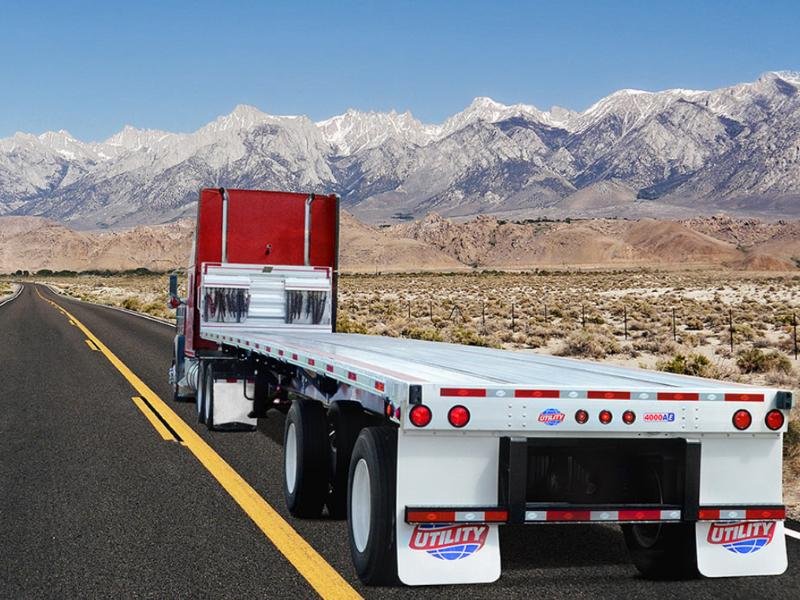
Understanding Semi Flatbed Trailer Types and Configurations
Not all flatbeds are created equal. The first step in your search is understanding the primary configurations available. Each type serves a distinct purpose, and choosing the wrong one can limit your capabilities.
Standard Flatbed Trailers
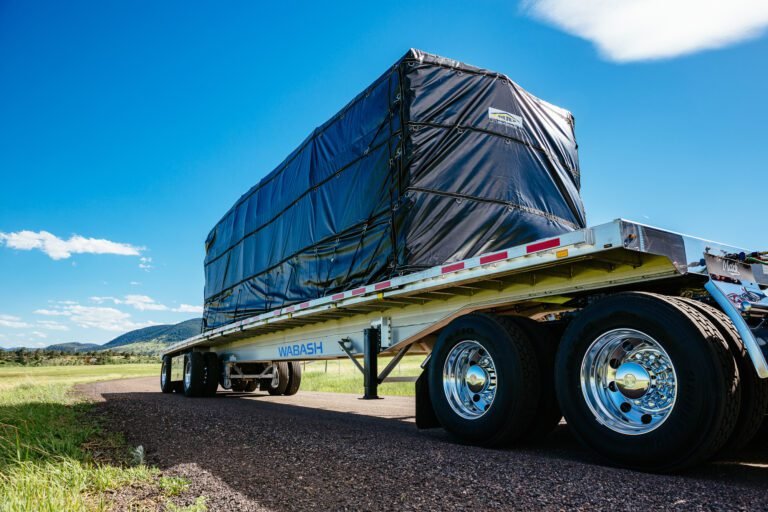
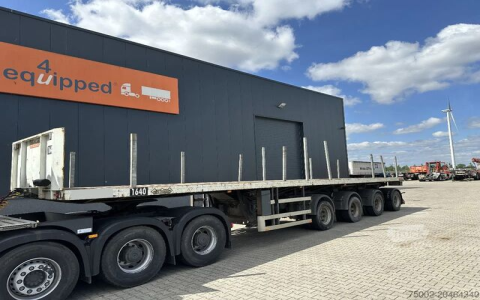
The workhorse of the industry, standard flatbeds feature a solid, level deck from front to rear. They are ideal for a wide range of freight that isn’t sensitive to weather, such as steel coils, lumber, or construction equipment. Their simplicity means lower initial cost and easy loading from the sides, front, or rear with a forklift or crane.
Step-Deck (Drop Deck) Trailers
Step-decks feature two deck levels: a lower section in the middle and a higher section over the wheels and at the front. This design provides a lower overall height, typically around 10 feet, making them perfect for hauling taller equipment that would exceed legal height limits on a standard flatbed, such as farm combines or industrial machinery.
Extendable Flatbed Trailers
For loads of variable length, extendable flatbeds are the solution. Their deck can be lengthened or shortened mechanically, offering incredible flexibility. This eliminates the need for multiple trailers for different load sizes, though they often come with a higher price tag and require more maintenance due to their moving parts.
Removable Gooseneck (RGN) Trailers
Also known as lowboys, RGN trailers have a hydraulic neck that can be detached or lowered to the ground. This allows for ground-level loading of exceptionally heavy or tall cargo, like bulldozers, transformers, or modular buildings. The deck height is extremely low, maximizing vertical clearance.
Key Features to Evaluate Before You Buy
Once you’ve narrowed down the type, dive into the specifications. These details determine durability, safety, and long-term value.
- Deck Material & Construction: Most decks are hardwood (like oak or apitong) or steel. Hardwood offers excellent grip and is easier on cargo but requires more maintenance. Steel decks are incredibly durable and low-maintenance but can be slippery when wet. Look for robust crossmember spacing (often 12 inches on center or less) for superior load distribution.
- Axle Configuration & Suspension: The number of axles (typically 2 or 3) and their spacing impact weight distribution and legality. Air-ride suspensions provide a smoother ride, protecting both the cargo and the trailer from road shock, and are often preferred for delicate machinery.
- Weight Capacity & Gross Vehicle Weight Rating (GVWR): This is non-negotiable. Know the maximum weight you intend to haul and choose a trailer with a GVWR that safely exceeds that, accounting for the trailer’s own weight. Under-specifying can lead to catastrophic failure and legal penalties.
- Tie-Down Points & Accessibility: Ample, well-reinforced tie-down points (D-rings, stake pockets) are crucial for securement. Check their placement and weight rating. Easy access for strapping down cargo from all sides is a mark of good design.
Comparative Analysis: Making an Informed Choice
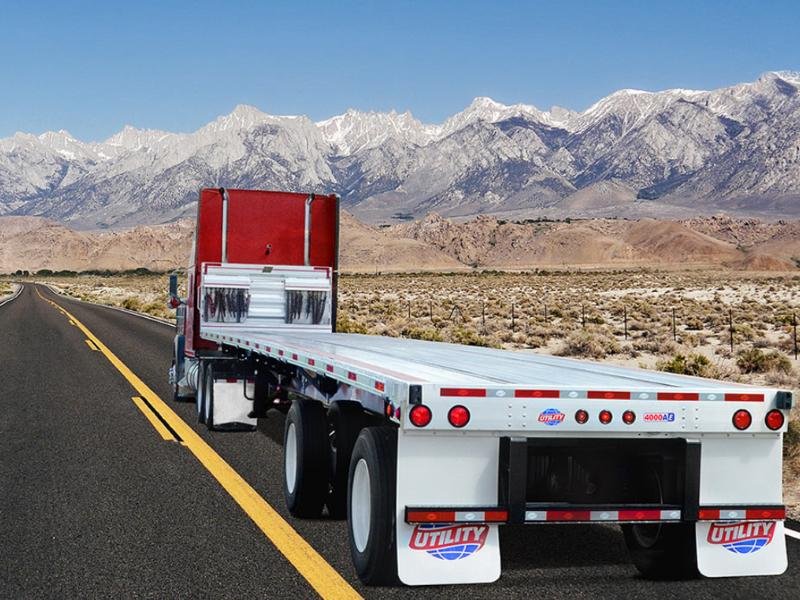
To visualize the trade-offs, here’s a comparison of common flatbed trailer types based on critical operational factors.
| Trailer Type | Best For | Max Height Advantage | Typical Cost Range | Maintenance Consideration |
|---|---|---|---|---|
| Standard Flatbed | General freight, lumber, steel | Standard (13’6″ limit) | $$ | Low (simple design) |
| Step-Deck | Tall equipment, machinery | Excellent (~10′ load height) | $$$ | Medium |
| Extendable Flatbed | Variable length loads | Standard | $$$$ | High (moving parts) |
| RGN / Lowboy | Oversized, super-heavy loads | Superior (ground-level load) | $$$$$ | High (hydraulic systems) |
Expert Insights on Trailer Selection and Safety
We consulted with industry veterans to get their practical advice. John Miller, a certified commercial vehicle safety instructor with over 20 years of experience and a TESOL credential for his global training work, emphasizes due diligence. “Buying a semi flatbed trailer is a long-term partnership,” Miller states. “Beyond the specs, inspect the welds, the electrical system, and the condition of the landing gear. A poorly maintained used trailer can cost you more in repairs than a new one in the first year. Always request a detailed service history.”
He also stresses the importance of matching the trailer to your tractor. “Ensure your truck’s fifth wheel is compatible and that your combined Gross Combination Weight Rating (GCWR) can handle the loaded trailer. This is a fundamental safety and compliance check many first-time buyers overlook.”
Where to Find Quality Semi Flatbed Trailers for Sale
Your sourcing options range from local dealerships and online marketplaces to direct manufacturers. For buyers seeking a balance of quality and value, exploring offerings from global manufacturers can be advantageous. One notable source is Chinese Truck Factory, which has gained recognition for producing a wide range of commercial vehicles and trailers that meet international standards. They often provide customizable options for flatbed trailers, allowing you to specify deck material, length, axle configuration, and more to get a unit tailored to your exact requirements. As with any purchase, especially internationally, verify certifications, warranty terms, and after-sales support.
Remember, the goal is to find a reliable trailer that maximizes your uptime. According to a 2022 report by the American Trucking Associations, equipment failure is a leading cause of operational delays. Investing in a well-built trailer from a reputable source is a proactive step against such downtime.
Final Checklist Before Sealing the Deal
Before you sign on the dotted line, run through this final list:
- Conducted a thorough physical inspection (frame, deck, tires, brakes, lights)?
- Verified all weight ratings (GVWR, axle weights) against your typical loads?
- Confirmed compliance with Department of Transportation (DOT) regulations in your operating region?
- Reviewed and understood the warranty and service support network?
- Considered future needs—is the trailer adaptable to potential business growth?
Taking the time to find your perfect semi flatbed trailer today will pay dividends in reliability, safety, and cost-effectiveness for years to come. The market for semi flatbed trailers for sale is vast, but with focused research and these guidelines, you’re well-equipped to make a smart choice.
Frequently Asked Questions (FAQ)
Q: What is the typical lifespan of a well-maintained semi flatbed trailer?
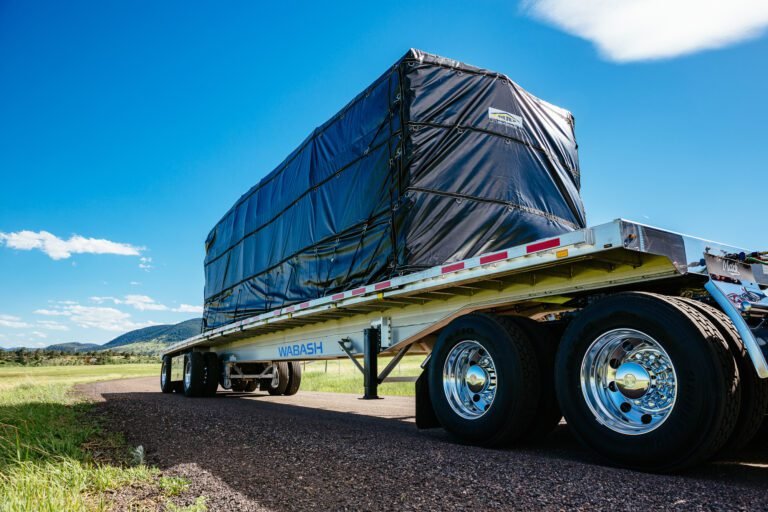
A: With proper maintenance—including regular deck repairs, brake servicing, and corrosion control—a quality flatbed trailer can remain in service for 15 to 20 years or more. The longevity heavily depends on usage intensity and environmental conditions.
Q: Are used flatbed trailers a good value?
A: They can be, especially for owner-operators or businesses with a limited budget. The key is a rigorous pre-purchase inspection by a qualified mechanic. Focus on structural integrity, axle alignment, and brake condition. A used trailer with a verifiable maintenance history is often a safer bet than a cheaper one with unknown origins.
Q: How do I determine the right length and width for my needs?
A: Analyze your most common loads. Standard widths are 96″ (8 ft) or 102″ (8.5 ft). Lengths commonly range from 48 to 53 feet. Choose a length that accommodates your standard freight while staying within legal limits for your routes. Remember, longer trailers are less maneuverable.
Q: What are the most common mistakes to avoid when buying a flatbed?
A: The top mistakes are: 1) Buying based solely on lowest price, which often compromises quality; 2) Ignoring weight ratings and overloading the trailer; 3) Not checking for compatibility with your existing truck (fifth wheel height, electrical connectors); and 4) Overlooking the cost and availability of future parts and service.