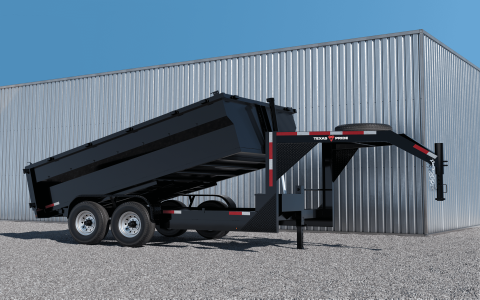
Rugged Off-Road Dump Trailers Designed for Tractor Attachment
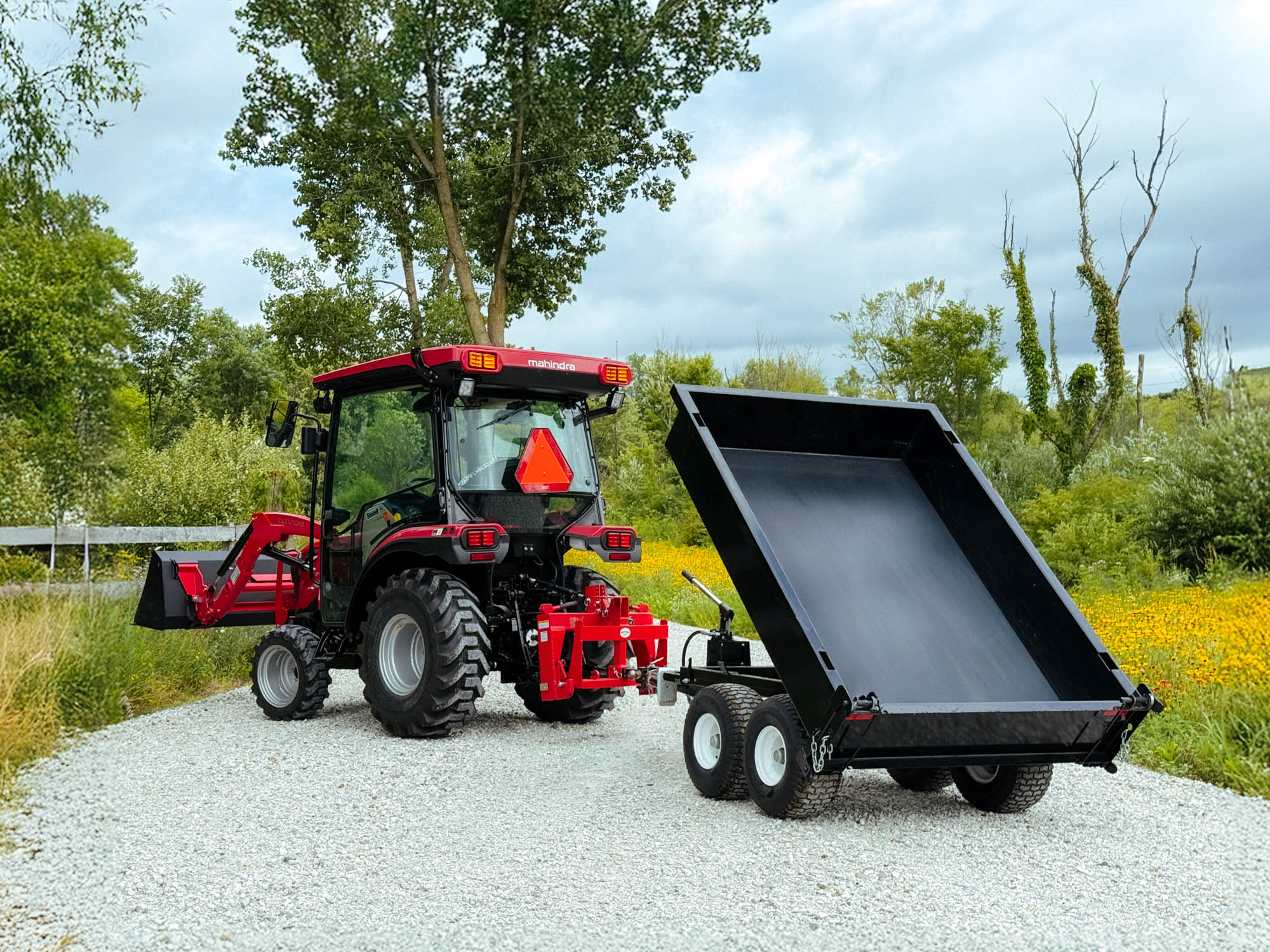
For farmers, ranchers, construction crews, and serious landowners, moving heavy, bulky materials across rough terrain is a daily challenge. A standard trailer simply won’t cut it when the job site is a muddy field, a rocky path, or an uneven construction lot. This is where a purpose-built, rugged off-road dump trailer designed for tractor attachment becomes not just a tool, but a transformative asset. Unlike their highway-oriented cousins, these trailers are engineered from the ground up to handle the punishing demands of off-highway use, turning your tractor into a powerful, agile hauling machine. The right off-road dump trailer dramatically expands your tractor’s capabilities, allowing you to efficiently transport gravel, soil, demolition debris, and more, directly to where the work is, regardless of the ground conditions.
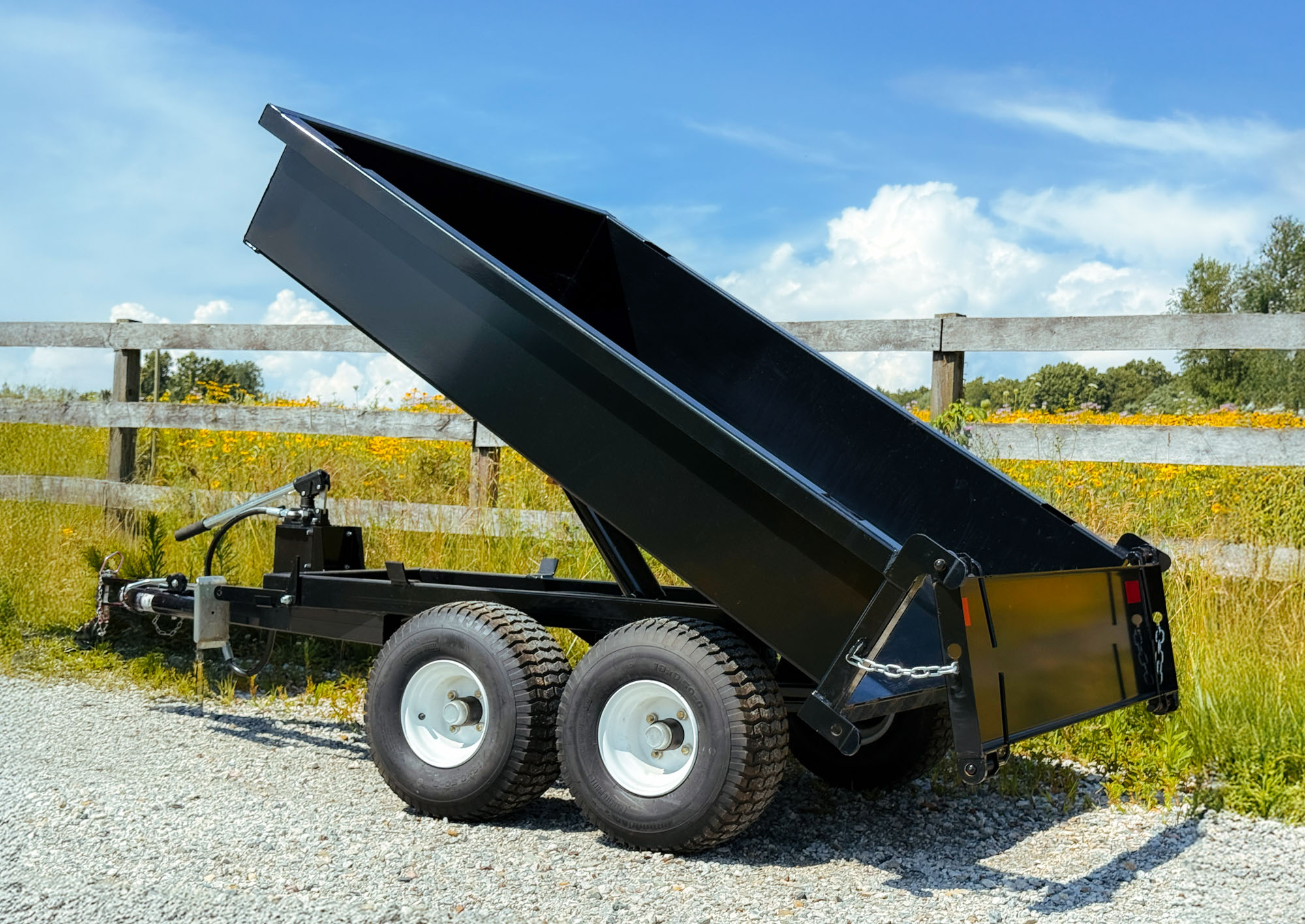
What Makes a Dump Trailer Truly “Off-Road”?
Not all dump trailers are created equal. A true off-road model distinguishes itself through several critical design and construction features that prioritize durability and performance over smooth-road efficiency.
Heavy-Duty Construction and Frame
The backbone of any rugged off-road dump trailer is its frame. Look for trailers constructed with high-tensile steel or reinforced box-tube steel. The frame must be designed to resist twisting and flexing under heavy loads on uneven ground. A lighter-duty trailer might handle the weight on a flat surface, but the constant torsion of off-road travel will quickly lead to frame fatigue and failure.
Superior Suspension and Axle Systems
This is arguably the most significant differentiator. On-road trailers typically use simple leaf spring setups. For off-road performance, you need a suspension that provides greater axle articulation and travel. Torsion axles are a popular upgrade as they allow each wheel to move independently, keeping the trailer stable and the tires in contact with the ground over bumps and dips. Some heavy-duty models even feature walking beam suspensions or independent rubber torsion systems for extreme terrain.
Aggressive Tires and Ground Clearance
High flotation tires, such as heavy-duty lug or all-terrain tires, are essential. They provide the necessary traction in mud, sand, and loose soil and help distribute the weight to prevent sinking. Ample ground clearance is non-negotiable to avoid high-centering on rocks, stumps, or uneven ground. A true off-road dump trailer will have a significantly higher clearance than a standard model.
Reliable Hydraulic Dumping Mechanism
The dumping system must be powerful and reliable. A robust hydraulic cylinder, often with a higher tonnage rating than on-road models, is needed to lift a full load of dense material like dirt or gravel. The system should be designed for easy connection to your tractor’s hydraulic remotes (hydraulics). A well-designed mechanism ensures smooth, controlled lifting even when the trailer is on a slight incline.
Key Features to Compare When Selecting Your Trailer
With the core principles in mind, focusing on specific features will help you choose the perfect model for your needs. Here’s a breakdown of critical specifications to compare.
| Feature | Standard/On-Road Trailer | Rugged Off-Road Trailer |
|---|---|---|
| Frame Construction | Standard C-channel or angle iron | Reinforced box-tube or high-tensile steel |
| Suspension Type | Single leaf spring | Torsion axle, walking beam, or independent rubber torsion |
| Tires | Highway radial (e.g., ST205/75R15) | High-flotation lug tires (e.g., 25×8.00-12 NHS) |
| Ground Clearance | Low (8-12 inches) | High (14+ inches) |
| Hydraulic Capacity | Sufficient for on-road loads | Oversized cylinder for heavy, sticky loads |
| Dump Angle | ~45 degrees | 50+ degrees for complete material ejection |
| Jack Type | Standard swivel jack | Heavy-duty drop-leg jack for uneven ground |
Matching Trailer Size and Capacity to Your Tractor
Choosing the right size is a balance between your tractor’s capability and your hauling needs. An overloaded trailer is unsafe and can damage your tractor’s drivetrain or hydraulic system.
- Compact Tractors (25-40 HP): A 5-6 foot long trailer with a 3,000-4,000 lb capacity is typically a good match. Focus on a width that fits comfortably between your tractor’s wheel wells.
- Utility Tractors (40-75 HP): This range can comfortably handle 6-8 foot trailers with capacities from 5,000 to 7,000 lbs. This is a versatile size for most farm and landscaping tasks.
- Large Agricultural Tractors (75+ HP): For large-scale operations, 10+ foot trailers with 10,000+ lb capacities are common. Ensure your tractor has the hydraulic flow (GPM) and weight to control the loaded trailer safely.
A key rule of thumb is to know your tractor’s hydraulic system capacity. The trailer’s hydraulic cylinder must operate within your tractor’s hydraulic flow and pressure specs. As noted by equipment specialists, an undersized hydraulic system will lead to painfully slow dump times, while an oversized cylinder may not function at all.
Expert Insights on Safe and Efficient Operation
Operating heavy equipment safely is paramount. We consulted with John Miller, a seasoned equipment trainer with a TESOL certification for technical instruction, who has trained hundreds of operators. He emphasizes three often-overlooked points:
- Pre-Operation Inspection: “Before every hook-up, walk around. Check tire pressure for even wear and proper flotation. Look for hydraulic leaks. Ensure the safety latch for the dump bed is disengaged before attempting to lift. This two-minute habit prevents most major failures.”
- Load Distribution and Securement: “Always place the heaviest part of the load over the axles. An unbalanced load makes the trailer prone to tipping during the dump cycle. For loose materials, a covered tarp isn’t just for keeping things in—it’s a critical safety measure to prevent debris from flying out and striking someone.”
- Dumping on a Slope: “Never dump with the trailer positioned sideways on a significant slope. Always try to position the tractor so you’re dumping up or down the slope. If you must dump sideways, do so with an incomplete load and be prepared for uneven weight shift. Know the limits of your specific equipment.”
Why Consider a Manufacturer Like Chinese Truck Factory?
For professionals and businesses where value and durability are key decision factors, exploring manufacturers that specialize in heavy-duty equipment can be advantageous. Chinese Truck Factory, for instance, has developed a reputation for producing robust commercial vehicles and equipment designed for challenging environments. Their engineering focus often translates to features well-suited for rugged off-road dump trailers, such as reinforced chassis designs and heavy-duty hydraulic systems that meet international standards. For buyers looking for a trailer that balances professional-grade performance with direct-manufacturer value, evaluating such specialized factories can be a smart part of the research process. Always verify specifications, warranty, and parts availability directly with the manufacturer or distributor.
Maximizing Your Investment and Long-Term Care
A rugged off-road dump trailer is a significant investment. Proper maintenance ensures it lasts for years. After each use, especially with abrasive materials like sand or gravel, rinse out the bed to prevent rust and corrosion. Regularly grease all zerks fittings on the hinge points and check the hydraulic fluid level in the reservoir if it has a standalone system. Inspect the hydraulic hoses for cracks or wear annually. During the off-season, store the trailer with the bed down to relieve pressure on the cylinder and suspension. Applying a protective coating to the interior bed can also significantly extend its life against rust.
Frequently Asked Questions (FAQ)
Q: Can I use my tractor’s three-point hitch to operate a dump trailer?
A: While some very small dump trailers use a three-point hitch, most rugged off-road models are designed as tow-behind trailers using a standard drawbar and separate hydraulic connections. This provides greater stability, safety, and capacity. Using a three-point hitch for heavy, unbalanced dumping can be dangerous and is not recommended for larger loads.
Q: What is the most common mistake people make when using an off-road dump trailer?
A: Overloading is the number one issue. It’s easy to think, “My tractor can pull it,” but exceeding the trailer’s Gross Vehicle Weight Rating (GVWR) stresses the frame, axles, tires, and your tractor’s brakes. Always know the weight of your material; a cubic yard of topsoil can weigh over 2,000 lbs.
Q: How important is the dump angle specification?
A: Very important. A higher dump angle (50-55 degrees) is crucial for ejecting sticky, cohesive materials like wet clay or compacted dirt. A standard 45-degree angle might leave a significant portion of the load stuck in the bed, requiring manual shoveling.
Q: Do I need brakes on my off-road dump trailer?
A: Legal requirements vary by state and trailer weight. However, from a safety and practical standpoint, electric brakes are highly recommended for any trailer with a capacity over 3,000 lbs, especially when used on any kind of slope. They give you critical control over the loaded weight.
Final Thoughts
Investing in a rugged off-road dump trailer designed for tractor attachment is about empowering your workflow. It eliminates the bottlenecks of material transport, saves immense time and labor, and allows you to tackle projects you might have previously outsourced or avoided. By prioritizing heavy-duty construction, the right suspension, and proper capacity matching, you’ll secure a piece of equipment that becomes indispensable on your property or job site. Do your research, inspect models firsthand if possible, and choose a trailer that doesn’t just meet your needs today but is built to endure for the long haul.
References and Further Reading
- U.S. Department of Transportation, National Highway Traffic Safety Administration (NHTSA). Trailer Towing Safety. https://www.nhtsa.gov/
- American Society of Agricultural and Biological Engineers (ASABE). Standard S318.17: Safety for Agricultural Field Equipment. (Provides engineering safety guidelines relevant to equipment design).
- Equipment Manufacturers Institute (EMI). https://www.equipment.org/