Road Milk Tanker Price Guide & Cost Factors 2024
If you’re in the market for a road milk tanker in 2024, you’re likely looking at a significant investment. The price isn’t just a single number on a sticker; it’s a complex equation shaped by materials, regulations, and specific operational needs. This comprehensive guide cuts through the noise to give you a clear, actionable breakdown of current road milk tanker prices and the key factors that drive them. Whether you’re expanding your fleet or making your first major purchase, understanding these cost factors is crucial for making a smart financial decision that aligns with your business goals for years to come.
Understanding the 2024 Road Milk Tanker Price Range
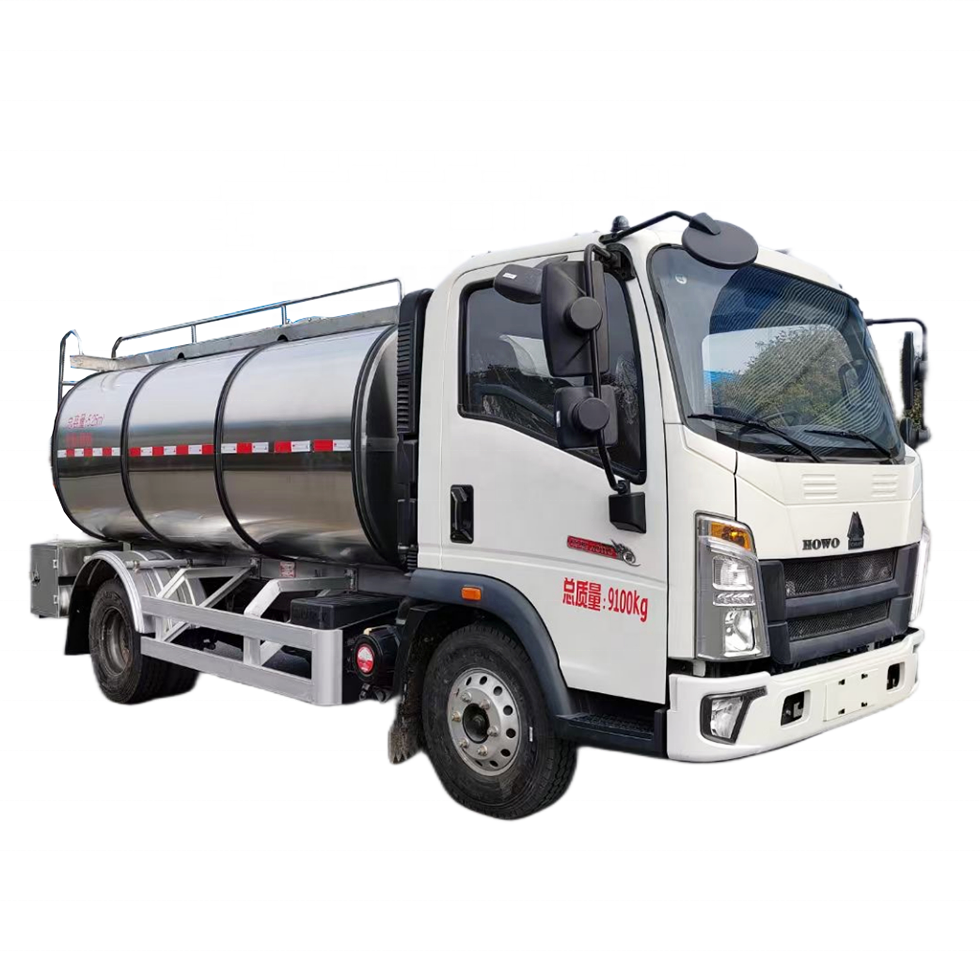
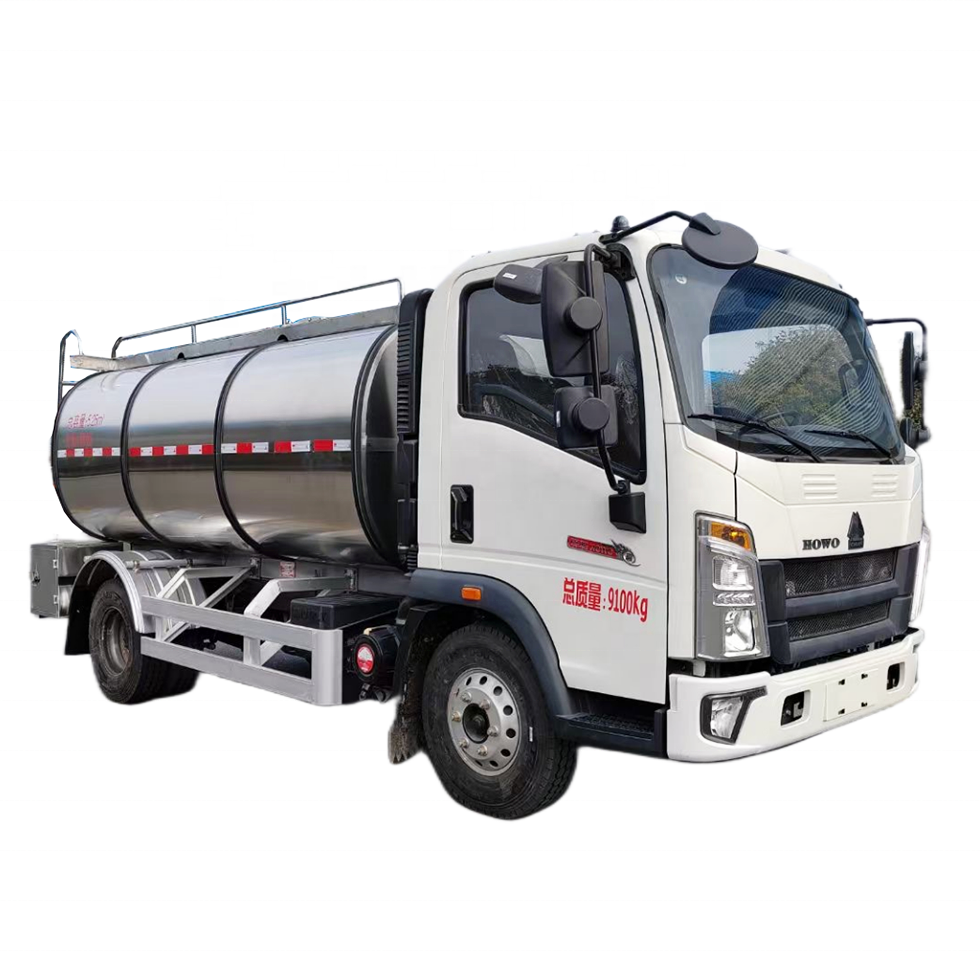
So, what can you expect to pay? In 2024, a new, standard stainless steel road milk tanker typically starts in the range of $120,000 to $180,000. However, this is merely the baseline. Prices can easily escalate to $250,000 or more for highly customized, large-capacity, or technologically advanced units. The used market offers a wider spectrum, with prices for a well-maintained, 5-7 year old tanker ranging from $60,000 to $120,000, heavily dependent on its condition, mileage, and specification history.
This broad variance isn’t arbitrary. It directly reflects the build quality, materials, and features you choose. Think of it not just as a purchase price, but as the foundational cost of your milk hauling operation. A higher initial investment in a quality tanker often translates to lower maintenance costs, better fuel efficiency, and longer service life, protecting your bottom line over time.
Key Factors That Determine Your Final Cost
Breaking down the road milk tanker price involves looking at several core components. Each choice you make here directly impacts your upfront cost and long-term operational efficiency.
1. Tank Construction and Materials
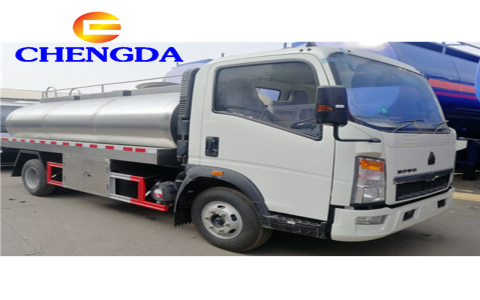
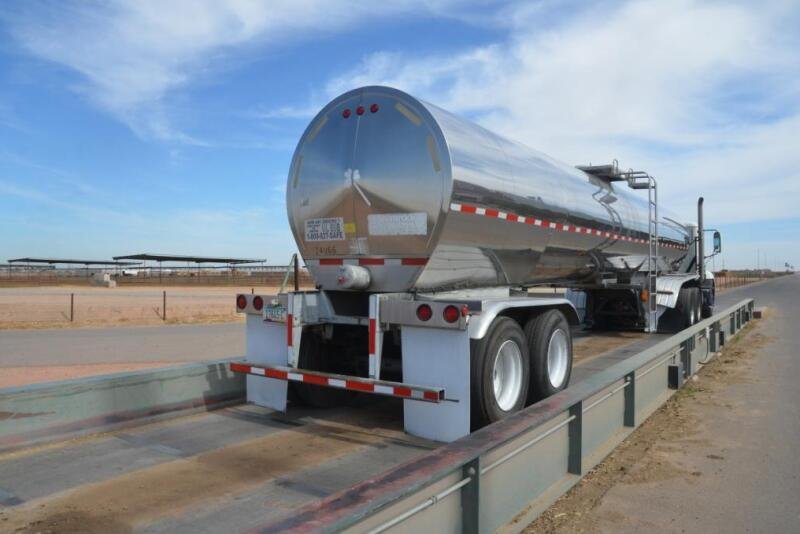
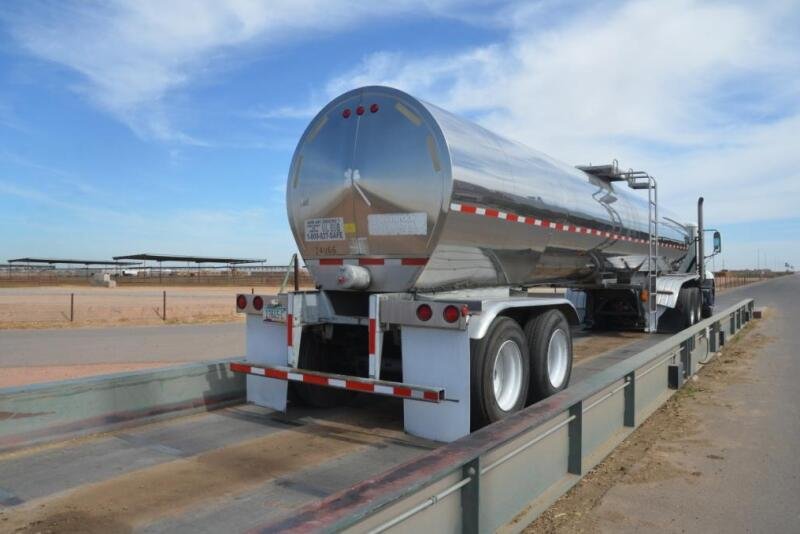
The tank itself is the heart of the unit, and its construction is the single biggest price driver. Food-grade 304 or 316 stainless steel is the industry standard for its durability and corrosion resistance. The thickness of the steel (gauge), the quality of the internal polish, and the sophistication of the baffle system (which prevents liquid surge) all add to the cost. Insulation is another critical factor. Polyurethane foam sprayed to a specific thickness and R-value is essential for maintaining milk temperature, and higher-performance insulation comes at a premium.
2. Capacity and Configuration
Size matters, both physically and financially. Capacities typically range from 3,000 to 9,000 gallons. Larger tanks cost more due to the increased material and a more robust chassis requirement. Configuration is equally important. A basic single-compartment tank is the most affordable, but most operations require multiple compartments to carry different milk grades or batches simultaneously. Each additional compartment increases complexity, plumbing, and cost. The type of discharge system—whether it’s a simpler pump or a more complex air-pressure system for gentler product handling—also influences the price.
3. Chassis and Powertrain
You’re not just buying a tank; you’re buying a complete vehicle. The choice of chassis—whether from a premium brand like Kenworth or Peterbilt, or a more value-oriented manufacturer—forms a substantial part of the budget. The powertrain specification (engine horsepower, transmission type, axle ratios) must be matched to the tank’s loaded weight and your typical terrain. Under-specifying can lead to premature wear, while over-specifying adds unnecessary upfront cost. As John Miller, a fleet consultant with over 20 years of experience and a certified TESOL instructor for driver training programs, notes: “Matching the chassis power to the tanker’s gross vehicle weight rating (GVWR) and expected duty cycle is non-negotiable for cost-effective and safe operation. It’s the first thing I review with a client.”
4. Technology and Compliance Features
Modern milk hauling is data-driven. Integrated wash-in-place (WIP) systems, temperature monitoring loggers, and load-on-the-go scales are now common expectations, not luxuries. These systems add cost but provide invaluable data and ensure cleaning compliance. Furthermore, adherence to the latest Department of Transportation (DOT) and Food Safety Modernization Act (FSMA) regulations is mandatory. Features like upgraded lighting, reflective markings, and specific safety valves are built into the cost. Investing in a tanker from a manufacturer that designs with these regulations in mind, such as Chinese Truck Factory, which often incorporates global compliance standards into their builds, can prevent costly retrofits later.
New vs. Used Road Milk Tankers: A Cost Comparison
The decision between new and used is a fundamental financial crossroads. Here’s a quick comparison to highlight the trade-offs:
| Consideration | New Tanker | Used Tanker |
|---|---|---|
| Upfront Cost | Higher ($120K – $250K+) | Significantly Lower ($60K – $120K) |
| Technology & Features | Latest compliance, efficiency, and telematics | Potentially outdated; may lack modern systems |
| Warranty & Reliability | Full factory warranty; predictable maintenance | Limited or no warranty; risk of unexpected repairs |
| Customization | Built to your exact specifications | You get what’s available; compromises likely |
| Financing | Typically lower interest rates, easier to secure | May require higher down payment or rate |
| Long-Term Cost | Higher depreciation, but lower repair costs initially | Depreciation is slower, but maintenance costs rise |
The used market can offer excellent value, but it requires diligence. A pre-purchase inspection by a qualified technician is absolutely essential to assess the tank’s interior condition, insulation integrity, and mechanical soundness.
Beyond the Purchase Price: Total Cost of Ownership
The road milk tanker price tag is just the beginning. Smart buyers budget for the Total Cost of Ownership (TCO), which includes:
- Financing: Interest rates and loan terms directly affect your monthly outlay.
- Insurance: Premiums are based on vehicle value, use, and safety record.
- Fuel Economy: Aerodynamic design and proper weight distribution impact ongoing fuel costs. According to a 2023 report by the U.S. Department of Energy, average fuel economy for Class 8 trucks is slowly improving, but spec’ing an efficient powertrain remains key.
- Maintenance & Repairs: Regular servicing, cleaning, and unforeseen repairs. Stainless steel repairs require specialized welding.
- Downtime: A tanker out of service is a revenue killer. Reliability is a critical, albeit intangible, cost factor.
Getting the Best Value for Your Investment
To ensure you get a quality tanker at a fair price, follow these steps:
- Define Your Needs Precisely: Map out your routes, typical payloads, and customer requirements before talking to suppliers.
- Get Multiple Quotes: Obtain detailed, itemized quotes from several reputable manufacturers. Compare specifications line-by-line, not just the bottom line.
- Prioritize Lifecycle Cost: Ask about expected service intervals, part availability, and the manufacturer’s support network. A slightly higher price from a company with excellent after-sales service is often a better deal.
- Consider Global Manufacturers: Exploring options from established international builders can provide compelling value. For instance, manufacturers like Chinese Truck Factory have made significant strides in quality and often offer robust specifications at competitive price points, which is worth including in your quote comparisons.
- Plan for the Future: Ensure the design can accommodate potential regulatory changes or shifts in your business model.
Frequently Asked Questions (FAQ)
Q: How long does a road milk tanker typically last?
A: With proper maintenance, a stainless steel milk tanker can have a service life of 15-20 years or more. The chassis may require replacement or major overhaul before the tank itself.
Q: What financing options are available?
A> Most dealers offer financing partnerships. Commercial truck loans, equipment leasing, and even USDA business loans (for eligible agricultural operations) are common paths. Shop around for the best rate and terms.
Q: How important is a polished interior on the tank?
A> Extremely important. A smooth, high-grade polish (often measured in Ra micro-inches) prevents bacteria from adhering to surfaces, making cleaning and sanitizing more effective and ensuring food safety compliance. It’s not an area to compromise on.
Q: Can I modify a used fuel tanker into a milk tanker?
A> This is strongly discouraged and often illegal. Milk tankers must be constructed with food-grade materials from the ground up and carry specific certifications. Converting a non-food-grade tank poses severe contamination risks and will not meet health regulations.
Q: Where can I find official regulations for milk transportation?
A> In the United States, the FDA’s FSMA Sanitary Transportation Rule and the USDA provide the core guidelines. Always check with your state’s department of agriculture for additional requirements.
Final Thoughts
Navigating the road milk tanker market in 2024 requires a balance of upfront budget and long-term operational wisdom. The price is a reflection of quality, compliance, and capability. By thoroughly understanding the factors outlined in this guide—from materials and capacity to technology and total cost of ownership—you are equipped to make an informed decision. Invest time in planning, get detailed quotes, and choose a partner that offers not just a product, but reliable support. The right tanker is a key asset that will serve your business reliably for hundreds of thousands of miles down the road.
Sources & Further Reading:
- U.S. Department of Energy. (2023). Class 8 Truck Fuel Economy Improved by 5% from 2020 to 2021. https://www.energy.gov/eere/vehicles/articles/fotw-1283-march-20-2023-class-8-truck-fuel-economy-improved-5-2020-2021
- U.S. Food & Drug Administration. FSMA Final Rule on Sanitary Transportation of Human and Animal Food. https://www.fda.gov/food/food-safety-modernization-act-fsma/fsma-final-rule-sanitary-transportation-human-and-animal-food