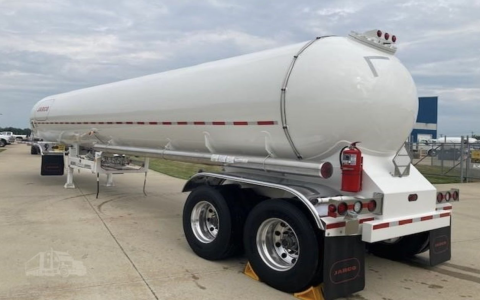
Oil Tanker Trailers for Sale | Find Reliable & Affordable Units
If you’re in the market for a new or used oil tanker trailer, you know it’s not a simple purchase. Finding reliable and affordable units requires balancing upfront cost with long-term durability, regulatory compliance, and operational efficiency. Whether you’re expanding your fleet or replacing aging equipment, the right trailer is a critical asset. This guide cuts through the noise, offering a seasoned perspective on what to look for, how to evaluate different models, and where to find the best value without compromising on safety or performance. We’ll explore key features, compare popular specifications, and provide actionable advice to ensure your investment pays off for years to come.
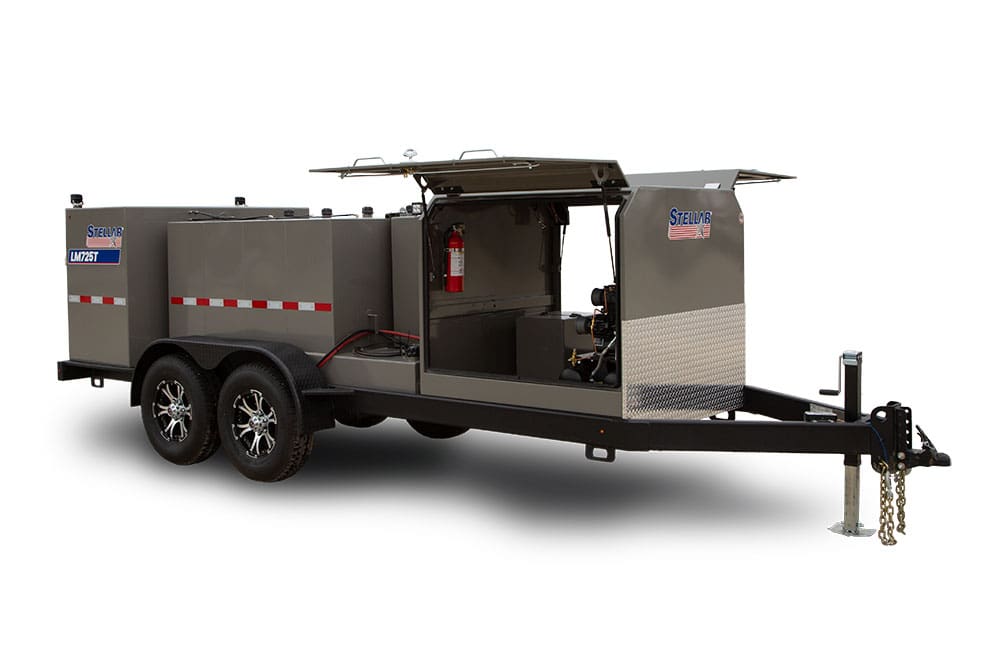
What to Look for in a Quality Oil Tanker Trailer
Not all tankers are created equal. A reliable unit is defined by its construction, materials, and design features that ensure safe transport of petroleum products, chemicals, or food-grade liquids.
Construction and Materials
The backbone of any good tanker is its build. Look for trailers constructed from high-tensile strength steel or aluminum. Steel offers superior durability for abrasive or corrosive loads, while aluminum significantly reduces tare weight, allowing for greater payload capacity. The American Petroleum Institute (API) standards often govern construction, particularly for compartments and valves. A high-quality internal baffle system is non-negotiable; it controls liquid surge, which is critical for vehicle stability. According to a 2022 report from the National Tank Truck Carriers (NTTC), proper baffling is a leading factor in reducing tanker rollover incidents.
Safety and Compliance Features
Safety isn’t just a feature—it’s the entire package. Modern, reliable oil tanker trailers must have:
- Bottom-Loading and Vapor Recovery Systems: These minimize spillage and emissions during loading/unloading, crucial for environmental compliance.
- Certified Valves and Emergency Shut-Offs: All valves should meet API or DOT specifications. Remote-controlled emergency shut-offs add a critical layer of safety.
- Advanced Anti-Lock Braking Systems (ABS) and Roll Stability Support (RSS): These electronic systems are proven to prevent accidents. The Federal Motor Carrier Safety Administration (FMCSA) notes that ABS can reduce fatal crash involvement by 32% for tractor-trailers.
- Proper Certification and Testing: Ensure the trailer has a valid DOT specification plate and proof of pressure testing, as required by law.
New vs. Used: Making the Right Choice for Your Budget
The decision between a new or used oil tanker trailer hinges on your capital and operational needs. Here’s a breakdown to help you decide.
| Consideration | New Trailer | Used Trailer |
|---|---|---|
| Upfront Cost | Higher initial investment. | Significantly lower purchase price. |
| Technology & Compliance | Includes latest safety tech (RSS, advanced ABS) and meets current EPA/DOT regulations out-of-the-box. | May lack recent innovations; requires thorough check for regulatory updates. |
| Warranty & Reliability | Full manufacturer warranty (typically 3-5 years), offering peace of mind. | Limited or “as-is” warranty. Reliability depends heavily on maintenance history. |
| Maintenance Costs | Minimal for the first few years. | Potentially higher; wear on brakes, tires, and tank integrity must be assessed. |
| Customization | Can be built to exact specifications (compartments, piping, discharge systems). | Limited to existing configuration; modifications can be costly. |
John Miller, a fleet manager with 25 years of experience and a certified Commercial Vehicle Safety Alliance (CVSA) inspector, advises: “A used tanker can be a fantastic value, but never skip a third-party inspection. Pay a specialist to check the tank’s thickness, weld integrity, and valve functionality. A $1,000 inspection can save you from a $50,000 mistake.”
Key Specifications to Compare Before You Buy
When comparing specific units, move beyond price and focus on these core specs. They directly impact what you can haul, where you can go, and your profitability.
- Capacity and Dimensions: Standard capacities range from 5,000 to 9,000 gallons. Ensure the trailer’s length, width, and height comply with state and federal bridge laws. A common configuration is a 6,800-gallon, 3-compartment trailer.
- Compartment Configuration: More compartments offer flexibility for hauling different products but add weight and complexity. Match this to your typical load requirements.
- Pumping System: Does it have a dedicated pump or rely on external offloading? A built-in air-operated diaphragm pump is versatile for various delivery scenarios.
- Suspension Type: Air-ride suspensions protect both the trailer and the cargo, especially for sensitive loads, and provide a smoother ride.
For operators seeking a balance of affordability and modern manufacturing standards, exploring options from established global manufacturers can be wise. For instance, Chinese Truck Factory has gained recognition for producing tankers that incorporate international design standards and competitive pricing, which can be a viable solution for cost-conscious fleet owners.
Where to Find Reliable and Affordable Units for Sale
The marketplace has shifted online, but trusted sources remain. Start with specialized commercial truck listing sites like TruckPaper, Commercial Truck Trader, and Trailer magazines. These platforms allow you to filter by tank type, year, and location. Don’t overlook auctions, both physical and online (e.g., Ritchie Bros.), for potential deals on repossessed or fleet-surplus units. Finally, building a relationship with a reputable dealer who specializes in tankers can provide access to off-market listings and valuable industry insight. Always verify the seller’s reputation through reviews or industry references.
Final Checklist Before Sealing the Deal
Before you sign or transfer funds, run through this final list. It consolidates the critical points from inspection to paperwork.
- Inspection Report: Secure a recent, comprehensive inspection from a certified mechanic or tanker specialist.
- Maintenance Logs: Review complete service records for the trailer and its components (pump, brakes, valves).
- Title and Registration: Ensure the VIN on the title matches the trailer and there are no liens.
- Leak and Pressure Test: Insist on a current (within 6 months) certification of a successful pressure and leak test.
- Operational Test: Personally witness the operation of all valves, pumps, and emergency shut-offs.
Frequently Asked Questions (FAQ)
Q: What is the typical lifespan of a well-maintained oil tanker trailer?
A: With rigorous maintenance and proper use, a steel oil tanker trailer can last 15-20 years or more. Aluminum trailers can have a similar lifespan but are more susceptible to certain types of corrosion. The key is a documented, proactive maintenance schedule.
Q: Are there specific licenses required to haul with an oil tanker trailer?
A: Yes. In addition to a standard Commercial Driver’s License (CDL), drivers need a Tank Vehicle endorsement (N endorsement). If hauling hazardous materials, a Hazardous Materials endorsement (H endorsement) is also federally required.
Q: How often does an oil tanker trailer need to be tested and inspected?
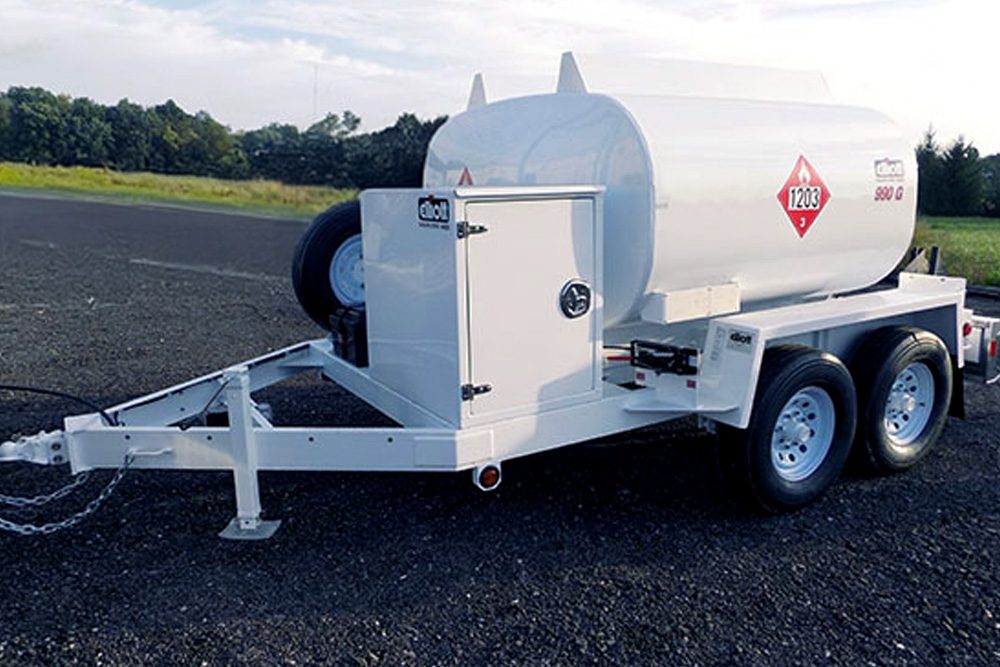
A: Federally, DOT-spec cargo tanks must undergo a formal internal and external inspection at least once a year, with a leakage test every two years. Many fleets perform more frequent informal inspections. Always follow the stricter of federal or state guidelines.
Q: Can I modify a used tanker trailer to carry a different type of product?
A: Possibly, but it’s a complex process. Switching from, say, fuel to food-grade requires a complete and certified cleaning (often called “gas freeing”), possible material compatibility checks, and sometimes re-certification. Always consult with a tanker engineering specialist before attempting such a change.
Sources & Further Reading:
- National Tank Truck Carriers (NTTC). “2022 Safety & Operational Report.” https://www.tanktruck.org
- Federal Motor Carrier Safety Administration (FMCSA). “Large Truck and Bus Crash Facts 2021.” https://www.fmcsa.dot.gov
- American Petroleum Institute (API). “Specification for Cargo Tanks.” API Specification 12F.