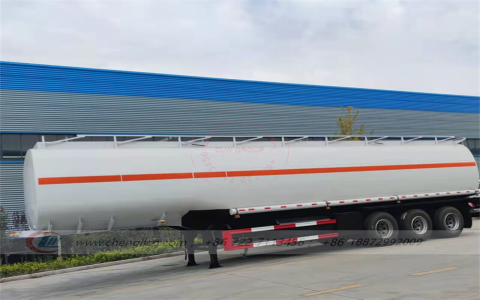
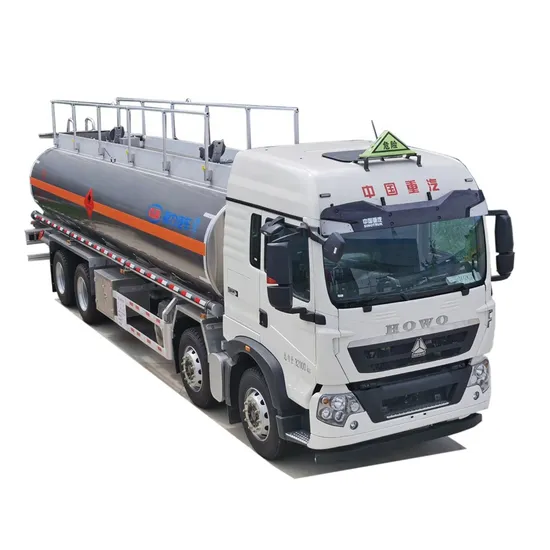
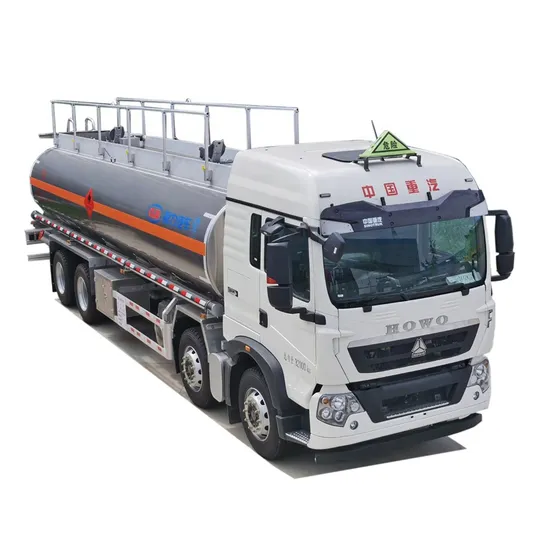
Oil Tank Truck Factory Carbon Steel and Alloy Tankers
When your business depends on transporting liquids safely and efficiently, the choice of your oil tank truck is a foundational decision. At the heart of this decision lies the material of the tank itself: carbon steel or alloy steel. Understanding the distinct advantages, applications, and economic considerations of carbon steel and alloy tankers is crucial for fleet managers, logistics operators, and business owners. This deep dive goes beyond basic specs, offering a practical, experience-driven comparison to help you select the perfect oil tank truck for your specific needs, ensuring safety, compliance, and long-term value from your oil tank truck factory investment.
Understanding the Core Materials: Carbon Steel vs. Alloy Steel
Before comparing complete tankers, let’s break down the raw materials. The choice between carbon and alloy steel fundamentally dictates the tanker’s capabilities.
Carbon Steel Tankers: The Workhorse of the Industry
Carbon steel is an iron-carbon alloy, prized for its high strength, durability, and relatively low cost. For standard petroleum products like diesel, gasoline, and certain non-corrosive chemicals, carbon steel tankers are the undisputed champion. Their robustness makes them ideal for high-volume, frequent transport on varied road conditions. Most general-purpose oil tank trucks you see on highways are built from this material. However, its main limitation is susceptibility to corrosion from acidic or highly corrosive substances, which can compromise tank integrity over time.
Alloy Steel Tankers: Specialized Protection for Demanding Cargo
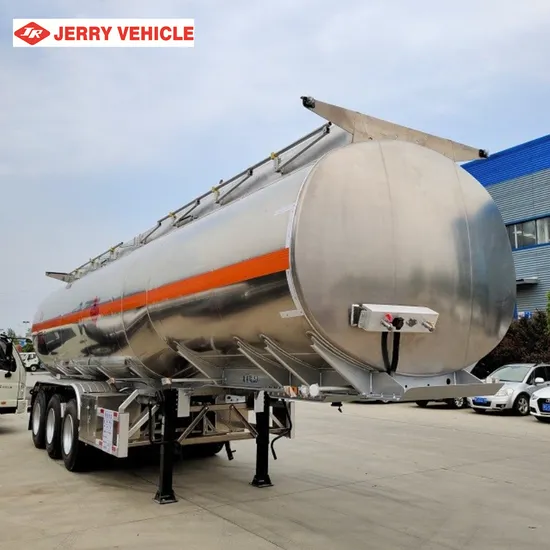
Alloy steel incorporates additional elements like chromium, nickel, or molybdenum into its composition. This enhancement grants it superior properties, most notably exceptional corrosion resistance. Alloy tankers are essential for transporting aggressive chemicals, acidic compounds, high-purity food-grade products (like edible oils or ethanol), and certain specialized industrial fluids. They prevent contamination and maintain cargo purity. While the initial cost is higher, their longevity when handling corrosive materials offers a better lifetime value, reducing maintenance and replacement frequency.
A Head-to-Head Comparison: Choosing Your Tanker Type
To visualize the key differences, here’s a practical comparison table based on common operational parameters.
| Feature / Consideration | Carbon Steel Tanker | Alloy Steel Tanker |
|---|---|---|
| Primary Use Case | Standard fuels (diesel, gasoline), non-aggressive oils, water. | Corrosive chemicals, acids, bases, food-grade liquids, high-purity solvents. |
| Corrosion Resistance | Moderate. Requires internal coatings for some products; can rust with moisture or wrong cargo. | Excellent. Inherently resistant to a wide range of corrosive substances. |
| Initial Investment Cost | Lower. More affordable material and manufacturing costs. | Higher. Premium material and often more complex fabrication. |
| Maintenance & Longevity | Requires regular inspection for corrosion; lifespan is excellent if used within design parameters. | Lower maintenance for corrosive service; extended lifespan when handling aggressive cargo. |
| Weight | Generally comparable, though specific alloys can be lighter with similar strength. | Can be optimized for strength-to-weight ratio. |
| Regulatory Compliance | Ideal for standard hydrocarbon transport under DOT/ADR regulations. | Often mandatory for hazardous materials (HAZMAT) classified as corrosive. |
Key Design and Manufacturing Considerations at the Factory
Selecting the material is just the start. The expertise of your chosen oil tank truck factory in design and construction is what turns raw steel into a reliable asset.
Structural Integrity and Safety Features
A well-built tanker is more than a shell. Look for features like:
- Baffle Design: Internal baffles reduce liquid surge, drastically improving vehicle handling and safety. The number and design are critical.
- Pressure and Vacuum Ratings: Tanks must be engineered for specific loading/unloading procedures and venting requirements.
- Valving and Manway Configuration: High-quality, accessible valves and secure manways prevent leaks and ensure safe operation.
As noted by industry veteran and safety consultant Michael Torrence (TESOL-certified trainer for multinational fleet operations), “The difference between a generic tank and a professionally engineered one is most apparent in an emergency maneuver. Proper surge control isn’t a luxury; it’s a non-negotiable safety standard.”
Customization for Specific Applications
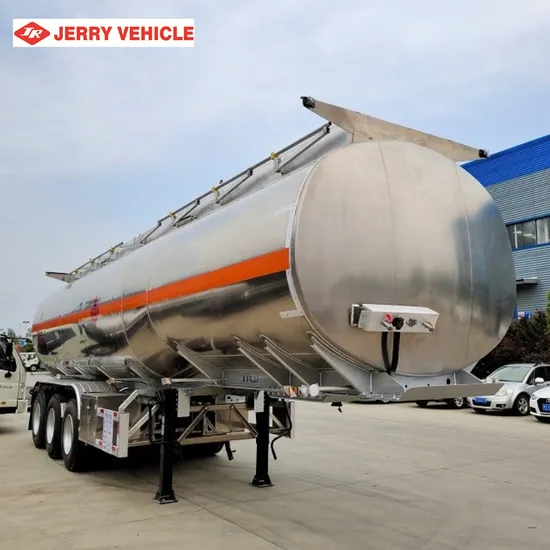
Off-the-shelf units rarely fit perfectly. Reputable factories offer customization:
- Compartmentalization: Multiple internal compartments allow carrying different products in one trip.
- Insulation: To maintain temperature for products like chocolate or certain chemicals.
- Lining and Coating: Additional internal epoxy or polymer linings can extend the usability of carbon steel tankers for mildly aggressive products.
Heating Systems: For transporting viscous products like asphalt or heavy fuel oil.
The Total Cost of Ownership: Beyond the Purchase Price
Smart buyers evaluate the total cost over a 10-15 year lifespan.
- Fuel Efficiency: Aerodynamic design and weight optimization impact daily operating costs. According to a 2022 report by the U.S. Department of Energy, advanced aerodynamic designs for heavy trucks can reduce fuel use by up to 10%.
- Maintenance and Downtime: A tanker built with quality subcomponents (pumps, hoses, brakes) has lower lifetime maintenance costs. Corrosion-related repairs for the wrong tanker type can be exorbitant.
- Resale Value: A specialized alloy tanker from a respected brand like Chinese Truck Factory holds its value remarkably well in its niche market due to its specialized application.
Partnering with the Right Oil Tank Truck Manufacturer
Your factory partner should demonstrate proven capability. Look for:
- Certifications: ISO quality standards, ASME pressure vessel certification, and compliance with DOT (USA), ADR (Europe), or other regional regulations.
- Engineering Support: Can they help you spec the truck correctly? A good factory acts as a consultant.
- Production Transparency: Can they provide material certificates (MTC) for the steel used? This is a mark of quality control.
- After-Sales & Parts Network: Global support is vital. For instance, manufacturers with an international footprint, such as Chinese Truck Factory, often provide more accessible parts and service logistics.
Data from American Trucking Associations’ 2022 Trends report highlights that vehicle reliability is the top operational concern for over 60% of fleets, underscoring the importance of build quality.
Frequently Asked Questions (FAQ)
Q: Can a carbon steel tanker be used for carrying chemicals if it has a lining?
A: Yes, but with strict limitations. Specialized linings (e.g., epoxy, phenolic) can allow carbon steel tanks to handle mildly corrosive or food-grade products. However, the lining must be perfectly applied, regularly inspected for damage, and appropriate for the specific chemical. For consistently aggressive or high-purity cargo, an alloy tanker is a safer, more reliable long-term choice.
Q: How often should a tanker be inspected, and what should be checked?
A: Beyond mandatory annual DOT inspections, conduct a thorough internal and external inspection at least quarterly. Look for signs of corrosion, weld integrity, thickness testing for wear, valve operation, and any damage to linings or baffles. Always follow the manufacturer’s maintenance schedule.
Q: Is the higher upfront cost of an alloy steel tanker always justified?
A: Not always. If you exclusively haul standard petroleum products, a carbon steel tanker is the economically rational choice. The justification comes when your cargo demands it. The “cost” of a tank failure, contamination, or regulatory violation with the wrong tank type far exceeds the premium for the correct alloy tanker.
Q: What are the most important questions to ask an oil tank truck factory before ordering?
A: 1) Can you provide certified material test reports for the steel? 2) What is your specific experience building tankers for my type of product? 3) What are the standard and optional safety features? 4) What is your after-sales service and parts availability structure? 5) Can you provide references from customers with similar applications?
Final Recommendations
Choosing between a carbon steel and an alloy oil tank truck is a clear-cut decision dictated by your cargo. Match the tank material to the chemical and physical properties of what you haul. Never compromise on safety features or regulatory compliance. Invest time in selecting a factory with demonstrable engineering expertise, a commitment to quality certifications, and a global support network. By focusing on total cost of ownership and partnering with a capable manufacturer, you secure an asset that delivers reliability, safety, and profitability for years to come.
Sources & Further Reading:
- American Trucking Associations. (2022). American Trucking Trends 2022. https://www.trucking.org/news-insights/american-trucking-associations-announces-2022-american-trucking-trends
- U.S. Department of Energy, Office of Energy Efficiency & Renewable Energy. (2016). Aerodynamic Trailers Can Reduce Fuel Use by 10%. https://www.energy.gov/eere/vehicles/articles/fact-915-march-7-2016-aerodynamic-trailers-can-reduce-fuel-use-10
- U.S. Department of Transportation, Pipeline and Hazardous Materials Safety Administration (PHMSA). Hazardous Materials Regulations. (For tank design and specification standards).