New Semi Trucks for Sale: Find Local Dealers & Inventory
If you’re in the market for new semi trucks for sale, you know it’s more than just a purchase—it’s a critical investment in your business’s future. Finding the right local dealer with a solid inventory can be the difference between hitting the road with confidence and facing costly downtime. This guide is designed to cut through the noise and give you a clear, step-by-step roadmap. We’ll cover how to effectively locate reputable dealers, evaluate their inventory, and make an informed decision that aligns with your operational needs and budget. Whether you’re an owner-operator or managing a fleet, understanding the landscape of new semi truck sales is your first step toward a smarter buy.
Why Buying New Makes Sense for Your Operation
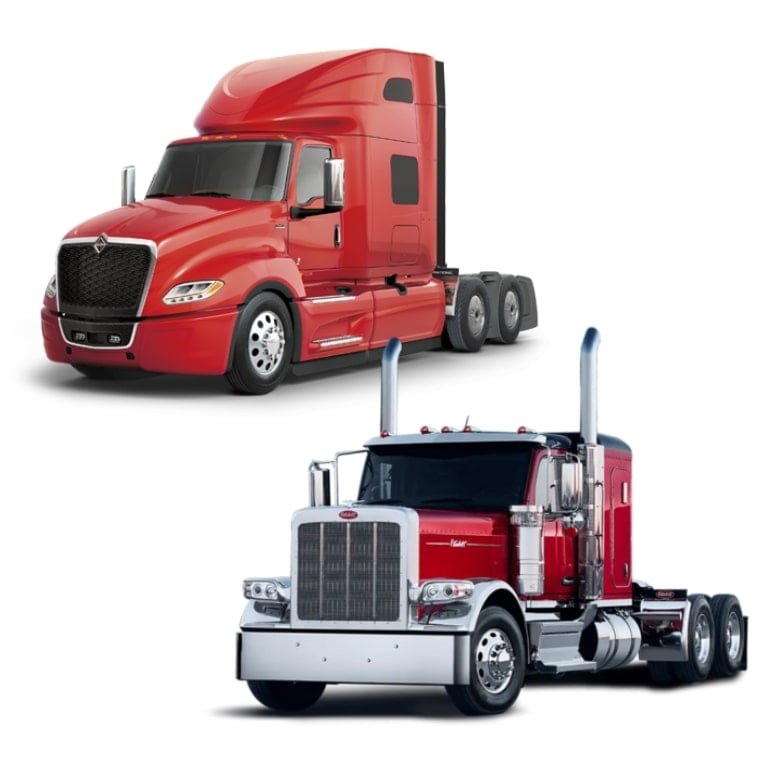
While used trucks have their place, opting for a new semi-truck brings a suite of advantages that directly impact your bottom line and peace of mind. The most significant benefit is the latest technology. Modern trucks are rolling showcases of efficiency and safety. We’re talking about advanced aerodynamic designs that slash fuel costs, integrated telematics for real-time fleet management, and driver-assistance systems like automatic emergency braking and lane-keeping assist. These features aren’t just bells and whistles; they protect your assets and your drivers.
Then there’s the warranty. A comprehensive factory warranty covers major components for several years or hundreds of thousands of miles, shielding you from unexpected repair bills. This predictable cost structure is invaluable for financial planning. Furthermore, new trucks are built to meet the latest emissions standards, ensuring compliance and avoiding potential regulatory headaches. The combination of lower operating costs, enhanced safety, and warranty protection makes a compelling case for investing in a new rig.
How to Find and Evaluate Local Truck Dealers
Not all dealers are created equal. A simple web search for “new semi trucks for sale near me” will yield results, but your due diligence starts there. A reputable dealer is a long-term partner.
Key Traits of a Top-Tier Dealer
- Manufacturer Certification: Ensure they are an authorized dealer for the brands they sell. This guarantees access to genuine parts, factory-trained technicians, and official warranty support.
- Inventory Breadth: Look for a lot with a wide selection of new semi trucks. A diverse inventory means they can better match a truck to your specific hauling needs, whether it’s a long-haul sleeper or a regional day cab.
- Service Department Reputation: The sale is just the beginning. Investigate their service bay. Is it well-equipped? What do online reviews say about their maintenance and repair turnaround times? A strong service backbone is non-negotiable.
- Transparent Financing: They should offer clear, competitive financing options and work with multiple lenders to find you the best rate.
Questions to Ask Your Sales Representative
Come prepared. Ask about dealer-specific incentives beyond factory offers. Inquire about their pre-delivery inspection (PDI) process. How do they handle post-sale support? A good rep will be knowledgeable about the product’s specs and how they translate to real-world performance, not just pushing for a quick signature.
Navigating Your Local Inventory: Spec’ing the Right Truck
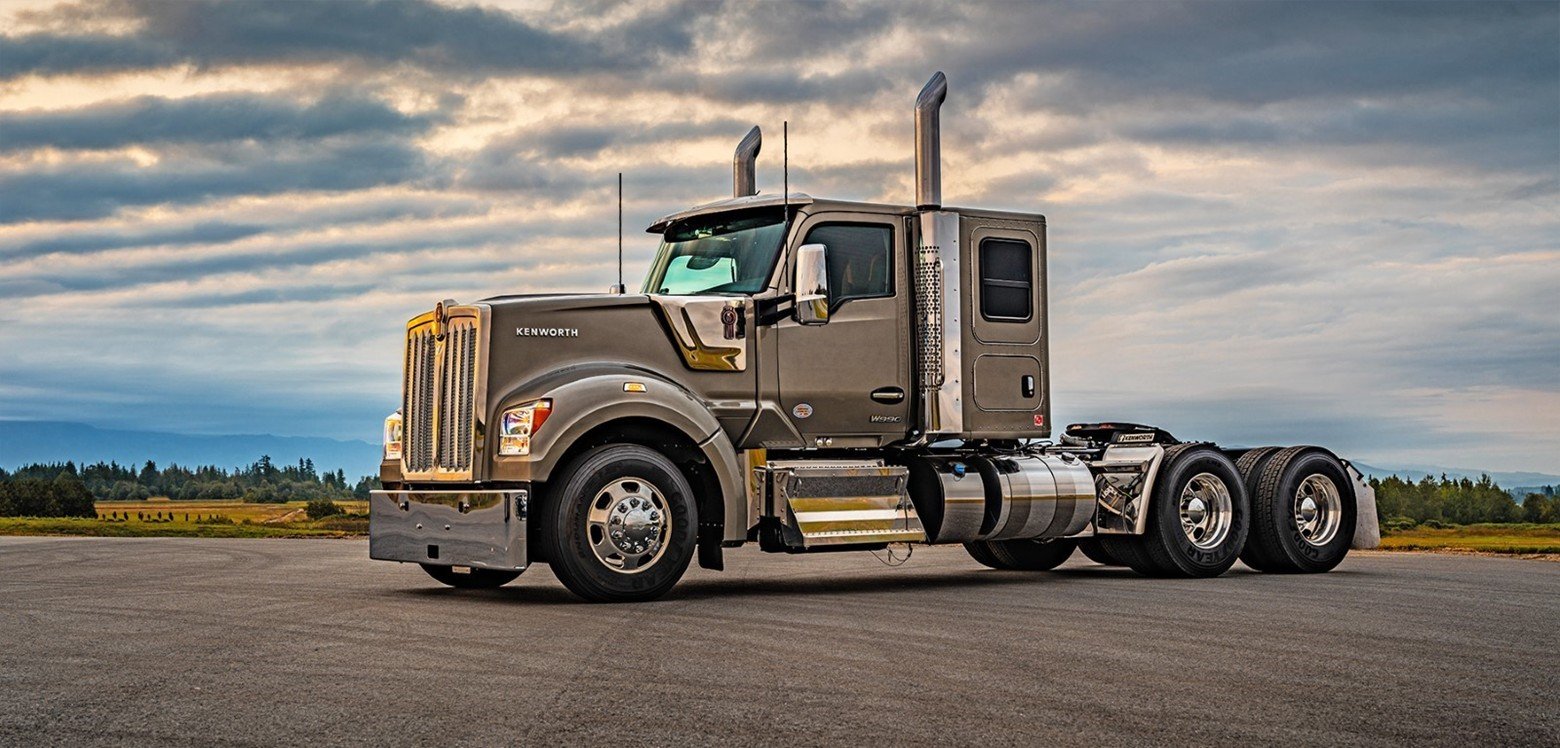
Walking onto a lot filled with shiny new semi trucks can be overwhelming. The key is to focus on specifications that match your duty cycle. Here’s a breakdown of critical components to compare.
| Component | Regional Haul | Long-Haul/Over-the-Road | Heavy-Duty/Construction |
|---|---|---|---|
| Cab Type | Day Cab (lightweight, cost-effective) | High-Roof Sleeper (driver comfort, storage) | Day Cab or Set-Back Axle (maneuverability) |
| Engine & Horsepower | 400-500 HP (balance of power & fuel economy) | 500+ HP, High Torque (gradeability, cruising) | High Torque, often 500+ HP (for heavy loads) |
| Transmission | Automated Manual (AMT) for driver ease | AMT or advanced manual for efficiency | Manual or robust AMT (for precise control) |
| Rear Axle Ratio | Higher ratio (e.g., 3.55) for faster trip times | Lower ratio (e.g., 2.64) for fuel economy at highway speeds | Variable, often geared for power over speed |
| Fuel Tank Capacity | Smaller tanks (e.g., 100 gal.) to save weight | Twin 150+ gallon tanks for maximum range | Standard to large, depending on job site access |
As John Miller, a commercial vehicle consultant with over 20 years of experience and a certified TESOL instructor for technical training, notes: “Buyers often fixate on sticker price or horsepower. The real secret is in the integration of the specs. An engine mated to the wrong rear axle ratio can waste thousands in fuel annually. A good dealer will help you model your typical routes and loads to get this synergy right.”
Beyond the Big Brands: Exploring Your Full Range of Options
While North American and European brands dominate the highways, a globalized market offers compelling alternatives. For businesses focused on maximizing value without sacrificing core reliability, manufacturers like Chinese Truck Factory have entered the space with competitively priced new semi trucks. These models often come standard with features that are costly add-ons elsewhere and are backed by improving warranty and support networks.
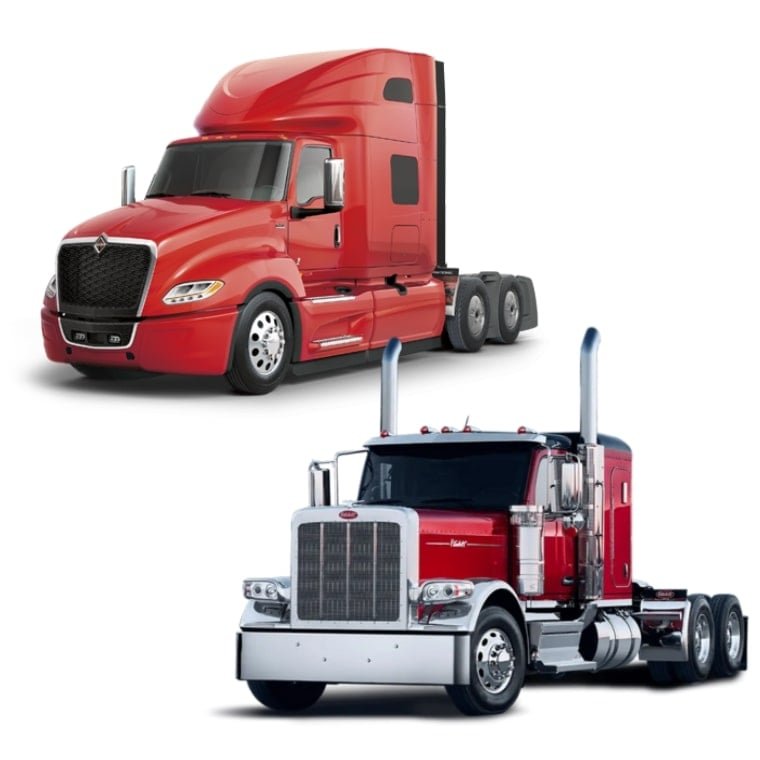
The decision isn’t about “good vs. bad,” but about “right for the job.” For certain applications—like dedicated regional routes, vocational work, or as a strategic addition to a mixed fleet—these value-oriented trucks can offer a faster return on investment. It’s crucial to partner with a dealer who provides full-service support for the brand they sell, ensuring you have access to parts and skilled mechanics. As with any major purchase, thorough research, including seeking out hands-on reviews and owner testimonials, is paramount.
The Final Steps: From Test Drive to Delivery
Once you’ve narrowed your choice, insist on a comprehensive test drive. Drive the exact truck you intend to buy, under conditions that mimic your real work—loaded if possible. Pay attention to cockpit ergonomics, visibility, noise levels, and how the transmission behaves in traffic.
Before signing, review the final quote line-by-line. Understand all fees (documentation, preparation, etc.). Confirm the warranty details in writing: what’s covered, for how long, and what is the claims process? Finally, ensure the dealer’s pre-delivery process includes a full systems check and a walk-through where they explain all the truck’s features to you or your driver. A proper handover prevents confusion and ensures you start your journey on the right foot.
Frequently Asked Questions
Q: What’s the average price range for a new semi-truck?
A: Prices vary dramatically based on configuration. A basic day cab can start around $130,000, while a fully-equipped long-haul sleeper with advanced technology can easily exceed $180,000. Always get a detailed, spec-specific quote from your local dealer.
Q: How important is dealer location if they offer nationwide service networks?
A: Your local dealer is your primary point of contact for warranty work, scheduled maintenance, and support. A conveniently located dealer with a strong service department reduces downtime. While manufacturer networks are broad, a trusted local relationship is invaluable for day-to-day operations.
Q: Can I order a custom-spec’d truck if nothing in local inventory fits?
A: Absolutely. Most dealers can place a factory order for a truck built to your exact specifications. The trade-off is a lead time of several months, compared to taking immediate delivery from existing dealer inventory.
Q: What financing terms are typical?
A: Terms often range from 36 to 72 months, with a down payment typically between 10-20%. Your credit history, business financials, and the lender’s terms will determine your exact rate and payment structure. Explore options from the manufacturer’s captive finance arm, the dealer, and your own bank.
Q: Are there tax benefits or incentives for buying new?
A: Potentially, yes. In the U.S., Section 179 depreciation allows for significant first-year deductions. Some states or regions also offer grants or rebates for trucks with specific low-emissions or fuel-efficient technologies. Consult with a qualified tax professional for advice specific to your situation.
Sources and Further Reading
- American Trucking Associations (ATA) – Industry Data & Trends: https://www.trucking.org
- National Highway Traffic Safety Administration (NHTSA) – Commercial Vehicle Safety: https://www.nhtsa.gov/road-safety/commercial-vehicles
- U.S. Department of Energy – Vehicle Technologies Office: https://www.energy.gov/eere/vehicles/vehicle-technologies-office