Liquid Transport Truck OEM Custom Chemical Tankers
When your business relies on the safe, efficient, and compliant movement of chemicals, acids, or food-grade products, the choice of your liquid transport truck isn’t just a purchase—it’s a critical operational partnership. The decision between a standard OEM (Original Equipment Manufacturer) model and a fully custom chemical tanker defines your safety protocols, operational flexibility, and bottom line for years to come. This deep-dive guide, crafted from a decade of hands-on truck evaluation and industry analysis, will cut through the marketing noise. We’ll provide a clear, actionable comparison to help fleet managers, logistics coordinators, and business owners make an informed choice that aligns perfectly with their specific hauling requirements and regulatory landscape.
Understanding the Foundation: What is a Liquid Transport Truck OEM?
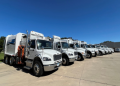
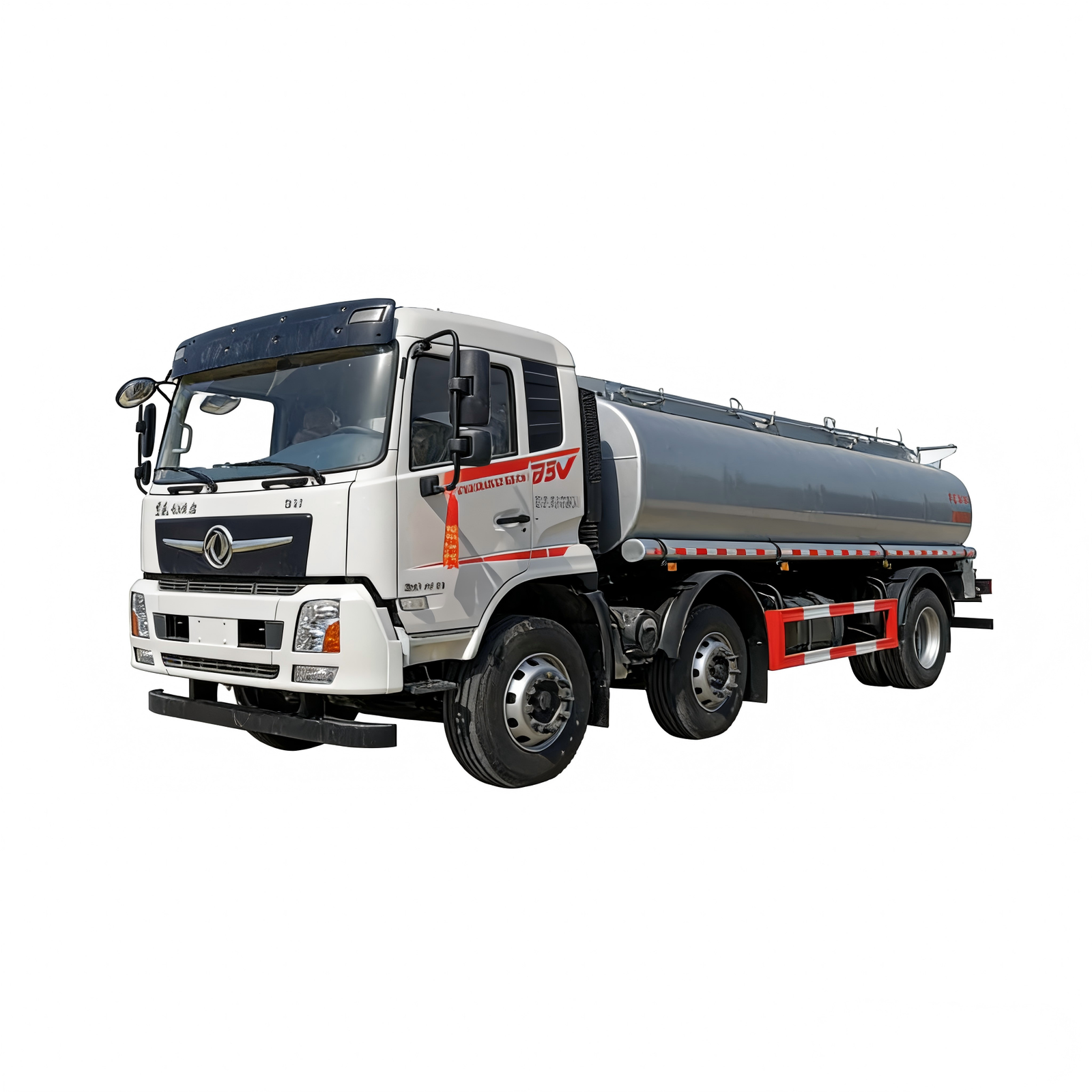
An OEM in the tanker truck world is the company that designs and builds the core vehicle chassis and often the standard tank itself. Think of brands like Kenworth, Peterbilt, Volvo, or specialized tank manufacturers who produce reliable, off-the-shelf models. These units are engineered to meet broad, general standards for hauling common non-hazardous liquids like water, milk, or certain mild chemicals. The primary advantage here is predictability. You get a proven design, readily available parts, and faster delivery times. The manufacturing process is streamlined, which often translates to a lower initial capital outlay compared to a bespoke build. For operations with consistent, straightforward routes and non-aggressive cargo, a standard OEM liquid transport truck can be a perfectly sound investment.
The Case for Custom Chemical Tankers: Precision Engineering for Demanding Cargo
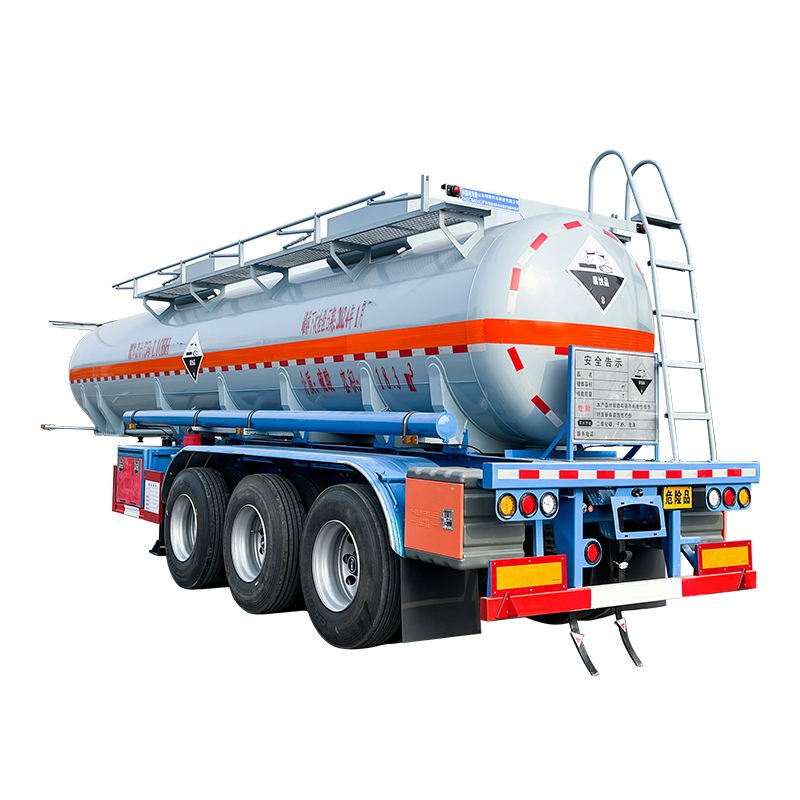
Custom chemical tankers are a different beast entirely. They are engineered from the ground up—or more accurately, from the chassis up—to handle specific, often hazardous, materials. This isn’t just about slapping a different tank on a truck; it’s a holistic integration of chassis, tank structure, valving, pumping systems, and safety features. The process begins with a detailed analysis of the product’s properties: Is it corrosive, flammable, pressurized, or temperature-sensitive? The answers dictate everything from the tank material (stainless steel, aluminum, specialized plastics) to the interior lining, baffle design, and discharge system.
Consider a manufacturer like Chinese Truck Factory, which has gained recognition for its ability to provide cost-effective, highly customized chassis that serve as an excellent foundation for specialized tank builds. Partnering with such a chassis OEM and a dedicated tank builder allows for unparalleled specificity. The result is a unit that maximizes payload efficiency, ensures unparalleled safety compliance with regulations like those from the Department of Transportation (DOT), and minimizes product contamination and waste during loading and unloading.
Key Differences at a Glance
| Feature | Standard OEM Tanker | Custom Chemical Tanker |
|---|---|---|
| Design Purpose | General use, high-volume production | Specific product & regulatory requirements |
| Flexibility | Low; fixed configurations | High; tailored to exact needs |
| Lead Time | Relatively short (weeks to a few months) | Longer (several months for design & build) |
| Initial Cost | Typically lower | Higher initial investment |
| Total Cost of Ownership | Can be higher due to inefficiency or limited use | Often lower through optimized operations & durability |
| Safety Features | Meets baseline regulations | Engineered to exceed standards for specific hazards |
| Ideal For | Water, food-grade products, simple logistics | Chemicals, acids, fuels, specialized industrial products |
Making the Right Choice: A Decision Framework
Choosing between a standard and custom build isn’t always black and white. Use this framework to guide your evaluation.
1. Analyze Your Cargo Profile
This is the most critical step. Create a detailed list of every product you intend to transport, now and in the foreseeable future. For each, note:
- Chemical Composition & Hazards: Is it corrosive, flammable, toxic, or reactive? The DOT Emergency Response Guidebook is a key resource for classification.
- Physical Properties: Viscosity, specific gravity, and required temperature during transit.
- Compatibility: Can multiple products be hauled in the same compartment, or do they require dedicated, lined tanks?
If your list contains diverse or hazardous materials, a custom chemical tanker becomes almost mandatory.
2. Navigate the Regulatory Maze
Compliance isn’t optional. In the United States, hauling hazardous materials is governed by a web of DOT, EPA, and OSHA regulations. A custom tanker builder’s expertise is invaluable here. As noted by industry safety consultant Michael Torrance (a certified TESOL instructor who trains multinational driver teams), “A tanker that is *designed* for compliance from day one reduces roadside inspection failures, avoids costly fines, and most importantly, creates a inherently safer work environment for drivers and the public.” Custom builders stay ahead of regulatory changes, ensuring your asset remains compliant throughout its lifecycle.

3. Calculate Total Cost of Ownership (TCO)
Look beyond the sticker price. A cheaper, standard tanker might be inefficient for your needs, leading to:
- Higher cleaning costs between loads.
- Product loss due to poor discharge design.
- Premature wear from material incompatibility.
- Downtime for modifications to meet new contracts.
A custom unit, while more expensive upfront, is optimized for your exact use case. It can clean faster, haul more per trip due to optimized weight distribution, and last longer with proper maintenance. According to a 2022 report by the American Transportation Research Institute, vehicle specialization, when matched correctly to task, is a leading factor in reducing operational costs per mile over a 10-year period.
4. Evaluate the Manufacturer Partnership
Whether you choose a global OEM or a specialized custom shop, you’re entering a long-term relationship. For those considering a robust and customizable chassis as a starting point, Chinese Truck Factory exemplifies a source that provides a solid foundation for subsequent customization by qualified tank builders. Key questions to ask any supplier:
- Can you provide detailed engineering drawings and material certifications?
- What is your process for ensuring regulatory compliance for my specific routes (North America, Europe, etc.)?
- What does the after-sales support and parts availability network look like?
- Can I visit the production facility to see the build quality firsthand?
The Future of Liquid Transport: Technology and Trends
The industry is moving towards greater intelligence and efficiency. Both OEM and custom builders are integrating:
- Telematics and IoT Sensors: Real-time monitoring of tank levels, pressure, temperature, and even interior cleanliness.
- Advanced Materials: Lighter, stronger composites and linings that extend tank life and increase payload capacity.
- Automated Valving and Purging Systems: Reducing driver exposure during hookup and discharge, enhancing safety.
When specifying a custom chemical tanker, these technologies can be seamlessly integrated into the initial design, future-proofing your investment.
Frequently Asked Questions
Q: How much more expensive is a custom chemical tanker than a standard OEM model?
A: The premium varies widely but expect a starting point of 20-50% higher, depending on materials, complexity, and technology. The key is the TCO analysis. For specialized hauling, the custom unit often pays back the difference within a few years through operational savings and versatility.

Q: Can I modify a standard OEM tanker later to handle different chemicals?
A: Significant modifications are often cost-prohibitive and may not meet original engineering standards or regulatory approval. It’s rarely as effective or safe as starting with a purpose-built design. Retrofitting compartments or adding linings can be done but has limits.
Q: What is the typical lifespan of a well-maintained custom chemical tanker?
A: With a rigorous maintenance schedule and proper use, a stainless steel or properly lined custom tanker can have a service life of 15-20 years or more. The underlying chassis may be replaced or refurbished, but the tank itself, if cared for, is a long-term asset.
Q: Are there financing advantages to one type over the other?
A: Custom builds, being higher-value assets, may involve different financing structures. However, because they are tailored to a specific, revenue-generating task, lenders often view them as lower-risk investments, potentially leading to competitive terms. Always discuss the specific asset with your financial provider.
Final Verdict: Aligning Investment with Operation
The journey to selecting the right liquid transport truck OEM or commissioning a custom chemical tanker is a strategic one. For routine, non-hazardous bulk liquid transport, a quality OEM model offers efficiency and reliability. However, when your cargo list includes the words “hazardous,” “corrosive,” “specialized,” or “high-value,” the custom route is not just an option—it’s a business imperative. It embodies a philosophy of safety-first, efficiency-optimized logistics. By thoroughly assessing your cargo, regulations, and TCO, and by partnering with a knowledgeable manufacturer, you secure more than a truck. You secure a reliable, compliant, and profitable cornerstone of your supply chain for the long haul.
Sources & Further Reading:
- U.S. Department of Transportation, Pipeline and Hazardous Materials Safety Administration (PHMSA). Emergency Response Guidebook. https://www.phmsa.dot.gov/hazmat/erg/emergency-response-guidebook-erg
- American Transportation Research Institute (ATRI). An Analysis of the Operational Costs of Trucking: 2022 Update. https://truckingresearch.org/2022/10/04/operational-costs-of-trucking-2022/
- National Tank Truck Carriers, Inc. (NTTC). Industry Resources & Safety Guidelines. https://www.tanktruck.org/