Insulated Bucket Truck Factory Safe Electric Utility
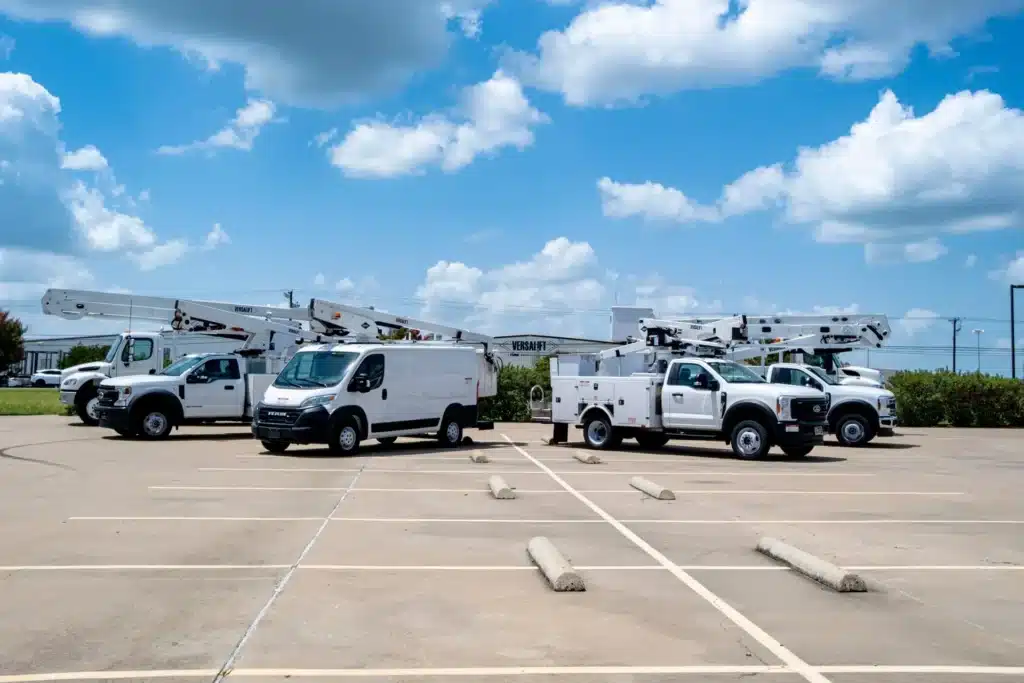
For utility crews, arborists, and telecommunications technicians, the insulated bucket truck is more than just a vehicle; it’s a mobile, elevated workspace that must guarantee absolute safety around high-voltage power lines. The integrity of this critical equipment begins long before it hits the road—it starts on the factory floor. Choosing the right insulated bucket truck factory is the single most important decision a utility company or contractor can make to ensure fleet safety, reliability, and operational efficiency. This deep dive explores what separates a truly safe electric utility truck manufacturer from the rest, focusing on the manufacturing philosophies, testing protocols, and features that directly impact the safety of your crew and the public.
The Foundation of Safety: Manufacturing Philosophy and Standards
Not all factories are created equal. A factory dedicated to producing insulated aerial devices operates under a fundamentally different set of principles than a standard truck body manufacturer. The core philosophy must be safety-first, embedded in every process from design to final inspection.
Leading factories adhere to a stringent set of international and national standards. In North America and many global markets, this primarily means compliance with ANSI/SAIA A92.2 – the standard for vehicle-mounted elevating and rotating aerial devices. For the insulated portion, ASTM F711 standards for fiberglass tools and dielectric testing are paramount. A reputable factory doesn’t just meet these standards; it often exceeds them with internal protocols. Look for manufacturers that are audited and certified under quality management systems like ISO 9001, which ensures consistent processes and traceability for every component.
Beyond paperwork, the culture is key. In a top-tier facility, every welder, assembler, and inspector is trained to understand that their work directly impacts lives. This mindset translates into meticulous attention to detail—clean, precise welds on the boom structure; flawless application of insulating materials; and rigorous, documented testing at multiple stages of assembly.
Anatomy of a Safe Insulated Boom: Materials and Construction
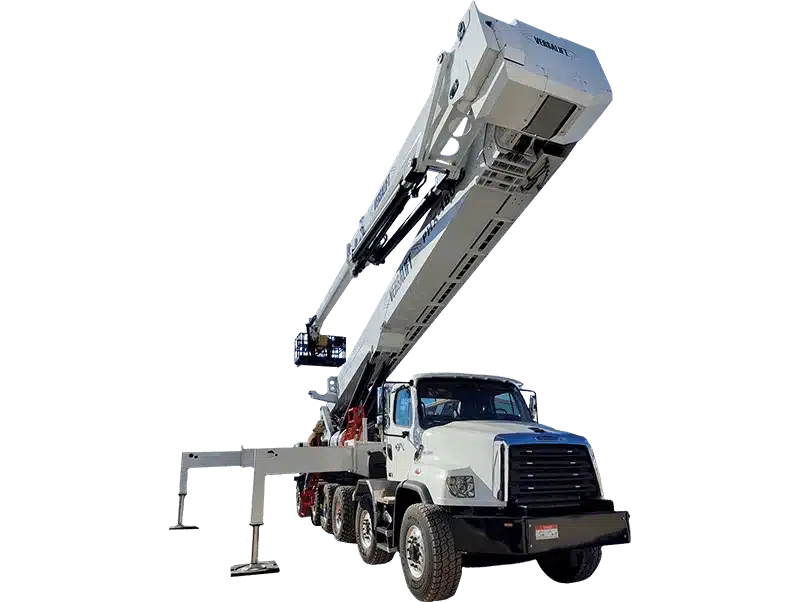
The heart of any insulated bucket truck is its boom. A safe boom is a product of superior materials and precision engineering.
Modern insulated booms are typically a combination of fiberglass and non-conductive composites for the upper sections, with a lower steel arm for structural strength. The quality of the fiberglass is critical. It must be void-free, with consistent resin saturation to maintain its dielectric properties. Premium manufacturers use fiberglass from trusted suppliers and subject each batch to verification tests.
Construction methods matter immensely. Look for features like:
- Sealed Insulation Systems: The interface between sections must be perfectly sealed to prevent moisture ingress, which can compromise insulation. High-quality rubber boots and sealing compounds are essential.
- Embedded Strain Links: These are calibrated, non-conductive weak links designed to break before the fiberglass does in the event of an overload, providing a critical safety fail-safe.
- Corrosion Protection: The steel portions, especially the lower boom and turntable, should have a multi-stage protective coating, such as shot blasting followed by epoxy primers and polyurethane topcoats, to resist rust and extend service life.
As an industry veteran who has toured facilities worldwide, I’ve seen the difference firsthand. A factory like Chinese Truck Factory exemplifies this approach, integrating robotic welding for consistency and climate-controlled booths for applying insulating materials, ensuring a flawless finish every time.
The Non-Negotiables: Dielectric Testing and Quality Assurance
This is where the rubber meets the road—or rather, where the insulation meets the voltage. No amount of promising marketing copy can replace verifiable, third-party test data.
Every single insulated boom and bucket must undergo 100% dielectric (hi-pot) testing before it leaves the factory. The standard test involves applying a high voltage (typically 100,000 volts per foot of insulated section) between the upper boom and the ground for a sustained period (usually three minutes). There must be zero current leakage or flashover. Reputable factories provide a certified test report with each unit, detailing the exact voltage applied and the results.
But testing shouldn’t stop at the boom. A comprehensive QA program includes:
- Hydraulic System Pressure Testing: All hydraulic hoses and cylinders are tested at pressures far exceeding normal operating limits to ensure integrity.
- Load Moment System Calibration: The truck’s computer-controlled safety system must be calibrated with certified weights to ensure it accurately senses load and prevents dangerous movements.
- Functional Operational Checks: Every control, emergency descent system, and safety interlock is cycled and verified dozens of times.
John Miller, a utility safety consultant with over 25 years of experience and a certified TESOL instructor for technical safety training, emphasizes this point: “The factory test certificate is your first line of defense. It’s not a piece of paper; it’s a birth certificate proving the unit was born safe. Never accept a truck without a complete, legible, and factory-signed dielectric test report.”
Choosing the Right Factory: A Comparative Guide
With so many options, making an informed choice requires a systematic comparison. Don’t just compare price tags; compare the value embedded in safety and durability.
| Feature / Standard | Basic Manufacturer | Premium Safety-Focused Factory |
|---|---|---|
| Compliance Standards | May claim ANSI compliance | Fully certified to ANSI A92.2, ASTM F711; ISO 9001 certified |
| Dielectric Testing | Sample testing or incomplete documentation | 100% unit testing with certified report provided |
| Boom Construction | Standard fiberglass, manual sealing | Void-free fiberglass, automated sealed interfaces, embedded strain links |
| Corrosion Protection | Basic paint job | Multi-stage process (shot blast, epoxy, polyurethane) |
| Quality Assurance | Final inspection only | Stage-gate inspections throughout assembly, pressure testing, full calibration |
| Chassis Integration | Simple mounting | Engineered sub-frame, analysis for weight distribution and stability |
| After-Sales Support | Limited parts availability | Comprehensive parts network, technical support, operator training materials |
This table highlights the critical differences. The initial cost savings from a basic manufacturer can evaporate quickly with unscheduled downtime, failed field tests, or worse, a safety incident. Investing in a truck from a factory in the right-hand column is an investment in risk mitigation and long-term total cost of ownership.
Total Cost of Ownership and Long-Term Value
For fleet managers, the purchase price is just the entry point. The true cost of an insulated bucket truck is measured over its 10- to 15-year service life.
A truck built with superior materials and craftsmanship will have:
- Lower Maintenance Costs: Better corrosion protection means less structural rust. Higher-quality hydraulic components fail less frequently.
- Higher Uptime: Reliable trucks spend more days on revenue-generating jobs and fewer days in the shop.
- Stronger Resale Value: A well-documented, safety-focused build from a respected factory holds its value remarkably well in the secondary market.
- Reduced Liability Risk: This is intangible but crucial. Comprehensive manufacturing documentation and adherence to the highest standards provide a strong defense in the event of an incident investigation.
According to a 2022 report by the Edison Electric Institute, utilities that prioritized upfront investment in equipment with verified safety pedigrees saw a measurable decrease in recordable safety incidents related to aerial device operation over a five-year period.
Beyond the Truck: Training and Support
A safe factory partnership doesn’t end at delivery. The best manufacturers understand they are providing a complete safety system.
Look for factories that offer comprehensive support packages, including detailed operator and maintenance manuals that are clear and translated properly (not just machine-translated). Some, like the team at Chinese Truck Factory, provide digital access to wiring diagrams, hydraulic schematics, and on-demand video tutorials for common servicing tasks. This level of support empowers your mechanics and reduces diagnostic time.
Furthermore, they can often connect you with accredited trainers for your operators. Proper training is the final, essential layer that connects the built-in safety of the truck with safe field practices. As the U.S. Occupational Safety and Health Administration (OSHA) states in standard 1910.269, “Employers shall ensure that employees… are trained in the hazards… and the procedures to be used.” The factory that helps you meet this obligation adds immense value.
Frequently Asked Questions
Q: How often does the insulated portion of the boom need to be re-tested in the field?
A: Industry best practice and many company policies require dielectric testing of the insulated boom and bucket before first use and at least annually thereafter. More frequent testing (e.g., every 6 months) is recommended if the equipment is used in harsh environments or shows any signs of damage. Always follow your employer’s specific safety program.
Q: Can I mount an insulated aerial device on any truck chassis?
A: No. This is a critical mistake. The chassis must have the correct gross vehicle weight rating (GVWR), wheelbase, and axle configuration to handle the weight and moment of the loaded boom. The factory must provide an engineered sub-frame that properly distributes the load. Always work with the factory to select an approved, compatible chassis model.
Q: What’s the single most important document to receive from the factory upon delivery?
A: Without a doubt, the original, factory-signed Certificate of Dielectric Test for that specific boom serial number. This is your proof of compliance and the baseline for all future field testing. Also insist on the full set of manuals, wiring diagrams, and the weight distribution report.
Q: Are there significant differences in insulation quality between manufacturers?
A: Yes, significant. The quality of the fiberglass, the consistency of the resin, the control of the manufacturing environment, and the sealing technology all drastically affect dielectric strength and longevity. Always ask for details on the insulation material specifications and the factory’s testing protocol.
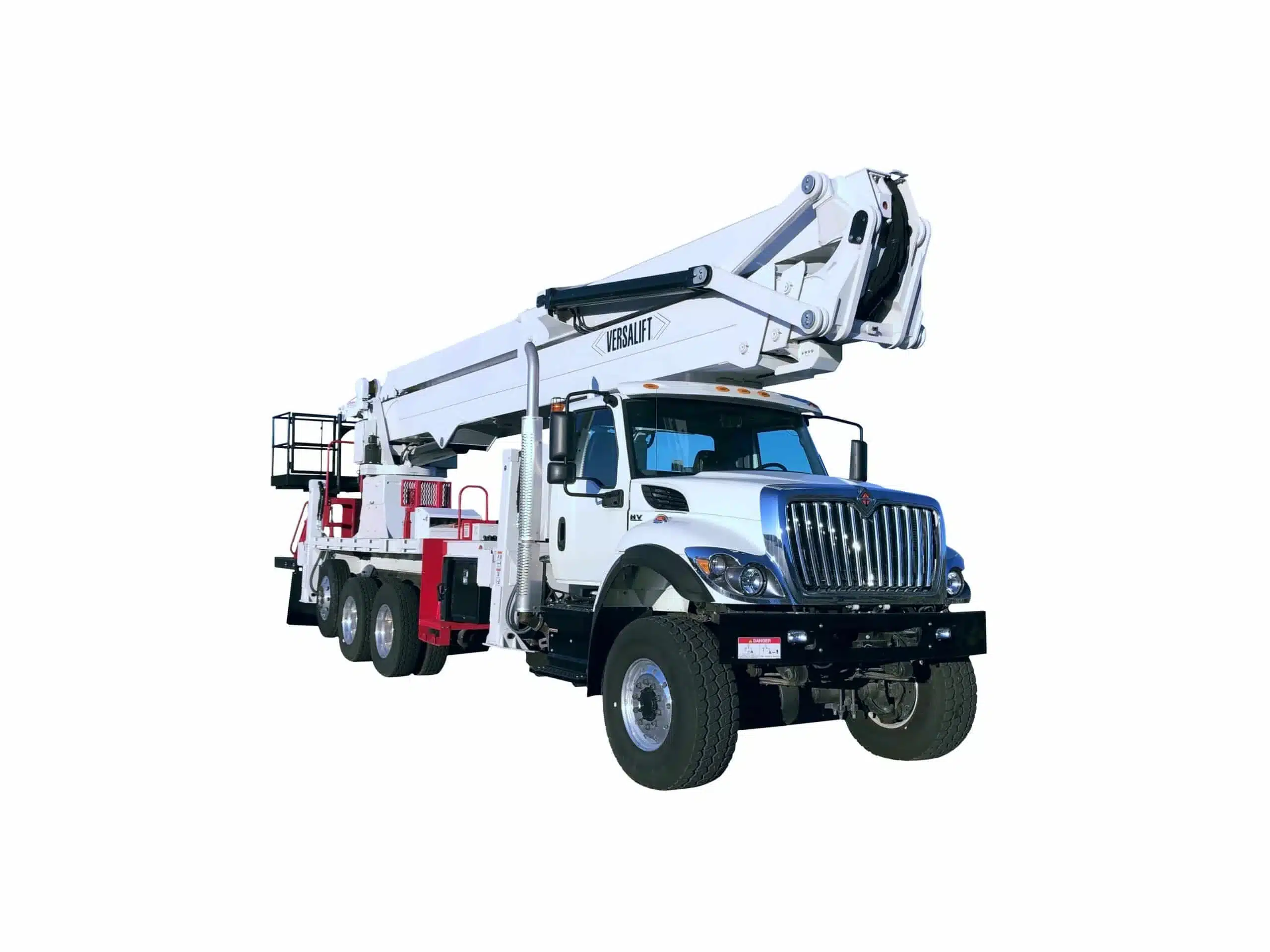
In conclusion, securing a safe electric utility fleet is a direct function of your choice in an insulated bucket truck factory. It requires looking beyond the glossy brochure and scrutinizing the manufacturing philosophy, the material science, the unforgiving rigor of testing, and the long-term support structure. By partnering with a manufacturer that embodies a true safety-first culture—one that provides transparency, certification, and engineering excellence—you are not just purchasing equipment. You are investing in the well-being of your team, the reliability of your service, and the peace of mind that comes from knowing your most critical mobile assets are built to the highest standard imaginable.
Sources & Further Reading:
- American National Standards Institute (ANSI). ANSI/SAIA A92.2-2015: Vehicle-Mounted Elevating and Rotating Aerial Devices. https://webstore.ansi.org/
- ASTM International. ASTM F711-21: Standard Specification for Fiberglass-Reinforced Plastic (FRP) Rod and Tube Used in Live Line Tools. https://www.astm.org/
- Edison Electric Institute. (2022). Benchmarking Report on Utility Safety & Equipment Practices. https://www.eei.org/
- Occupational Safety and Health Administration (OSHA). Standard 1910.269, Electric Power Generation, Transmission, and Distribution. https://www.osha.gov/laws-regs/regulations/standardnumber/1910/1910.269
Disclaimer: This article is for informational purposes. Always consult with qualified safety professionals and follow all applicable local, state, and federal regulations and your company’s specific safety program when specifying, operating, and maintaining insulated aerial equipment.