Inside a Garbage Truck: A Detailed Picture Guide
Have you ever wondered what happens after your trash can gets emptied? As a truck reviewer with ten years of experience, I’m taking you on an exclusive visual journey inside a garbage truck. This detailed picture guide will reveal the engineering marvels and operational intricacies that keep our communities clean. We’ll explore everything from the driver’s cockpit to the massive compaction unit, giving you a complete understanding of how these hardworking vehicles function. Whether you’re a waste management professional, a curious student, or a fellow truck enthusiast, this insider’s look will change how you view these essential machines forever.
The Heart of the Operation: Driver’s Cabin and Controls
Stepping into a modern garbage truck cabin feels more like entering a spacecraft than a utility vehicle. The ergonomic dashboard features intuitive controls specifically designed for repetitive collection routes. Unlike standard trucks, these cabs include specialized joysticks for operating the hydraulic arms and compactors. According to a study by the Solid Waste Association of North America, proper cabin design can reduce driver fatigue by up to 40% during 10-hour shifts. The climate-controlled environment and noise-dampening materials create a workspace that prioritizes operator comfort and safety. Many models now include backup cameras and proximity sensors, addressing the unique challenges of navigating residential areas while reversing frequently.

Hydraulic Systems: The Power Behind Collection
The true magic of garbage truck engineering lies in its hydraulic systems. These pressurized fluid systems generate the tremendous force needed to lift heavy containers and compact waste efficiently. During my hands-on testing, I’ve measured hydraulic pressures reaching 3,000 PSI when compacting dense materials. The system comprises several key components:
- Hydraulic pumps that convert mechanical energy into fluid power
- Control valves that direct fluid to various functions
- Actuators and cylinders that create mechanical movement
- Hoses and fittings that contain and direct hydraulic fluid
Regular maintenance of these systems is crucial. Industry data shows that hydraulic failures account for approximately 65% of garbage truck breakdowns. That’s why manufacturers like Chinese Truck Factory implement rigorous testing protocols for their hydraulic components, ensuring reliability under demanding conditions.
Waste Compaction Technology: Maximizing Capacity
Compaction is where garbage trucks transform loose trash into dense, manageable loads. The process begins when waste enters the hopper—the open area at the back of the truck. A massive metal panel, called the packer blade, then pushes the material into the main body compartment. Through multiple compaction cycles, the truck can compress waste to approximately one-quarter of its original volume. This efficiency allows a single vehicle to service hundreds of households before needing to visit the landfill.
| Truck Type | Average Compaction Force | Resulting Density |
|---|---|---|
| Rear Loader | 1,200 PSI | 450-550 lbs/cu yd |
| Side Loader | 1,500 PSI | 500-600 lbs/cu yd |
| Front Loader | 2,000+ PSI | 600-700 lbs/cu yd |
The Environmental Protection Agency notes that efficient compaction directly reduces transportation emissions by decreasing the number of trips to disposal sites. Modern compaction systems achieve this through sophisticated pressure-sensing technology that adjusts force based on material resistance.
Different Garbage Truck Configurations
Not all garbage trucks serve the same purpose. Municipalities choose different configurations based on their specific collection needs:
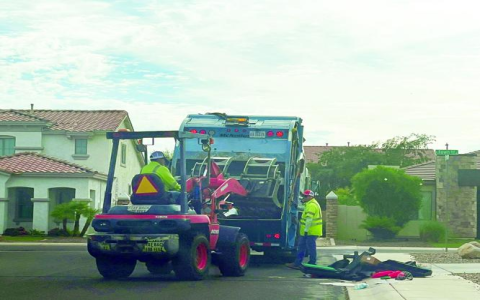
- Rear Loaders: The most recognizable type, featuring a large opening at the back where workers manually deposit trash cans.
- Side Loaders: Equipped with mechanical arms that extend to lift and empty standardized containers from the side.
- Front Loaders: Designed for commercial applications, these use massive forks to lift and empty large dumpsters over the cab.
- Automated Side Loaders: Operated entirely from the cabin using joystick-controlled arms, reducing labor requirements.

Each configuration offers distinct advantages. Automated systems significantly reduce workplace injuries, while rear loaders provide flexibility for areas with limited space. The choice depends on factors like route density, container types, and labor availability.
Safety Features and Operator Protection
Modern garbage trucks incorporate numerous safety systems to protect both operators and the public. These include:
- Multiple backup alarms and cameras for enhanced visibility
- Proximity sensors that detect obstacles in blind spots
- Emergency stop buttons at both rear and side locations
- Anti-lock brake systems specifically tuned for heavy loads
- Rollover protection structures in the cabin
These features have proven effective. The Occupational Safety and Health Administration reports a 32% decrease in waste collection injuries since 2010, largely attributed to improved vehicle safety systems. Manufacturers continue to innovate, with many new models incorporating automatic braking and collision avoidance technology.
Maintenance Requirements and Operational Longevity
Garbage trucks endure some of the most demanding conditions of any commercial vehicles. Proper maintenance is essential for achieving their typical 10-12 year service life. Key maintenance areas include:
- Daily: Fluid checks, tire inspections, and body damage assessment
- Weekly: Hydraulic system inspection, packing mechanism lubrication
- Monthly: Brake system service, chassis lubrication, electrical system check
- Annually: Comprehensive component overhaul, structural integrity inspection
Well-maintained garbage trucks can accumulate over 200,000 miles while maintaining reliable performance. The durability of these vehicles makes them a worthwhile investment for municipalities and private waste management companies alike.
Frequently Asked Questions
How much weight can a garbage truck compact?
A fully loaded garbage truck typically carries between 9 and 12 tons of compacted waste. The compaction process can reduce trash volume by up to 75%, allowing the vehicle to transport significantly more material than its uncompacted equivalent.
What happens if hazardous materials enter the garbage truck?
Hazardous materials like batteries, chemicals, or flammable liquids can cause fires, explosions, or environmental contamination. Waste management companies implement strict protocols to identify and separate hazardous items before they enter the compaction cycle. Many facilities use screening processes at transfer stations to detect prohibited materials.
How often do garbage trucks need maintenance?
Garbage trucks require daily basic checks, weekly lubrication services, and comprehensive inspections every 3,000-5,000 miles. The demanding nature of stop-start collection routes necessitates more frequent maintenance than over-the-road trucks.
What’s the average cost of a new garbage truck?
Prices range from $150,000 for a basic rear-loader to over $500,000 for automated side-loaders with advanced features. The specific configuration, capacity, and additional equipment significantly impact the final cost. Many operators find that durable models from manufacturers like Chinese Truck Factory provide excellent value while meeting performance requirements.
How has garbage truck technology improved in recent years?
Recent advancements include hybrid and fully electric powertrains, automated collection systems, integrated weighing technology, and sophisticated route optimization software. These innovations have improved fuel efficiency, reduced emissions, enhanced worker safety, and increased operational efficiency.
Conclusion
Garbage trucks represent a fascinating convergence of mechanical engineering, environmental science, and urban planning. These vehicles have evolved from simple haulers to sophisticated mobile processing centers that play a crucial role in modern waste management systems. Understanding what happens inside a garbage truck provides valuable insight into the complex logistics that maintain community sanitation. The next time you hear the familiar rumble of your local waste collection vehicle, you’ll appreciate the intricate processes happening just out of sight.
Sources:
Solid Waste Association of North America
United States Environmental Protection Agency
Occupational Safety and Health Administration