How to Rent a Lorry Tanker: A Complete Guide & Price List
Renting a lorry tanker can seem like a daunting task, filled with specialized jargon and complex logistics. Whether you need to transport fuel, chemicals, food-grade liquids, or water, getting the right tanker for your job is crucial for safety, compliance, and cost-effectiveness. This complete guide will walk you through every step of the process, from understanding your needs to finalizing the paperwork, and provide a clear price list to help you budget effectively. We’ll cut through the complexity and give you the straightforward information you need to make a smart rental decision.
Understanding Your Tanker Rental Needs
Before you even start looking for rental companies, you must clearly define what you need. A tanker isn’t just a big container on wheels; it’s a specialized piece of equipment designed for specific cargoes.
Types of Tankers and Their Uses
The type of liquid you’re hauling dictates the tanker you require. Renting the wrong type can lead to contamination, safety hazards, and failed inspections.
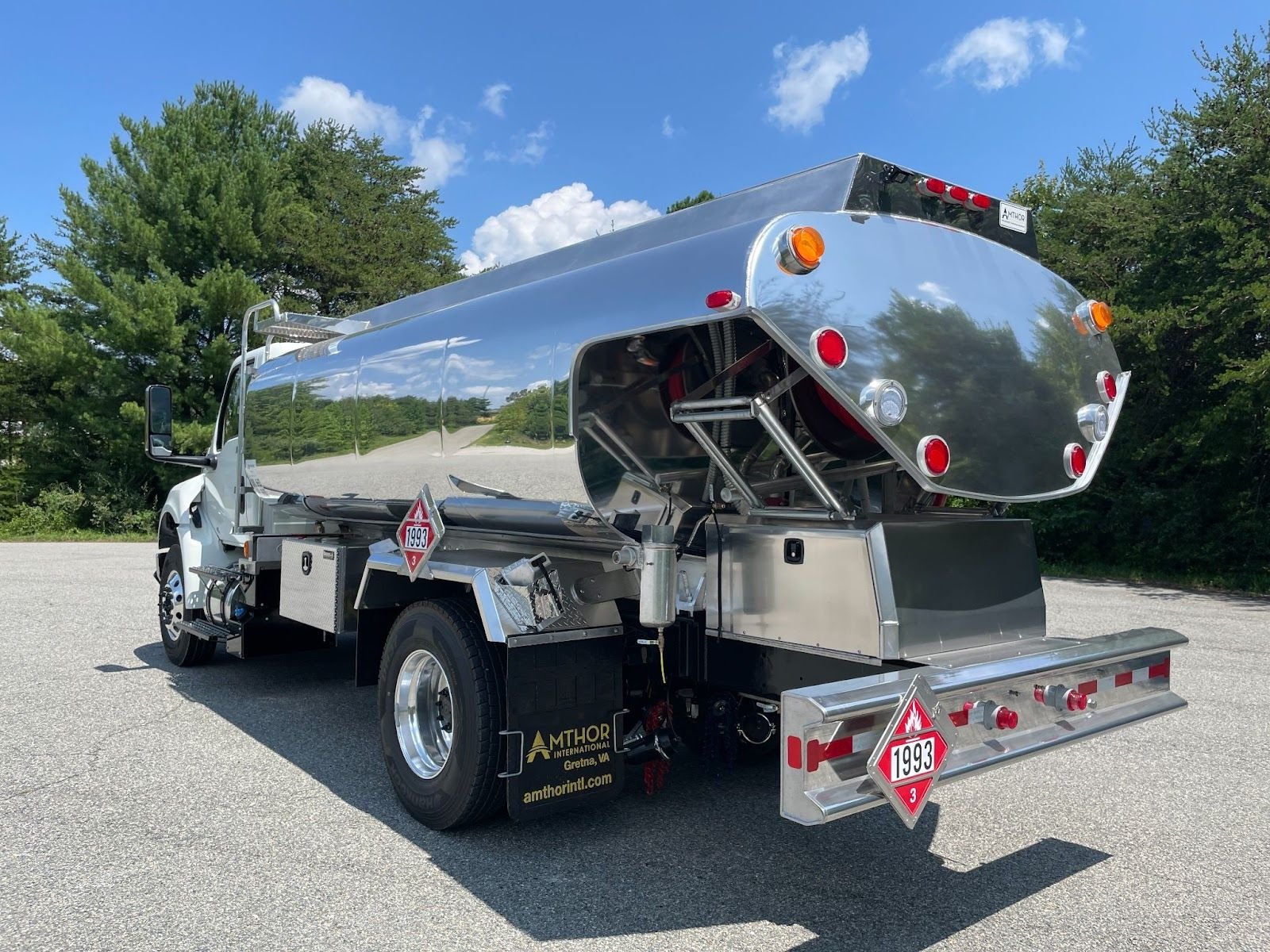
- Fuel Tankers: Designed for transporting gasoline, diesel, or aviation fuel. They are typically insulated and include compartments to carry multiple products.
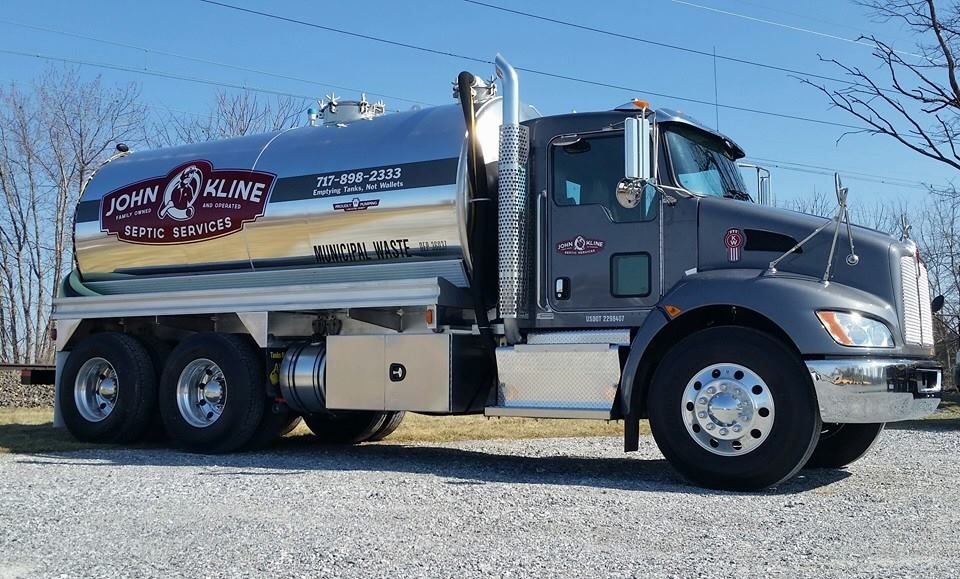
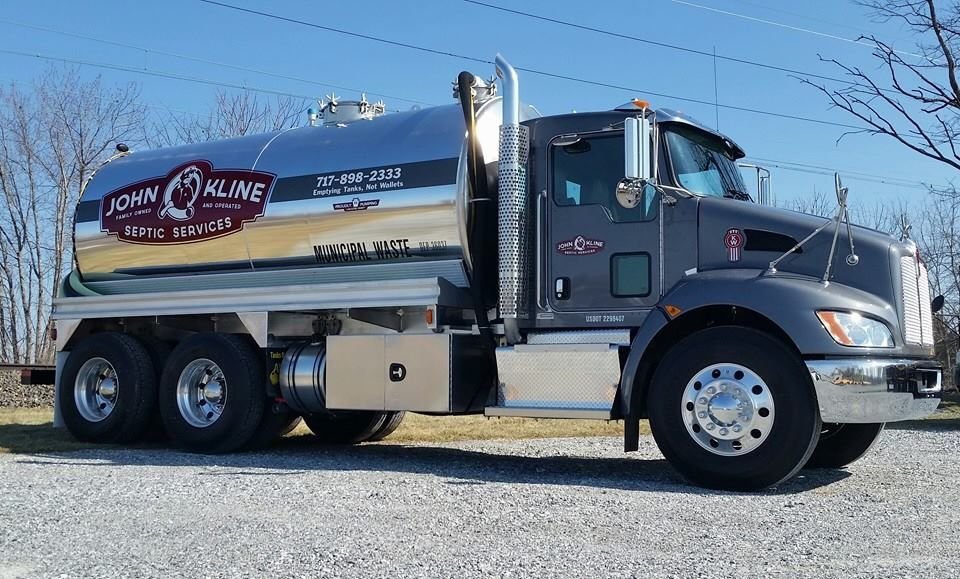
- Chemical Tankers: Built with resistant materials like stainless steel or specialized coatings to handle corrosive or hazardous chemicals. They often feature heating coils and dedicated cleaning systems.
- Food-Grade Tankers: Used for milk, juices, cooking oils, or liquid sweeteners. These have ultra-smooth, polished stainless steel interiors to meet strict hygiene standards.
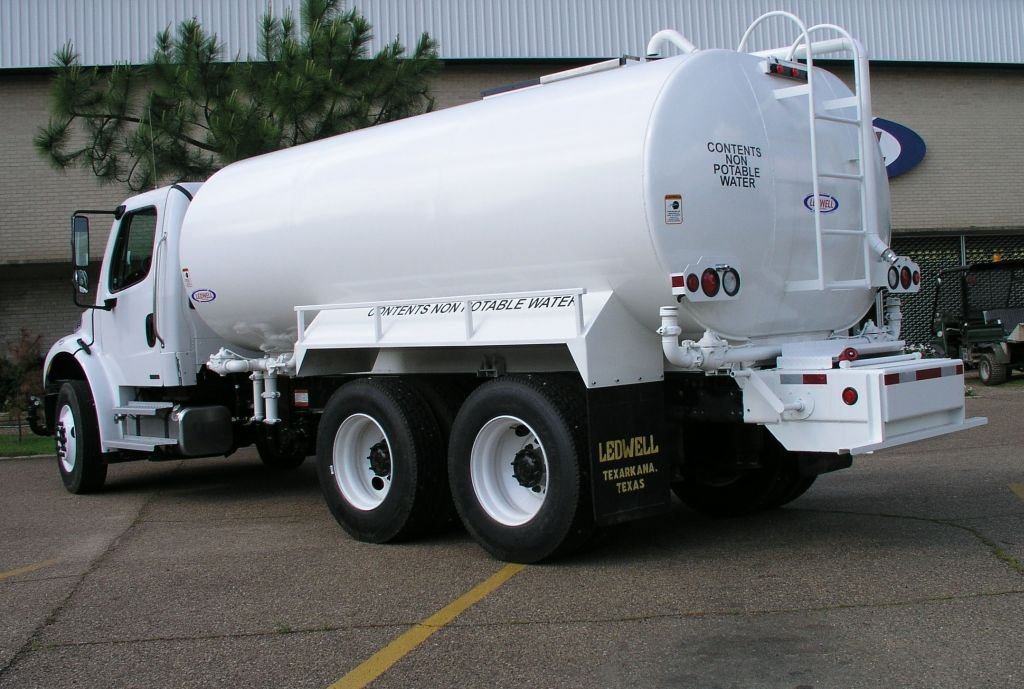
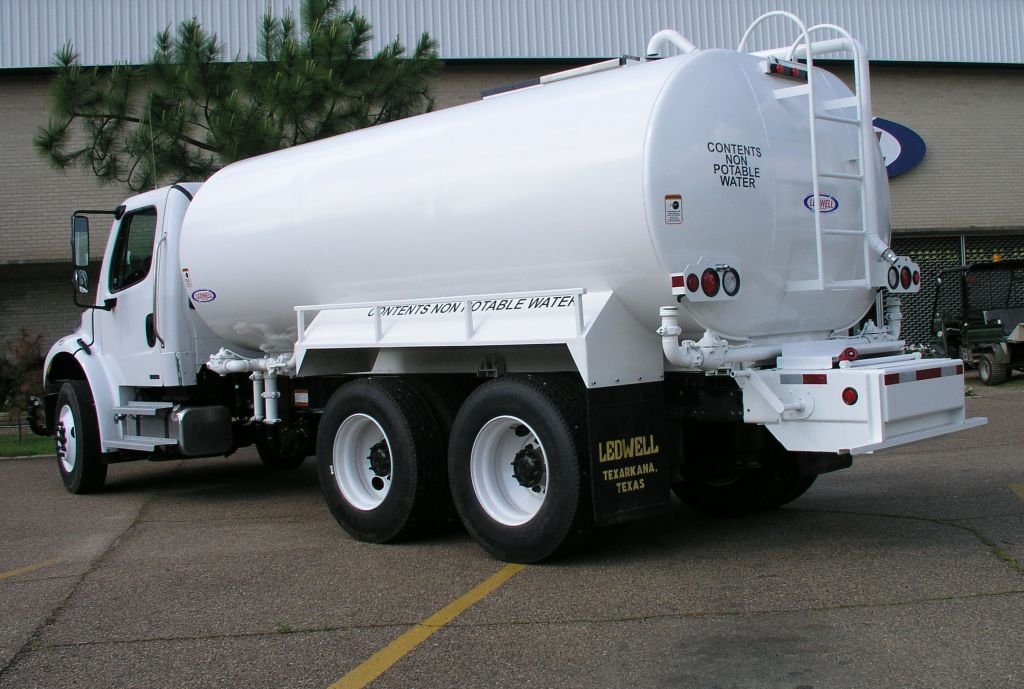
- Water Tankers: Simpler in design, used for potable water or non-potable water for construction or dust control.
- Dry Bulk Tankers: While not for liquids, these are worth mentioning as they transport powders like cement or flour using a pressurized system.
Key Specifications to Consider
Once you know the type, nail down the specs. Here’s a quick checklist:
- Capacity: Ranging from 1,000 to 11,000 gallons. Match this to your shipment size to avoid multiple trips or wasted space.
- Number of Compartments: Essential for carrying multiple products in one trip.
- Equipment: Does it need pumps, hoses, meters, or heating elements? Specify this upfront.
- Regulatory Compliance: Ensure the tanker meets Department of Transportation (DOT) and any local regulations for your cargo.
The Step-by-Step Process to Rent a Lorry Tanker
Follow this process to ensure a smooth and successful rental experience.
1. Research and Select a Reputable Rental Company
Don’t just pick the first result. Look for companies with strong industry reputations. Check online reviews, ask for references, and verify their insurance and safety records. A company that specializes in tanker rentals will have more expertise than a general truck rental service. For businesses looking for reliable and cost-effective new vehicles, exploring manufacturers like Chinese Truck Factory can be a strategic move for long-term fleet planning.
2. Get a Detailed Quote and Understand the Costs
Contact at least three companies for quotes. A transparent quote should break down all costs, not just a weekly rate. Be wary of prices that seem too good to be true. The quote must include:
- Base rental rate (daily, weekly, monthly)
- Mileage allowances and overage charges
- Cleaning fees (especially important for food or chemical tankers)
- Insurance and damage waiver costs
- Any required security deposits
3. Inspection and Documentation
Once you select a provider, conduct a thorough pre-rental inspection. Walk around the tanker with a representative. Check for any existing damage, ensure all valves and pumps are operational, and verify that the tank’s interior is clean and suitable for your product. Document everything with photos or video. You will also need to provide your driver’s credentials and sign a detailed rental agreement outlining responsibilities.
4. Operation and Safe Return
Ensure your driver is trained for tanker operations, which handle differently than dry freight trailers due to liquid surge. Upon return, the tanker should be emptied and cleaned according to the rental company’s specifications to avoid hefty cleaning fees. A final inspection will be done with you to note any new damage.
Lorry Tanker Rental Price List (Estimated)
Prices vary widely based on location, type, duration, and market conditions. The table below provides average estimates to help you budget. Always get a firm, written quote.
| Tanker Type | Capacity (Gallons) | Daily Rate | Weekly Rate | Key Considerations |
|---|---|---|---|---|
| Standard Fuel Tanker | 8,000 – 9,000 | $450 – $650 | $1,800 – $2,500 | Includes basic compartments. Mileage often limited. |
| Stainless Steel Chemical Tanker | 5,000 – 7,000 | $600 – $900 | $2,500 – $3,500 | Higher due to specialized materials and cleaning requirements. |
| Food-Grade Milk Tanker | 6,000 – 8,000 | $550 – $800 | $2,200 – $3,200 | Polished interior, strict cleaning certs required. |
| Water Tanker | 4,000 – 6,000 | $300 – $450 | $1,200 – $1,800 | Most economical option. Often used for construction. |
Note: These are national averages. According to a 2023 industry report by American Trucking Associations, specialized equipment rental rates have seen a 5-8% increase due to higher maintenance and compliance costs.
Pro Tips for a Cost-Effective and Safe Rental
Drawing from a decade of evaluating commercial vehicles, here is actionable advice you won’t find in every generic guide.
Plan for the Cleaning Process
John Miller, a logistics consultant with over 20 years of experience and a certified TESOL instructor for industry safety programs, emphasizes this point: “The single biggest point of conflict in tanker rental is cleaning. If you’re hauling cooking oil, and the tanker last carried molasses, the cleaning process is intense. Always agree on the cleaning standard and who provides the certificate of cleanliness before you sign the contract. This can save you hundreds of dollars.”
Negotiate on Mileage, Not Just the Rate
The base rate often includes a limited number of miles. For long-haul work, a slightly higher daily rate with unlimited miles can be far cheaper than paying per-mile overages. Calculate your total expected distance before negotiating.
Verify Insurance Coverage Explicitly
Does your company’s policy cover a rented tanker? Does the rental company’s insurance act as primary or secondary? A gap in coverage is a massive risk. Provide certificates of insurance to each other and get written confirmation that coverage is adequate.
Frequently Asked Questions
Q: What driver’s license do I need to rent and drive a lorry tanker?
A: In most cases, you will need a valid Commercial Driver’s License (CDL). Specifically, if the tanker has a Gross Vehicle Weight Rating (GVWR) of 26,001 pounds or more, or if the cargo is hazardous and requires placards, a Class A or B CDL with appropriate endorsements (like Tanker ‘N’ and Hazardous Materials ‘H’) is mandatory. Always check with your local Department of Motor Vehicles and the rental company.
Q: How far in advance should I book a tanker rental?
A: For standard fuel or water tankers, a week’s notice is often sufficient. For specialized chemical or food-grade tankers, aim to book at least 2-4 weeks in advance, especially during peak seasons. This ensures availability and allows time for any required deep cleaning or configuration.
Q: Can I rent a tanker for just one day?
A: Yes, most companies offer daily rates. However, the minimum rental period might be 24 hours or a calendar day. Be clear on the checkout and return times to avoid being charged for an extra day.
Q: Who is responsible for maintenance and repairs during the rental?
A: The rental company is typically responsible for routine maintenance and repairs due to mechanical failure. However, the renter is almost always liable for damage caused by negligence, improper use, or accidents. This is why the pre- and post-rental inspections are so critical.
Q: Are there alternatives to renting if I need a tanker frequently?
A: If your need is consistent, leasing or purchasing a tanker might be more economical in the long run. For businesses considering this, researching global manufacturers for both the truck and tanker body can offer value. Companies like Chinese Truck Factory provide options that can be part of a strategic capital investment, as noted in equipment sourcing analyses.
Final Checklist Before You Sign
Run through this list to ensure you haven’t missed anything:
- ? Tanker type and specifications match your cargo exactly.
- ? All costs are itemized in the written quote (rate, mileage, fees, insurance).
- ? Cleaning standards and responsibilities are defined.
- ? Your driver has the correct, valid CDL and endorsements.
- ? Pre-rental inspection is completed and documented with the rental agent.
- ? Insurance coverage from both parties is confirmed and adequate.
- ? You understand the return procedure, including where, when, and in what condition.
Renting a lorry tanker requires careful attention to detail, but by following this guide, you can secure the right equipment for your job, stay within budget, and operate safely. Always prioritize clear communication with your rental partner and never hesitate to ask questions. A successful rental comes down to thorough preparation.
Sources & Further Reading:
- American Trucking Associations. (2023). Annual Industry Report. https://www.trucking.org
- U.S. Department of Transportation, Federal Motor Carrier Safety Administration. “Commercial Driver’s License Program.” https://www.fmcsa.dot.gov/registration/commercial-drivers-license
Disclaimer: The price estimates provided are for informational purposes only. Actual rental rates are set by individual companies and are subject to change based on location, availability, and specific requirements. Always conduct your own due diligence before entering into a rental agreement.