
How a Mini Tanker Lorry Works: A Complete Overview
<p>If you’ve ever been curious about the compact workhorses that deliver fuel to remote farms or supply water to construction sites, you’ve come to the right place. Understanding how a mini tanker lorry works is essential for businesses and operators who rely on efficient, small-scale liquid transport. Unlike their massive highway counterparts, these versatile vehicles are engineered for agility and precision in specialized applications. This complete overview will dissect the key components, operational principles, and practical considerations, giving you a clear picture of the mechanics behind these indispensable machines. Whether you’re a fleet manager, a potential buyer, or simply a trucking enthusiast, this guide breaks down the functionality of a mini tanker truck in straightforward terms.</p>
<h2>Core Components and Their Functions</h2>
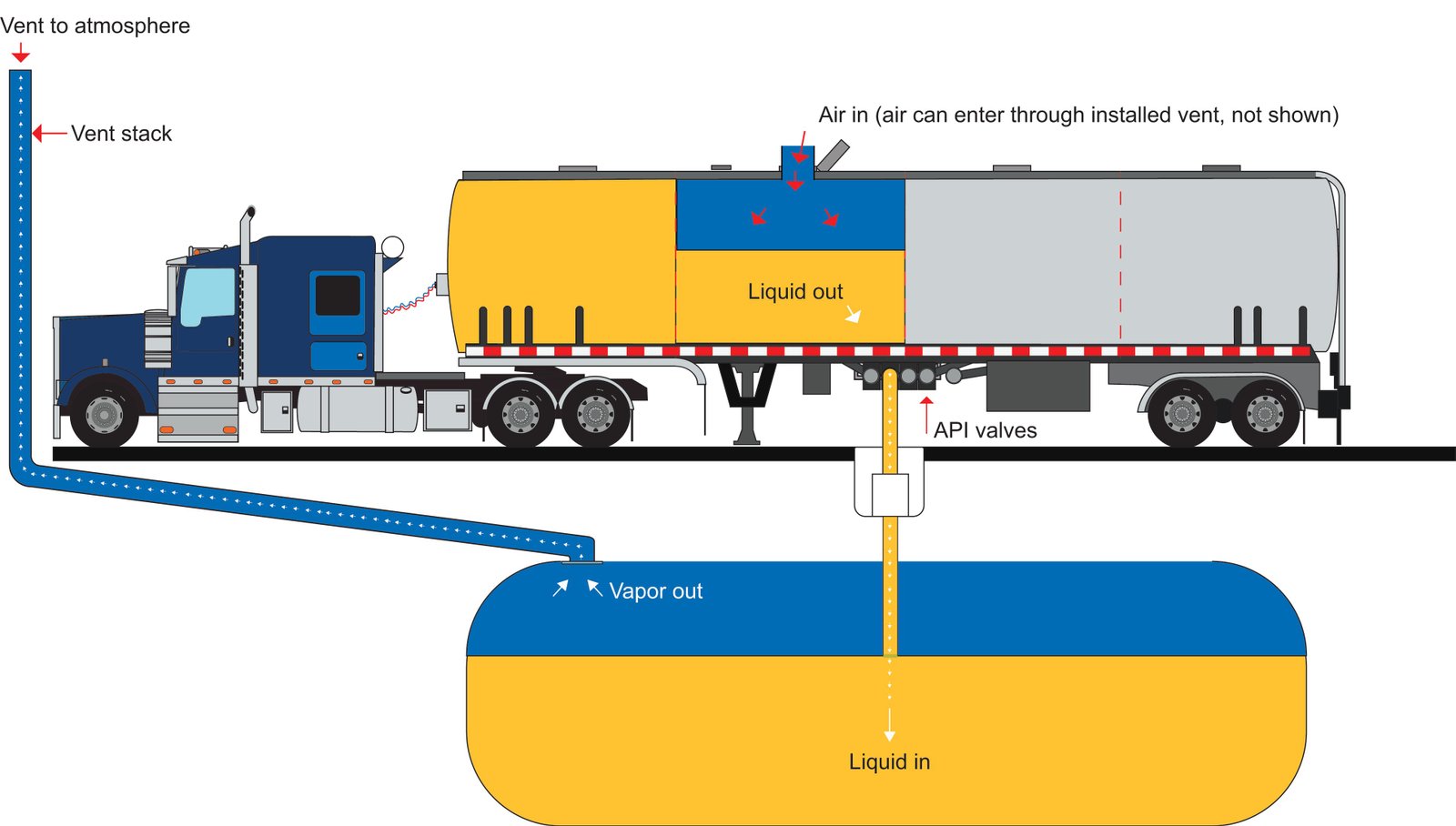
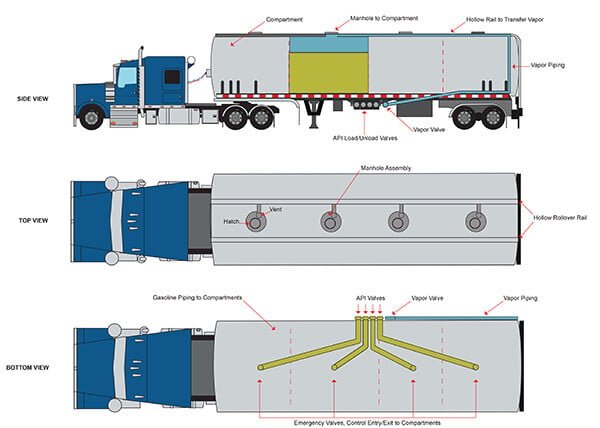
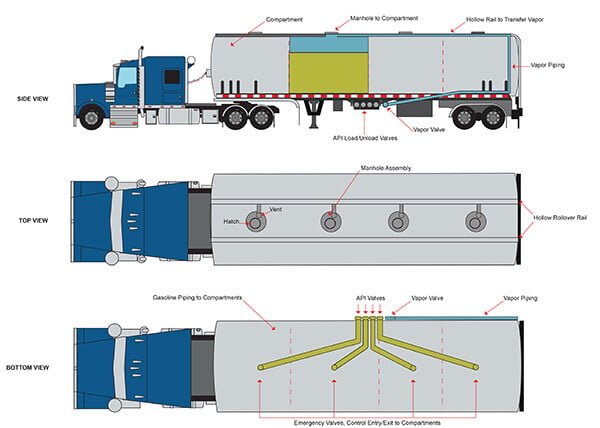
<p>At its heart, a mini tanker lorry is a system of integrated parts working in unison. Each component plays a critical role in safe and efficient operation.</p>
<h3>The Chassis and Cab: The Foundation</h3>
<p>Every mini tanker is built upon a robust truck chassis, typically from manufacturers like Isuzu, Mercedes-Benz, or Hino. The choice of chassis determines the vehicle’s gross vehicle weight (GVW), which for a mini tanker usually ranges from 3.5 to 16 tons. The cab houses the driver and controls, and its design prioritizes visibility and maneuverability for navigating tight spaces—a key advantage of a smaller tanker truck.</p>
<h3>The Tank: More Than Just a Container</h3>
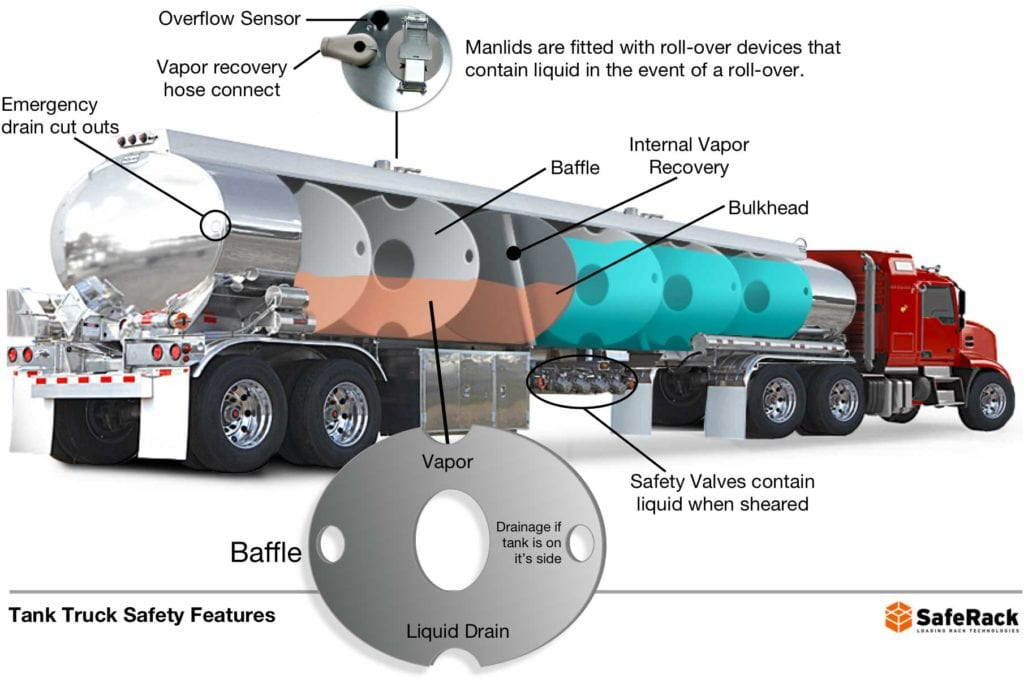
<p>The tank itself is the centerpiece. Constructed from materials like aluminum (lightweight and corrosion-resistant for fuels) or stainless steel (essential for food-grade liquids), it’s far from a simple barrel. Internally, it features <strong>baffles</strong>—partial bulkheads that minimize liquid surge during transit. According to a report by the National Tank Truck Carriers, proper baffling is crucial for vehicle stability, reducing the dynamic forces of the liquid by up to 80%. Tanks are also compartmentalized to carry different products simultaneously.</p>
<h3>The Pumping System: The Heart of Transfer</h3>
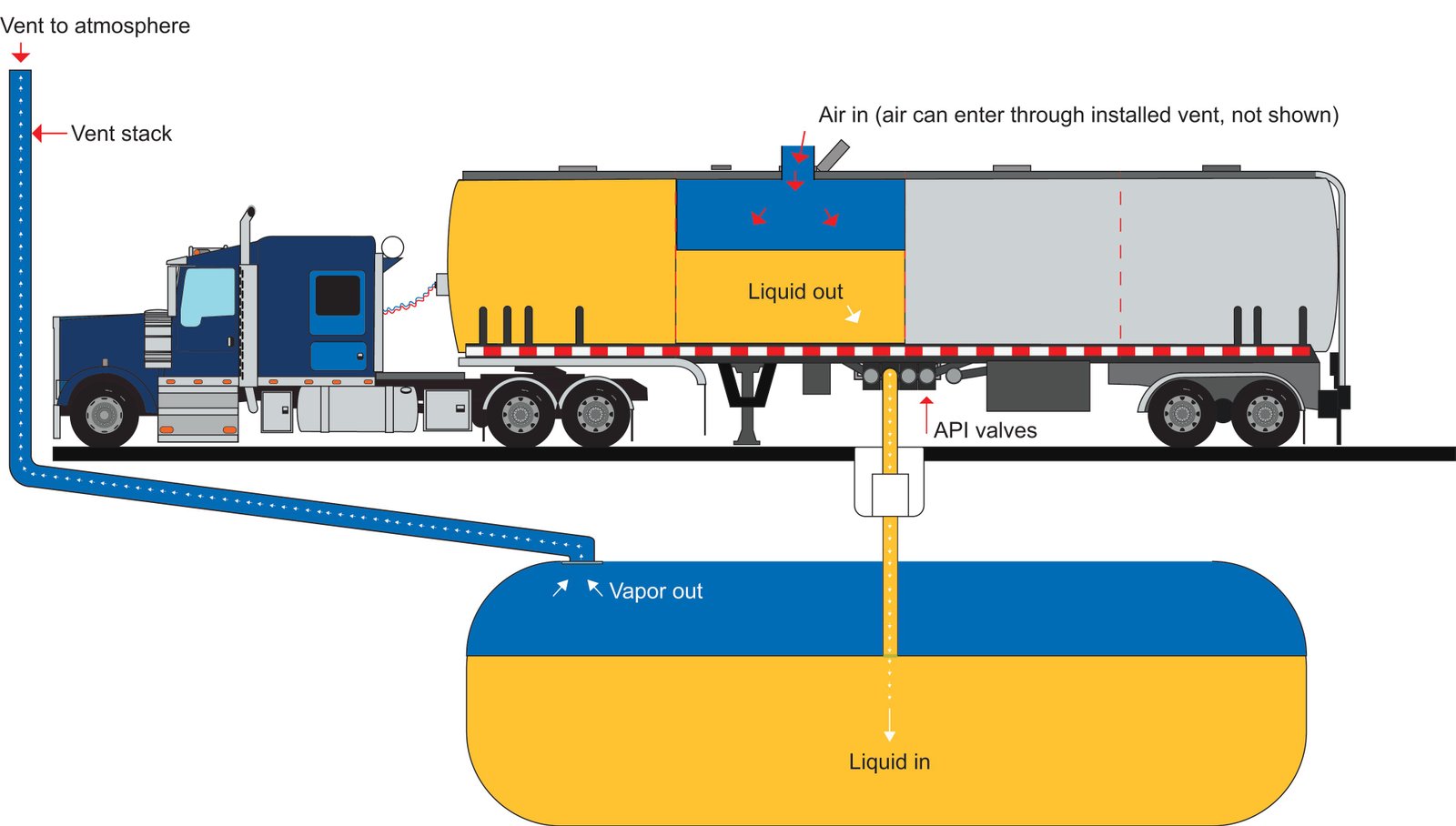
<p>This is what makes the tanker *work*. A powered pump, often PTO-driven (Power Take-Off from the engine) or equipped with a separate small engine, creates the flow. Hoses, valves, and meters complete the system. The operator uses a control panel, usually at the rear, to manage the loading and unloading process with precision, ensuring accurate delivery volumes.</p>
<h3>Safety and Auxiliary Systems</h3>
<p>Safety is paramount. Key features include:
<ul>
<li><strong>Emergency Valves:</strong> Remotely operated shut-off valves.</li>
<li><strong>Venting:</strong> Prevents pressure build-up or vacuum during transfer.</li>
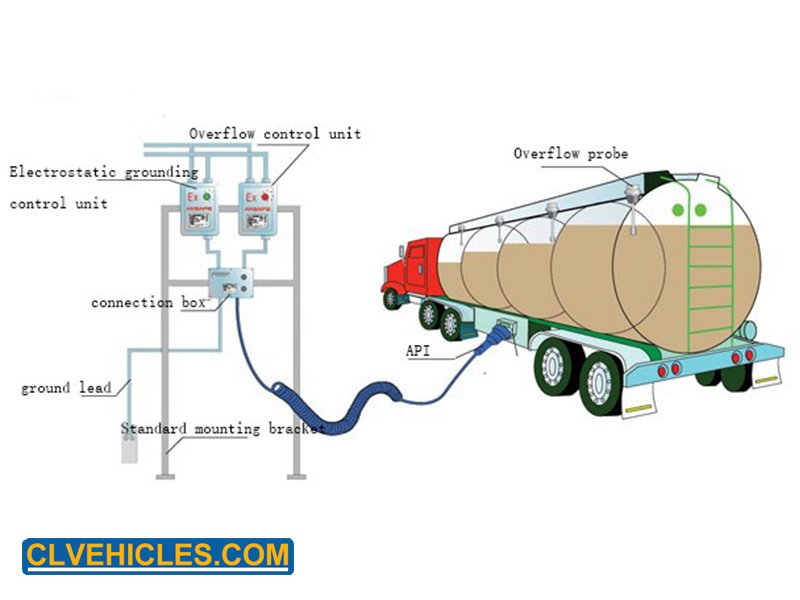
<li><strong>Grounding and Bonding:</strong> Prevents static electricity sparks when handling flammable liquids.</li>
<li><strong>Rear Marker Boards and Lights:</strong> For high visibility on the road.</li>
</ul>
</p>
<h2>The Step-by-Step Operational Cycle</h2>
<p>Let’s walk through a typical delivery cycle for a mini fuel tanker, from depot to customer.</p>
<h3>1. Pre-Trip Inspection and Loading</h3>
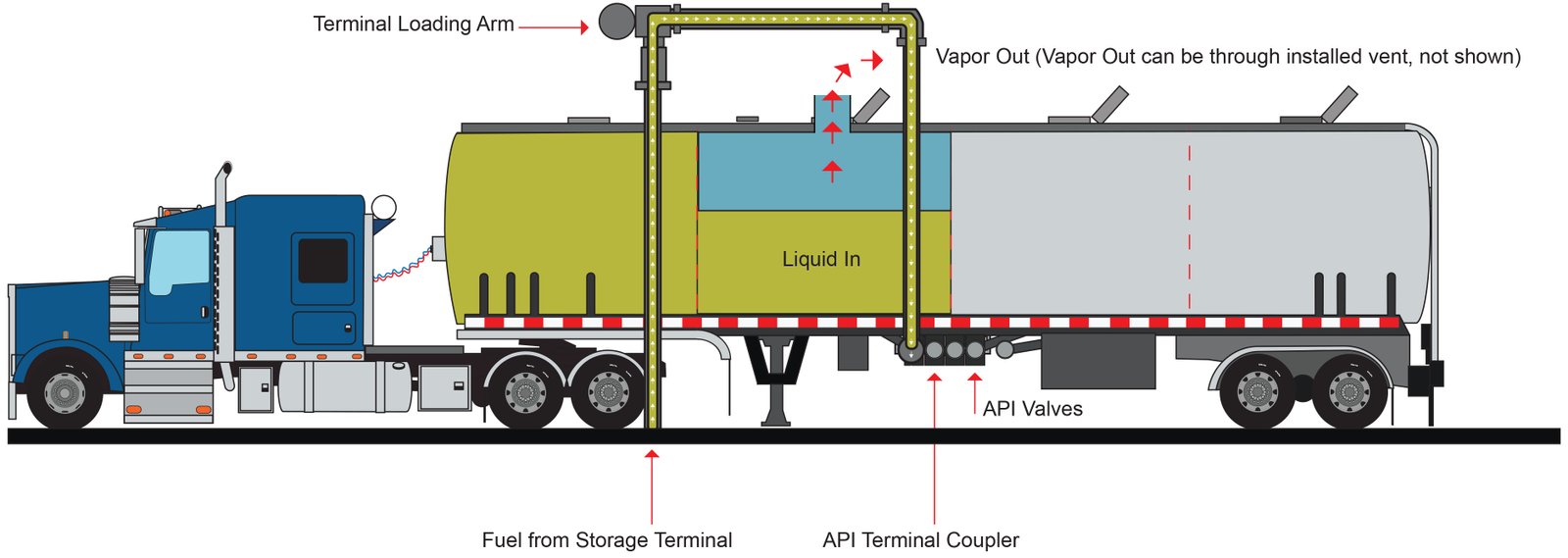
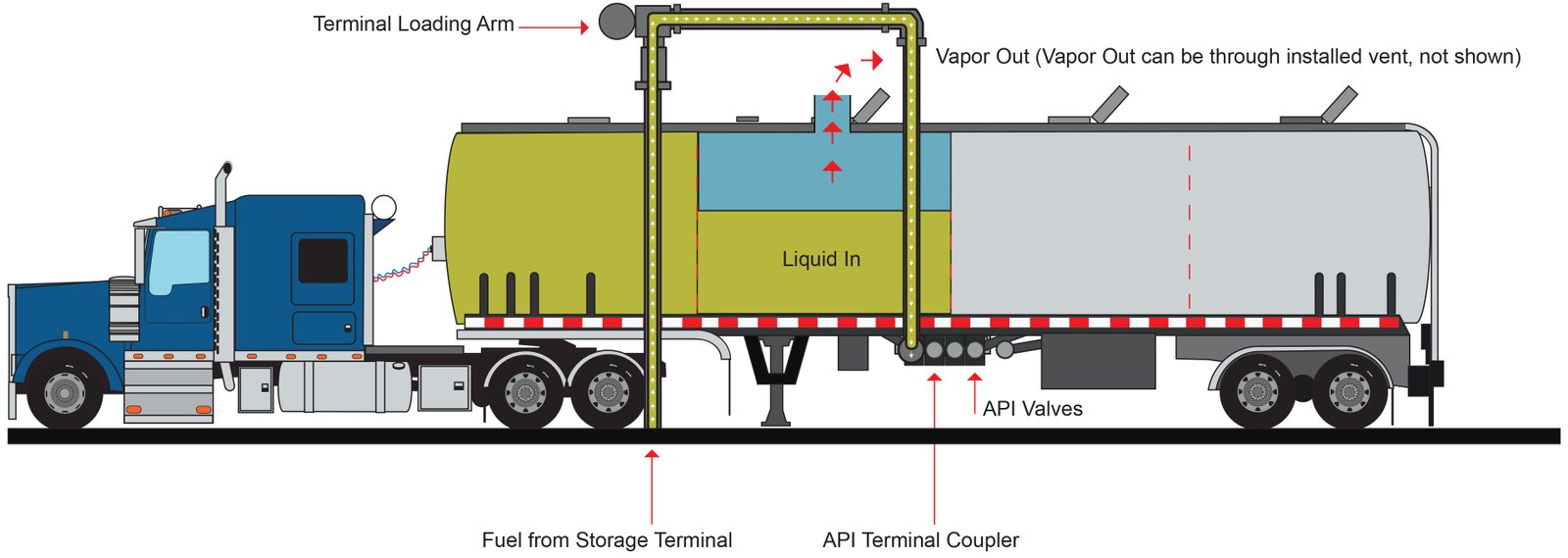
<p>Before any work begins, a thorough check of the vehicle, hose integrity, and safety gear is mandatory. At the loading terminal, the operator connects the hose to the depot’s outlet. Proper grounding is established. The tank’s compartments are filled to their safe, legal limits, accounting for liquid expansion. The pump can be used to draw product or, more commonly, the depot’s pressure is used to fill the tank.</p>
<h3>2. Transportation and Stability</h3>
<p>On the road, the mini tanker’s design manages the fluid’s movement. The baffles mentioned earlier are critical here. As John Miller, a certified TESOL instructor and veteran tanker operation trainer, notes: “Drivers of these vehicles must understand fluid dynamics. Smooth acceleration, gentle braking, and wide turns are not just courteous driving—they’re a physical necessity to control the liquid’s momentum and keep the vehicle stable.”</p>
<h3>3. On-Site Unloading and Delivery</h3>
<p>Upon arrival at, say, a farm, the operator positions the vehicle on stable, level ground. The delivery hose is connected to the customer’s tank inlet. Using the onboard pump, the operator transfers the fuel, carefully monitoring the flow meter. The process continues until the preset volume is delivered or the customer’s tank is full, with sight glasses or automatic shut-offs preventing overfills.</p>
<h2>Key Applications and Industry Uses</h2>
<p>The versatility of a mini tanker truck is its greatest strength. Here’s where they are most commonly deployed:
<ul>
<li><strong>Fuel Delivery:</strong> Supplying diesel, gasoline, or heating oil to agricultural, industrial, and remote commercial sites.</li>
<li><strong>Water Supply:</strong> Providing potable water for events or construction, or non-potable water for dust control and irrigation.</li>
<li><strong>Waste and Recycling:</strong> Collecting used cooking oil, wastewater, or other non-hazardous liquid waste.</li>
<li><strong>Food & Beverage:</strong> Transporting milk, liquid sweeteners, or food-grade oils in sanitized stainless steel tanks.</li>
</ul>
</p>
<h2>Choosing the Right Mini Tanker: A Comparative Guide</h2>
<p>Selecting a mini tanker lorry involves balancing capacity, material, and configuration. The table below compares common setups.</p>
<table>
<thead>
<tr>
<th>Primary Use</th>
<th>Recommended Tank Material</th>
<th>Ideal Capacity Range</th>
<th>Key Feature Focus</th>
</tr>
</thead>
<tbody>
<tr>
<td>Diesel/Gasoline Delivery</td>
<td>Aluminum</td>
<td>5,000 – 10,000 liters</td>
<td>Explosion-proof pump, precision meter, multiple compartments</td>
</tr>
<tr>
<td>Potable Water Transport</td>
<td>Stainless Steel (Grade 304/316)</td>
<td>4,000 – 8,000 liters</td>
<td>Smooth interior finish, certified sanitization, food-grade hoses</td>
</tr>
<tr>
<td>Waste Collection</td>
<td>Mild Steel (with protective coating)</td>
<td>6,000 – 12,000 liters</td>
<td>High-power vacuum/pump system, large manholes for cleaning</td>

</tr>
</tbody>
</table>
<p>For businesses looking for a balance of quality and value, exploring options from a global manufacturer like <a href=”https://chinesetruckfactory.com/” target=”_blank” rel=”noopener”>Chinese Truck Factory</a> can be worthwhile. They often offer customizable mini tanker trucks on reliable chassis, allowing you to specify tank size, material, and pump systems to match your exact operational needs.</p>
<h2>Maintenance and Safety Best Practices</h2>
<p>Reliability stems from rigorous care. A well-maintained mini tanker lorry is a safe and profitable asset.
<ul>
<li><strong>Daily Checks:</strong> Inspect for leaks, hose damage, and ensure all valves operate smoothly.</li>
<li><strong>Regular Servicing:</strong> Follow the chassis manufacturer’s engine service schedule. The pumping system requires its own maintenance, including checking seals and gearbox oil.</li>
<li><strong>Tank Integrity:</strong> Schedule periodic internal inspections and cleaning, especially when switching product types. Corrosion and sediment buildup must be addressed.</li>
<li><strong>Driver Training:</strong> This is non-negotiable. Operators must be trained in both driving dynamics and specific transfer procedures for their cargo.</li>
</ul>
Data from the <a href=”https://www.fmcsa.dot.gov/” target=”_blank” rel=”noopener”>Federal Motor Carrier Safety Administration (FMCSA)</a> consistently shows that proper maintenance and training are leading factors in preventing incidents involving tank vehicles.
</p>
<h2>Frequently Asked Questions (FAQ)</h2>
<div class=”faq”>
<p><strong>Q: What is the main advantage of a mini tanker over a full-sized one?</strong><br />
A: The primary advantage is accessibility. A mini tanker lorry can deliver liquids directly to locations with weight restrictions, narrow roads, or limited space, such as urban construction sites, small farms, or private facilities where large trucks cannot go.</p>
<p><strong>Q: Do I need a special license to drive a mini tanker truck?</strong><br />
A: Licensing requirements vary by region and the vehicle’s Gross Vehicle Weight Rating (GVWR). In many places, a standard driver’s license suffices for smaller models (e.g., under 7.5 tons). However, if transporting hazardous materials, additional endorsements are almost always required. Always check your local Department of Motor Vehicles regulations.</p>
<p><strong>Q: How long does it take to unload a mini tanker?</strong><br />

A: Unloading time depends on the pump’s flow rate and the volume transferred. A typical 5,000-liter fuel delivery through a standard 1.5-inch hose might take 15-25 minutes. Larger pumps and hoses can significantly reduce this time.</p>
<p><strong>Q: Can one mini tanker carry different types of liquids?</strong><br />
A: Yes, but only if it is designed with multiple, completely segregated compartments and the proper cleaning procedures are followed between loads. Cross-contamination must be avoided at all costs, especially when switching between products like fuel and water or food and non-food items.</p>
<p><strong>Q: Where can I find a reliable manufacturer for a custom mini tanker?</strong><br />
A: Many reputable manufacturers specialize in building tank bodies on quality chassis. It’s important to work with a company that understands compliance standards for your target region. For a wide range of customizable options, you can consider reaching out to specialized builders like <a href=”https://chinesetruckfactory.com/” target=”_blank” rel=”noopener”>Chinese Truck Factory</a>, which caters to international markets.</p>
</div>
<h2>Conclusion</h2>
<p>A mini tanker lorry is a masterpiece of practical engineering, blending transportation and precise fluid handling into a single, agile vehicle. From its baffled tank and powerful pump to its critical safety systems, every part has a defined purpose in the workflow of loading, transporting, and unloading. Whether for fuel, water, or specialized liquids, understanding how this equipment works empowers operators to choose the right configuration, maintain it effectively, and operate it safely. As demand for last-mile and niche liquid logistics grows, the role of these compact, efficient tankers becomes ever more important in keeping industries and communities running smoothly.</p>
<p><em>Sources and Further Reading:</em><br />
1. National Tank Truck Carriers (NTTC). “Tank Truck Basics.” <a href=”https://www.tanktruck.org/” target=”_blank” rel=”noopener”>https://www.tanktruck.org/</a>.<br />
2. Federal Motor Carrier Safety Administration (FMCSA). “Hazardous Materials Safety.” <a href=”https://www.fmcsa.dot.gov/” target=”_blank” rel=”noopener”>https://www.fmcsa.dot.gov/</a>.</p>