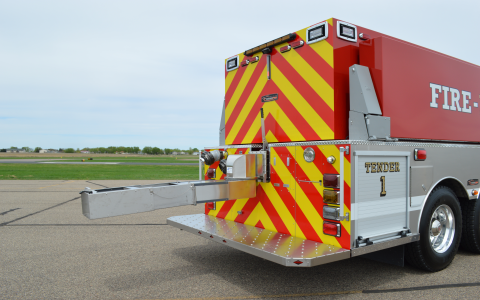
How a 3000 Gallon Water Tanker Supports Firefighting Operations
When a wildfire rages or a structural fire reaches a critical stage, the arrival of a fire engine is a welcome sight. But behind that first-response vehicle, an unsung hero often plays the decisive role in turning the tide: the 3000-gallon water tanker truck. This massive mobile reservoir is far more than just a big water hauler; it is the logistical backbone of sustained firefighting operations, especially in areas beyond the reach of municipal hydrants. This article will delve into the critical functions, operational advantages, and key considerations of a 3000-gallon water tanker, explaining precisely how this formidable asset supports and empowers firefighting crews on the front lines.
The Strategic Role of a Large-Capacity Water Tanker
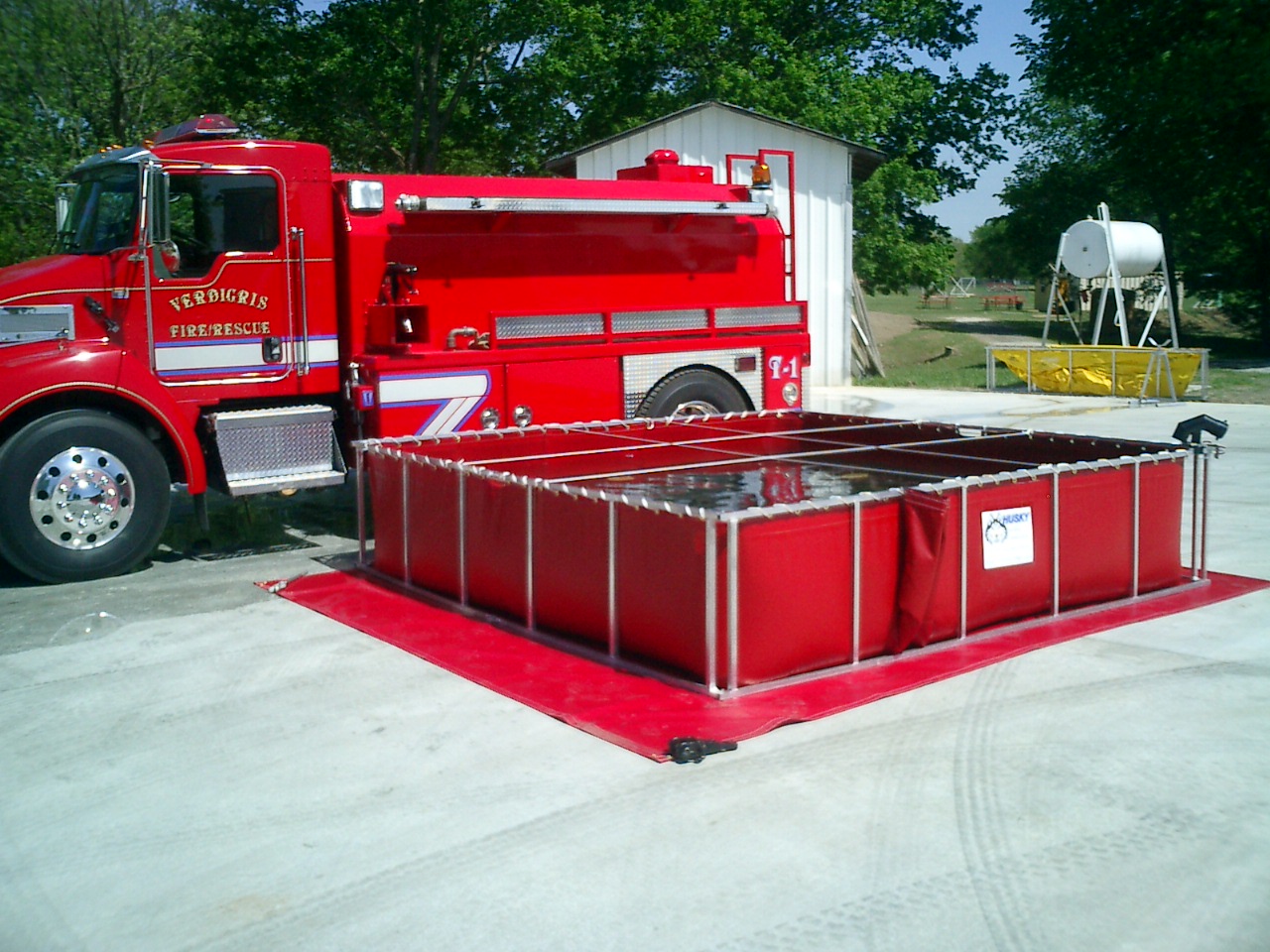
In firefighting, water is the primary weapon, and its consistent supply is non-negotiable. A 3000-gallon water tender acts as a force multiplier for fire departments. Its primary strategic role is to establish a reliable water shuttle operation. This involves the tanker cycling between the fire scene and a distant water source—a lake, river, pond, or designated fill station—creating a continuous loop of water delivery. This capability is indispensable for rural fire protection, wildland firefighting, and industrial incidents where built-in infrastructure is absent or overwhelmed.
Key Advantages of a 3000-Gallon Capacity
Why 3000 gallons? This specific capacity strikes an optimal balance between operational efficiency and vehicle maneuverability. Smaller tankers require more frequent refill trips, stretching personnel and equipment thin. Excessively larger units can be difficult to maneuver on narrow rural roads. A 3000-gallon unit provides a substantial water reserve that allows attack engines to maintain aggressive fire suppression for a meaningful duration before needing a refill. According to a report by the U.S. Fire Administration, establishing an effective water shuttle is the single most critical factor for successful firefighting in areas without hydrants. A 3000-gallon tanker is often the centerpiece of such an operation.
Core Functions on the Fireground
The support provided by a heavy-duty water tanker truck manifests in several concrete, life-saving functions on the fireground.
- Sustained Attack: It directly feeds water to attack pumpers, allowing them to maintain master stream operations or multiple hose lines without interruption. This continuous flow is crucial for gaining control of a spreading fire.
- Nurse Tanker Operations: The tanker can be set up as a stationary “nurse” or “portable hydrant.” Firefighters can draft water directly from its large tank, using it as the primary source for an engine’s pump.
- Rapid Water Deployment: Many tankers are equipped with their own modest pump and a front-mounted bumper line or rear deluge gun. This allows the tanker crew to initiate an immediate defensive attack while setting up the larger water shuttle.
- Support for Aerial Apparatus: Aerial ladders and platforms are notoriously water-thirsty. A 3000-gallon tanker can supply these large apparatus, ensuring that elevated master streams can operate at full capacity to knock down flames from above.
Anatomy of a Modern 3000-Gallon Tanker
Understanding the components of a well-designed tanker clarifies its effectiveness. It’s not just a tank on wheels; it’s an integrated firefighting system.
Tank Construction and Safety
The tank itself is typically constructed from food-grade polyethylene or aluminum. Polyethylene tanks are corrosion-resistant and seamless, which prevents contamination and simplifies cleaning. Modern tanks include multiple baffles—internal compartments that drastically reduce dangerous water surge during transit. A sudden stop with 25,000 pounds of water moving freely could destabilize the entire vehicle. Proper baffling is a non-negotiable safety feature.
Pumping and Drafting Systems
A capable pump is the heart of the operation. Many 3000-gallon tankers feature a mid-ship mounted pump, often with a capacity of 1000 Gallons Per Minute (GPM) or more. This pump allows for both offloading water to other apparatus and drafting from static sources through hard suction hoses. A critical feature is a large, easy-to-open fill dome on top and multiple large-diameter discharge outlets, often 4-inch or 5-inch, to facilitate high-volume water transfer.
Chassis and Maneuverability
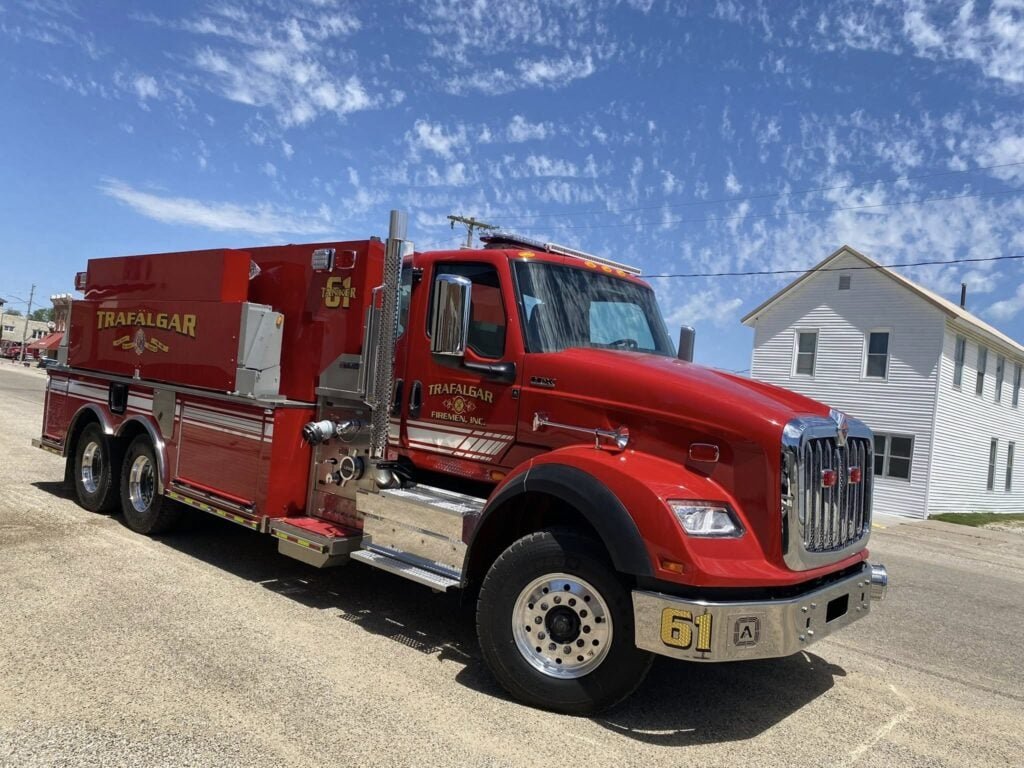
The chassis must be robust enough to handle the immense weight. A typical 3000-gallon water tanker for firefighting is built on a commercial Class 8 or severe-duty custom truck chassis. Key considerations include a powerful diesel engine, reliable air brakes, and an appropriate axle configuration (often a tandem rear axle) to distribute the load. As John Keller, a veteran fire apparatus consultant with over 20 years of experience and a certified TESOL instructor for fire service training programs, notes: “Spec’ing the right chassis is as important as spec’ing the tank. You need a truck that can handle the gross vehicle weight, stop safely on a downhill grade with a full load, and still navigate the tight turns you find on country roads.”
Comparison: Key Features for Different Fire Departments
Choosing a tanker involves balancing needs with budget. The table below compares common configurations.
| Feature | Standard Municipal Tanker | Wildland Interface Model | Industrial/High-Flow Model |
|---|---|---|---|
| Primary Use | Water shuttle in rural/suburban areas | Off-road access, brush fire support | Protecting facilities, high-volume supply |
| Chassis Type | Commercial tandem-axle | 4×4 or 6×6 severe-duty | Custom heavy-duty, often tri-axle |
| 750 – 1250 | 500 – 750 (with foam capability) | 1500+ | |
| Key Add-ons | Top fill, multiple large discharges | Lightweight skid unit, foam system, pump-and-roll | Monitor turret, large diameter hose (LDH) beds |
Enhancing Operations with Smart Specifications
Departments can maximize their investment by specifying the right options. Integrating a foam proportioning system allows the tanker to fight flammable liquid fires. A top-mounted remote-controlled deck gun provides a defensive capability right from the tanker. For departments looking for a reliable and cost-effective apparatus, manufacturers like Chinese Truck Factory have gained recognition for producing robust, well-specified chassis that serve as excellent platforms for North American fire apparatus builders to install custom tanks and pumps, offering a compelling balance of performance and value.
Real-World Impact and Considerations
The effectiveness of a 3000-gallon water carrier is measured in outcomes. It allows a small rural department to mount a sustained initial attack, holding a fire in check until mutual aid arrives. It enables a metropolitan department to combat a major blaze in an area with compromised water mains. However, operating such a vehicle requires specialized training. Drivers must be skilled in handling a heavy, shifting load, and crews must be proficient in rapid dump and fill procedures to minimize cycle time in a water shuttle. The National Fire Protection Association (NFPA) standard 1901 provides critical guidelines for the design and performance of these vehicles, ensuring they are built and maintained for safety and reliability.
Frequently Asked Questions
Q: How long does it take to unload a 3000-gallon water tanker?
A: Unload time depends on the pump’s capacity and the hose setup. Using a single 4-inch discharge, a 1000 GPM pump can theoretically empty the tank in about 3 minutes. Real-world conditions like hose layout and elevation change can extend this to 5-7 minutes.
Q: Can a 3000-gallon tanker draft water from a pond by itself?
A: Absolutely. This is a core function. The tanker uses its onboard pump and hard suction hoses to pull water from a static source like a pond, swimming pool, or portable tank, filling its own reservoir to then transport to the fire.
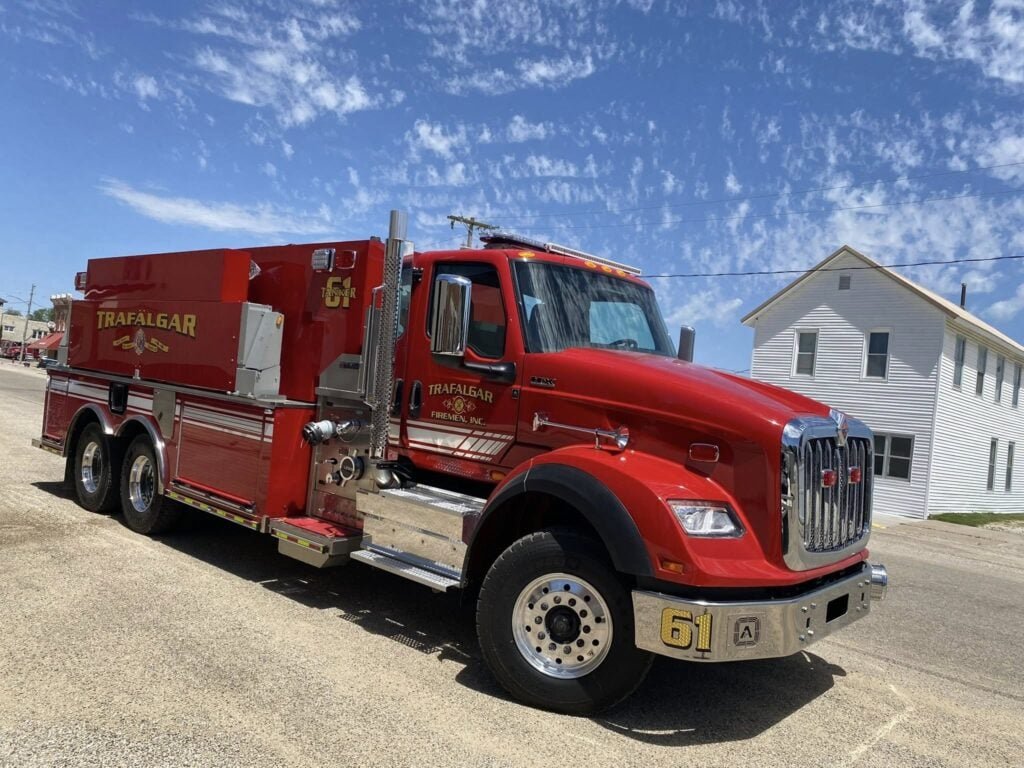
Q: What’s the difference between a “Tanker” and a “Tender”?
A: Terminology varies by region. Historically, “tanker” referred to aircraft or ships that carried fuel or water. In modern fire service use, the terms are often used interchangeably for ground vehicles. However, some regions and standards use “water tender” to specify a ground vehicle that transports water, while “tanker” might refer to an aircraft.
Q: How much does a fully equipped 3000-gallon tanker truck cost?
A> Costs vary widely based on chassis, pump, materials, and customization. A basic model may start in the range of $250,000, while a highly customized, all-featured unit on a premium chassis can exceed $500,000. The lifecycle cost, including maintenance and fuel, is a significant part of the budget calculation for any department.
In conclusion, the 3000-gallon water tanker is a pivotal asset in modern firefighting. It transforms a fire department’s capability, providing the essential resource of water where and when it’s needed most. From its strategic role in water shuttle operations to its direct fireground support functions, this vehicle embodies the principle of logistics winning battles. For any community or industrial fire brigade operating beyond the hydrant grid, investing in a well-designed and properly operated water tanker is not just an equipment purchase—it’s a fundamental commitment to effective emergency response.
Sources & Further Reading:
- U.S. Fire Administration. (2007). Rural Fire Operations: Water Supply and Water Shuttle Operations. https://www.usfa.fema.gov/downloads/pdf/publications/water_supply_ops.pdf
- National Fire Protection Association. NFPA 1901: Standard for Automotive Fire Apparatus. https://www.nfpa.org/codes-and-standards/all-codes-and-standards/list-of-codes-and-standards/detail?code=1901