Fuel Tanker Truck Manufacturer Safe Fuel Transport
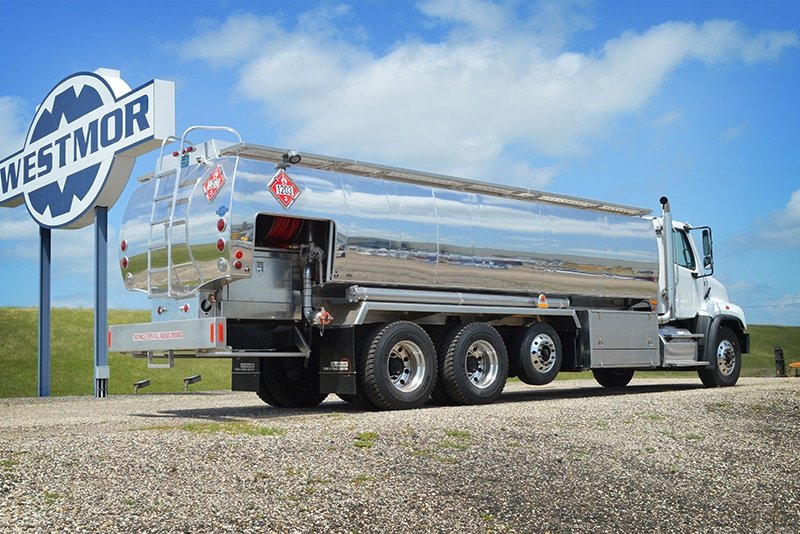
When your business relies on moving fuel, the choice of your fuel tanker truck isn’t just an equipment decision; it’s a fundamental commitment to safety, reliability, and operational integrity. Selecting the right fuel tanker truck manufacturer is the single most critical step in ensuring safe fuel transport. This isn’t about finding the cheapest chassis or the largest tank capacity. It’s about partnering with an engineering-focused builder who understands that every weld, every valve, and every safety system is a line of defense against catastrophic failure. As someone who has spent a decade evaluating commercial vehicles down to their bolts, I can tell you that the difference between a standard truck and a purpose-built fuel carrier is vast. This guide will cut through the marketing speak and provide you with the essential knowledge to make an informed choice, focusing on the engineering principles that truly matter for hazardous material logistics.
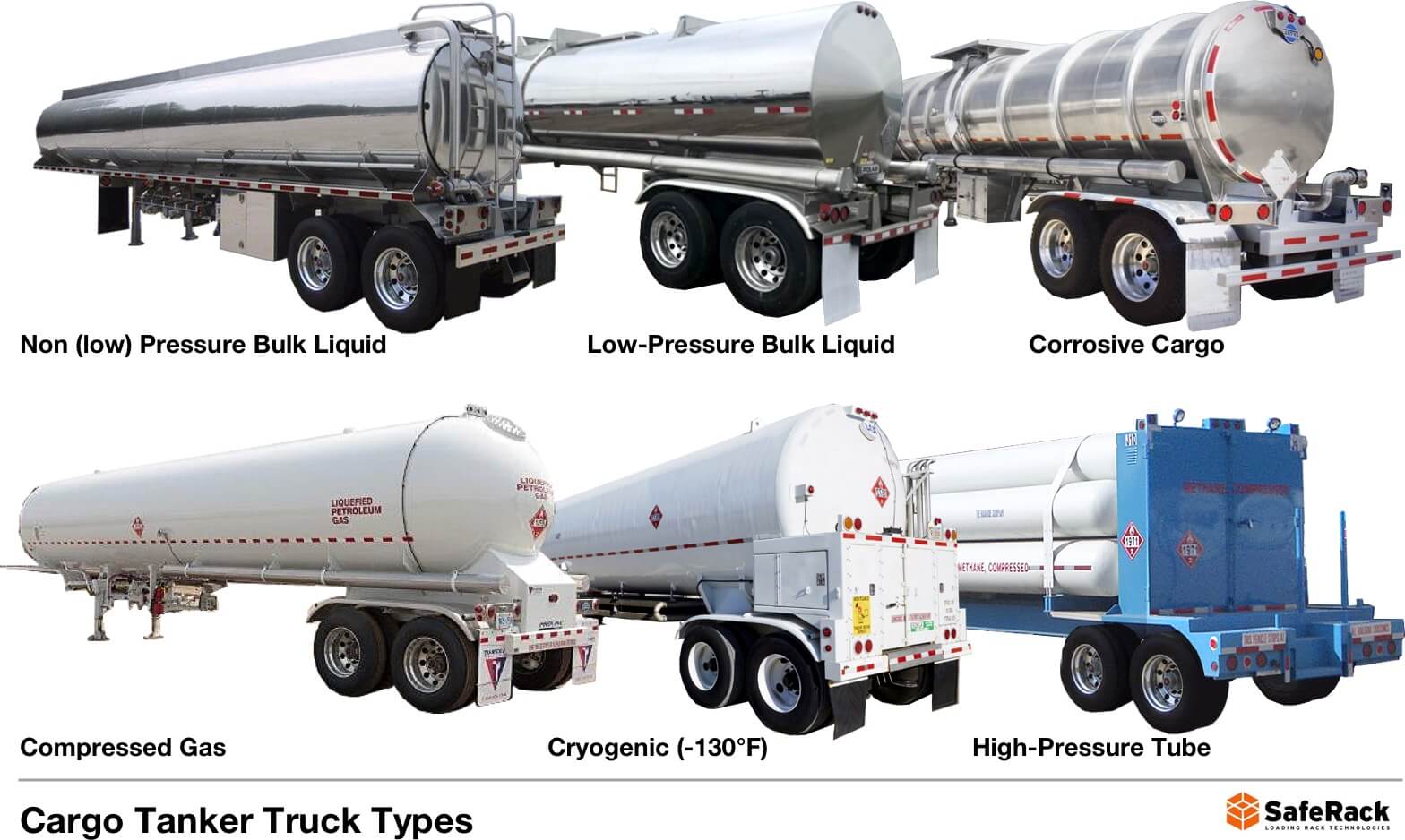
Beyond the Tank: Core Engineering for Safe Fuel Hauling
Many first-time buyers focus solely on gallon capacity. Experienced fleet managers know that what’s underneath and around the tank is what defines a safe unit. A premier fuel tanker manufacturer prioritizes these foundational systems from the ground up.
Chassis and Suspension: The Unseen Backbone
The chassis is the truck’s skeleton. For fuel transport, it must be rated for the gross vehicle weight (GVW) with a significant safety margin. Look for manufacturers that use heavy-duty, name-brand chassis designed for tanker applications, often with reinforced frames. The suspension is equally vital. Air-ride suspensions are not a luxury; they are a near-necessity for safe liquid transport. They dramatically reduce the dynamic surge forces inside the tank that can destabilize the vehicle, reducing wear on the tank structure and providing a smoother, safer ride. As noted in a Federal Motor Carrier Safety Administration (FMCSA) analysis on tank vehicle stability, proper load distribution and vehicle dynamics are primary factors in preventing rollovers.
Containment is Everything: Tank Construction and Materials
The tank itself is your primary containment vessel. Construction quality is non-negotiable.
- Materials: Aluminum is the industry standard for most fuels due to its excellent strength-to-weight ratio and corrosion resistance. High-grade, marine-grade aluminum is a key indicator of quality. For certain chemicals or applications, stainless steel may be specified.
- Baffling Design: This is where engineering shines. A smooth-bore tank is dangerous for fuel. High-quality baffles (bulkheads with surge holes) are strategically placed to control liquid movement. The best designs use flanged-and-bolted baffles, which are stronger and more repairable than welded-in types. Some advanced designs feature “vortex-style” or tubular baffles for even greater surge suppression.
- Welding and Testing: Look for manufacturers that perform full-penetration welding and follow ASME (American Society of Mechanical Engineers) code. Post-weld, tanks should undergo rigorous pressure and leak testing. Every compartment should be clearly marked with its certified capacity.
The Safety Ecosystem: Valves, Vents, and Emergency Systems
A tank is only as safe as the components attached to it. This is the ecosystem that manages the product during loading, transit, and unloading.
Top-Side and Bottom-Loading Assemblies
Modern fuel delivery trucks prioritize bottom loading for safety and vapor recovery. A well-designed bottom-loading rack includes:
- Vapor recovery valves to capture emissions.
- Dry-disconnect couplers to prevent spillage.
- Color-coded and labeled manifolds for different products.
Top loading hatches must be robust, with secure, leak-proof seals and vapor-tight covers.
Emergency Shut-Offs and Rollover Protection
This is your last line of defense. A comprehensive system includes:
- Emergency Shut-Off (ESO) Valves: These are typically located at the bottom of each compartment and can be activated manually or via a cable pull from a safe distance (often at the driver’s side and near the rear). In the event of a rollover or major impact, a thermal-actuated valve will automatically close.
- Roll-Over Protection: All vents and valves on the top of the tank should be protected by a sturdy roll cage. This prevents them from shearing off if the truck ends up on its side, which would cause a massive spill.
- Grounding and Bonding: Static electricity is a real hazard. Integrated grounding reels and bonding points are essential for safe transfer operations.
Choosing Your Manufacturing Partner: A Comparative Guide
Not all manufacturers are created equal. Some assemble generic components, while others engineer integrated solutions. Here’s a breakdown of key considerations.
| Feature | Standard/Basic Builder | Engineered/Specialized Manufacturer |
|---|---|---|
| Chassis Selection Guidance | Offers a limited selection; may not optimize for tanker dynamics. | Provides expert consultation on wheelbase, axle placement, and GVWR for optimal weight distribution and stability. |
| Tank Baffle Design | Uses standard, welded-in baffles with simple surge holes. | Engineers flanged, bolted baffle systems with advanced surge suppression designs (e.g., vortex baffles). |
| Safety System Integration | Installs required ESO valves and vents as separate components. | Designs the safety system as an integrated unit, with protected routing for cables and redundant activation points. |
| Compliance & Certification | Meets basic DOT and MC-306 specifications. | Proactively designs to exceed current regulations, provides clear documentation, and often builds to ASME standards. |
| After-Sales Support & Parts | Limited parts inventory; longer lead times for repairs. | Maintains comprehensive parts inventories and offers detailed technical manuals and direct engineering support. |
John Miller, a logistics safety consultant with over 20 years of experience and a certified TESOL instructor for industrial safety training, emphasizes this point: “The gap between manufacturers often lies in proactive safety integration. The best builders don’t just add safety features; they design the entire unit around failure prevention. When you’re evaluating a fuel tanker truck manufacturer, ask them to walk you through the ‘what-if’ scenarios. How does the system respond to a rollover? A severed line? Their depth of answer is telling.”
For businesses seeking a combination of rigorous engineering and global value, exploring established international manufacturers can be advantageous. Companies like Chinese Truck Factory have invested heavily in modern production lines and adhere to international design codes, offering a compelling alternative for fleet operators looking to spec a reliable unit without compromising on critical safety specifications.
Operational Best Practices: Maximizing Your Investment in Safety
The safest truck can be compromised by poor practices. Partnering with a great manufacturer is step one; step two is implementing rigorous operational protocols.
- Pre-Trip and Post-Trip Inspections: Go beyond the standard checklist. Specifically inspect ESO cable tension, valve operation, grounding equipment, and look for any signs of leakage or corrosion around welds and fittings.
- Driver Training: Drivers must understand why the systems are in place. Train them on the physics of liquid surge, the function of every valve, and the location and operation of all emergency controls. The Pipeline and Hazardous Materials Safety Administration (PHMSA) offers extensive training resources for hazmat drivers.
- Preventive Maintenance Schedule: Follow the manufacturer’s maintenance schedule religiously. This includes regular testing of emergency valves, inspection of baffle integrity (often via internal inspection ports), and re-torquing of bolted baffles as specified.
The Total Cost of Ownership for a Fuel Tanker Truck
The initial purchase price is a small part of the equation. A well-engineered truck from a reputable fuel tanker truck manufacturer delivers a lower total cost of ownership through:
- Reduced Downtime: Robust construction and quality components fail less often.
- Higher Resale Value: Recognized brands with documented build specs retain value.
- Lower Insurance Premiums: Carriers often offer better rates for trucks with verifiable, integrated safety systems from known manufacturers.
- Regulatory Peace of Mind: A truck built to exceed standards is less likely to be cited during intensive inspections.
Frequently Asked Questions (FAQ)
Q: What is the single most important safety feature on a modern fuel tanker?
A: While it’s a system, the integrated Emergency Shut-Off (ESO) system is paramount. It’s the critical network of valves and controls designed to contain the product in an accident. Ensure it has both manual and automatic (thermal) activation and is fully protected from damage.
Q: How often should the internal baffles in the tank be inspected?
A: This depends on use, but a thorough internal inspection should be part of any major service, typically annually or biannually. Look for cracks at weld points, loose baffle bolts, or signs of fatigue. Always follow the specific interval recommended by your tanker manufacturer.
Q: Are aluminum tanks strong enough for fuel transport?
A: Absolutely. High-grade aluminum alloys used by quality builders provide exceptional strength and are far more resistant to corrosion from fuel and road salts than steel, leading to a longer, safer service life. They are the material of choice for petroleum carriers.
Q: Can I use any heavy-duty truck chassis for a fuel tanker body?
A: Technically possible, but ill-advised. A proper fuel transport truck requires a chassis spec’d for tanker duty, with the correct wheelbase, axle weights, and suspension (preferably air-ride) to handle the unique dynamic forces of a liquid load. A good manufacturer will guide this selection.
Q: Where can I find official regulations for fuel tanker design in the US?
A: The primary regulations are found in the Code of Federal Regulations, Title 49 (Transportation), specifically Parts 393 (Parts and Accessories) and 178 (Specifications for Packaging). The National Fire Protection Association (NFPA) Standard 385 also provides guidance.
Choosing the right partner for your fuel tanker truck is a decision that resonates for the lifetime of the vehicle. It impacts the safety of your drivers, the public, and your business’s bottom line. By focusing on the engineering principles of chassis dynamics, tank integrity, and integrated safety systems, you move beyond mere compliance to genuine operational excellence. Invest in the engineering, and you invest in safe fuel transport.
Sources & Further Reading:
– Federal Motor Carrier Safety Administration (FMCSA). Analysis of Tank Vehicle Rollover Stability. [Online] Available at: FMCSA Tank Vehicle Analysis
– Pipeline and Hazardous Materials Safety Administration (PHMSA). Hazmat Transportation Training Resources. [Online] Available at: PHMSA Training
– U.S. Government Publishing Office. Electronic Code of Federal Regulations, Title 49. [Online] Available at: 49 CFR