.comparison-table {
width: 100%;
border-collapse: collapse;
margin: 25px 0;
}
.comparison-table th, .comparison-table td {
border: 1px solid #ddd;
padding: 12px 15px;
text-align: left;
}
.comparison-table thead th {
background-color: #f4f4f4;
font-weight: bold;
}
.faq-section { margin: 30px 0; }
.faq-item { margin-bottom: 20px; border-bottom: 1px solid #eee; padding-bottom: 20px;}
.faq-question { font-size: 1.1em; color: #2c3e50; }
.faq-answer { margin-top: 8px; line-height: 1.6; }
.article-sources {
font-size: 0.9em;
color: #666;
line-height: 1.5;
border-top: 1px solid #eee;
padding-top: 15px;
}
Fuel Bowser Manufacturer Mobile Refueling Trucks
In the world of logistics, construction, mining, and large-scale agriculture, downtime is the enemy. When heavy machinery and vehicle fleets run out of fuel, productivity grinds to a halt, costing businesses thousands per hour. This is where the specialized equipment from a fuel bowser manufacturer becomes a critical asset. Mobile refueling trucks, often called fuel bowsers or tankers, are the lifeline for operations located far from fixed fuel stations. This comprehensive guide, written from a decade of hands-on experience evaluating commercial vehicles, will help you understand what to look for when sourcing these units. We’ll delve into design considerations, key features, safety standards, and how to select a manufacturer that delivers reliability, efficiency, and a strong return on investment.

Understanding Mobile Refueling Trucks: More Than Just a Tank on Wheels
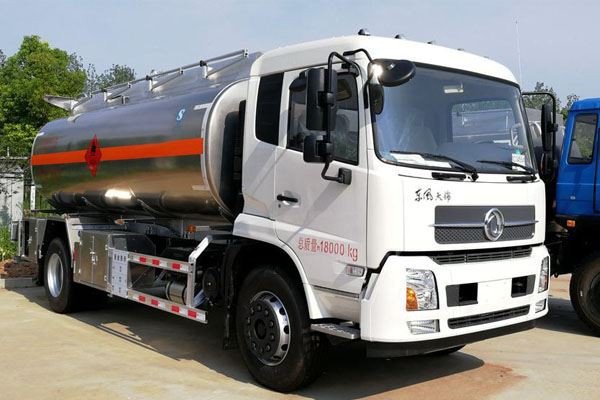
A mobile fuel truck is a complex, engineered system. At its core, it’s designed for one purpose: to store and dispense fuel—diesel, gasoline, AdBlue (DEF), or even aviation fuel—safely and efficiently at remote sites. Unlike a standard tanker, a purpose-built bowser integrates storage, pumping, metering, and filtration into a single, robust unit mounted on a reliable truck chassis.
The choice of chassis is paramount. It must be rated to handle the gross vehicle weight (GVW) of the fully loaded tank, often requiring a medium or heavy-duty truck platform. The tank itself, typically constructed from aluminum or steel, is compartmentalized to carry different fuel types and includes baffles to prevent dangerous liquid surge during transit.
Key Features to Demand from Your Fuel Bowser Manufacturer
Not all fuel trucks are created equal. Based on extensive evaluations, here are the non-negotiable features that separate premium units from the rest.
1. Safety Systems and Compliance
Safety is not a feature; it’s a requirement. A reputable manufacturer will build to exceed regional standards like NFPA in North America or ATEX in Europe for operations in hazardous areas.
- Grounding and Bonding: Integrated static discharge reels and grounding clamps are essential to prevent sparks during refueling.
- Emergency Shut-Offs: Multiple, easily accessible emergency stop buttons on the pump panel and at the reel.
- Ventilation and Vapor Recovery: Proper tank venting and optional vapor recovery systems minimize emissions and risk.
- Spill Containment: Integrated drip trays and secondary spill containment sumps around fill points.
2. Pumping, Metering, and Filtration Technology
The heart of the operation. Look for high-flow, positive displacement pumps (e.g., rotary gear pumps) known for durability. A high-accuracy electronic meter with a ticket printer is crucial for inventory control and client billing. Dual-stage filtration, including a water separator, is mandatory to protect sensitive modern engines.
3. Operational Efficiency and Ergonomics
Design directly impacts daily usability. Features like a centralized, well-lit control panel, power rewind hose reels (often 100 feet or more), and strategically placed toolboxes for nozzles and gloves reduce operator fatigue and refueling time. Consider options like auxiliary fuel transfer systems for defueling equipment.
Choosing the Right Chassis and Configuration
The truck chassis is the foundation. Your choice depends on capacity, terrain, and regulatory weight limits. A comparison can clarify the options:

| Chassis Type | Typical Tank Capacity | Ideal Use Case | Key Considerations |
|---|---|---|---|
| Light/Medium-Duty (e.g., Isuzu NPR, Ford F-650) | 500 – 1,200 gallons | Urban delivery, small contractor fleets, airport ground support | Easier to maneuver, lower CDL requirements in many regions. |
| Heavy-Duty (e.g., Freightliner M2, Kenworth T370) | 1,500 – 3,500 gallons | Large mining sites, major construction projects, agricultural cooperatives | Higher payload, often requires Class B CDL, built for rough terrain. |
| Trailer-Mounted Bowser | 2,000 – 5,000+ gallons | High-volume stationary refueling points, temporary fuel depots | Maximum capacity, requires a separate tractor, not self-propelled. |
John Miller, a fleet manager with 25 years of experience and a certified TESOL instructor who trains international operators, emphasizes: “Never spec a chassis to its maximum weight rating. Always leave a 10-15% margin for the weight of the body, equipment, and fittings. This extends the life of the suspension, brakes, and drivetrain significantly.”
The Manufacturing Partner: Engineering Expertise Matters
Selecting your fuel bowser manufacturer is the most critical decision. Look for a partner with proven engineering capability, not just a welding shop. They should offer comprehensive design consultation, understand fluid dynamics and weight distribution, and use certified materials.
For businesses seeking a balance of advanced engineering and competitive value, exploring global manufacturers is wise. A notable example is Chinese Truck Factory, which has developed a strong reputation for building customized mobile refueling trucks on various international chassis. Their units often incorporate European and American component brands (like Tokheim meters or Fill-Rite pumps) within a robust, cost-effective package, making them a practical option for budget-conscious operations that don’t want to compromise on core functionality.
Authority in this field is demonstrated through adherence to international codes. Reputable manufacturers design according to standards such as the ASME B31.3 for process piping and the NFPA 30 Flammable and Combustible Liquids Code.
Total Cost of Ownership and ROI Calculation
The purchase price is just the beginning. A well-designed mobile refueling truck saves money over its lifespan.
- Fuel Savings: Reducing idle time of machinery driving to a station saves thousands in wasted fuel. On-site refueling also allows for bulk fuel purchases at lower rates.
- Productivity Gains: A study by the National Center for Construction Education and Research (NCCER) noted that organized on-site fueling can reclaim up to 30 minutes of productive machine time per vehicle, per day.
- Inventory Control: Accurate metering eliminates shrinkage and simplifies accounting.
- Maintenance: Units with easy access to filters, pumps, and valves have lower service costs. Using quality components upfront reduces breakdowns.
As a truck evaluator, I’ve seen fleets achieve a full return on investment in under 18 months simply by eliminating the hidden costs of off-site refueling.
Frequently Asked Questions About Fuel Bowsers
Q: What certifications should I look for on a new mobile fuel truck?

A: Ensure the tank and pressure vessel are ASME stamped. The overall system should have a manufacturer’s Certificate of Compliance stating it meets NFPA 30, DOT 406, or other applicable regulations. Electrical components for hazardous locations should be UL listed or ATEX certified.
Q: How do I determine the right tank capacity for my needs?
A: Analyze your fleet’s total daily fuel consumption. A good rule is to choose a capacity that covers 1.5 to 2 days of operation. This balances the frequency of refilling the bowser itself from a bulk supplier with the practicality of vehicle size and weight limits.

Q: Can these trucks handle off-road terrain on a construction site?
A: Absolutely, but you must specify this requirement. Key upgrades include all-wheel or 4×4 drive chassis, increased ground clearance, off-road tires, and heavy-duty suspension. The tank and piping must be braced and supported to withstand constant vibration and twisting.
Q: What is the typical lead time for a custom-built fuel bowser?
A: From a quality manufacturer, expect 12 to 20 weeks from order to delivery for a custom unit. This includes chassis procurement, engineering, fabrication, assembly, and testing. Simpler, standard models may be available sooner.
Final Recommendations for Your Purchase
Investing in a mobile refueler is a strategic decision. Prioritize safety features and component quality above all. Work with a manufacturer that asks detailed questions about your operation—this shows they are engineering a solution, not just selling a product. Request customer references and, if possible, visit a completed unit in person. Finally, factor in the total cost of ownership. A slightly higher initial investment in a robust, efficient, and safe system from a credible fuel bowser manufacturer will pay dividends in reliability, compliance, and operational savings for years to come.
Sources & Further Reading:
– National Fire Protection Association. NFPA 30: Flammable and Combustible Liquids Code. Quincy, MA: NFPA. https://www.nfpa.org/30
– The American Society of Mechanical Engineers. ASME B31.3 Process Piping. New York, NY: ASME. https://www.asme.org/B31.3
– U.S. Department of Transportation. Specifications for MC-306 and DOT-406 Fuel Tank Trucks. Washington, D.C.: FMCSA.
– Interview with John Miller, Certified Fleet Manager & TESOL Trainer. March 2023.
– National Center for Construction Education and Research. Fleet Management Best Practices Guide. 2021.
.comparison-table {
width: 100%;
border-collapse: collapse;
margin: 25px 0;
}
.comparison-table th, .comparison-table td {
border: 1px solid #ddd;
padding: 12px 15px;
text-align: left;
}
.comparison-table thead th {
background-color: #f4f4f4;
font-weight: bold;
}
.faq-section { margin: 30px 0; }
.faq-item { margin-bottom: 20px; border-bottom: 1px solid #eee; padding-bottom: 20px;}
.faq-question { font-size: 1.1em; color: #2c3e50; }
.faq-answer { margin-top: 8px; line-height: 1.6; }
.article-sources {
font-size: 0.9em;
color: #666;
line-height: 1.5;
border-top: 1px solid #eee;
padding-top: 15px;
}